


Suspension Air Compressor: Replace the Pump and Resolve the Cause
While a new suspension air compressor can remedy a vehicle's ride height adjustment, it is not necessarily the entire solution. If the leak or electrical problem or faulty replacement persists, the vehicle may be returned with the same complaint.
The main consideration for those who purchase parts and conduct workshops is not just which compressor to purchase. Whether the current unit has failed or not, why it failed, and what needs to be rectified prior to the new unit being placed in service. This guide covers that decision, diagnosis, ordering, installation planning and final acceptance.
Ask a Repair Question.
The first step is to note down the time when the problem is occurring. A car that sinks after parking is different from a car that is level but won't raise when ordered. If the pump doesn't start up then the tests differ from those of a pump that is running up more than usual.
Once the technician has finished collecting the data, have him save fault codes and any pertinent observations without clearing the messages. The parts enquiry should result from a confirmed finding and not all suspension warnings should trigger an automatic compressor enquiry.
HUIJIE's suspension compressor line includes application-specific replacement pumps for specific passenger cars. It's a helpful buying tool after workshop has determined replacement is appropriate. The cause of a specific vehicle's complaint can only be determined by the catalogue.
Determine if the Pump Is Cause or Effect
A compressor may have to refill pressure over and over again if there is an air leak. Eventually the pump may suffer damage and original leakage is not eliminated. In such a case, the compressor replacement will only solve the problem, and not the cause of the problem.
The workshop should review the applicable pneumatics circuit (springs, lines, fittings and pneumatic distribution) by following the vehicle's diagnostics procedure. Don't presume that a parked vehicle that is losing ground is compressor failure.
Document the result as a repair decision: Pump serviceable, pump to be replaced or further investigation. If a leak and damage to the compressor are found, add both to the work authorized. This will be beneficial to the parts buyer because they will have a defined scope, and the customer will have an explanation for repairs associated with the scope.
Identify electrical issues and correct them prior to approving replacement.
Failure of a motor doesn't occur when it is silent. Electrical supply and control conditions should be evaluated prior to condemning the unit. Similarly, repeatedly changing a blown fuse cannot be the cause of action of protection.
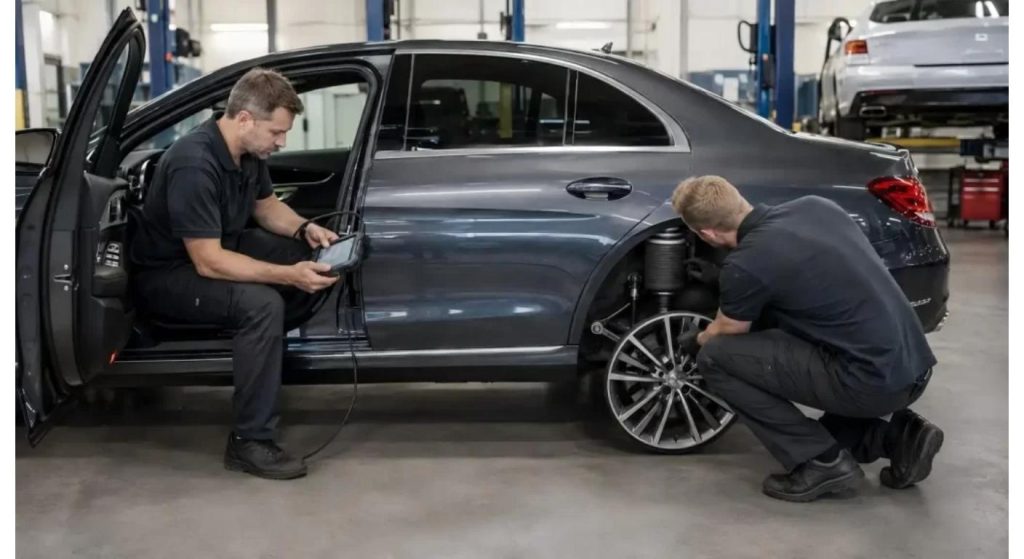
Use the appropriate service information to inspect the wiring and connector, ground, fuse and relay arrangements, as applicable. If a relay is installed, its condition can be a problem as damaged contact surfaces can prevent power from reaching the switch or cause unwanted operation. Replace any required relays, following replacement instructions.
HUIJIE's compressor fuse fault guide teaches you the importance of circuit diagnosis in the repair process. Always use the fuse type/value specified – upgrading the fuse to allow the pump to continue to operate is not a repair.
Record the pneumatic findings in a document along with the electrical findings. A quotation based on a damaged pump is more likely to be approved than a quotation based on only noise or warning messages, indicating a supply problem.
| Decision Item | Status to Record | Supporting Record |
| Compressor replacement | Required / Not required / Pending | Technician’s diagnosis |
| Associated pneumatic repair | Authorized / Not applicable / Pending | Confirmed fault location |
| Associated electrical repair | Authorized / Not applicable / Pending | Circuit inspection result |
| Additional diagnostic work | Approved / Declined | Customer authorization |
| Parts order release | Released / On hold | Approved repair scope |
The Replacement Against the Actual Vehicle is approved.
If it is determined that replacement is warranted, determine the specific vehicle application. Chassis details, production, chassis suspension and original reference to chassis component confirmed. When looking for a home, consider a similar house or a house that shares the same name, but do not take this as a final sign.
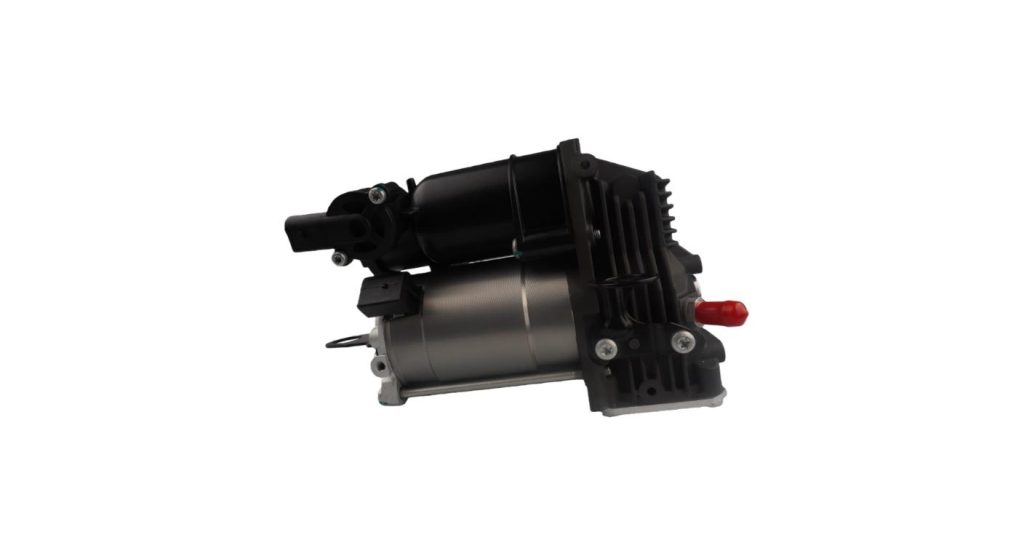
For instance, HUIJIE puts a Mercedes-Benz ML/GL W164/X164 compressor for reference, such as 1643201204. This is an example of a particular application and not a replacement for the vehicle and the proposed supplied unit checks.
Analyze the Electrical connector, Pneumatic connection, Mounting arrangement and assembly contents related to them. Inquire about brackets, isolators, dryer parts, fittings or other parts needed or held. Conduct pre-deployment problem resolution between pictures and written requirements.
Another application in the range is shown in a BMW G11/G12 compressor listing. This does not mean that it can be swapped out for the Mercedes unit. Maintain separate reference to each confirmed application/installed information.
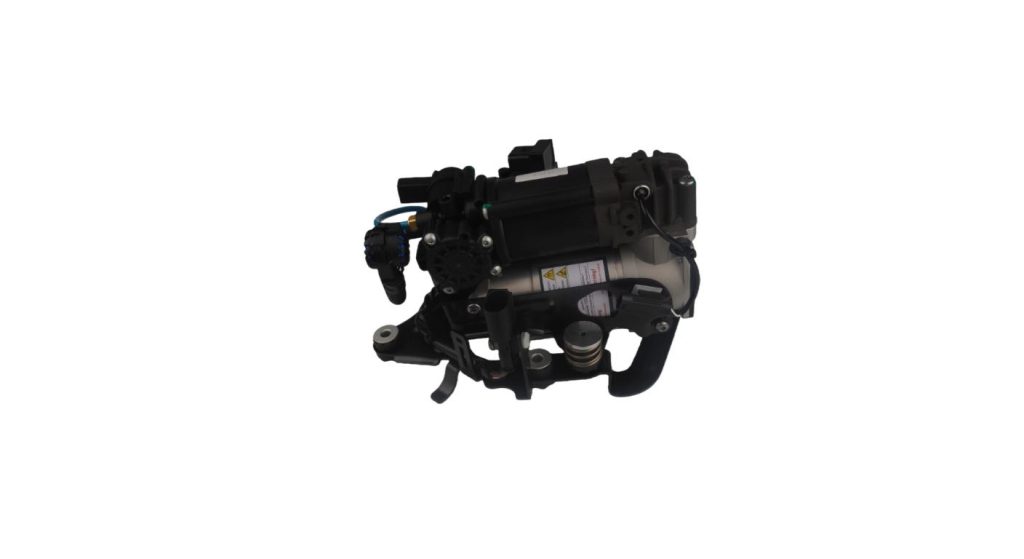
Question for Evidence relevant to the Ordered Unit
When replacing a filter, the new one should be evaluated by its application, not the highest pressure it can handle or the quietest it can be. Inquire what performance data exist for the proposed reference that is exactly the same.
The relevant compressor pages of HUIJIE say that working current and voltage has been tested. The buyers may ask for the conditions and acceptance limits instead of making that statement a universal specification.
Differentiate between supplier inspection and workshop diagnosis. A test prior to shipping cannot be used to determine if the electrical supply, air circuit and control system of the vehicle are healthy. The repair requires the two sides to have the right type of evidence to be successful.
Prior to accepting an alternate unit, obtain written compatibility and changed installation requirements. Don't take the phrase “direct replacement” as an indication of a programming requirement, or the lack of one.
Installation plans should take into account the identified faults.
Make the job ready for the new pump to avoid risking the new pump to the same conditions that caused the previous pump failure. Verify the scope of work for the authorized leak repairs and electrical repairs are covered, and that replacement parts are available.
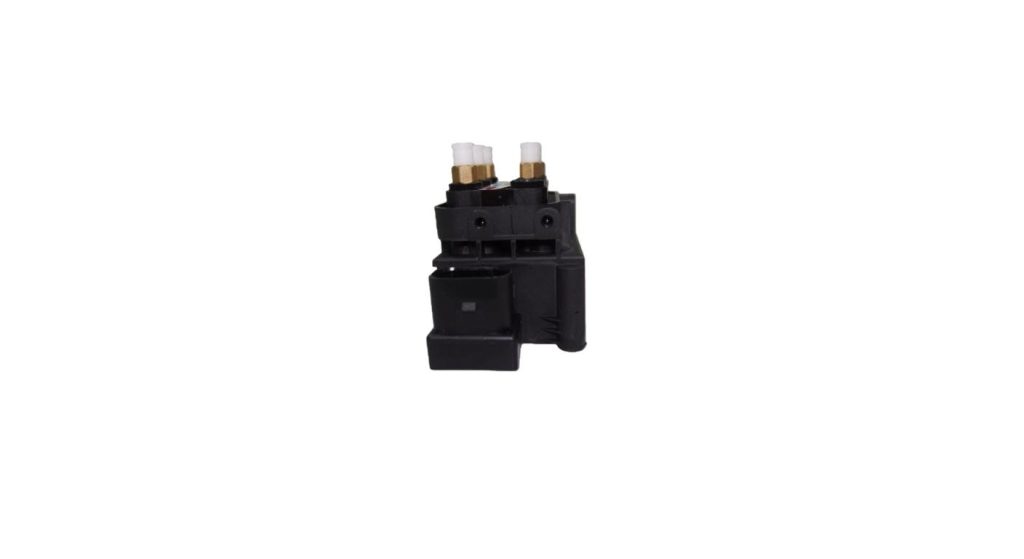
Provide mechanical assistance, pressure relief, removal and installation of the vehicle and component as directed by instructions. The vehicle should be adequately supported during services – air suspension is not suitable as a sole support.
Examine mounting and related intake system as called for by the applicable procedure. When a new pump is installed with the same damaged supporting parts, it may cause unnecessary troubles, even if the pump is correct. Check if you need to change relays and reset them prior to the scheduled completion.
The Compressor Diagnostic Guidance published by HUIJIE may help to frame the discussion, and the service information in the specific vehicle will dictate the work. Do not use pressure settings, tightening values or actuators sequences of another model.
Checks to see if the Recovery is validated prior to closing the job.
Completion is the demonstration of the system's ability to function as desired. When necessary, follow the activation, initialization, or calibration procedure and determine the outcome in comparison to the vehicle's acceptance requirements.
Note if original complaint has been addressed and if applicable, if warnings come back up. If the procedure requires output, electrical or retention checks, retain the results with the job file. If it comes back to normal height one time, it does not necessarily mean it is OK for all type of faults.
Describe the problem to the customer in brief, the work done on the problem and how the repair was verified. Distributors: keep the reference and technical explanations provided, to be submitted to the next order enquiry for review.
| Verification Item | Result to Record | Acceptance Reference |
| Original customer complaint | Resolved / Further investigation | Initial job description |
| Required initialization | Completed / Not applicable | Vehicle service procedure |
| Relevant fault-code check | Result and check conditions | Diagnostic procedure |
| Required performance checks | Measurements and test conditions | Application-specific limits |
| Vehicle handover | Date and technician approval | Completed job record |
Conclusion
The right suspension air compressor decision joins fault affirmation, application coordinating, and repair confirmation. Determine the cause of the failure of the original unit, rectify such faults and record the job done. That way, the replacement has a solid foundation for providing service.
FAQs
Q1. When the car is low, does it always have to be replaced with a new compressor?
No. It could be due to air loss or other system failure. Don't order a pump until the cause has been confirmed.
Q2. Would it be better to replace the relay with the compressor?
Replace as per instructions and vehicle procedure. Relay needs to be renewed in some applications, and if it is faulty, then it needs to be fixed.
Q3. Does the same voltage indicate compatibility?
Not only that, but connections, mounts, control requirements and performance. Check vehicle application & replacement reference.
Q4. If the fuse keeps blowing out, is there a higher fuse rating that will cure the problem?
No. Use the protection specified and diagnose the circuit. The higher the fuse rating, the less protection is offered to the wiring.
Q5. Does the compressor need to be calibrated after each compressor replacement?
These requirements will depend on the vehicle and repair. Refer to the service procedure for the applicable service for initialization, activation or ride-height calibration.


Contact Us
In This Article
- 1 Ask a Repair Question.
- 2 Determine if the Pump Is Cause or Effect
- 3 Identify electrical issues and correct them prior to approving replacement.
- 4 The Replacement Against the Actual Vehicle is approved.
- 5 Question for Evidence relevant to the Ordered Unit
- 6 Installation plans should take into account the identified faults.
- 7 Checks to see if the Recovery is validated prior to closing the job.
- 8 Conclusion
