


Air Ride Valve Block: Confirm the Cause Before Ordering a Replacement
The air ride valve block is one component that can be overlooked until the vehicle is sitting out-of-level or if the vehicle is not reacting to height command as it should. Those symptoms may be due to springs, lines, sensors or the compressor so if it is replaced without proof of its cause, the root cause may not be resolved.
The effective method is to “follow the air problem” and not make assumptions based on the position of the vehicle. This guide describes the function of the valve block, how to differentiate between various types of fault questions and what data would be useful for the replacement order and then installation.
Identify the function of the Valve Block, as a component in the system
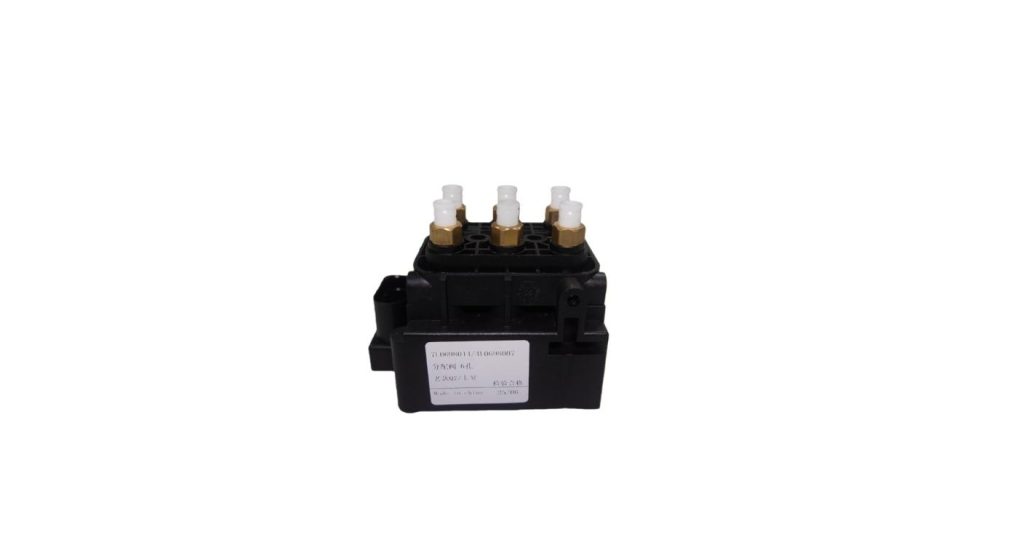
The compressor is the source of compressed air, the valve block is used to control the distribution of air in the appropriate circuit. Rather, it is used as a component of the vehicle's suspension control system and is not used to determine the ride height desired.
This is dependent on the vehicle. Different distribution units or circuit locations may be used in a system – do not consider one schematic to be a general plumbing layout. Interpret a symptom and select a part based on the applicable layout.
HUIJIE has a series of air suspension valve block replacement parts suitable for applications. The category is used to determine which products are available and the service information for the vehicle determines how the installed block connects and functions. Keep the two sources of information separate when making the repair.
Use the 3 Questions Before Condemning the Block to separate the block.
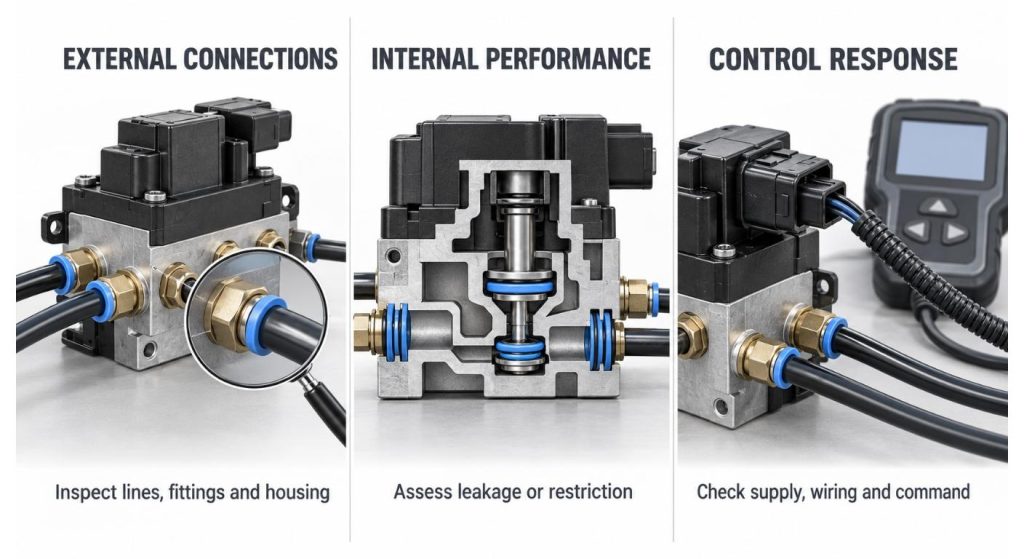
A good investigation will be able to distinguish between loss of external air, suspected internal leakage/restriction and a failure to react to the intended control command. The difference in these questions lies in the fact that even if the owner states that the vehicle does not sit level, they are still different questions.
Externally, the connection could be a line or fitting or there could be damage to the housing. If there is suspected internal leakage, an appropriate circuit level assessment shall be conducted. A response problem should also be considered prior to determining the block to be faulty; a consideration is the electrical connection, control signal, and air supply available.
Write down what the technician actually has determined and what is still not known. Stay away from any valve block leak being called a leak and any solenoid failure being called a failure to move.
Only after a repair scope has been confirmed, should the purchasing decision be made. If further diagnosis is necessary, order it as a separate test, and do not request a block to be ordered as a "informal" test only to be replaced and expect it to resolve the fault.
Read Parked and Commanded Behavior two times each.
If the vehicle has been lowered after parking, it is a different observation than if the vehicle is parked at the same height and then responds wrongly to an instruction to change. Note timing, corner or axle involved, warning messages and operating conditions prior to changing components.
The parked height loss is not an indication of the location of the air loss. Also, a gradual transition doesn't separate out the inadequate supply from the distribution issue. Technician should use the appropriate diagnostic procedure to do so.
Keep important fault codes and remarks prior to clearing. If the service procedure calls for activation or isolation tests, conduct these tests and under the specified conditions. Don't adapt a universal line-swapping test for various vehicle layouts.
This separation helps the service adviser to try to describe the need for diagnosis. The visible stance is an indicator of an issue, it does not mean to replace a specific component.
| Investigation Area | Finding Status | Evidence to Retain |
| External connections | Confirmed issue / No issue found / Pending | Inspection record |
| Internal valve performance | Confirmed issue / Not established / Pending | Applicable test result |
| Electrical response | Confirmed issue / No issue found / Pending | Diagnostic record |
| Related pneumatic components | Repair required / No repair identified / Pending | Technician’s findings |
| Replacement decision | Approved / Further diagnosis | Authorized repair scope |
Match the Circuit Position & Interfaces
When a block needs to be replaced, verify its application and location in the circuit. Appearance alone or the same number of ports is not enough to determine interchangeable internal routing, electrical interfaces and mounting.
BMW reference 37206789450 and I267047 are listed on the listing of HUIJIE's BMW valve blocks. The page describes the interface and offers information for the respective applications. Employ those details to pose confirmation questions, not allow any physically matching line to be connected to any port.
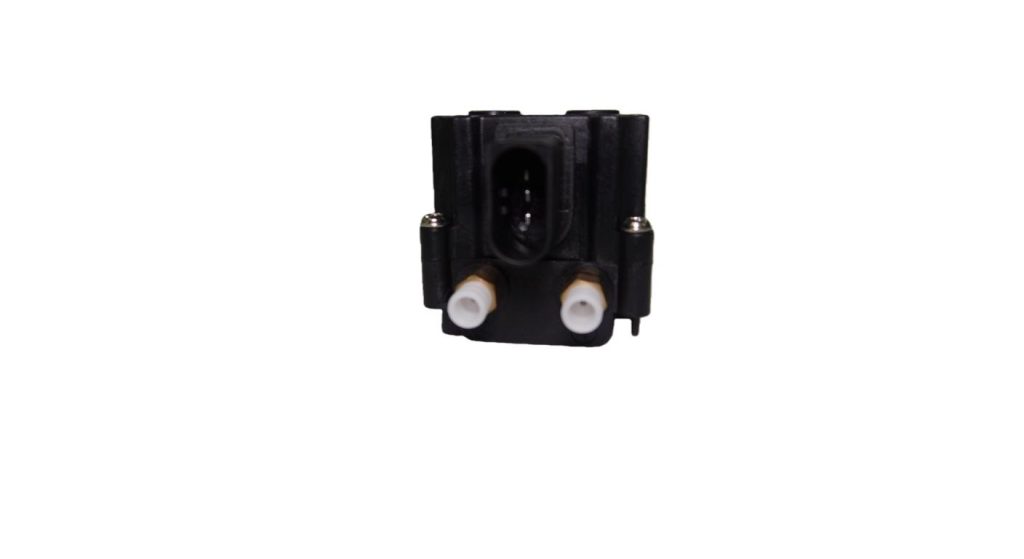
Also featured on the HUIJIE is a middle valve block for Range Rover L322 and Discovery 3/4. When determining the unit to use, it should not be overlooked that the word “middle” is a component of the application description in the product.
Enquiry to include original label, vehicle information and clear connection photographs. Check the proposed ref and clear any discrepancy between listing, removed component and documentation of the vehicle prior to dispatch. You cannot determine port identity based on the orientation of the photograph, but should use applicable information.
Critically evaluate construction methods using product specific evidence
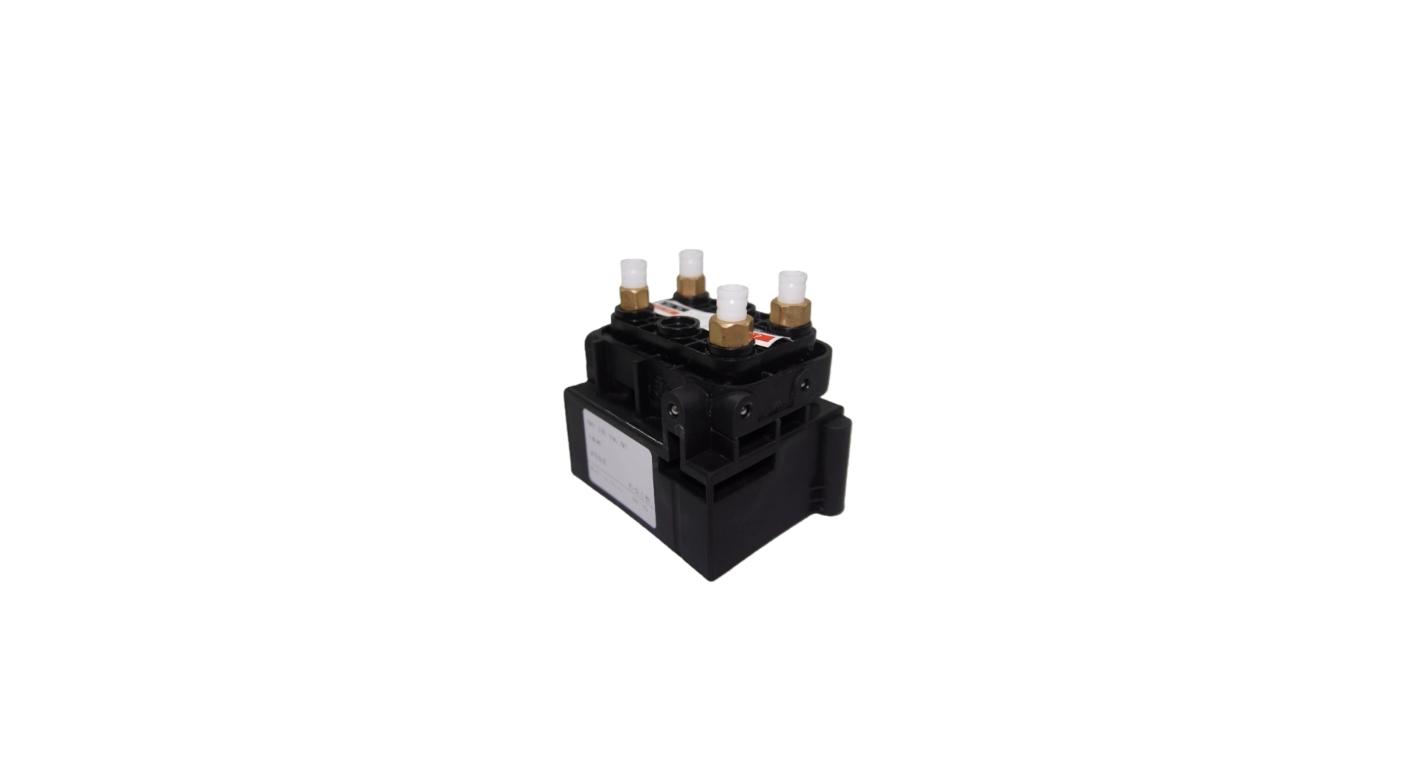
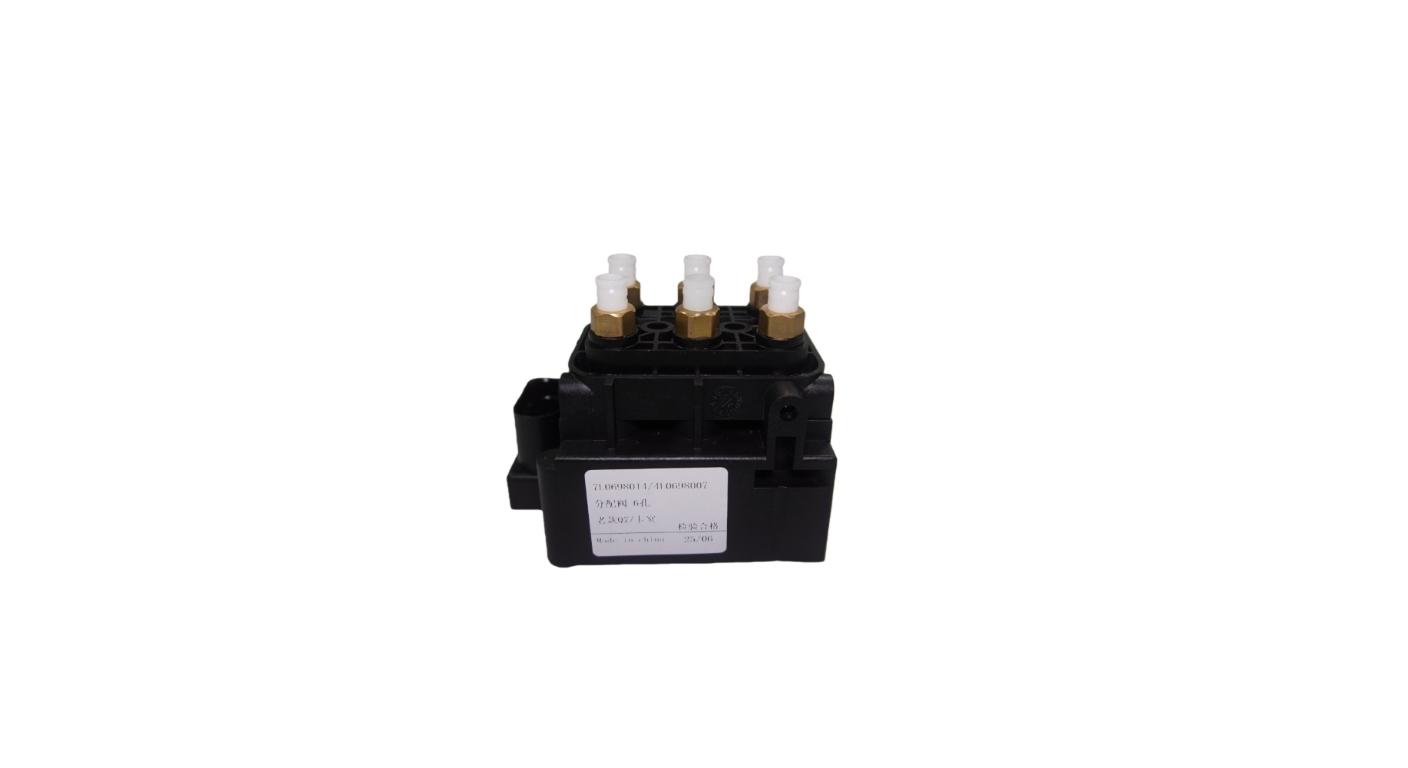
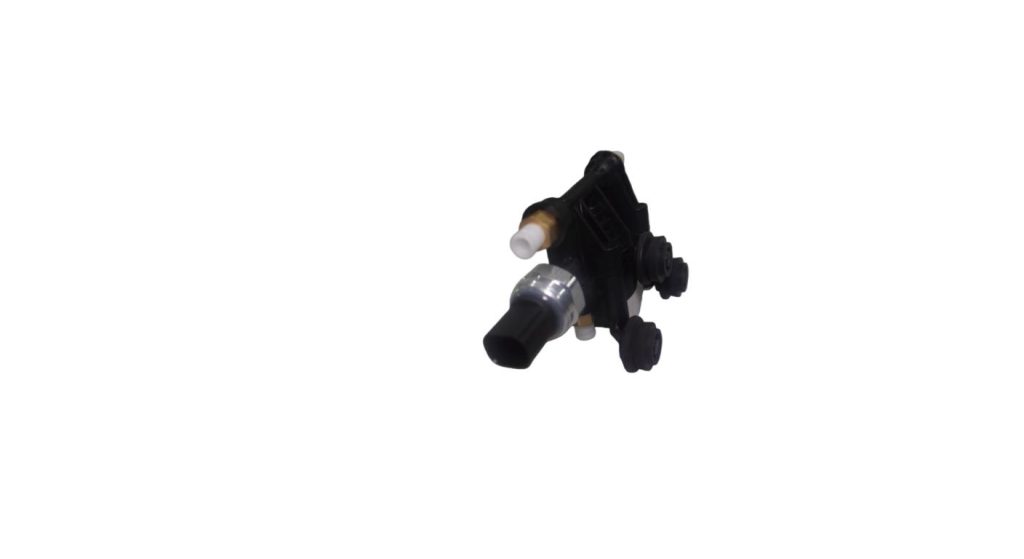
A replacement valve block will need to include the correct routing and actuation and must also be secure and sealing. The picture of the product can help to identify it, but can't be used to provide performance and service life of the internal sealing.
The valve block pages of HUIJIE relate to precision machining, sealing and internal solenoid components. Inquire about inspection information that should be included in the proposed reference and which fittings or other related components are included in the reference. Don't presume that all the blocks listed are made of the same material or have the same interior structure.
The product shown for certain Porsche/Audi/VW models represents another model in the range. Shared application claims do still require verification by the replacement reference and actual vehicle.
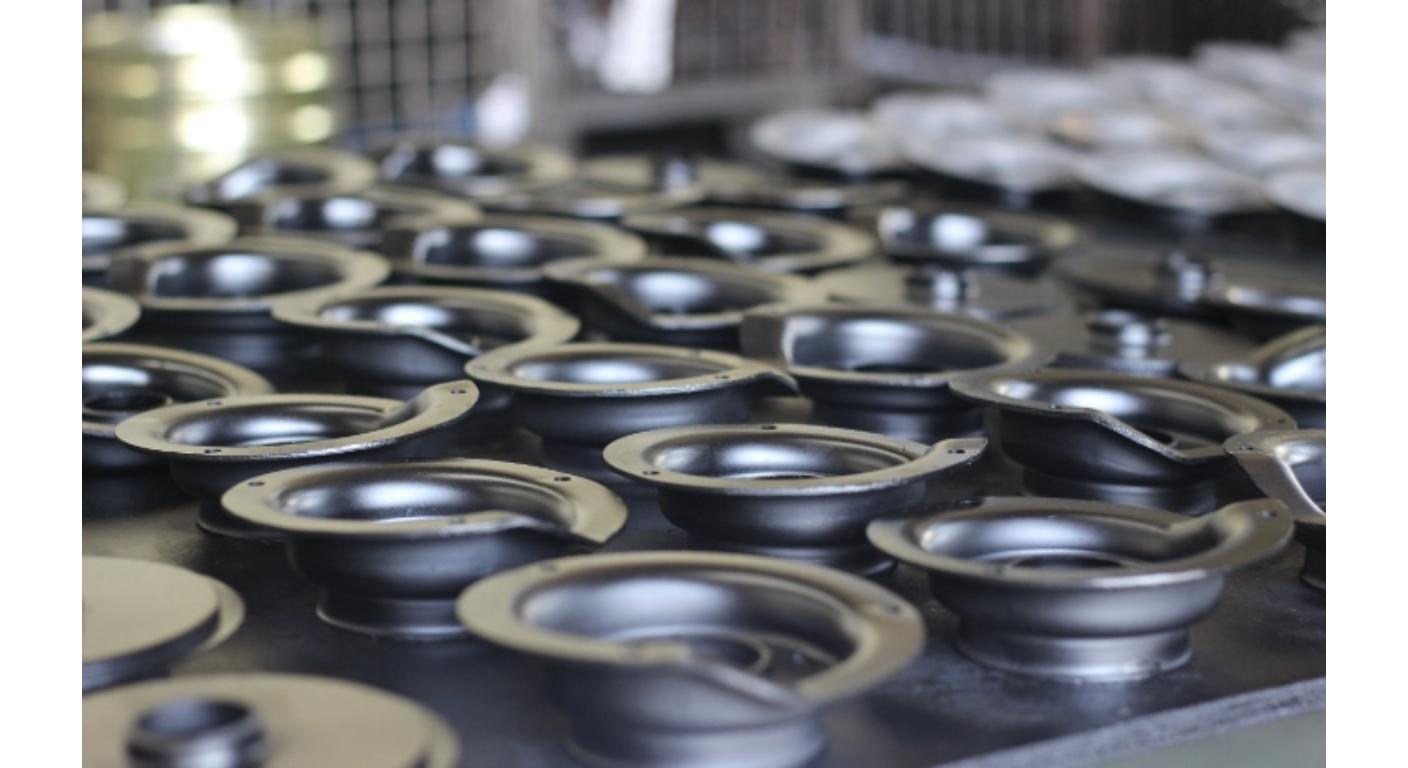
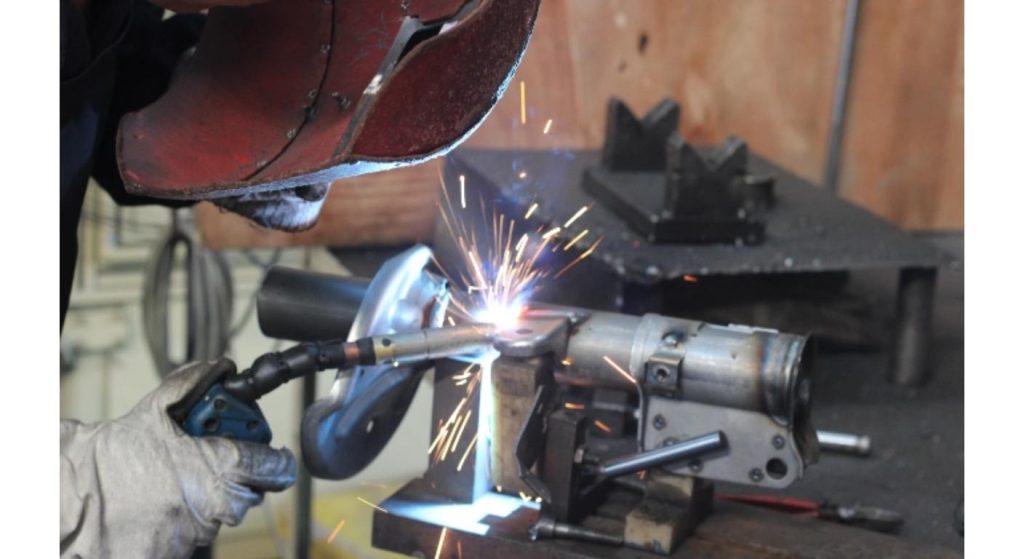
Do not use the factory gallery in place of product specific evidence; instead use the gallery as a manufacturing context. If the purchasing requirement is based on leakage performance or endurance, ask for the test conditions and acceptance criteria rather than assure a numerical guarantee of durability in terms of leakage.
Maintain Connection Map in Replacement
Follow vehicle procedure for mechanical support, system preparation and pressure release prior to removal. Work must not be done on vehicles supported only by air suspension.
Maintain a secure identification and routing history of the lines. Verify reconnection by using service documentation and technician's recorded observations. An authoritative port assignment can be supported by a clear photograph, but not in the absence of such a photograph, if the view is incomplete or ambiguous.
Keep open connections free from contamination, check lines and fittings as necessary. Do not automatically reuse all the connection components removed during the renewal and assembly procedures; use the ones specified.
Don't presume that if you finish a block you have finished everything associated with the block. Leaky seals somewhere, faulty wiring or another system issue that hasn't been corrected is still part of the repair. A new component needs to be inserted in a corrected circuit and not be relied on to correct an existing defect.
| Connection Record | Information to Enter | Verification Source |
| Valve block identity | Original and replacement references | Labels and supplier confirmation |
| Installation position | Vehicle-specific location | Service information |
| Pneumatic connections | Applicable line and port identifiers | Vehicle connection diagram |
| Electrical connector | Connector identification | Wiring information |
| Completed reconnection | Technician and date | Installation job record |
Check the Distribution of the vehicle before releasing it.
Perform the necessary activation, functional tests and initialization or calibration. Verify the answer of the circuit involved with the vehicle's acceptance procedure. Avoid using one pressure, height and/or time limit for all applications.
If parked height loss was a part of the original complaint, then conduct the proper retention assessment under the recorded conditions. Keep in mind that result is NOT the same as commanded height adjustment – they ask different questions.
Write down the given reference, finished work and issues left. A good handover will detail the reasons for the block change and how checks on the repair were made, providing a common starting point for any further enquiry from the workshop and supplier.
Conclusion
The selection of an air ride valve block starts by understanding the circuit that it affects. Order separately before ordering external leakage, internal performance and control response. Later verify the precise application, the connection map should be retained and the adjustment and retention as necessary by the repair should also be checked.
FAQs
Q1. If the valve block does not hold up during the night is it bad?
Avoidable spring loss, lines and connections may also lose air. Test the circuit to make sure that it is not working before choosing a replacement circuit.
Q2. Would it be possible to replace a block with the same number of ports with another?
No, the routing, actuation, connections and applications may vary. Complete match of reference and installation position.
Q3. Is the valve that blocks the air making air pressure?
No. Compressed air is provided by the compressor. The valve block controls the distribution in the circuit which it is given.
Q4. Can photos of the lines be the only way to find out where they are going?
No. Apply to the appropriate port information and procedure for services. Photographs are being used to complement records, particularly in cases of poor visibility.
Q5. Do they always need to be calibrated after they have been replaced?
The needs are different for each car, and each repair. Activate, initialize and perform any height calibration as per the procedure specified.


Contact Us
In This Article
- 1 Identify the function of the Valve Block, as a component in the system
- 2 Use the 3 Questions Before Condemning the Block to separate the block.
- 3 Read Parked and Commanded Behavior two times each.
- 4 Match the Circuit Position & Interfaces
- 5 Critically evaluate construction methods using product specific evidence
- 6 Maintain Connection Map in Replacement
- 7 Check the Distribution of the vehicle before releasing it.
- 8 Conclusion
