

Car Air Suspension Valve Block: Match the Right Part Before Ordering
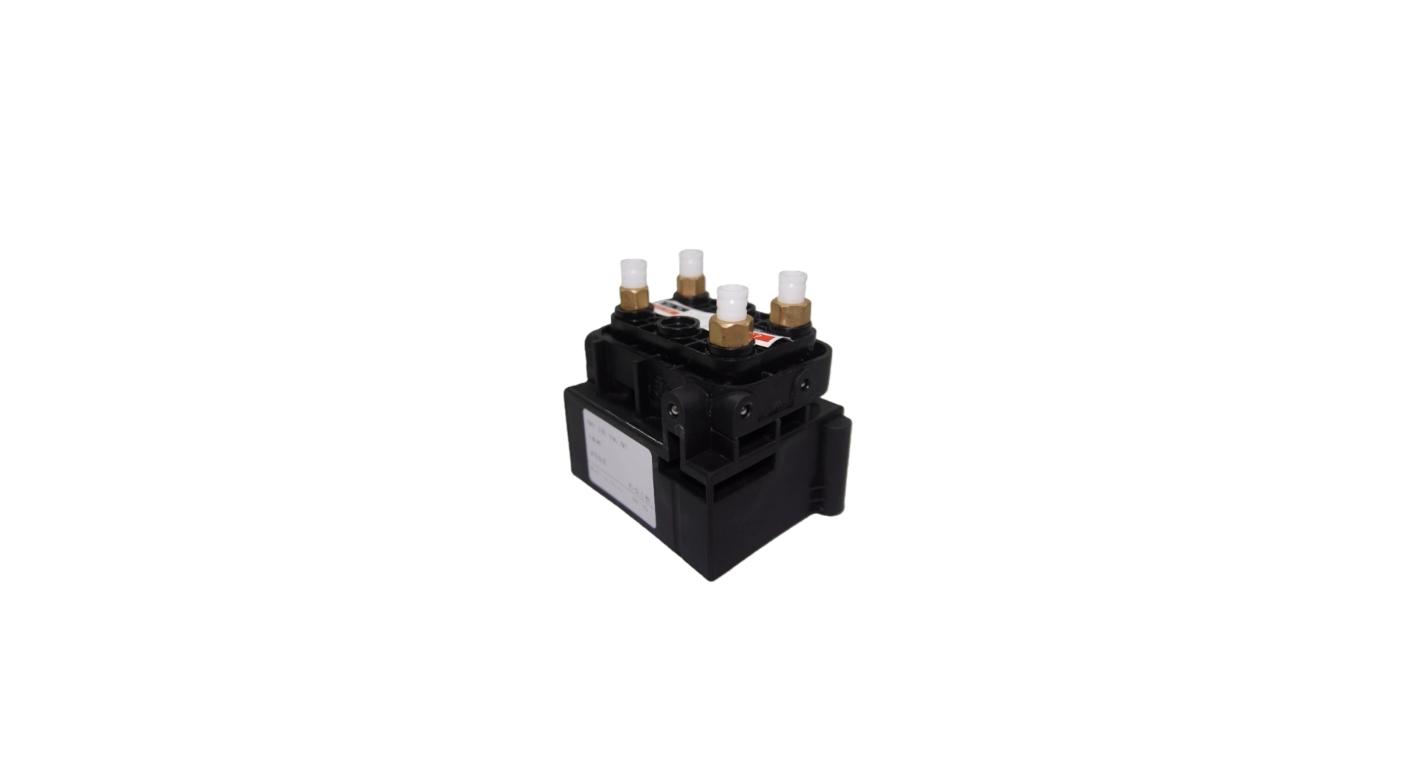
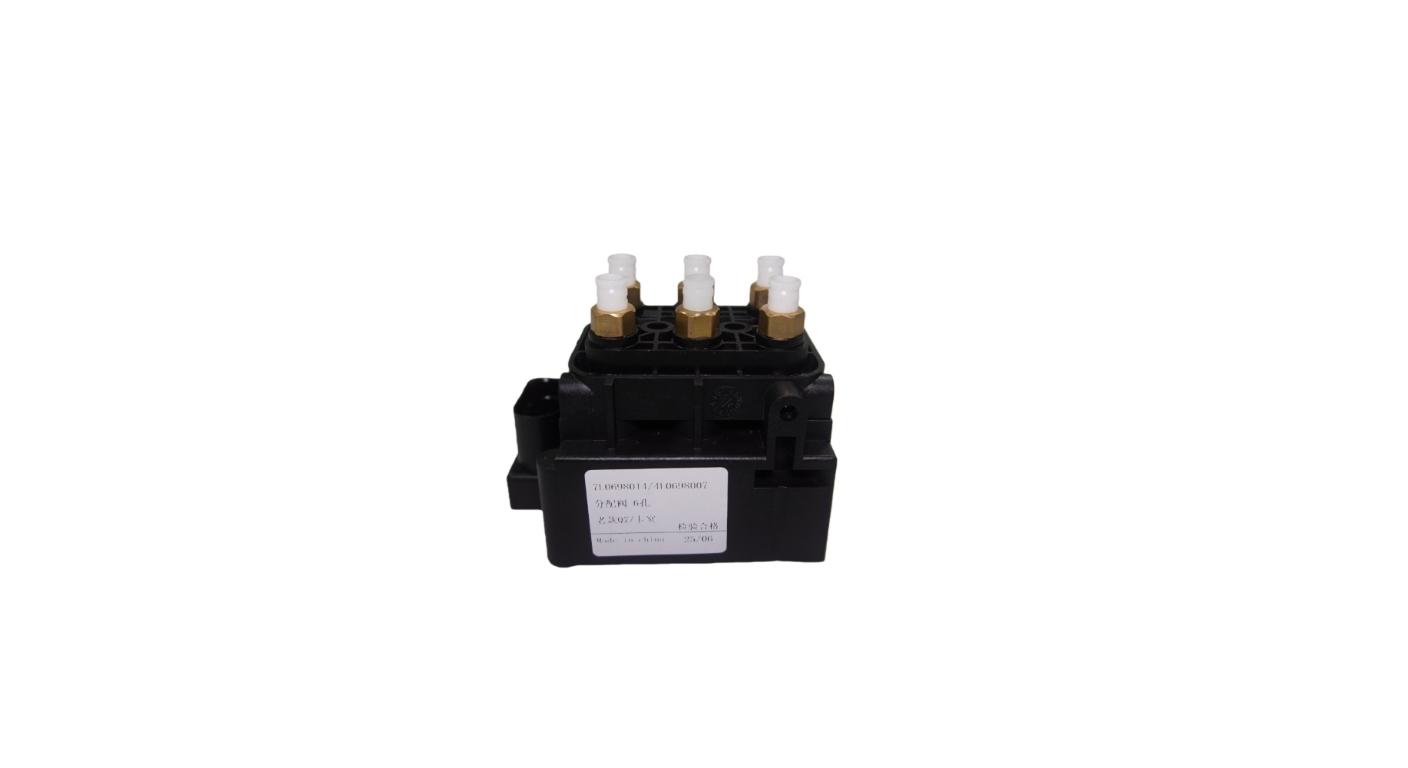
Using a vehicle's name alone to order a car air suspension valve block, can result in an expensive mismatch. Although the housing might be the same, the replacement might require a different circuit location, pneumatics, electrical connection or fittings. Those differences have significance prior to the box being opened at workshop.
Turning a confirmed replacement need into an accurate order is the challenge for parts counter, parts distributors, and workshop buyers. This guide describes how to interpret the information provided by an application, compare interfaces, handle ambiguous references and provide the installer with a component whose identity is known.
Construct a question around an identified part
Begin with the replacement request by the technician. A valve block order must specify the component requested, not simply replicate what the customer has complained about, e.g., uneven height or when the suspension tail end plays out too slowly. Fault diagnosis and parts identification are similar and closely related, but one cannot substitute the other.
Gather information about the vehicle, the original suspension setup, the label and where it was installed. Note if the removed unit is thought to be original or a previous replacement as the markings may require more analysis.
HUIJIE's car air suspension valve block series offer vehicle applications and replacement code. Utilize the catalogue and make a shortlist and after that seek confirmation of the actual vehicle. A wide category match can be used for searching but isn't enough for order release.
Read the Reference as well as its Context
Use the exact part number as listed, including the part suffixes, letters and separators. Don't cut it short because the first digits are the same in two listings. If the supplier is suggesting an alternate or superseding reference request for the reason of the match.
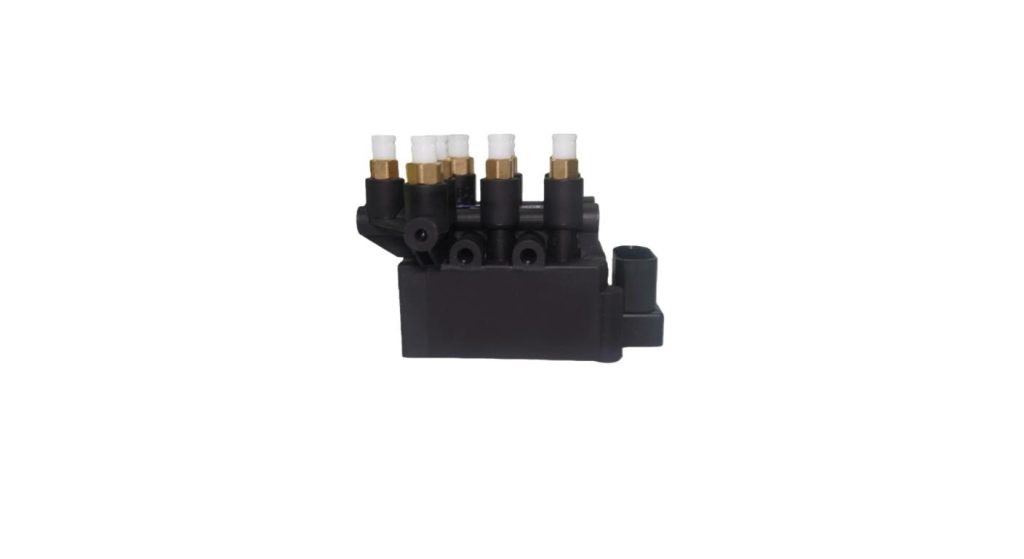
For instance, the reference of the valve block of Audi Q7 is 4M0616013A on HUIJIE. That reference is a better way to identify a specific product enquiry than, say, “Q7 valve block”, which does not distinguish for generation and equipment differences.
Label vs. supplier's written application information. If there is any part of a catalogue title, image or specification field that is not consistent, slow an order and inquire about it. Don't just select the field which you believe fits best your desired fitment without speaking out.
A part with an OE reference that appears in an aftermarket catalogue is also not necessarily an original vehicle-manufacturer part. In buying records and customer documentation, make sure that the manufacturer, the replacement reference and the application description remains separate.
| Reference Record | Information to Enter | Confirmation Status |
| Removed component | Complete label reference | Clear / Further identification |
| Proposed replacement | Supplier reference and stock code | Confirmed / Pending |
| Alternative reference | Proposed substitution, if any | Approved / Not approved |
| Application evidence | Vehicle and suspension details | Reviewed / Pending |
| Final order identity | Approved reference and date | Released / On hold |
Use I.N. like Identification Evidence
Interface descriptions may assist you to differentiate products, but are not comprehensive installation instructions. A function is not defined for each port nor is the internal routing between ports specified in a catalogue entry that contains information about the number of connections and their diameters.
As for an example of a product that has an application and interface specification, please refer to HUIJIE's Jaguar X351 valve block listing. When the purchasing decision is based on the notation, units and connection information, confirm these with the supplier.
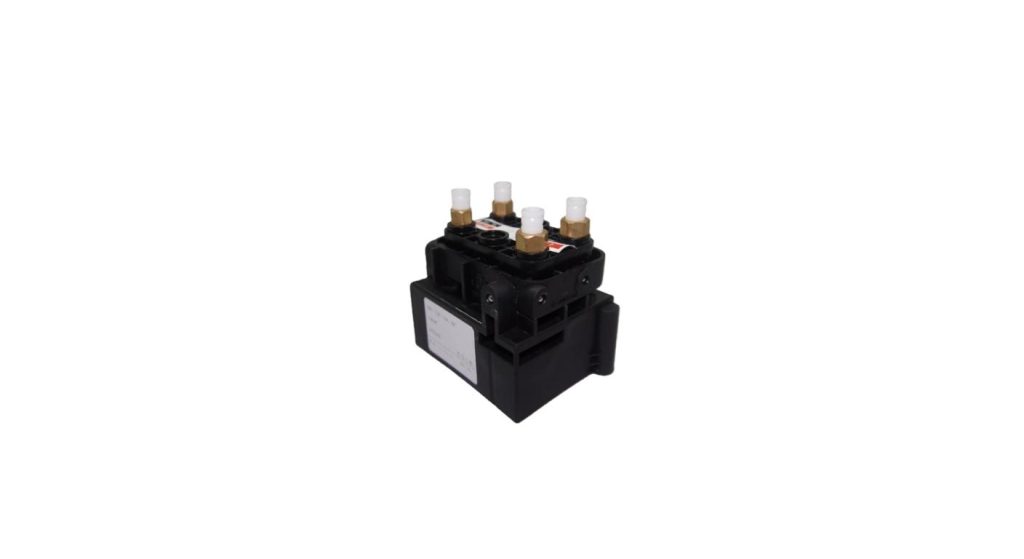
Look at more than just the number of ports. Check connection arrangement, electrical connector, mounting features and the entire configuration supplied. Two blocks that are both identified with the same visible outlet can be from different systems or circuit locations.
Don't include or use a supposed port map that is based on the photograph's orientation. The installer must have the appropriate documentation for the vehicle and instructions for the product. The identification is confirmed by a catalogue photograph, but not by visual similarity of the lines.
Position-Specific Blocks – Use separate stock records.
In some vehicle systems, more than one valve block is required and the position of the valve block may be a critical aspect of the application. If both a front and a middle unit are in the same brand of vehicle, they should not be combined as one item for stock because they are both part of the same vehicle.
To show this difference in position, HUIJIE has used its Land Rover valve block front listing. Explain the precise application and location prior to using as an alternative to another Land Rover distribution component.
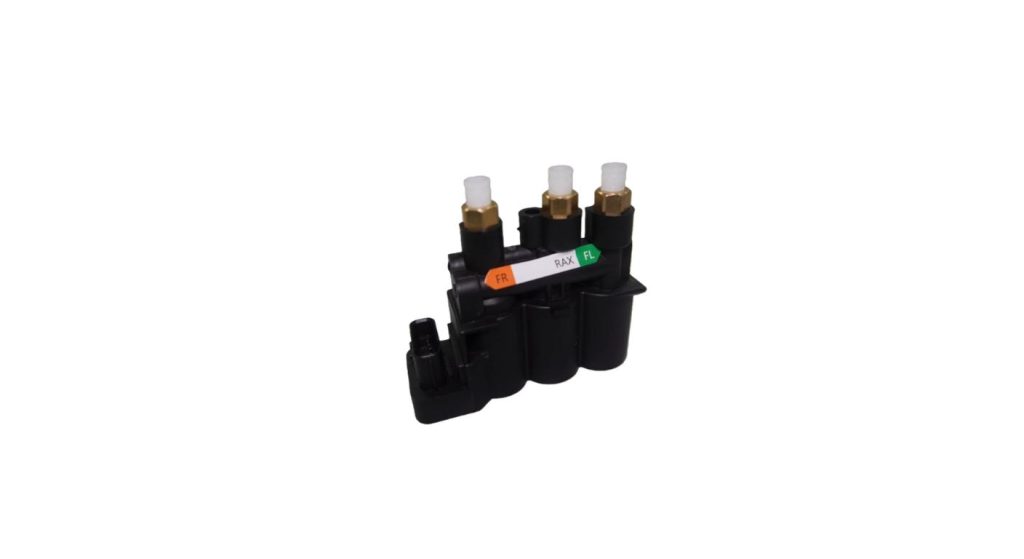
Wherever possible, put the position in the internal stock description. Keep supplier's reference as well as your own stock code so that workshop staff can follow-up the quoted item to its identity.
If multiple references are near each other on the shelf, employ packaging identification and controlled records instead of “nicknames” based on visual cues. Accurate stock descriptions should help to reduce the likelihood of a stock item being accurately purchased and being mispicked for the next repair.
To verify the contents of a box.
An apparently lower quotation may be for a different assembly and/or not include items that the installer expects. Check if the product provided contains the fittings, mounting parts, seals or other accessories illustrated in the photo and which must be purchased and transferred separately.
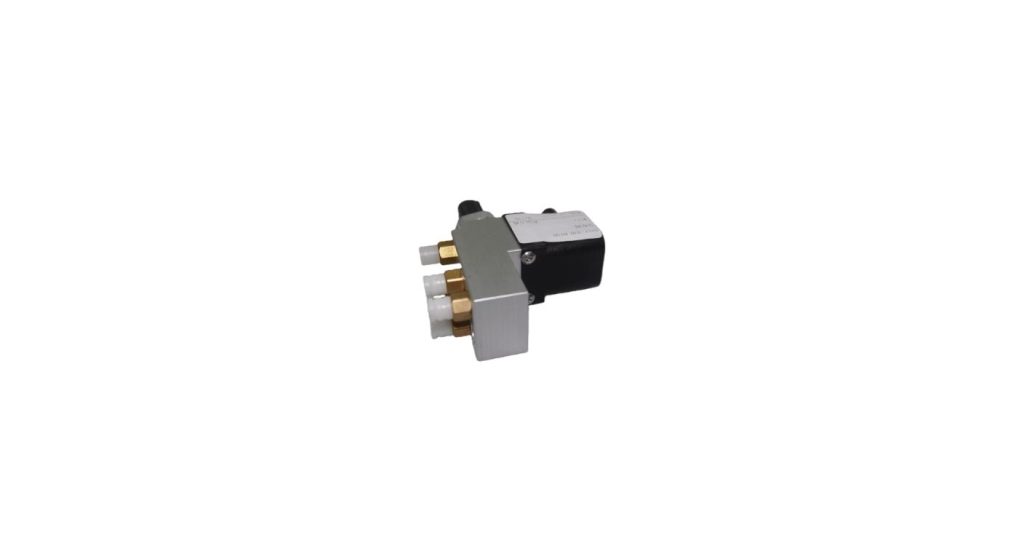
Another example in the range is the Mercedes-Benz W211 valve block listing that can be found at HUIJIE. Confirm against the specific unit offered, don't assume that all the valve blocks are going to have the same supply in the unit.
Request product directions and information for inspection. Machining, sealing, solenoid construction details on pages of valves are described by HUIJIE, but should never be interpreted as an unsupported promise of a specific service life or material specification in general.
Note down agreed substitution prior to dispatch. If contents or interfaces are not as per the approved photograph, the buyer and workshop should be aware of that prior to the installation appointment and not during the vehicle dismantling process.
Complete a Pre-Installation Identity Check.
Upon receipt, check the packing list, packaging label and buying order. Ensure that the reference, quantity, visible interfaces and items are as per agreement. Keep clear photos, if something needs further explanation.
Set aside an uncertain part until it can be cleared up and determine if it is approved stock. Don't machine the housing, change fittings or modify the connector to alter an unconfirmed unit to look like the removed one.
The installation and commissioning should then be carried out according to the relevant procedure in the workshop. Identifying it correctly helps to avoid unnecessary issues but does not take the place of correct line routing, connection handling and functional checks on the vehicle.
Keep order confirmation, any technical clarifications with the job reference. These records serve as a good foundation for considering a subsequent issue without having to go back and check an older catalogue page or remember.
Convert Confirmed Fitment To Better Repeat Orders.
If the confirmed application is recorded precisely, then for the distributors a completed order can help with the subsequent enquiry. Leave the Vehicle Context, any reference provided, any contents agreed and any significant exclusions in the stock record.
Don't go beyond the evidence in expanding that record. If a vehicle has been successfully installed, a vehicle of the same model year/trim/option (suspension) does not necessarily mean it will install or function successfully.
During reordering, ascertain if there has been a change in the proposed configuration/reference. Don't take the fact that the product has the same name for granted, inquire from the supplier about differences.
Repeat supply is more reliable with accurate catalogue interpretation, controlled stock descriptions, clear supplier confirmation.
| Stock Record Field | Required Entry | Picking Check |
| Internal stock code | Unique inventory identifier | Match order line |
| Supplier reference | Complete approved reference | Match package label |
| Application qualifier | Confirmed chassis or equipment restriction | Match customer request |
| Position qualifier | Applicable installation location | Confirm before release |
| Record revision | Latest review date | Check for updated information |
Conclusion
The right car air suspension valve block order provides a full reference to the right vehicle, circuit location, interfaces and contents provided. Clear up any doubts prior to sending out and confirm the item received before installation. That process aids to transform a recognizable looking part into a precisely documented replacement.
FAQs
Q1. Will the name of the vehicle model be sufficient to order a valve block?
No. Check the original source, the type of suspension and the place where it is installed. The names of models are general and could have various uses.
Q2. Are same number of ports, same number of ports?
Not all routing, wiring and mounting are identical. Take a look at entire app and interface info.
Q3. If a suffix is not included with the part enquiry, should it be included with the part?
NO! Keep the full reference. If the supplier has suggested a different or replacement material, request an explanation of the proposed material from the supplier.
Q4. Have all of the fittings listed in the photo been ordered?
Not necessarily. Set in writing contents that are being provided. Define what is required as individual items prior to scheduling for installation.
Q5. Does a single installation count for the wide catalogue?
No. Write down the application accurately with confirmation. More vehicles/sets require their compatibility to be confirmed.


Contact Us
In This Article
- 1 Construct a question around an identified part
- 2 Read the Reference as well as its Context
- 3 Use I.N. like Identification Evidence
- 4 Position-Specific Blocks – Use separate stock records.
- 5 To verify the contents of a box.
- 6 Complete a Pre-Installation Identity Check.
- 7 Convert Confirmed Fitment To Better Repeat Orders.
- 8 Conclusion
