


Air Ride Suspension Spring: Recover Ride Height and Check Comfort
An air ride suspension spring is used in a vehicle to carry the load of the body of the vehicle at the desired height and allow the suspension to move. Faults in the original system result in a loss of comfort and are typically referred to by the owner. However, relieving discomfort isn't as simple as just replacing the rubber part.
The relevant question for workshopers and vehicle owners is: what should the spring replacement restore and what are the other parts that affect this? This guide links spring function, vehicle configuration, and post-repair assessment, through the lens of the context of HUIJIE's range of passenger-vehicle replacements.
Set expectations for a successful repair, which includes how it should feel.
Pay attention to the owner's complaint. Is there any abnormal behavior of the vehicle after parking, when driving on a uneven road or when carrying passengers and luggage? These observations are useful in guiding the workshop to determine an investigation, and in and of themselves do not identify the failed component.
Determine the repair goal first, and then discuss parts. A factory-system restoration is designed to restore the car to the height control and suspension characteristics it had when it left the factory. Does not necessarily mean a softer ride, lower ride height or more load capacity.
Make note of the circumstances under which the complaint arises.
| Observation | Details to Record | Supporting Evidence |
| Parked vehicle appearance | Location and time noticed | Dated photographs |
| Reported ride concern | Road type and driving condition | Customer description |
| Passenger or luggage condition | Typical loading when noticed | Job intake notes |
| Warning message | Exact message and occurrence | Dashboard photograph |
| Previous suspension work | Date and available repair details | Earlier invoice or job record |
Describe Where the Spring is Supporting the Vehicle
In an air spring, the air is compressed in a flexible assembly which provides spring support. How it functions is dependent on the way it is designed and how it is functioning. Appearance alone is not enough to determine if the rubber sleeve, piston design and enclosed air volume is equivalent.
The spring is used in conjunction with air supply, distribution, sensing and control elements in a factory air suspension system. Does not automatically determine the height of the vehicle. These connected functions need to operate properly in order for the system to function in the desired condition.
HUIJIE's air suspension spring line comprises of replacement springs, and pneumatic repair kits for some selected passenger vehicles. The category is merely a guide to which product type is appropriate and not a fact that all springs work equally well on all air suspension vehicles.
Do not apply Spring Support From Damping.
The spring is used to carry the load and permits the suspension to move. That movement is controlled by the damper. Thus, a vehicle can be restored to its normal standing position after pneumatic repair and still have a poor handling and feel because another suspension element is still not functioning properly.
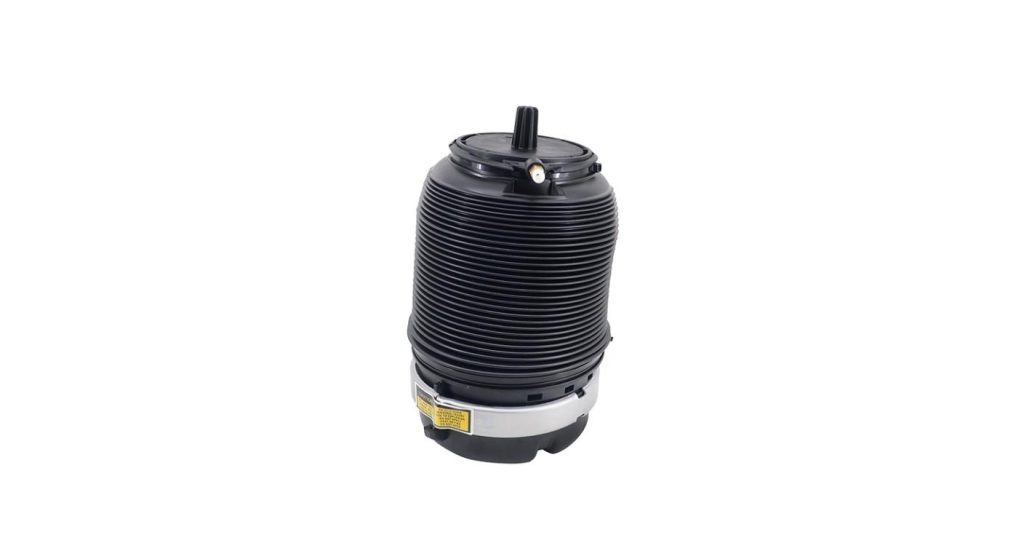
Certain layouts feature individual springs and dampers, while others incorporate a combination of both springs and dampers into an air strut. Another type of replacement spring in HUIJIE is the Bentley Mulsanne rear air spring. Its use is not meant to replace the complete damping system of the vehicle.
Prior to any approval for a spring-only repair, have the damper and any other components to be retained examined by the workshop. The scope of the repair may change due to oil leakage or damage, and/or insufficient damping. An unrelated mechanical defect cannot be corrected with a new pneumatic sleeve.
Explain this distinction on the estimate (1 point). It explains to the owner that the solutions for height loss and to address all ride quality issues can be different, and yet the problems are lumped together under the umbrella of “the suspension.”
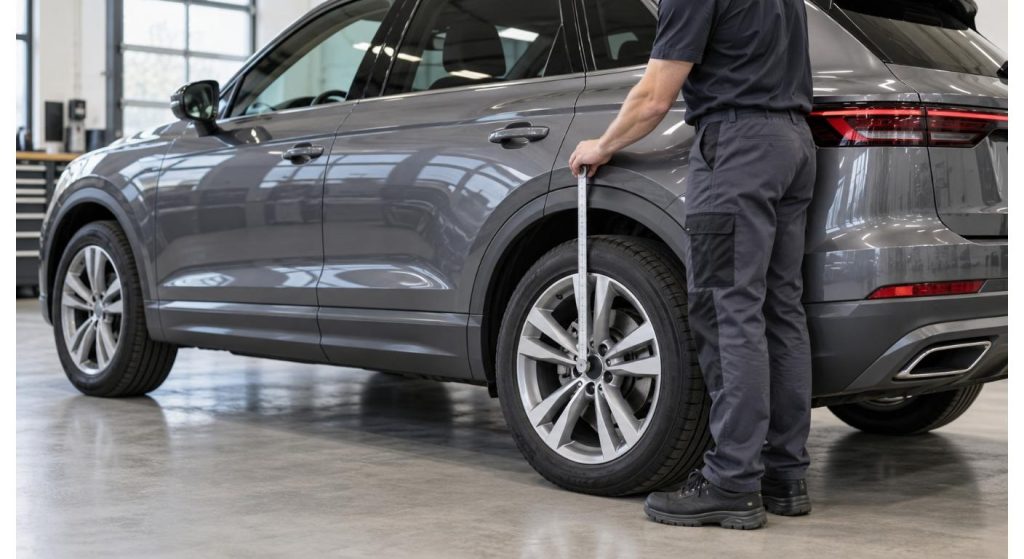
The match mode will match the Original Suspension Configuration.
When choosing an air ride suspension spring, you should choose the one that is appropriate for the suspension equipment and installation location of the vehicle. Just the name and year of the model may not be enough to cover differences in the configuration. Confirm with original reference and appropriate vehicle ID information the proposed replacement.
HUIJIE's BMW X5 E53 repair kit is designed for front left. That qualification is important: If they have the same model name, the buyer shouldn't assume the listing applies to all E53s.
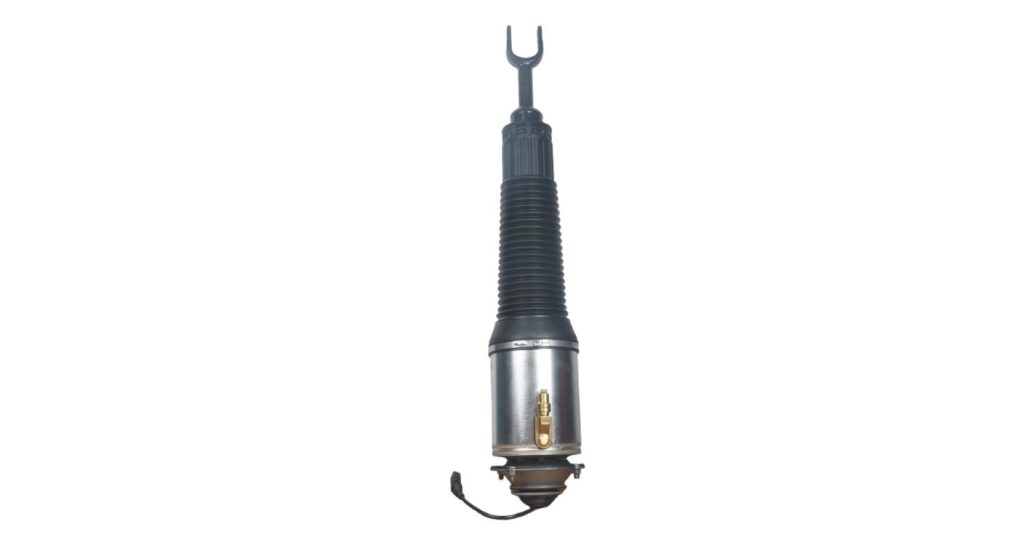
This is true of left or right, front or rear or spring-only versus full assembly supply. Do not demand the installer to modify a part when he/she does not understand it.
When replacing the system with one that restores the original system, the applicable "suspension configuration" should also be preserved. Never assume that it does anything to the approved payload, ride-height settings or electronic damping functions without supporting information.
Check Assembly beyond Rubber Surface
The complete spring assembly should be inspected, although visible cracking or abrasion may be an indicator to an inspection. All of the elements of connections, seating features, end components, sealing interfaces, etc. all add to the installed result. Clean looking sleeve does not necessarily mean that the surrounding assembly is serviceable.
On the pages of relevant springs and repair kits, HUIJIE introduces the reinforced rubber sleeve, crimping ring, structural components and leakage inspection. Purchasers must inquire about the construction and checks which are relevant to the specific reference they are purchasing, not just the contents of the DVDs which they may find on the internet.
Don't make those descriptions into a universal service-life promise. The condition of the vehicle, installation, operating environment varies. If the durability is a key factor in the buying decision, ask the relevant evidence and conditions for acceptance.
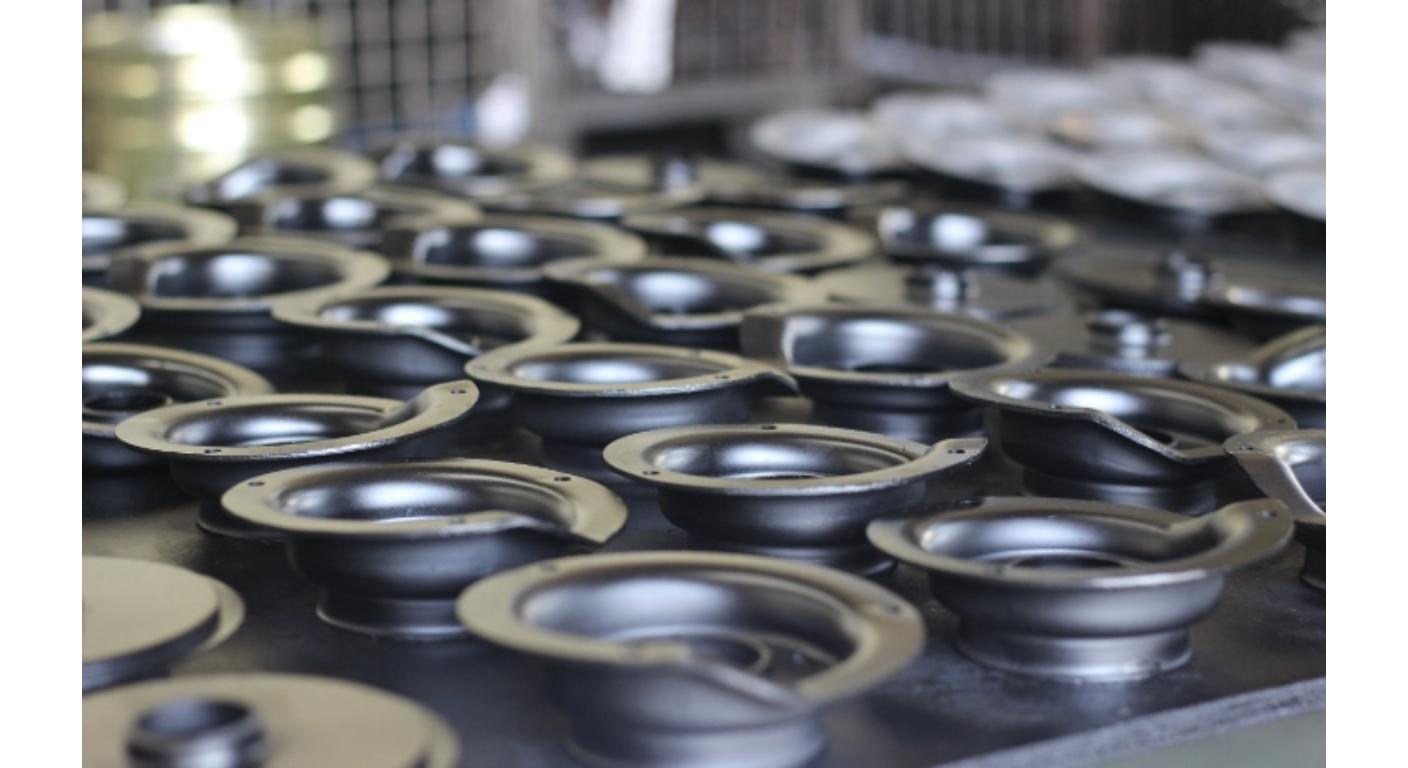
The context of the manufacturing is given through the factory gallery, and the information regarding the products sets what the workshop receives. Make sure with the repair procedure they need which seals, fittings, or related items are required.
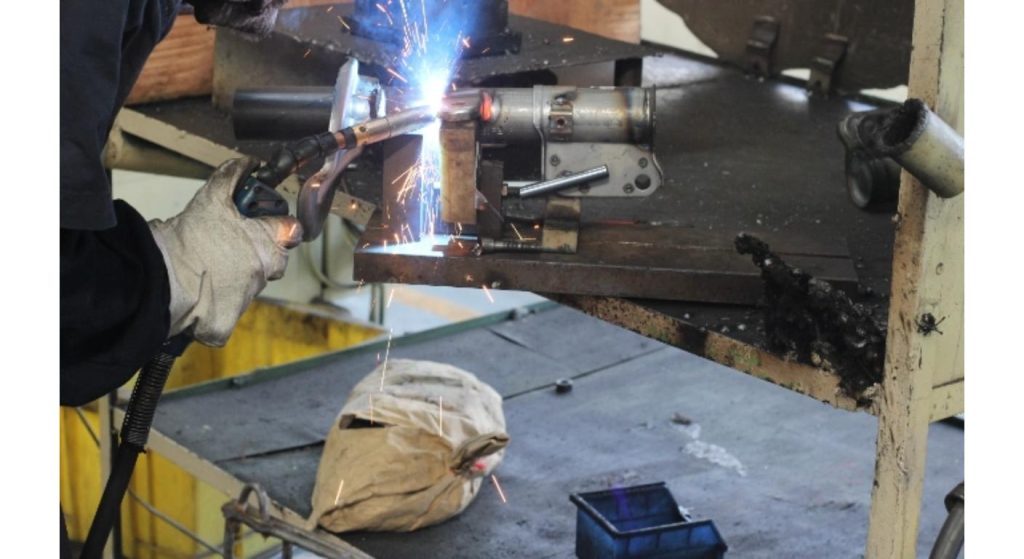
When installing the Replacement during the installation process, it is important to protect it.
Installation shall be made in accordance with the vehicle and replacement-part instructions, and should provide the necessary mechanical support and handle system pressure as required. Technician should verify correct seating and connection before going through the necessary inflation/activation procedure.
If there is another leak in the system, it will be there after a spring replacement. Test the appropriate circuit and fix any fault that has been identified, rather than just assume that the new part that's been installed has taken care of the issue. If the compressor is switched on repeatedly, it is advisable to investigate the cause of this.
If it is a repair kit, the condition and preparation of the components that are left in place are important. Ensure scope is agreed prior to work commencing. Rebuilding the pneumatic section is not the same as a full replacement strut and the work and parts used may vary.
HUIJIE's full air suspension assemblies are an alternate category of product for situations where the diagnosis indicates that a wider replacement is desired. Select the scope based on application and results - not necessarily the lowest up-front part cost.
Use the positive and negative side of the scale to evaluate the height and ride separately.
Perform the necessary checks and any initialization and/or calibration, as described in the vehicle, after installation. Ensure that there is a satisfactory test condition resolution of the original height-related complaint. Don't use the same pressure and/or height for all models.
Next evaluate the ride concern by the proper inspection and road-test procedure if applicable. As a comparison point use the original complaint and note what is still not done separately from the spring repair completed.
This allows the owner to get a more clear cut handover as what was replaced, what was kept from the original and what was verified. Additionally, it is a great resource to have for the workshop in case symptoms ever return or another suspension becomes evident at a later time.
| Handover Item | Workshop Entry | Customer Explanation |
| Parts replaced | Reference and installation position | What was renewed |
| Components retained | Recorded component details | What remains in service |
| Checks completed | Job record reference | What was verified |
| Remaining concern | None / Description | What needs further investigation |
| Follow-up arrangement | Not required / Agreed date | Next action, if applicable |
Conclusion
A successful air ride suspension spring replacement adds back in the intended pneumatic support in a suspension system that is working. Balance the original set-up, check damping components remaining, and height individually. That way, the selected piece is related to a realistic, explainable repair result.
FAQs
Q1. Will a new air spring always make the ride softer?
No. The desired outcome is to restore to the application. Other factors affecting ride quality include dampers, tires and so on.
Q2. If so, is the air spring a self-contained ride height control unit?
No. It operates in a car's sensing, control, and pneumatics system. Not all of the control-related faults can be resolved by a new spring.
Q3. Is there a spring repair kit that will replace the entire air strut?
Not by itself. Repairs the indicated pneumatic section, retaining other components. Check and verify their status and permissible procedure.
Q4. Can it be assumed that both the left and right springs are the same?
No. Compatibility will depend on the application. Please check the installation location and reference prior to ordering.
Q5. What should the workshop check for following the replacement?
Complete Vehicle functional checks and any necessary calibration as per the Vehicle procedure. Establish if the original complaint is correct and note any unresolved issues separately.


Contact Us
In This Article
- 1 Set expectations for a successful repair, which includes how it should feel.
- 2 Describe Where the Spring is Supporting the Vehicle
- 3 Do not apply Spring Support From Damping.
- 4 The match mode will match the Original Suspension Configuration.
- 5 Check Assembly beyond Rubber Surface
- 6 When installing the Replacement during the installation process, it is important to protect it.
- 7 Use the positive and negative side of the scale to evaluate the height and ride separately.
- 8 Conclusion
