


OEM Air Suspension Compressor Supplier: Turn Requirements Into Approved Orders
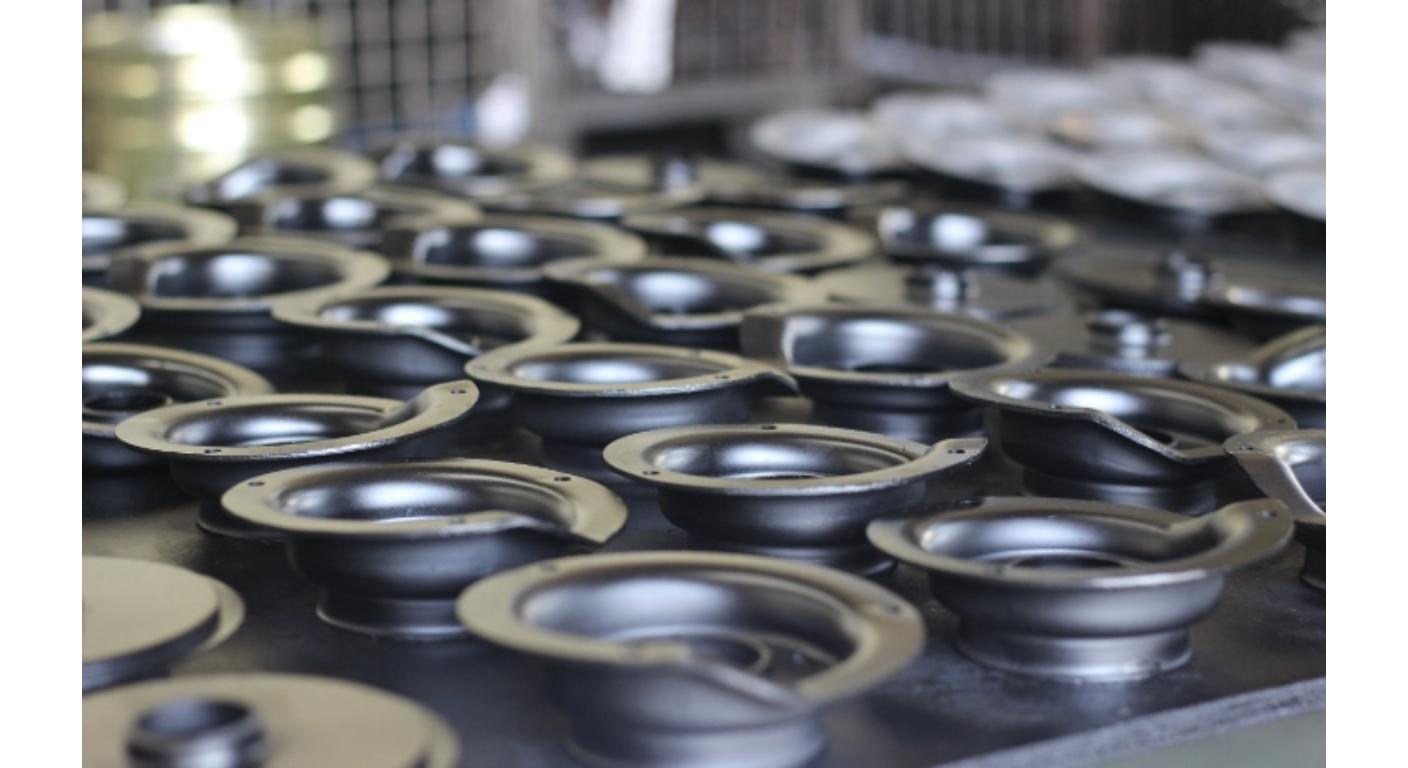
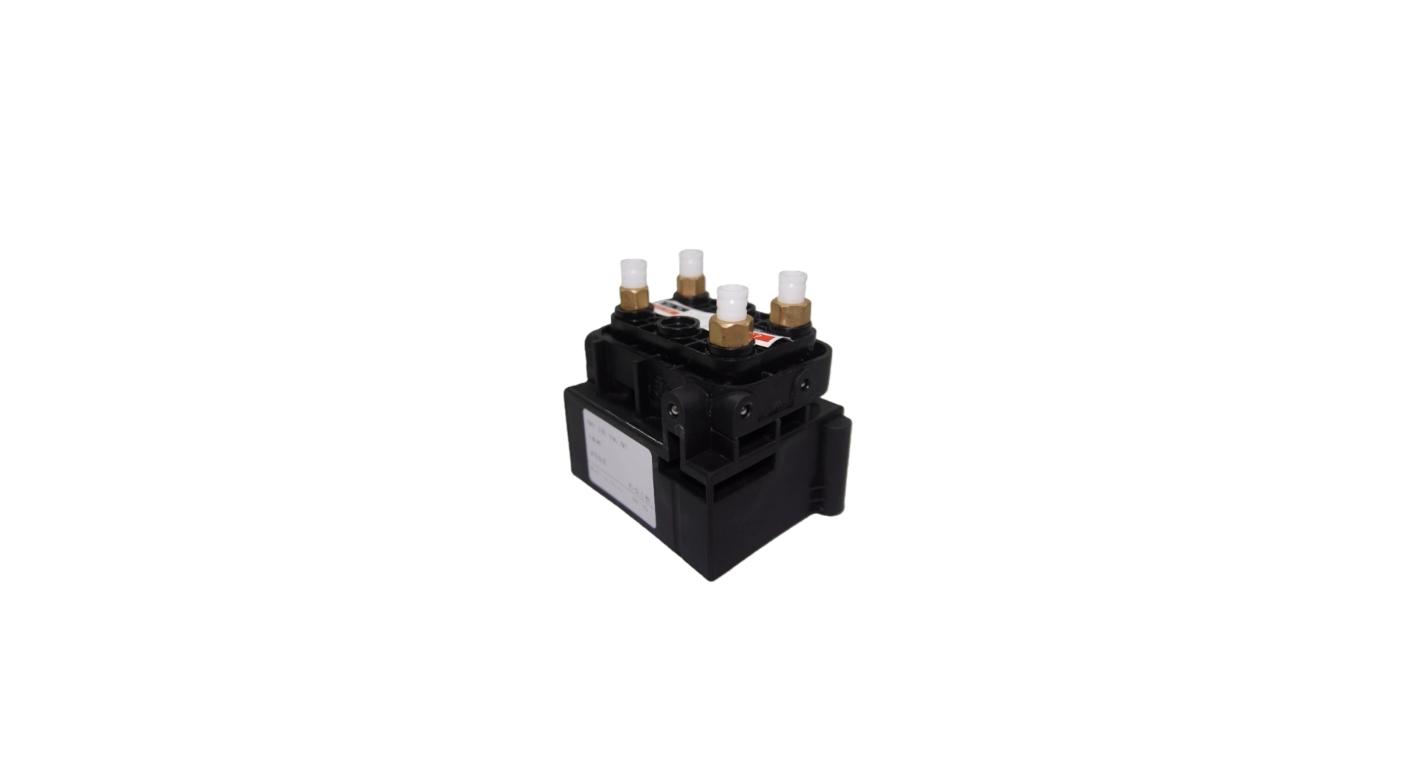
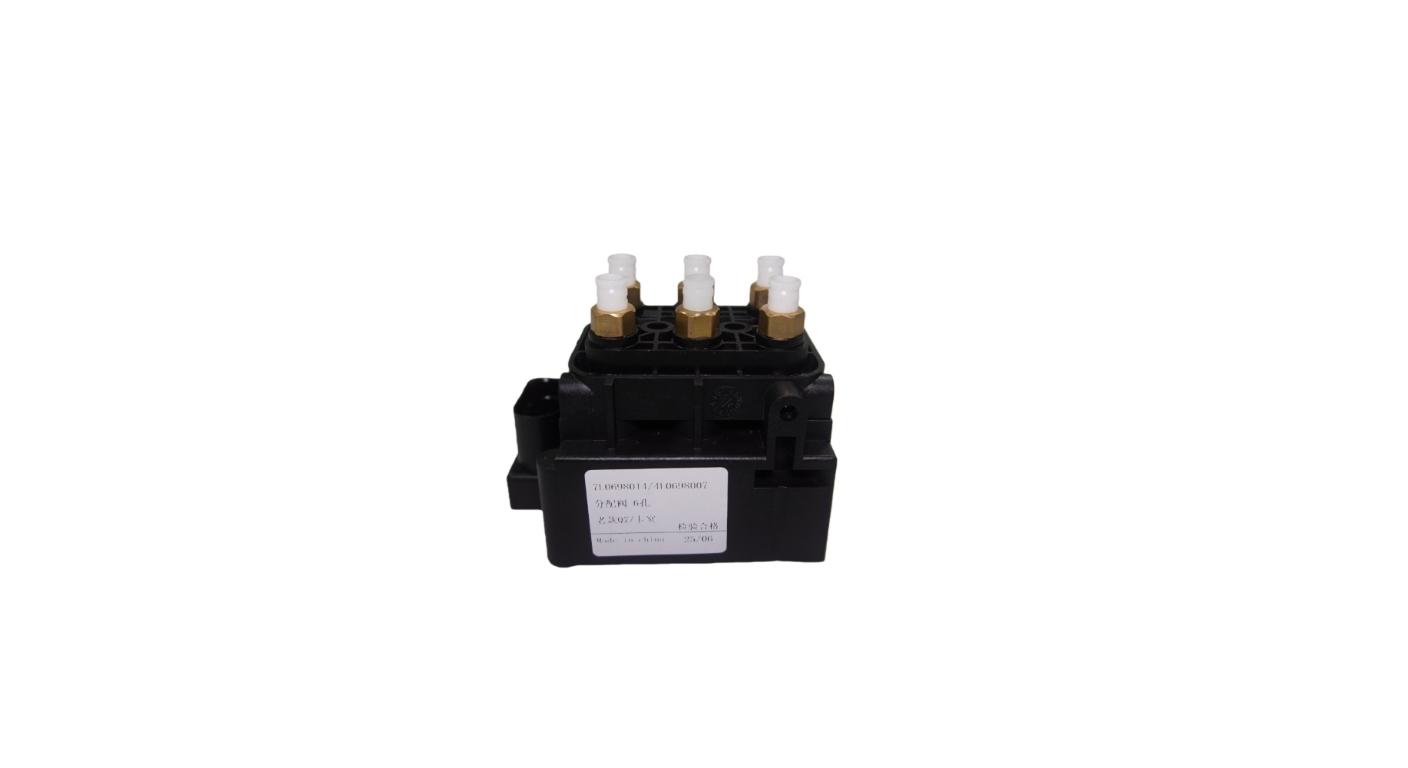
The first thing that needs to be done when selecting an OEM air suspension compressor supplier is to determine the needs of the project. The existing replacement pump, a supply programme with a specific brand and the modified compressor assembly are separate purchasing requests. They require different specification, evidence and decisions for approval.
A helpful supplier discussion converts a supplier enquiry into a supplier product baseline, which then is agreed by the automotive brand, importer or project buyer. This guide offers insights into determining this baseline, distinguishing between catalogue supply and engineering change, and approving samples prior to bookings for repeat orders.
Expand What OEM Means in the Enquiry
OEM may be used as a reference for original vehicle production, for manufacturing to a customer's specifications or it may refer to replacement applications. Those should not be combined in a quotation or product description.
An OE number that is found in an aftermarket listing will assist in matching an application. It does not imply that the vehicle manufacturer or the component being offered is a genuine branded component is being supplied by the seller. If the original equipment origin is an important purchasing criterion, request documentation with regard to this criterion.
The HUIJIE's catalogue of air suspension compressor displays the replacement pumps that have vehicle applications and reference numbers. Use it as a basis to evaluate products available. If there are separate projects for OEM manufacturing or development it should be described and confirmed as separate projects.
Select Between an Existing Reference and Change the Design
Check if there is any catalogue product which already fulfils the requirement. If it is, then qualification can concentrate on the proposed reference, supplied contents and supporting information and commercial arrangements. Don't develop an engineering project for something needed repetitively that can be supplied already.
For instance, HUIJIE provides a vehicle-specific replacement of BMW E61 air ride compressor. If a buyer is interested in that application he/she may start with the reference listed here and inquire for the specific configuration that was supplied.
Explicitly specify any change needed to the mounting arrangement, electrical interface or performance target for the project. Don't expect that changing one aspect of the original application approval will not affect the rest.
Distinguish between desired changes and those changes that can't be made. This enables the supplier to gain an understanding of the viability and also to avoid an initial idea being accidental production specification.
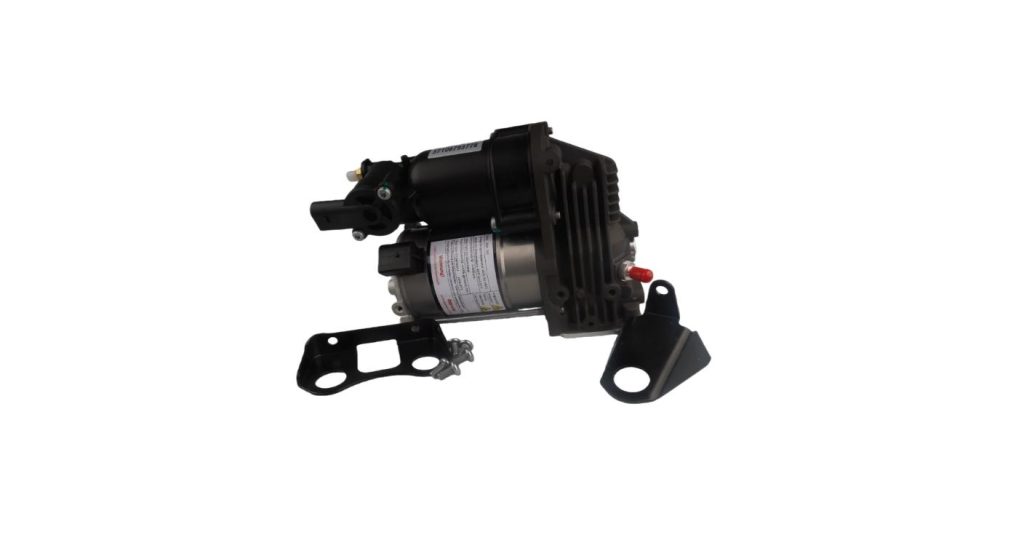
Put together a Technical Brief That Can Be Quoted.
A technical brief is provided, which outlines the vehicle or system being proposed, installation parameters, interfaces, desired performance and predicted demand. It must differentiate between an essential requirement and a 'nice to have' and specify information that is not closed.
The publications of HUIJIE's compressors refer to the enquiries of customization about the voltage, pressure capacity, airflow, mounting design, the dryer integration, the electronic interface, etc. It also requires feasibility to be verified based on drawing, performance target and volume. Use these as points of discussion about projects and not as guarantees that all combinations are accessible.
Include drawings with revision identification and descriptions of the status of any physical sample submitted. Is it a reference to dimensions, acceptable performance or an assembly that should be reproduced? The sample should not function in a "silent" manner to all three roles.
Request supplier to include assumptions and exclusions with the quotation. An unambiguous answer that relates to a not fully defined interface will be more helpful than a seemingly complete price that is based on an unstated assumption.
| Project Deliverable | Buyer Responsibility | Supplier Responsibility |
| Application requirements | Define intended use | Identify questions and exclusions |
| Proposed configuration | Review suitability | Submit proposed product details |
| Evaluation plan | Confirm acceptance requirements | Confirm available tests and records |
| Sample assessment | Record approval decision | Identify sample configuration |
| Outstanding actions | Assign buyer-side owner | Assign supplier-side owner |
Differentiate Routine Inspection from Project Validation
There is a difference between supplier testing and buyer approval. Production is checked routinely, against defined requirements. Project validation is to determine whether the proposed project is suitable for the intended use in the agreed conditions.
According to relevant pages of the products in HUIJIE compressor, there are working current and voltage tests. Inquire about the condition(s) and acceptance criteria for a specific proposed reference. The above statement should not be turned into an unqualified statement that all environmental or endurance requirements have been verified.
In the case of a modification, determine additional evidence required prior to approval. State the purpose of the test, conditions, sample to be tested and acceptance criteria. If the result is not available, then determine who will make the evaluation and when it will be determined.
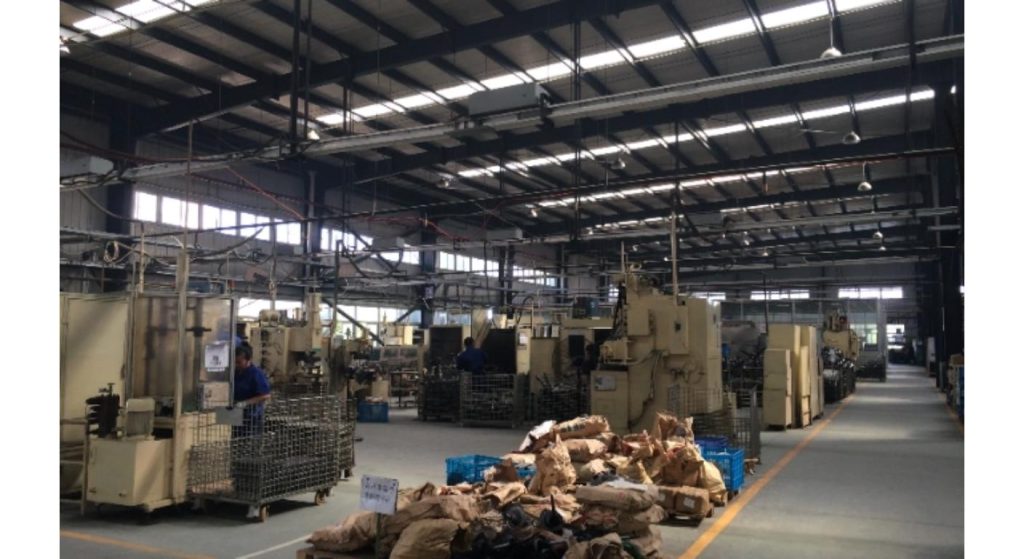
The factory gallery can be used to discuss the activities in the factory. Nonetheless, calibrated measurement results and process capability, and compliance to a customers specific validation plan can only be determined through the use of photographs in combination with other data. Ask for images that fit the specific project – don't take factory images.
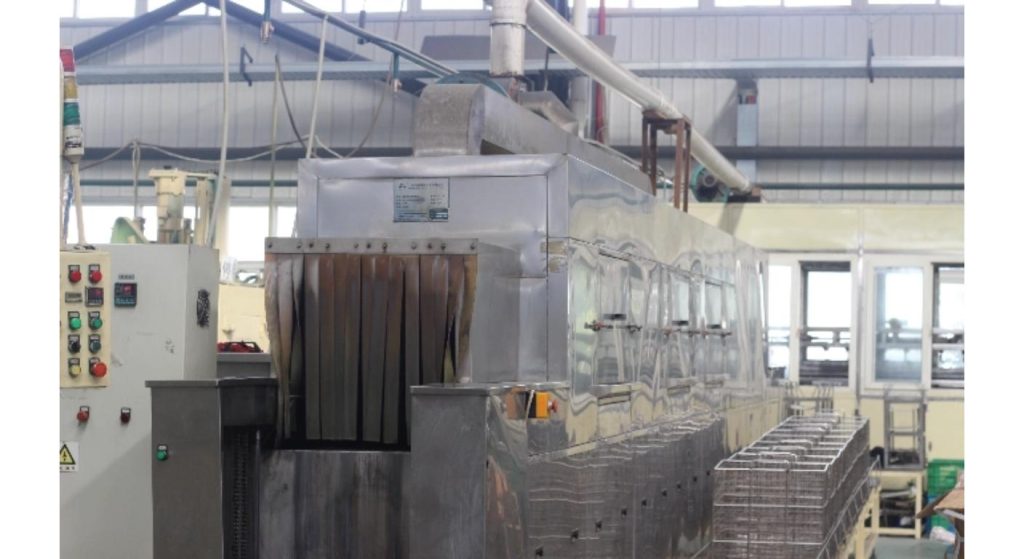
Once you have reviewed the Sample, you can Approve it as a Defined Configuration.
A sample should be a record of a known configuration, including reference, drawing revision, parts supplied and known variations. If not it may be harder to apply the approval to future shipments.
Another example of an existing product for a particular application is the Range Rover compressor listed by HUIJIE. A sample enquiry should specify exactly the unit to be proposed (e.g. a compressor for a vehicle brand) and not ask for an unspecified compressor for the brand.
Agree the process of fitment and functional suitability checks (with qualified personnel and service or project procedures). Document the outcome, and clear up any differences prior to approving recurring orders.
When accepting a sample conditionally, clearly indicate what the condition is. Approval to do dimensional review does not constitute approval for durability, packaging or production release. Be sure to stick to evidence that has been read.
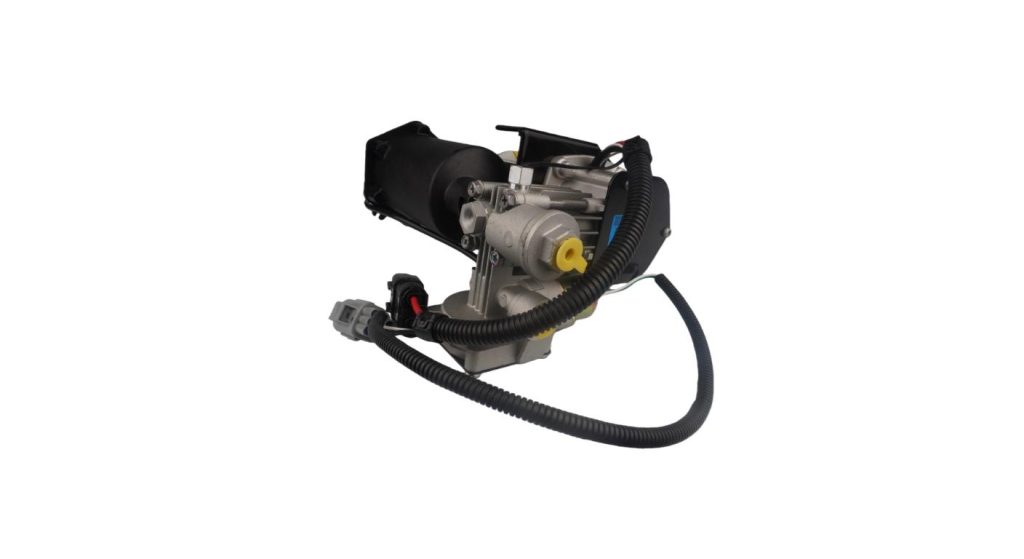
Separate Approval Items: Make Branding and Packaging.
A private label request can involve a change of carton artwork and product identification, but do not involve a change of the compressor itself. However, even packaging that is neutral may have an impact on the product due to an engineering modification. Maintain separate lines of authority.
Check if the proposed brand/packaging service is available for the order. Coordinate artwork, label information, reference mapping and documentation to installers. Don't presume that a catalogue quotation includes custom packaging.
If special tooling/fixtures and/or development work is proposed, identify who owns the equipment, who is responsible for its maintenance, what charges apply, and who is allowed to use the equipment. These are project terms that need to be negotiated, not capabilities or commercial commitment assumed from a supplier's Web site.
Repeat Orders against Approved Baseline Control.
Check the purchase order against the product configuration in the order and agreed inspection requirements prior to letting out production. Specify the number of items, shipping method, packaging type and paperwork required with the shipment.
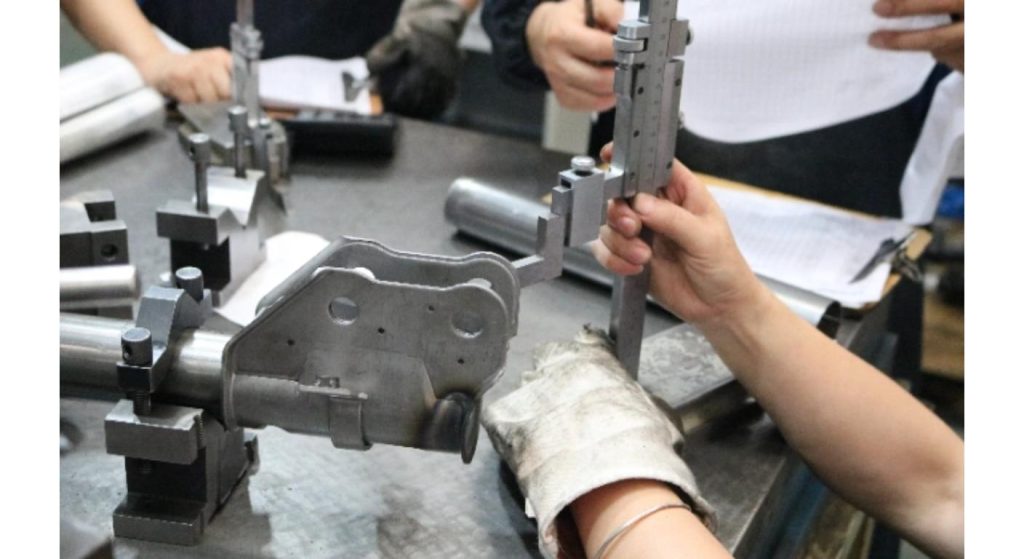
Determine the methods of communication for changes. A substitution, such as the motor, dryer, connector, bracket or other relevant component, should be considered against approved requirements prior to the introduction of the substitution into the supply programme.
Maintain a Technical Route for technical enquiries and discrepancies and the appropriate records for identification of affected products. Clear responsibilities enable investigation of issues by the buyer and supplier without the need to create a project from emails and photographs.
Any commercial forecast should also differentiate between forecasted demand on an annual basis and committed orders (quantity). Do not assume minimum quantities and/or guaranteed lead times, but discuss batch sizes and delivery planning and any development charges against the actual programme.
| Release Document | Reference to Record | Approval Status |
| Product specification | Document number and revision | Approved / Pending |
| Sample evaluation | Report or approval ID | Approved / Conditional |
| Inspection agreement | Inspection document revision | Approved / Pending |
| Packaging artwork | Artwork version | Approved / Not applicable |
| Purchase order | Order number and date | Released / On hold |
Conclusion
The assessment of an OEM air suspension compressor supplier ought to be made on the basis of a clearly-defined supply or development request. Define what OEM means, write down a suggested setup and tie in sample approval to production control. That provides a more solid foundation for cooperation than an ambiguous label or a specification claim with no supporting evidence.
FAQs
Q1. If a part is referred to as an OE, does it mean it is original-equipment supply?
No. May only be used to match for application. Ask for separate evidence if it is truly necessary for the purposes of origin or vehicle-manufacturer.
Q2. Is a repeat supply of a catalogue compressor possible?
Please request the supplier to verify the commercial terms and availability of the exact reference. Decide on the configuration to be given prior to recurring orders.
Q3. Can all the desired changes be made automatically?
Drawings, performance targets, interfaces and volume – need to be looked at. Don't assume a change is available to be used until you have received written confirmation that it is feasible.
Q4. Are new compressor designs needed for private labelling?
Not necessarily. Branding can relate to the packaging and identification alone. Agree separately the product and packaging scope.
Q5. What would sample approval be used to identify?
Write down the sample no., configuration, revision, evaluation results and conditions etc. Connect production release with evidence that is approved.


Contact Us
In This Article
- 1 Expand What OEM Means in the Enquiry
- 2 Select Between an Existing Reference and Change the Design
- 3 Put together a Technical Brief That Can Be Quoted.
- 4 Differentiate Routine Inspection from Project Validation
- 5 Once you have reviewed the Sample, you can Approve it as a Defined Configuration.
- 6 Separate Approval Items: Make Branding and Packaging.
- 7 Repeat Orders against Approved Baseline Control.
- 8 Conclusion
