


Air Suspension Compressor Keeps Running: Causes and Fixes

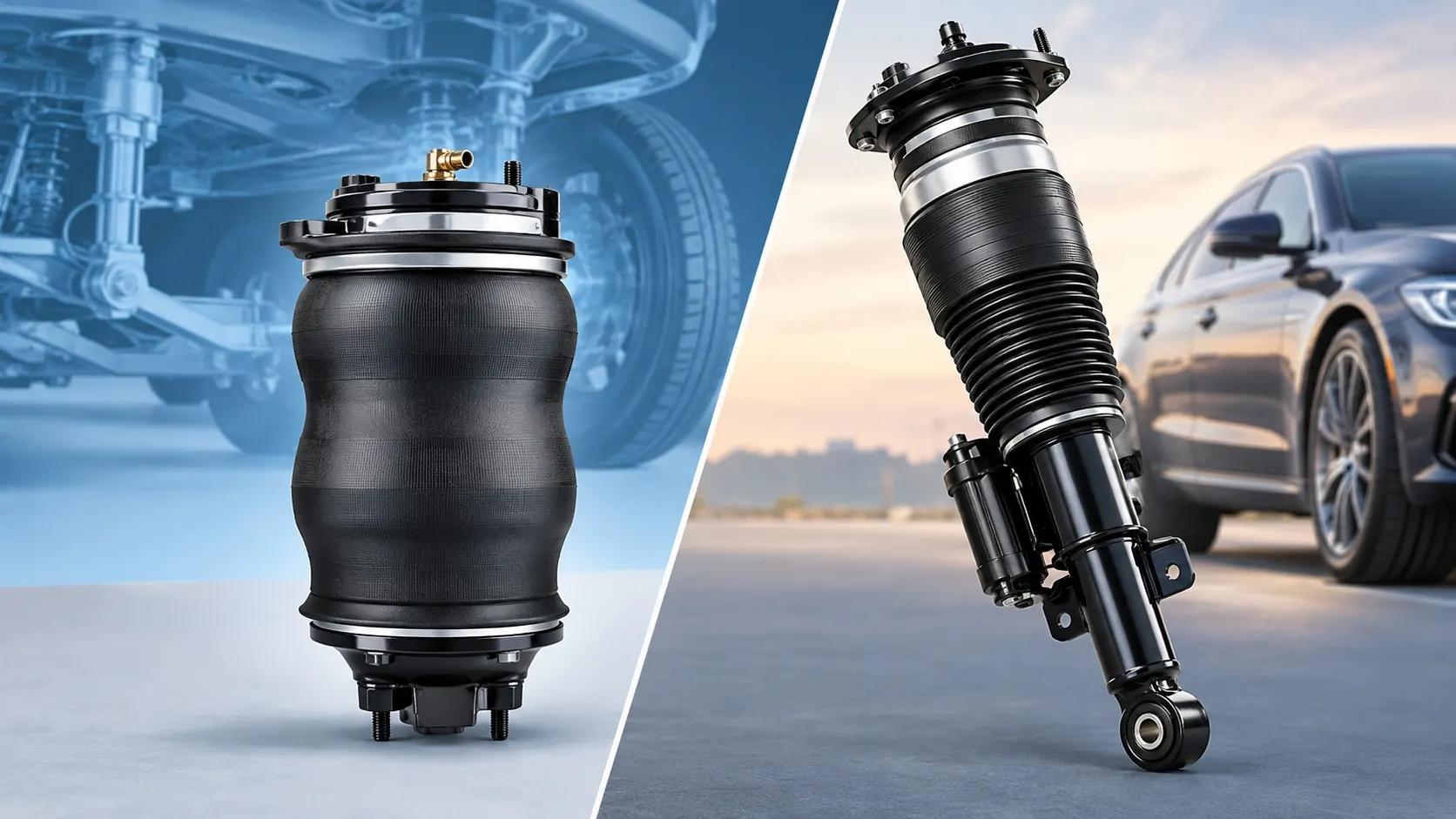
One of the most frequent indications of a vehicle's air suspension system problem is an air suspension compressor that continues to run. The compressor is designed to provide the compressed air to the air springs or air struts to maintain the correct ride height and driving comfort. When not in use, it is only active when required, and turns off when the system achieves the set pressure or ride height.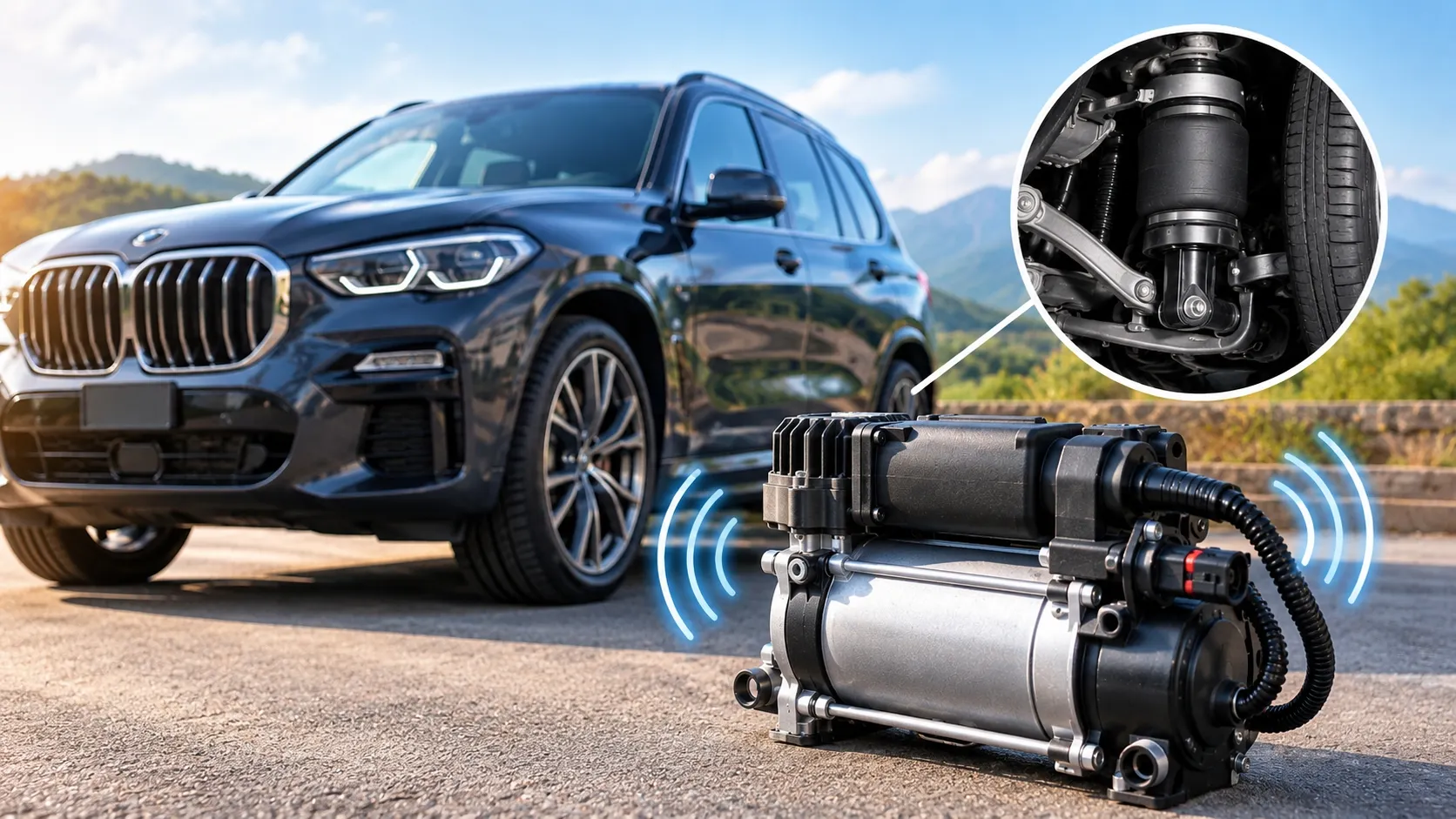
If the air suspension compressor keeps running, takes a long time to turn off or keeps running periodically while the vehicle is parked, the air suspension may have a leak, a leaky compressor, a faulty height sensor, or a problem with the air suspension control system. Failure to address these symptoms can result in compressor overheating, component failure and costly suspension repairs.
This guide will explain why an air suspension compressor continues to run, how to determine the issue and what steps vehicle owners can take to diagnose and fix the problem.
What Does It Mean When an Air Suspension Compressor Keeps Running?
An air suspension compressor sucks air into it, compresses it and pumps it out to the suspension system for vehicle height adjustment. Some vehicles also have an air reservoir, valve block, air lines, electronic control module, and height sensors.
The compressor might operate for a short period of time when the vehicle is started, to restore pressure or adjust ride height. It also may go into action whenever the load in the vehicle is changed by passengers or load.
But a compressor that turns on nearly all the time or that turns on, but does not attain the desired ride height is not working properly.
The term "continuous" typically refers to one of three scenarios:
-
The system is losing air faster than the compressor can replace it.
-
The compressor cannot generate sufficient pressure to meet the system’s requirements.
-
The suspension control system incorrectly determines that additional air pressure or height adjustment is necessary.
Some vehicles have specific operating conditions that allow longer compressor cycles. Therefore, the correct operating behavior should be checked against the manufacturer’s service information before concluding that the compressor has failed.
1. Common Reasons an Air Suspension Compressor Keeps Running
1.1 Air Leaks in the Suspension System
An air leak is one of the most common reasons an air suspension compressor runs continuously. Air springs, air struts, rubber bellows, air lines, and fittings can develop leaks due to age, wear, corrosion, or physical damage.
When air escapes from the system, the suspension control module detects that the vehicle has dropped below its target ride height. It activates the compressor to restore the required pressure. If the leak continues, the compressor may repeatedly run without solving the underlying problem.
Common symptoms include:
-
One corner of the vehicle sits lower than the others.
-
The vehicle sinks overnight after being parked.
-
The compressor runs more frequently than usual.
-
The suspension warning light appears on the dashboard.
To identify a leak, inspect the air springs and accessible connections for visible damage. A suitable leak-detection solution can help locate escaping air. Avoid crawling underneath a vehicle supported only by its air suspension; use properly rated vehicle supports and follow the manufacturer's safety procedures.
1.2 A Weak or Worn Air Suspension Compressor
The compressor itself may be unable to generate sufficient pressure. Internal wear, damaged seals, a failing piston ring, restricted airflow, or a worn motor can reduce its pumping efficiency.
As compressor performance deteriorates, the system takes longer to reach the required pressure. The compressor may continue running even when there is no significant air leak.
A failing air suspension compressor may produce unusual grinding, rattling, or excessive noise. It may also become unusually hot or trigger a compressor performance fault.
Replacing the compressor may be necessary if testing confirms insufficient output. However, technicians should first rule out air leaks, electrical problems, and restrictions that could make a healthy compressor appear defective.
1.3 Faulty Ride Height Sensors
Ride height sensors measure the distance between the vehicle body and suspension components. The suspension control module uses these signals to determine whether the vehicle needs to rise or lower.
A damaged sensor, corroded connector, loose linkage, or incorrect sensor calibration can provide inaccurate height readings. The control module may interpret these readings as evidence that the vehicle is too low, causing the compressor to keep running.
A diagnostic scan tool can help identify implausible sensor readings and related fault codes. If a sensor has been replaced or suspension components have been altered, the vehicle may also require ride height calibration.
1.4 Faulty Relay or Compressor Control Module
The compressor's electrical control system determines when the compressor switches on and off. A relay with contacts that have become stuck closed can keep supplying power to the compressor even when it should stop.
A malfunctioning suspension control module or wiring fault can also cause abnormal compressor activation.
If the compressor continues running after the vehicle reaches its normal ride height, an electrical fault deserves particular attention. A technician should check the relay, power supply, wiring, control signals, and module fault codes before replacing parts.
1.5 A Faulty Valve Block or Air Distribution Valve
The valve block directs compressed air to the appropriate air springs and may control how air enters or leaves the system.
Internal leakage, sticking valves, damaged seals, or electrical faults can prevent the suspension from maintaining pressure. Air may escape through an unintended path or fail to reach the correct air spring.
As a result, the compressor may repeatedly activate while the vehicle struggles to maintain its ride height.
Testing the valve block and individual suspension circuits can help determine whether the problem comes from the air distribution system rather than the compressor itself.
1.6 Restricted Air Intake or Damaged Air Lines
The compressor needs an adequate supply of air to operate efficiently. A blocked intake filter, kinked hose, damaged air line, or restricted fitting can reduce system performance.
When airflow is restricted, the compressor may take longer to build pressure or fail to reach the required level. Inspecting the intake system and pressure delivery components is an important step before installing a replacement compressor.
2. How to Diagnose an Air Suspension Compressor That Won't Stop
A systematic diagnosis can prevent unnecessary parts replacement.
-
Check the vehicle's ride height. Look for uneven suspension, a lowered corner, or a vehicle that struggles to rise after starting.
-
Listen for abnormal operation. Note whether the compressor runs continuously, cycles frequently, or makes unusual noises.
-
Inspect for air leaks. Examine accessible air springs, lines, fittings, and connections for damage or escaping air.
-
Scan for diagnostic trouble codes. Use a compatible diagnostic tool to read suspension faults and review live sensor data.
-
Test compressor performance. A technician can measure pressure buildup, electrical supply, current draw, and compressor operating time against manufacturer specifications.
-
Check the control system. Inspect the compressor relay, wiring, valve block, and height sensors as appropriate.
These steps help distinguish a mechanical air leak from a compressor failure or an electrical control problem.
3. Can You Drive With an Air Suspension Compressor Running Continuously?
Driving with a continuously running air suspension compressor is generally not recommended until the cause has been identified.
Prolonged operation can overheat the compressor, damage its motor, and shorten its service life. If the suspension cannot maintain the correct ride height, handling, braking stability, ground clearance, and tire clearance may also be affected.
Some vehicles automatically disable the compressor when overheating is detected. This protective function does not mean the underlying fault has been repaired.
If the vehicle is sitting unusually low, displays a suspension warning, or has significantly uneven ride height, stop driving when it is safe to do so and arrange a professional inspection. Consider roadside assistance or towing if the vehicle cannot maintain a safe driving height.
4. How to Fix an Air Suspension Compressor That Keeps Running
The appropriate repair depends on the confirmed cause.
|
Identified problem |
Possible repair |
|---|---|
|
Leaking air spring or strut |
Replace the damaged component |
|
Leaking air line or fitting |
Repair or replace the affected connection |
|
Weak compressor |
Repair or replace the compressor as specified |
|
Faulty ride height sensor |
Repair wiring, replace the sensor, or recalibrate |
|
Stuck compressor relay |
Replace the faulty relay after confirming the circuit fault |
|
Defective valve block |
Repair or replace the valve block |
|
Restricted intake |
Clean or replace the affected intake components |
|
Control module fault |
Diagnose wiring and software before repairing or replacing the module |
After repairs, the system should be checked for leaks, correct pressure buildup, normal compressor cycling, and proper ride height. Any required fault-code clearing or calibration should follow the vehicle manufacturer's procedure.
5. How Much Does It Cost to Fix an Air Suspension Compressor That Keeps Running?
Repair costs vary depending on the vehicle make and model, the failed component, labor rates, and whether original-equipment or aftermarket parts are used.
A minor air-line leak or relay problem may be relatively inexpensive to fix. Replacing a leaking air spring, valve block, or complete compressor assembly can cost substantially more. Luxury vehicles with electronically controlled air suspension may have higher parts and diagnostic costs.
For an accurate estimate, ask a repair shop to identify the underlying cause before approving a compressor replacement. Replacing the compressor without repairing an existing air leak may result in another failure.
6. How to Prevent Repeated Air Suspension Compressor Problems
Regular inspection can help extend the service life of the air suspension system.
-
Inspect air springs and exposed air lines for cracking, abrasion, and deterioration.
-
Address overnight suspension sagging as soon as it appears.
-
Investigate unusually frequent compressor activation.
-
Keep compressor intake components clean and unobstructed.
-
Repair electrical faults and sensor problems promptly.
-
Follow the manufacturer's maintenance and diagnostic recommendations.
If a compressor has failed after running continuously for an extended period, check the rest of the system before installing a replacement. Resolving the original cause helps prevent repeated repairs.
Frequently Asked Questions
Why does my air suspension compressor keep running after I turn off the car?
Some vehicles allow the suspension to adjust after the ignition is switched off. However, prolonged or repeated operation may indicate an air leak, a faulty relay, inaccurate sensor readings, or a control-system problem. Check the manufacturer's normal operating behavior and investigate unusual activity.
Why does my air suspension compressor run but the car won't rise?
Possible causes include a major air leak, a weak compressor, a failed valve block, restricted air lines, or an electrical fault. Diagnostic pressure testing and suspension fault-code checks can help identify the problem.
Can a bad air spring cause the compressor to run continuously?
Yes. A leaking air spring allows compressed air to escape, forcing the compressor to replenish the lost air. Replacing the leaking spring may resolve the problem, provided no additional faults have developed.
Should I replace the compressor if it keeps running?
Not necessarily. An air leak, relay fault, sensor problem, or valve block failure can cause similar symptoms. Diagnose the system first to avoid replacing a compressor that is still functional.
How long should an air suspension compressor run?
There is no universal operating time for every vehicle. Compressor duration depends on the system design, initial pressure, ambient temperature, vehicle load, and required ride height. Compare its behavior with manufacturer specifications rather than relying on a single time limit.
Conclusion
If the air suspension compressor is continuously running, the system is likely to have difficulty building pressure, holding air and/or sensing vehicle height. Usual problems are air spring leaks, weak compressor, height sensor issues, a faulty relay, and valve block issues.
The best way to fix it is to diagnose the entire air suspension system first before replacing any of its parts. Timely repairs will avoid compressor overheating, save repair costs, and aid in a safe, comfortable driving environment.
Anyone with a vehicle, a repair shop or automotive parts supplier will need to know about these symptoms to be able to identify air suspension issues and select the correct replacement parts.
Share on Social:


- PREV: Audi Q7 Air Suspension Problems: Causes & Repairs
- NEXT: Null
Contact Us
In This Article
- 1 What Does It Mean When an Air Suspension Compressor Keeps Running?
- 2 1. Common Reasons an Air Suspension Compressor Keeps Running
- 3 2. How to Diagnose an Air Suspension Compressor That Won't Stop
- 4 3. Can You Drive With an Air Suspension Compressor Running Continuously?
- 5 4. How to Fix an Air Suspension Compressor That Keeps Running
- 6 5. How Much Does It Cost to Fix an Air Suspension Compressor That Keeps Running?
- 7 6. How to Prevent Repeated Air Suspension Compressor Problems
-
8
Frequently Asked Questions
- 8.1 Why does my air suspension compressor keep running after I turn off the car?
- 8.2 Why does my air suspension compressor run but the car won't rise?
- 8.3 Can a bad air spring cause the compressor to run continuously?
- 8.4 Should I replace the compressor if it keeps running?
- 8.5 How long should an air suspension compressor run?
- 9 Conclusion
