


Audi Q7 Air Suspension Problems: Causes & Repairs
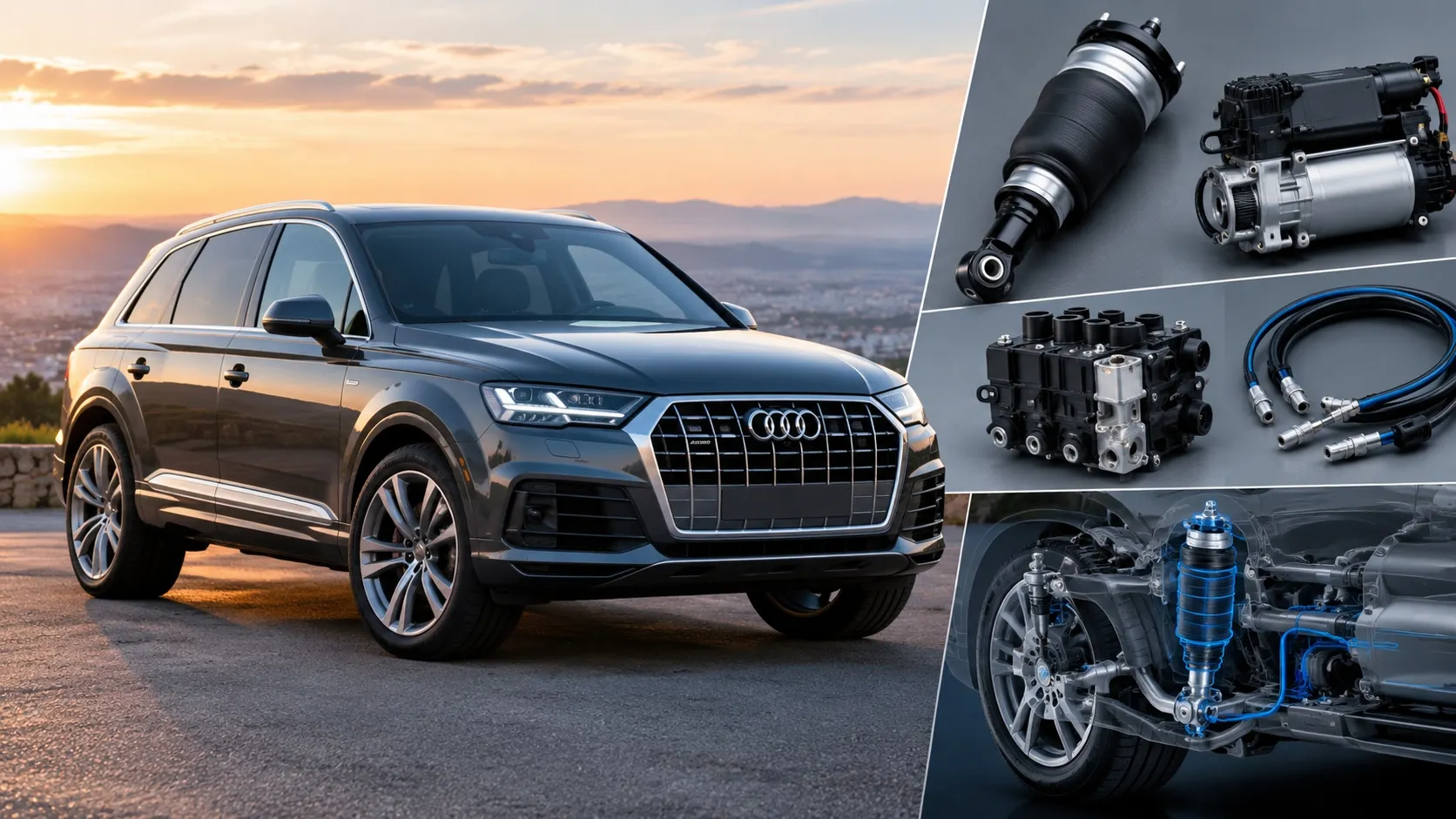
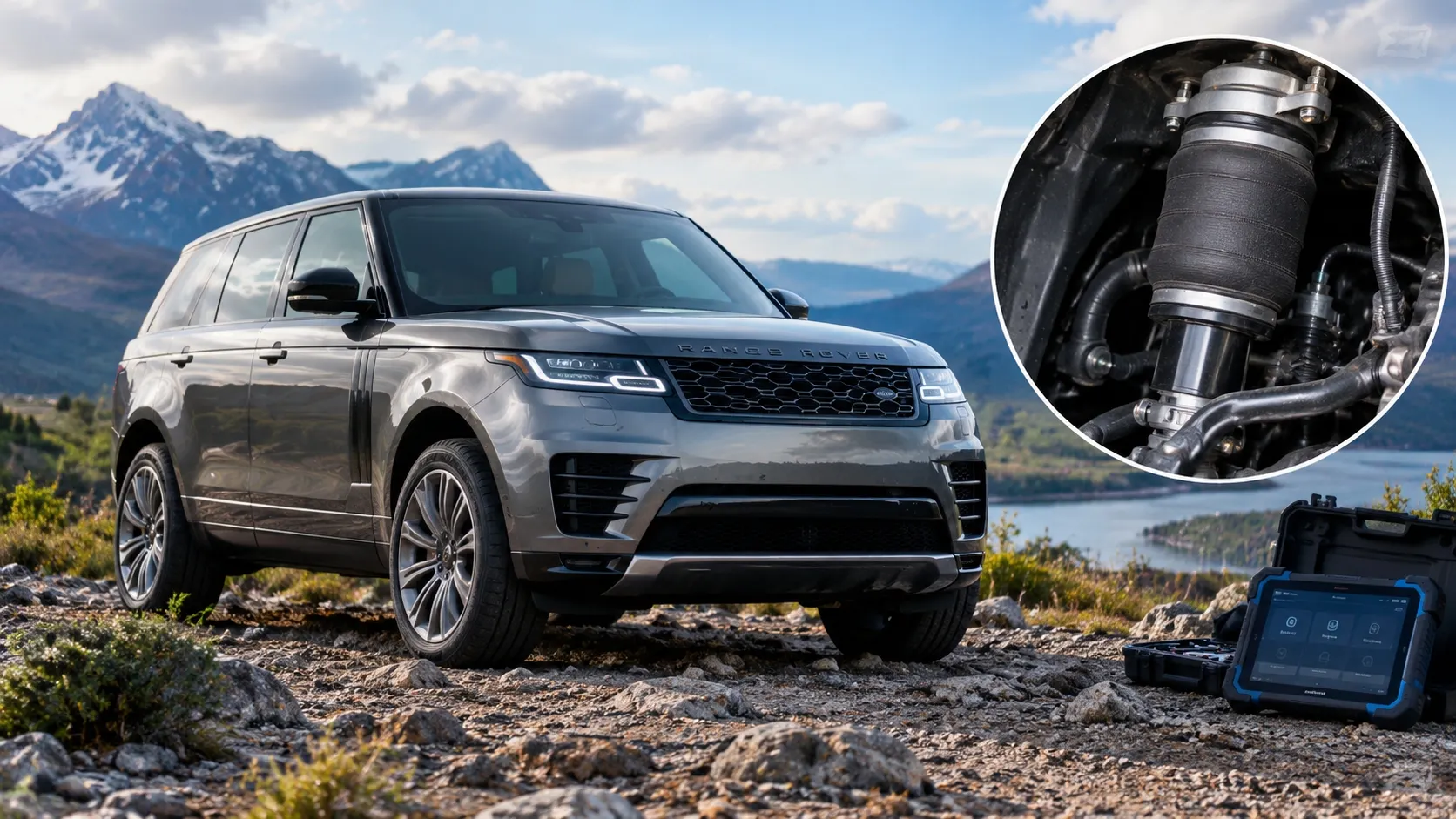
The Audi Q7 is a luxury SUV with a comfortable ride, adjustable ride height and excellent handling. For those models with adaptive air suspension, the system automatically fine-tunes the ride height and stiffness of the vehicle for better comfort, stability and off road performance. But as the car gets older, air suspension parts may become loose, electrical issues may arise, and mechanical problems can occur, which can impact handling and safety when driving the car.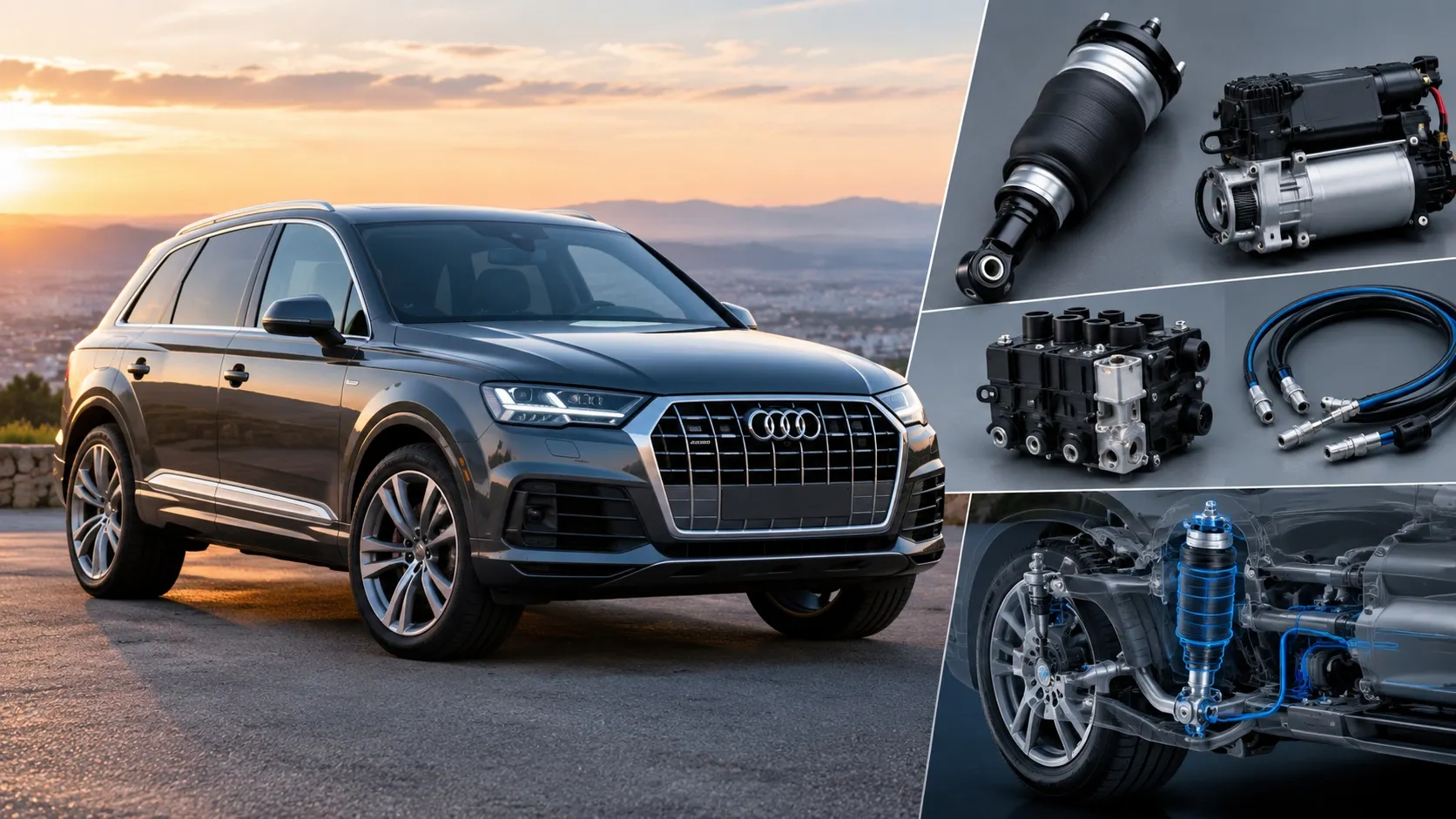
To help avoid unnecessary replacement costs and to better understand the warning signs to look for, it's important for Audi Q7 owners to know some of the common issues that can occur with air suspension. This guide will cover the most frequently reported symptoms, the possible causes, the diagnostic process and consideration of repair.
1. How Does the Audi Q7 Air Suspension Work?
The electronic components in the air suspension system in the Audi Q7 control and regulate the ride height, adapting the behavior of the suspension system to the driving situation.
Key components include:
-
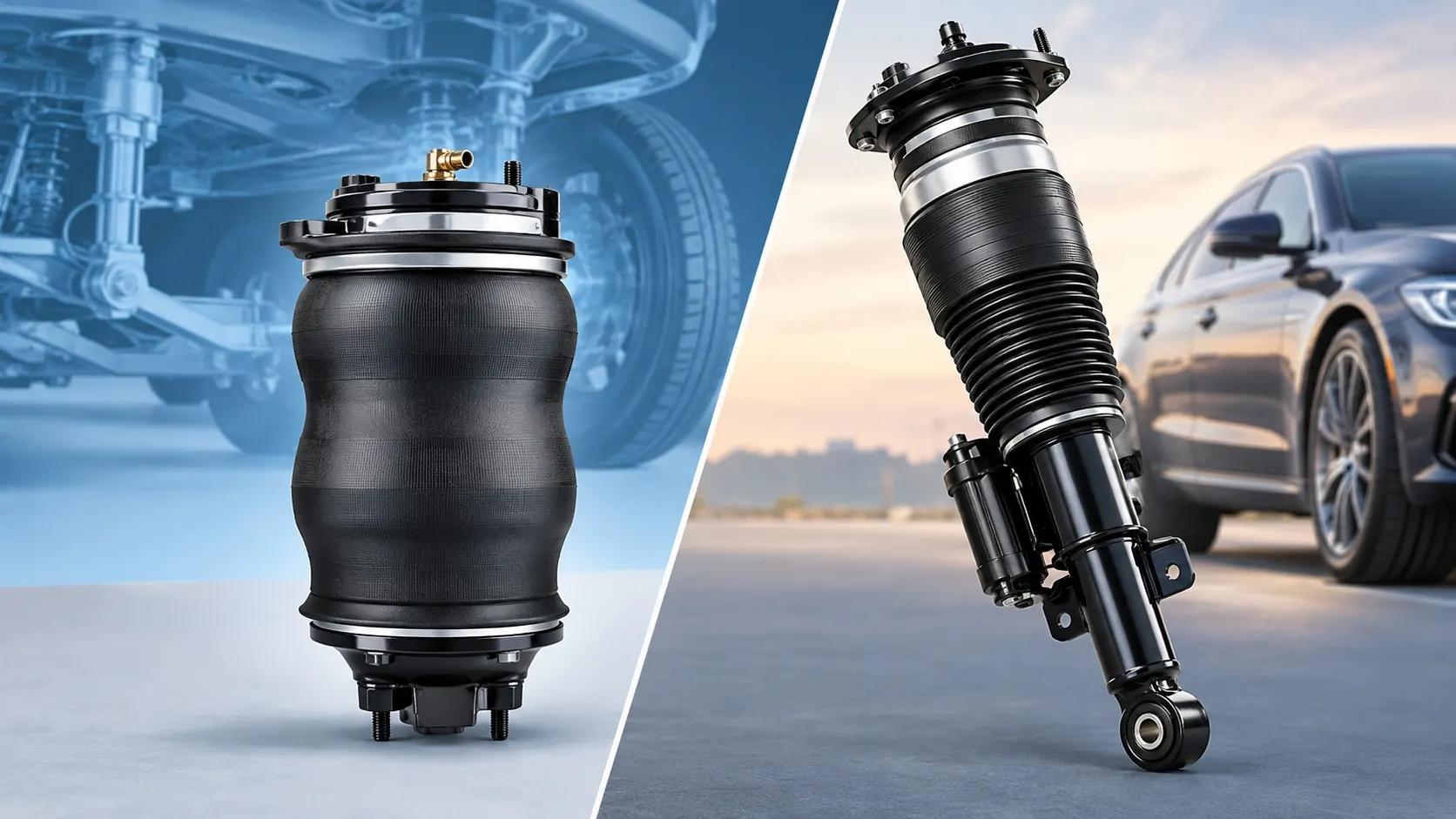
Air springs: Replace conventional steel coil springs and support the vehicle's weight using compressed air.
-
Air suspension compressor: Supplies compressed air to raise the vehicle and maintain the required pressure.
-
Valve block: Directs compressed air to individual air springs to control vehicle height.
-
Ride height sensors: Measure the distance between the body and wheels and send signals to the suspension control module.
-
Air lines and fittings: Transport compressed air between the compressor, valve block, and air springs.
-
Suspension control module: Processes sensor data and manages system operation.
-
Adaptive dampers: Control suspension movement to balance ride comfort and handling, depending on the vehicle's configuration.
When these components work together correctly, the Q7 can maintain an appropriate ride height, adapt to different road surfaces, and provide a smooth driving experience.
The exact system design varies by model year, generation, engine, and equipment package. Therefore, diagnosis should begin by confirming the vehicle's specific suspension configuration.
2. Common Audi Q7 Air Suspension Problems
Problem 1: Air Suspension Leaking Overnight
One of the most recognizable Audi Q7 air suspension problems is the vehicle sitting noticeably lower after being parked overnight.
Owners may notice that the rear of the vehicle drops, one corner sits lower than the others, or the entire SUV appears lower than usual.
Common causes include:
-
Cracked or deteriorated air spring rubber.
-
Leaking air line connections.
-
Damaged seals or fittings.
-
Internal leakage through the valve block.
-
Air escaping from other pressurized components.
Air springs are exposed to road debris, moisture, temperature changes, and repeated compression cycles. Over time, rubber components can deteriorate and lose their ability to retain air.
How to identify the problem: Park the vehicle on level ground and compare its ride height with its height after several hours. If one corner consistently drops, that corner's air spring, air line, or related valve components should be inspected. A vehicle that drops evenly may have a different underlying issue.
A small leak may initially cause only occasional height changes, but continued leakage can force the compressor to work harder and increase the risk of additional component failure.
Problem 2: Air Suspension Compressor Failure
The compressor is responsible for supplying the air pressure required to raise the Q7 and maintain its ride height. When it becomes weak or fails completely, the vehicle may struggle to rise or remain at the correct height.
Common warning signs include:
-
The suspension takes unusually long to raise.
-
The vehicle remains low after starting.
-
A compressor or suspension warning appears on the dashboard.
-
The compressor runs frequently or sounds louder than usual.
-
The suspension system becomes temporarily unavailable.
Compressor failure can result from normal wear, overheating, moisture contamination, electrical problems, or excessive operation caused by an air leak.
Important: A failed compressor is not always the original cause of the problem. If a leaking air spring has forced the compressor to operate repeatedly, replacing the compressor without repairing the leak may lead to another failure.
A proper diagnosis should include compressor operation, power supply, electrical connections, pressure generation, and a leak inspection before replacement.
Problem 3: Audi Q7 Suspension Warning Light
A dashboard warning such as “Suspension Fault” or a message indicating that the air suspension system is malfunctioning can point to several different issues.
Possible causes include:
-
Faulty ride height sensors.
-
Low air pressure or a leaking air spring.
-
Compressor performance problems.
-
Damaged wiring or electrical connectors.
-
A malfunctioning valve block.
-
Suspension control module faults.
The warning message alone cannot identify the failed component. Some faults may trigger a restricted operating mode in which the suspension cannot adjust its height normally.
Recommended solution: Use a diagnostic scanner capable of accessing the Audi suspension control system. Read the stored fault codes, examine live sensor readings, and perform the relevant system tests. Replacing parts based only on a dashboard warning can result in unnecessary expenses.
Problem 4: Audi Q7 Air Suspension Won't Rise
If your Audi Q7 remains unusually low after you select a higher ride-height setting, the system may be unable to generate or distribute sufficient air pressure.
Potential causes include a failed compressor, a significant air leak, a faulty valve block, an electrical supply problem, or a sensor reading that prevents normal suspension operation.
The problem may be more noticeable when switching from the standard driving height to a higher setting for uneven roads.
To troubleshoot this condition, check whether the compressor activates, whether the system reports fault codes, and whether the vehicle can maintain its height after being raised. A qualified technician may also need to inspect the air supply and suspension control system.
Avoid repeatedly commanding the suspension to rise when the system is clearly malfunctioning. Doing so may overwork an already struggling compressor.
Problem 5: One Corner of the Audi Q7 Sits Lower
When only one wheel corner appears lower than the others, the issue is often localized rather than a complete suspension system failure.
Potential causes include:
-
A leaking air spring at the affected corner.
-
A damaged air line or connection.
-
A faulty valve or valve-block passage.
-
A ride height sensor or linkage problem.
-
Incorrect suspension calibration.
However, uneven ground, different vehicle loading, and measurement errors can also affect apparent ride height.
Measure the vehicle on a level surface and compare the affected corner with the opposite side. A technician can then perform a leak test and compare sensor readings to determine whether the cause is mechanical, pneumatic, or electronic.
Problem 6: Harsh Ride, Bouncing, or Poor Handling
Air suspension problems do not always cause the vehicle to sit too low. The Audi Q7 may also develop a harsh ride, excessive body movement, or reduced stability.
Possible causes include worn adaptive dampers, damaged suspension bushings, incorrect tire pressure, uneven tire wear, or air suspension faults that affect ride height and suspension operation.
Air springs support the vehicle, while dampers control oscillation and body movement. These components perform different functions, so a harsh ride does not automatically mean the air springs have failed.
If the vehicle bounces excessively after passing over bumps, inspect the dampers and other suspension components as well as the air suspension system.
3. What Causes Audi Q7 Air Suspension Failure?
There are a number of reasons for air suspension issues over time.
Rubber deterioration due to age and environment: Air spring rubber and seals can be weakened by repeated flexing, environmental exposure, and temperature changes.
Air leakage: Leaks cause the compressor to make up for the loss of pressure. They can cause compressor wear if not addressed.
Moisture and contamination: Air or contamination in the pneumatic system could impact the compressor, valves and other parts.
Electrical faults: Wiring damage and poor connections, sensor failures, and module problems.
Road conditions: The potholes, debris, corrosion and repeated impacts can damage suspension parts and air lines.
Uncorrect repair: If it is not repaired properly, it can cause further issues, such as installing it incorrectly, using a different part, or not calibrating it as needed.
These issues don't happen to all Audi Q7s and there's no set mileage when air suspension parts require replacement. Service life is affected by the maintenance, driving conditions, age of the vehicle and quality of components.
4. How to Diagnose Audi Q7 Air Suspension Problems
A systematic diagnosis helps identify the actual failure instead of replacing expensive parts unnecessarily.
Step 1: Check the vehicle's ride height
Park on level ground and inspect all four corners. Note whether the vehicle sits low immediately after parking or drops after several hours.
Step 2: Inspect for air leaks
Examine air springs, lines, fittings, and connections for damage or leakage. A suitable leak-detection solution or professional pressure test can help locate the source.
Step 3: Scan suspension fault codes
Use a compatible diagnostic tool to read suspension-related codes, monitor ride height sensor data, and identify electrical or control-system faults.
Step 4: Test compressor and valve operation
Verify compressor power, operating condition, pressure output, and valve-block performance. Follow the manufacturer's procedures for system testing and depressurization.
After repairs, the vehicle may require a ride height adaptation or calibration procedure, depending on the fault and the work performed.
Safety note: Air suspension can change height unexpectedly, and pressurized components can release air rapidly. Never work beneath a vehicle supported only by its air suspension or an ordinary jack. Use correctly rated mechanical supports and follow the vehicle manufacturer's safety procedures.
5. Audi Q7 Air Suspension Repair Costs
Repair costs vary depending on the Q7 model year, the failed component, local labor rates, and whether original-equipment or aftermarket parts are used.
The following figures are broad estimates in US dollars for budgeting purposes, not verified quotes for a particular vehicle.
|
Repair type |
Estimated cost |
|---|---|
|
Diagnostic inspection |
$100–$250 |
|
Air line or minor leak repair |
$150–$500 |
|
Ride height sensor replacement |
$200–$600 |
|
Air spring replacement |
$500–$1,500 per corner |
|
Air suspension compressor replacement |
$600–$1,800 |
|
Valve block replacement |
$300–$900 |
|
Adaptive damper replacement |
$700–$2,000+ per unit |
Actual prices can fall outside these ranges, particularly when several components have failed or additional calibration is required.
When comparing repair quotes, ask whether the price includes parts, labor, diagnostic testing, alignment checks where necessary, and suspension calibration. If the compressor has failed, confirm that the technician has also checked for air leaks before installing a replacement.
Replacing only the defective component is often more economical than replacing the entire system, provided the remaining components are in good condition.
6. How to Prevent Audi Q7 Air Suspension Problems
Although air suspension components eventually wear out, proper maintenance can help reduce avoidable failures.
-
Investigate overnight sagging early. A small leak can become a more expensive compressor problem.
-
Pay attention to unusual compressor noise. Frequent or prolonged operation deserves inspection.
-
Keep the underbody clean. Removing accumulated dirt and road salt can help reduce corrosion and contamination.
-
Check suspension warnings promptly. Fault codes can provide useful information before the problem worsens.
-
Use suitable replacement parts. Verify compatibility with the specific Q7 generation and suspension configuration.
-
Follow correct repair procedures. System depressurization, installation, and calibration should be performed according to manufacturer guidance.
If your Q7 repeatedly drops to its lowest position, cannot maintain a safe ride height, or shows a suspension warning alongside abnormal handling, arrange a professional inspection rather than continuing to drive normally.
7. Frequently Asked Questions About Audi Q7 Air Suspension
How long does Audi Q7 air suspension last?
There is no fixed lifespan. Air springs, compressors, and dampers can last for many years, but service life depends on driving conditions, climate, mileage, and maintenance. Inspect the system whenever ride height changes or warning messages appear.
Can I drive an Audi Q7 with air suspension problems?
It depends on the fault. A minor warning may not immediately prevent movement, but severe sagging, abnormal handling, insufficient ground clearance, or a vehicle that cannot maintain its height can make driving unsafe. Stop in a safe location and arrange professional assistance if stability or clearance is compromised.
Why does my Audi Q7 lower overnight?
Most likely it is a leaking air spring, air line, fitting or valve block. The normal operation for each vehicle may differ depending on the model, settings, etc., so please check if the height change is within the vehicle's normal operation range prior to fault diagnosis.
Should I replace both rear air springs at the same time?
Not necessarily. When one air spring fails, the other can possibly still work. If both are of like age or both are showing signs of deterioration, however, it may be worthwhile to consider replacing both as a set. A technician should evaluate their condition and compare the cost of replacing one vs. both.
Is Audi Q7 air suspension repair expensive?
This can be, especially when the compressor, air springs or adaptive dampers are due for replacement. If the leak is caught early and precise diagnosis is made, more damage can be prevented and the overall repair costs lowered.
Conclusion
The most frequent Air Suspension issues in an Audi Q7 are the sag while it is idle overnight, compressor failure, warning light on the instrument panel, uneven ride height and poor ride quality. These symptoms may be caused by various reasons and before changing parts, the diagnosis is necessary.
The best way to do this is to inspect ride height, look for leaks, read suspension fault codes and test compressor and control components. Fixing minor problems early can prevent issues with other parts, and reduce the cost of repairs.
Knowing the inner workings of the air suspension system helps Audi Q7 owners identify problems, discuss repairs with technicians and determine proper maintenance.
Share on Social:


- PREV: Air Spring vs Air Strut: Key Differences, Benefits & Costs
- NEXT: Null
Contact Us
In This Article
- 1 1. How Does the Audi Q7 Air Suspension Work?
- 2 2. Common Audi Q7 Air Suspension Problems
- 3 3. What Causes Audi Q7 Air Suspension Failure?
- 4 4. How to Diagnose Audi Q7 Air Suspension Problems
- 5 5. Audi Q7 Air Suspension Repair Costs
- 6 6. How to Prevent Audi Q7 Air Suspension Problems
- 7 7. Frequently Asked Questions About Audi Q7 Air Suspension
- 8 Conclusion
