


Range Rover Suspension Fault: Causes, Symptoms & Repairs
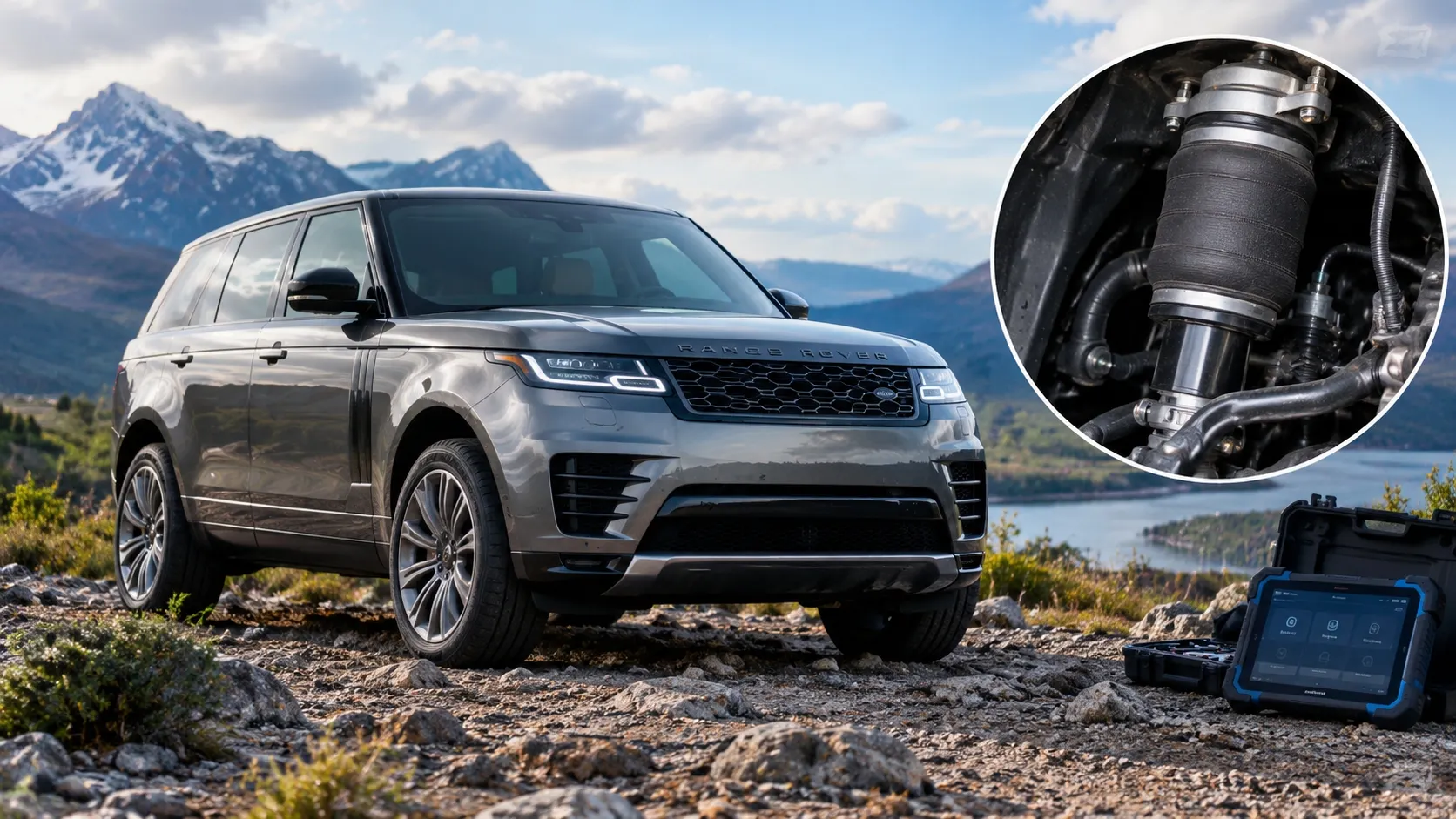
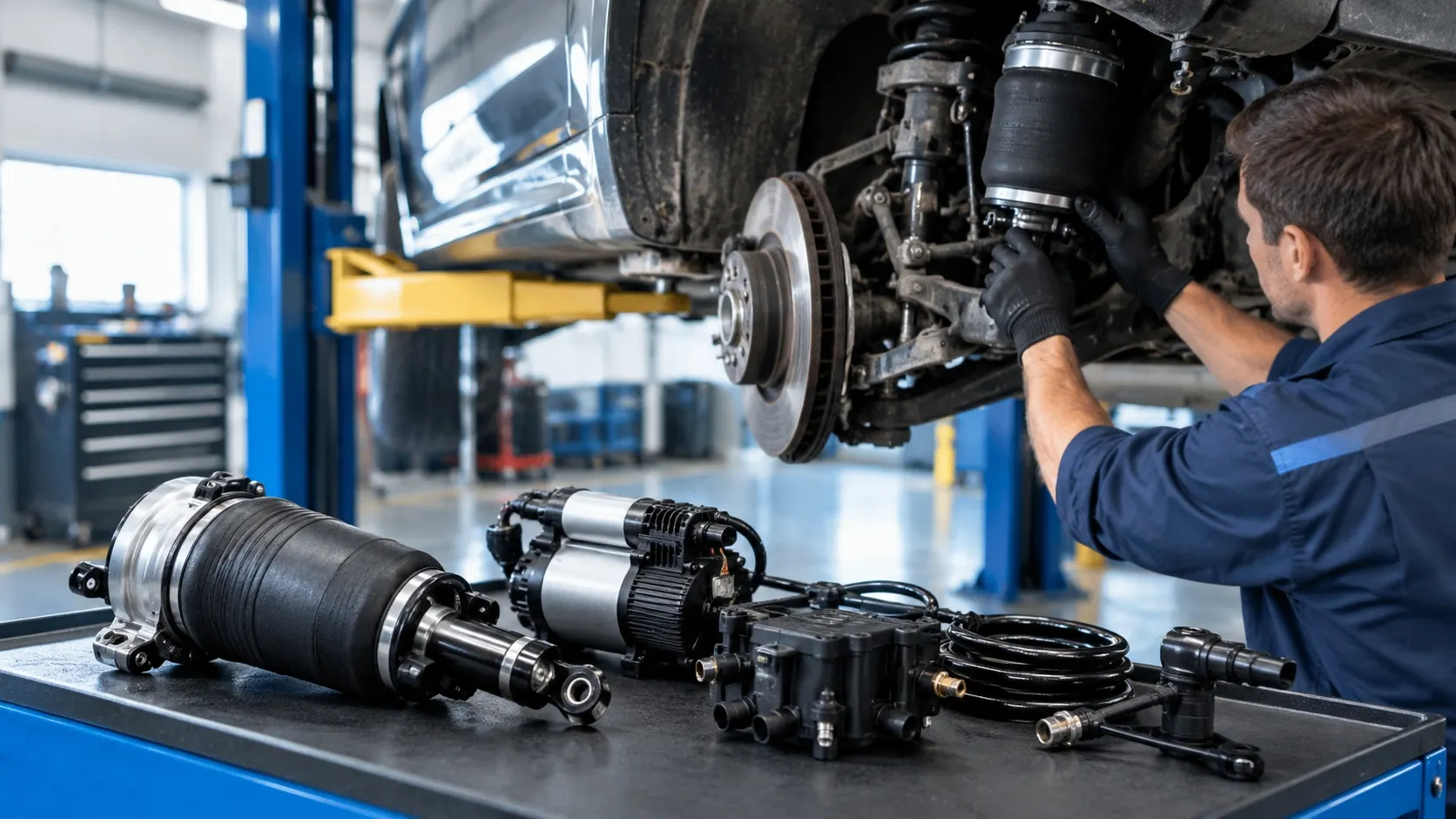
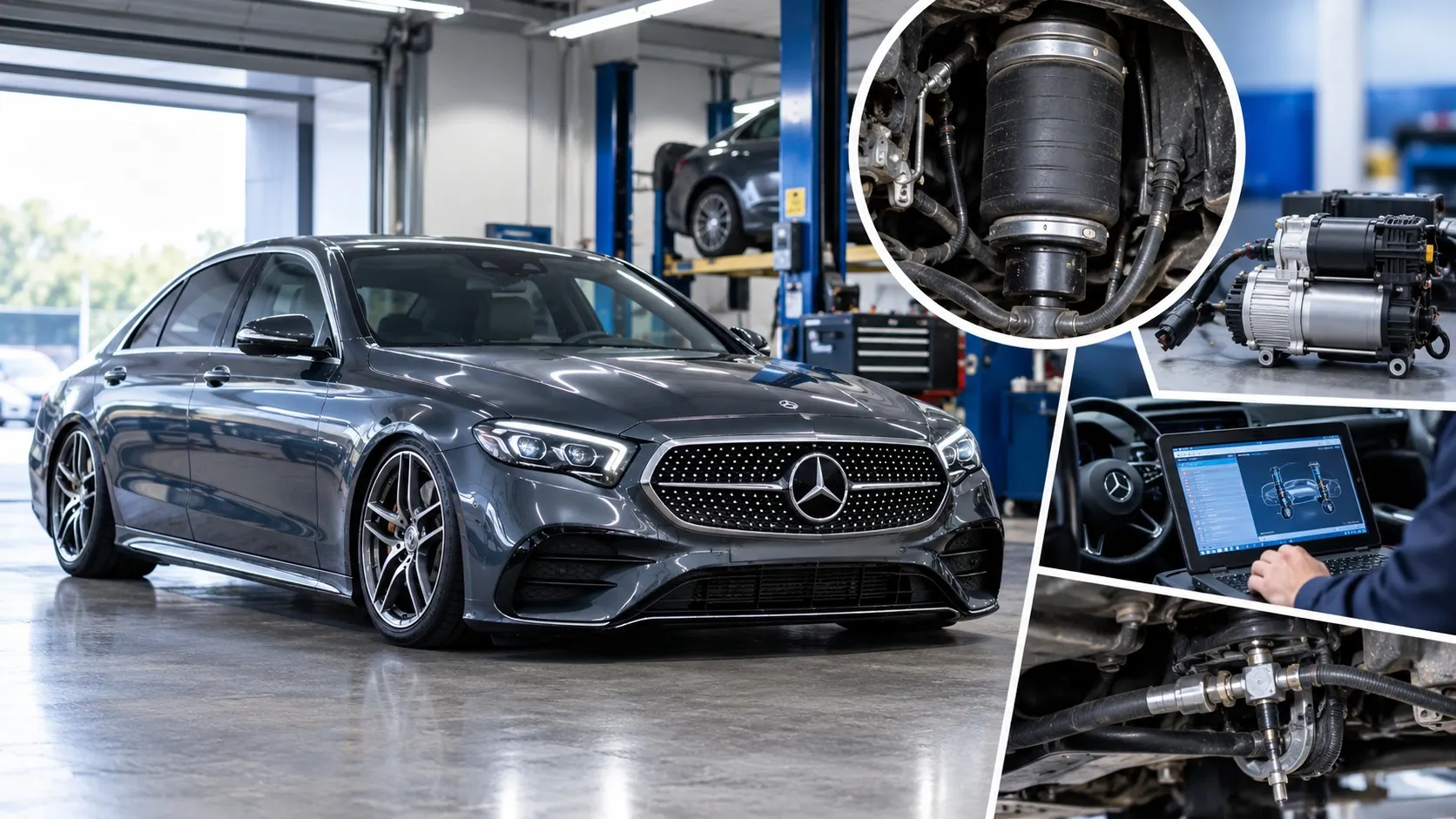
When a Range Rover suspension fault occurs, it can impact driving safety, vehicle stability, ride comfort and ground clearance. A number of Range Rover models are fitted with an “air suspension” control system, which adjusts the height of the vehicle automatically depending on the road conditions. If a part fails or there is an abnormal pressure, height or sensor reading, a warning may flash in the suspension mode on the dashboard.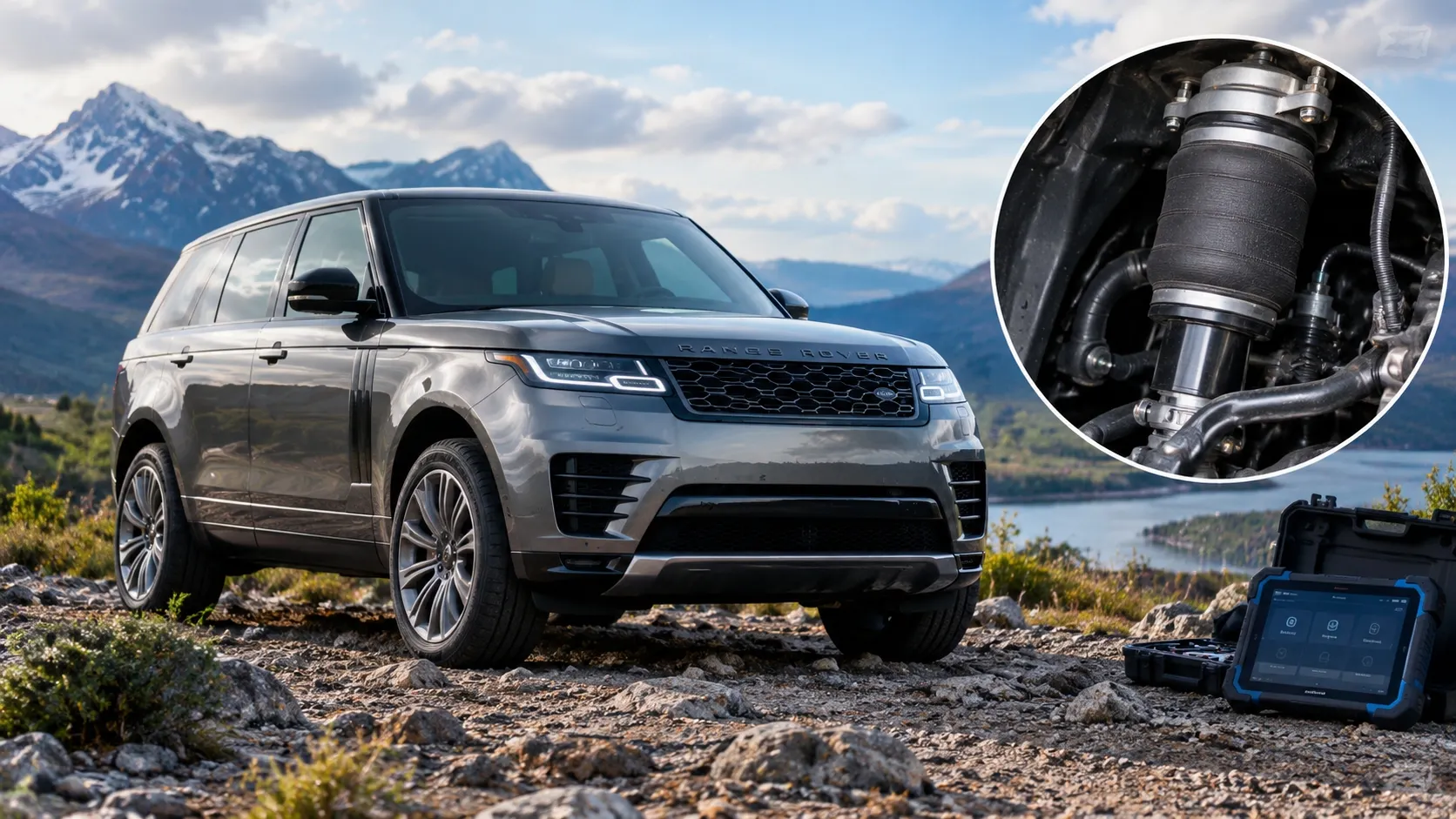
The Range Rover may be showing the message “Suspension Fault” or “Air Suspension Fault” and may be due to an air spring or compressor, height sensor, air line, valve block or an electrical component. The earliest detection of the cause of the problem would help to prevent further damage and lower in repair expenses.
This instruction will cover Range Rover suspension fault symptoms, possible causes, trouble shooting, repair and prevention.
What Does a Range Rover Suspension Fault Mean?
A Range Rover suspension fault is a warning, a diagnosis or a fault which indicates that the suspension control system has picked up an unusual situation that could affect the suspension's ability to perform its function.
The electronic air suspension is a system that replaces the traditional steel coil spring with air springs on models that use an electronic suspension system. Compressed air is provided on board, and electronic sensors and control modules control ride height and suspension performance.
Warning messages may include:
-
Suspension Fault
-
Air Suspension Fault
-
Suspension Fault: Normal Height Only
-
Vehicle Raising Slowly
-
Suspension System Fault
-
Vehicle Too Low
The specific terms are dependent on the model year, trim, and software version.
Certain issues can make it hard to adjust the ride height, and more severe issues can make the vehicle sit extremely low or lean to one side. It should not be ignored because of the fact that the car is still moving.
Common Symptoms of a Range Rover Suspension Fault
Recognizing the symptoms can help narrow down the potential cause before professional diagnosis.
1. One Corner of the Vehicle Sits Lower
If one corner of your Range Rover sits lower than the others, an air spring or its connecting air line may be leaking. A vehicle that drops overnight is particularly suggestive of an air leak, although valve block or other system faults can produce similar symptoms.
Compare the vehicle's ride height after parking on level ground. If the same corner repeatedly drops, have the suspension inspected for leaks.
2. The Suspension Warning Light Appears
A suspension warning may appear when the control module detects implausible sensor readings, compressor performance problems, electrical faults, or pressure abnormalities.
The warning alone does not identify which component has failed. Diagnostic trouble codes are needed to distinguish between possible causes.
3. The Vehicle Cannot Raise or Lower
If your Range Rover cannot switch between access height, normal height, and off-road height, the system may have detected a fault and disabled certain functions.
Possible causes include a weak compressor, a faulty height sensor, a pressure supply problem, a valve block malfunction, or an electronic control issue.
4. The Compressor Runs Frequently
The air suspension compressor should operate as needed to maintain the required system pressure. If it runs unusually often or for extended periods, the system may be compensating for an air leak or struggling to build sufficient pressure.
Continued operation under these conditions can overheat or wear out the compressor.
5. A Harsh or Unusual Ride
A suspension fault may make the vehicle feel less comfortable, particularly over bumps or uneven roads. Changes in ride height or restricted suspension operation can affect handling and stability.
However, unusual ride quality can also result from worn suspension bushings, dampers, tires, or other chassis components.
What Causes a Range Rover Suspension Fault?
Several components can trigger a suspension warning. The most likely cause depends on the model, mileage, symptoms, and diagnostic codes.
1. Leaking Air Springs
Air springs are among the common failure points in aging air suspension systems. Rubber bellows can deteriorate through repeated flexing, exposure to moisture, road debris, and temperature changes.
Small leaks may cause the vehicle to lose height after parking. Larger leaks can prevent the suspension from maintaining the correct ride height while driving.
Typical signs: One corner drops overnight, the vehicle leans to one side, or the compressor runs frequently.
2. Faulty Air Suspension Compressor
The compressor supplies compressed air to the suspension system. Over time, internal wear, overheating, moisture, or prolonged operation caused by a leak can reduce its ability to generate pressure.
A failed compressor may prevent the vehicle from rising, trigger a suspension warning, or cause the system to enter a restricted operating mode.
Before replacing the compressor, technicians should check for air leaks and verify the compressor's electrical supply, performance, and control signals. Otherwise, an underlying leak could damage the replacement unit.
3. Defective Ride Height Sensors
Ride height sensors measure the position of the suspension and send signals to the electronic control module. Damaged sensor linkages, wiring problems, corrosion, or sensor failure can produce inaccurate readings.
When the control module receives implausible data, it may restrict automatic height adjustment or display a suspension fault.
A faulty sensor does not necessarily mean the air springs or compressor are defective. Proper electrical testing and live-data analysis can help avoid unnecessary part replacement.
4. Air Line or Valve Block Problems
The air lines transport compressed air throughout the suspension system. Cracks, loose connections, or damaged seals can cause pressure loss.
The valve block directs air to individual springs and manages the distribution of pressure. Internal leakage or a malfunctioning valve can cause uneven ride height, slow adjustments, or difficulty maintaining the correct suspension position.
Technicians may need to perform a pressure test, leak test, or valve operation test to identify the source.
5. Electrical and Control Module Faults
Modern Range Rover suspension systems depend on sensors, wiring, fuses, relays, and electronic control modules. A damaged connector, low battery voltage, wiring fault, or communication problem may trigger a warning even when the mechanical components remain functional.
A complete diagnostic scan should be performed before assuming that an expensive suspension component needs replacement.
How to Diagnose a Range Rover Suspension Fault
Accurate diagnosis is essential because several different failures can produce similar dashboard warnings.
Step 1: Read the diagnostic trouble codes
Use a Land Rover-compatible diagnostic tool to scan the suspension control module and related systems. Record the codes and supporting live data before clearing any faults.
Step 2: Inspect the air springs and air lines
Check for cracked rubber bellows, damaged fittings, loose connections, and visible air leaks. A vehicle that drops after parking deserves particular attention.
Step 3: Test compressor performance
Check compressor activation, electrical supply, pressure-building performance, and overheating protection. Confirm that an air leak is not causing excessive compressor operation.
Step 4: Check sensors and electrical connections
Compare live height sensor readings, inspect wiring and connectors, and verify battery voltage and relevant fuses.
Step 5: Verify the repair
After repairing the confirmed fault, clear codes as appropriate, perform any required calibration, and test ride-height adjustment according to the manufacturer's procedure.
Range Rover Suspension Fault Repair Cost
The cost of repairing a Range Rover suspension fault varies considerably depending on the model, model year, location, labor rate, and whether original-equipment or aftermarket parts are used.
The following figures are illustrative estimates in US dollars, not live quotes or guaranteed prices.
|
Repair type |
Estimated cost |
|---|---|
|
Diagnostic scan and inspection |
$100–$250 |
|
Ride height sensor replacement |
$200–$600 |
|
Air line or minor leak repair |
$150–$500 |
|
Air suspension compressor replacement |
$600–$1,500 |
|
Single air spring replacement |
$500–$1,500 |
|
Valve block replacement |
$400–$1,000 |
|
Multiple component repairs |
$1,500–$3,500+ |
Actual prices can fall outside these ranges, especially on newer or higher-specification models. Dealership labor rates, parts availability, suspension calibration requirements, and the extent of secondary damage can significantly affect the final bill.
Is It Better to Repair or Replace the Air Suspension?
The best option depends on the confirmed failure.
If an air line or sensor is defective, replacing the entire air suspension system would usually be unnecessary. If an air spring has deteriorated, replacing the failed unit may restore operation, but technicians should inspect the other springs for age-related wear.
When multiple components are worn, a broader repair may provide better long-term value than replacing parts one at a time. Ask the repair shop to explain the diagnostic evidence supporting each recommended replacement.
Can You Drive a Range Rover With a Suspension Fault?
Whether you can continue driving depends on the severity of the fault and the vehicle's condition.
If the warning appears but the vehicle remains at normal height and handles normally, consult the owner's manual and arrange a prompt inspection. Avoid assuming that the vehicle is safe simply because it still drives.
Stop driving and arrange recovery if:
-
The vehicle is sitting extremely low or one side has dropped significantly.
-
The tires appear to be rubbing against the bodywork.
-
Steering, braking, or vehicle stability is affected.
-
A warning indicates that the vehicle is too low to drive safely.
-
The suspension makes severe noises or the vehicle cannot maintain a safe ride height.
Do not crawl underneath a vehicle supported only by its air suspension or a jack. Suspension height can change unexpectedly. Use appropriate workshop lifting equipment and approved support procedures.
How to Prevent Future Range Rover Suspension Problems
Although air suspension components wear over time, regular inspection can help identify problems before they lead to more extensive repairs.
-
Inspect air springs regularly: Look for cracks, deterioration, and signs of air leakage.
-
Address height changes early: A vehicle that repeatedly drops overnight should be inspected rather than repeatedly raised.
-
Protect the compressor: Investigate frequent or prolonged compressor operation before the unit overheats or wears prematurely.
-
Check the electrical system: Maintain a healthy battery and inspect relevant connectors and wiring.
-
Follow scheduled maintenance: Have the suspension inspected during routine servicing, particularly on older or high-mileage vehicles.
-
Use the correct diagnostic procedure: Confirm the root cause before replacing expensive components.
If your vehicle frequently operates on rough roads, carries heavy loads, or has substantial mileage, more frequent suspension inspections may be worthwhile.
Frequently Asked Questions
1. What is the most common cause of a Range Rover suspension fault?
Potential causes include leaking air springs, compressor problems, faulty height sensors, air line leaks, and valve block failures. The most likely cause depends on the symptoms and vehicle model. Diagnostic trouble codes and physical testing are needed for confirmation.
2. Why does my Range Rover suspension drop overnight?
An overnight drop can indicate a leaking air spring, air line, or valve block. However, the precise cause cannot be established from the height change alone. A technician should check the system for leaks and inspect its pressure-retention performance.
3. Can a weak battery cause a Range Rover suspension warning?
Yes. Low battery voltage or unstable electrical power can contribute to electronic suspension warnings and communication faults. However, a battery problem should be confirmed through testing rather than assumed to be the cause of every suspension issue.
4. Will resetting the suspension fault fix the problem?
Resetting or clearing a warning may temporarily remove the message, but it will not repair a physical leak, failed compressor, or defective sensor. Some faults may return immediately or after the system performs another self-check.
The underlying cause should be diagnosed before relying on a reset.
5. Does a Range Rover suspension fault mean the compressor needs replacing?
No. The compressor is only one possible cause. A leak, faulty sensor, electrical issue, or valve block problem can produce similar symptoms. Replacing the compressor without checking the rest of the system can lead to unnecessary expense.
6. Can I convert Range Rover air suspension to coil springs?
Some Range Rover models have aftermarket coil-spring conversion kits available. However, compatibility, ride quality, handling, warning messages, legal requirements, and insurance implications should be considered. A conversion may also affect functions designed around the original air suspension system.
7. How long does it take to repair a Range Rover suspension fault?
A straightforward sensor or air line repair may take a few hours, while diagnosing intermittent electrical faults or replacing multiple suspension components can take longer. Parts availability and the need for calibration can also affect turnaround time.
Conclusion
The Range Rover suspension fault may be caused by a range of problems, including a trouble minor sensor problem or a serious leak or compressor failure in the air suspension system. The best way to do this is to determine the warning indicators, pull the necessary diagnostic codes, visually check the mechanical parts and then confirm the cause of the failure before removing parts.
Early diagnosis can prevent damage to the compressor, re-stabilize the ride, keep the vehicle stable while driving and prevent needless repair expenses. If you have a Range Rover that's losing height overnight, or giving frequent suspension warning alerts, get a professional check ASAP.
These are some of the most frequent issues in suspension systems, and learning about them will help vehicle owners, repair workshops, and automotive parts suppliers determine the best course of action for repair and ensure proper vehicle performance.
Share on Social:


- PREV: Air Suspension Repair Cost: Parts, Labor, and Repair Guide
- NEXT: Null
Contact Us
In This Article
- 1 What Does a Range Rover Suspension Fault Mean?
- 2 Common Symptoms of a Range Rover Suspension Fault
- 3 What Causes a Range Rover Suspension Fault?
- 4 How to Diagnose a Range Rover Suspension Fault
- 5 Range Rover Suspension Fault Repair Cost
- 6 Can You Drive a Range Rover With a Suspension Fault?
- 7 How to Prevent Future Range Rover Suspension Problems
-
8
Frequently Asked Questions
- 8.1 1. What is the most common cause of a Range Rover suspension fault?
- 8.2 2. Why does my Range Rover suspension drop overnight?
- 8.3 3. Can a weak battery cause a Range Rover suspension warning?
- 8.4 4. Will resetting the suspension fault fix the problem?
- 8.5 5. Does a Range Rover suspension fault mean the compressor needs replacing?
- 8.6 6. Can I convert Range Rover air suspension to coil springs?
- 8.7 7. How long does it take to repair a Range Rover suspension fault?
- 9 Conclusion
