


Air Suspension Repair Cost: Parts, Labor, and Repair Guide
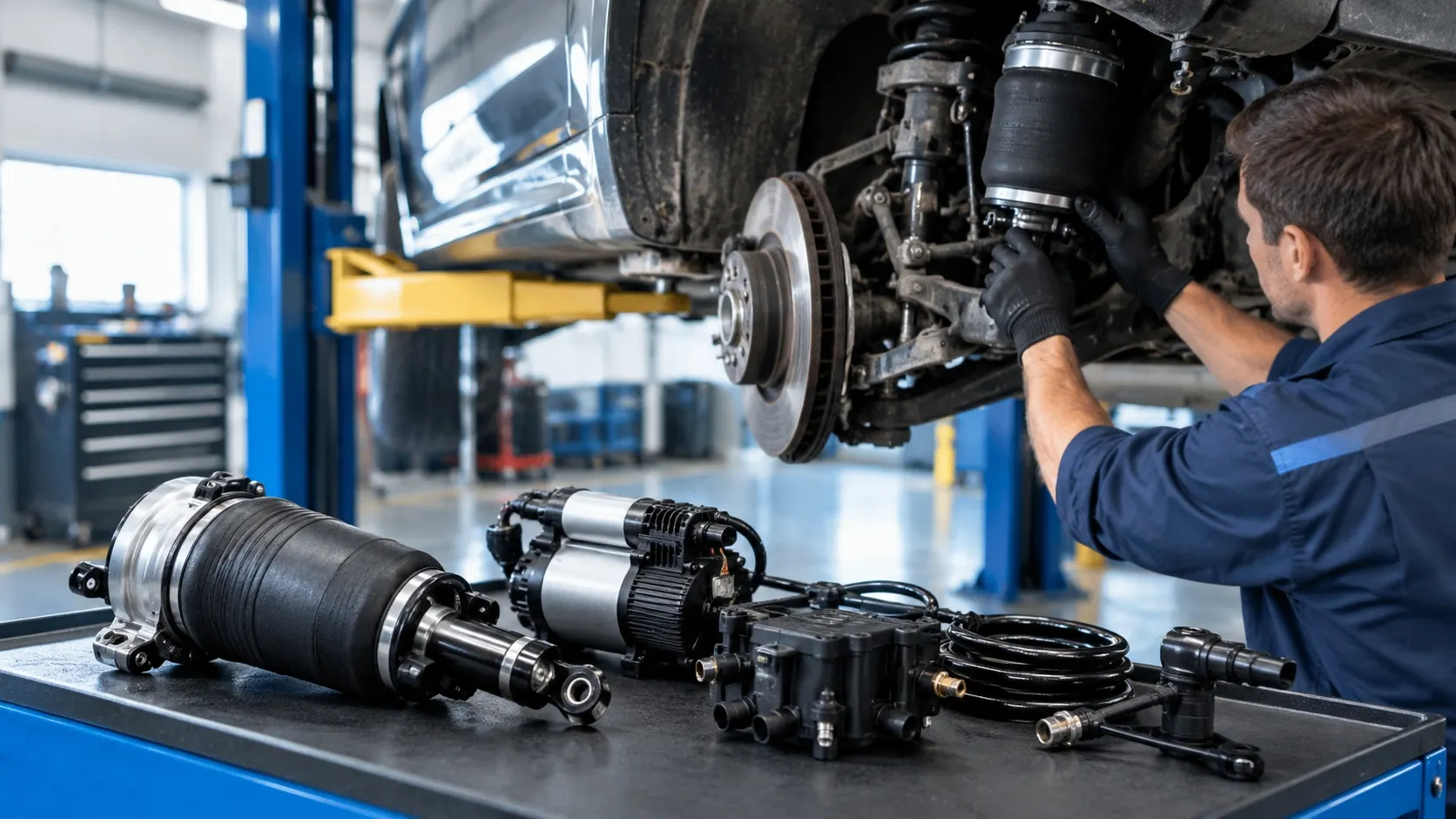
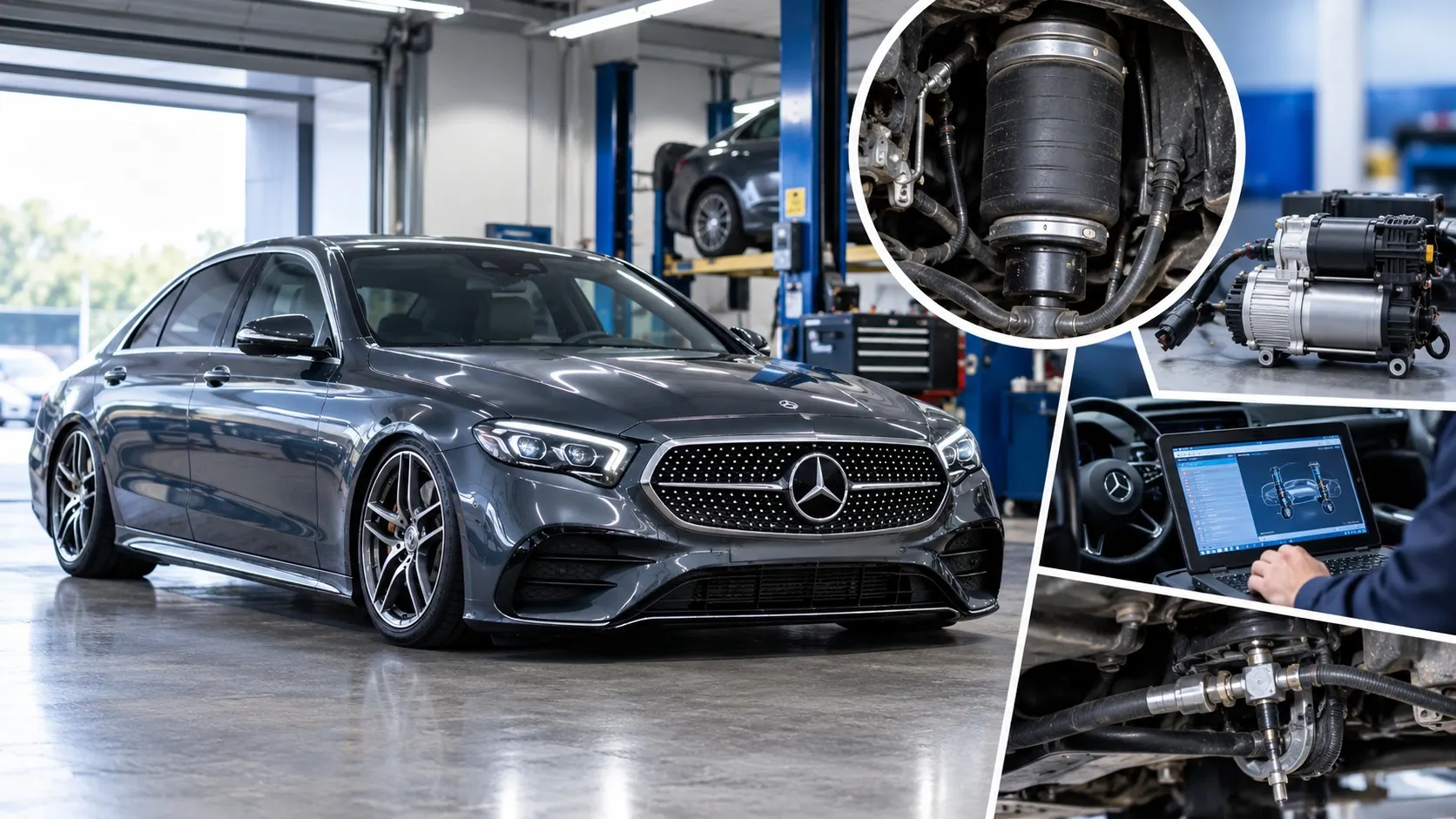
An air suspension system offers a smooth ride, adjustability and enhanced handling. They are frequently seen on luxury cars, SUVs, high-performance cars, and some pickup trucks. But if there is a failure in the air suspension system, the expenses of repair can be much more than a traditional suspension system.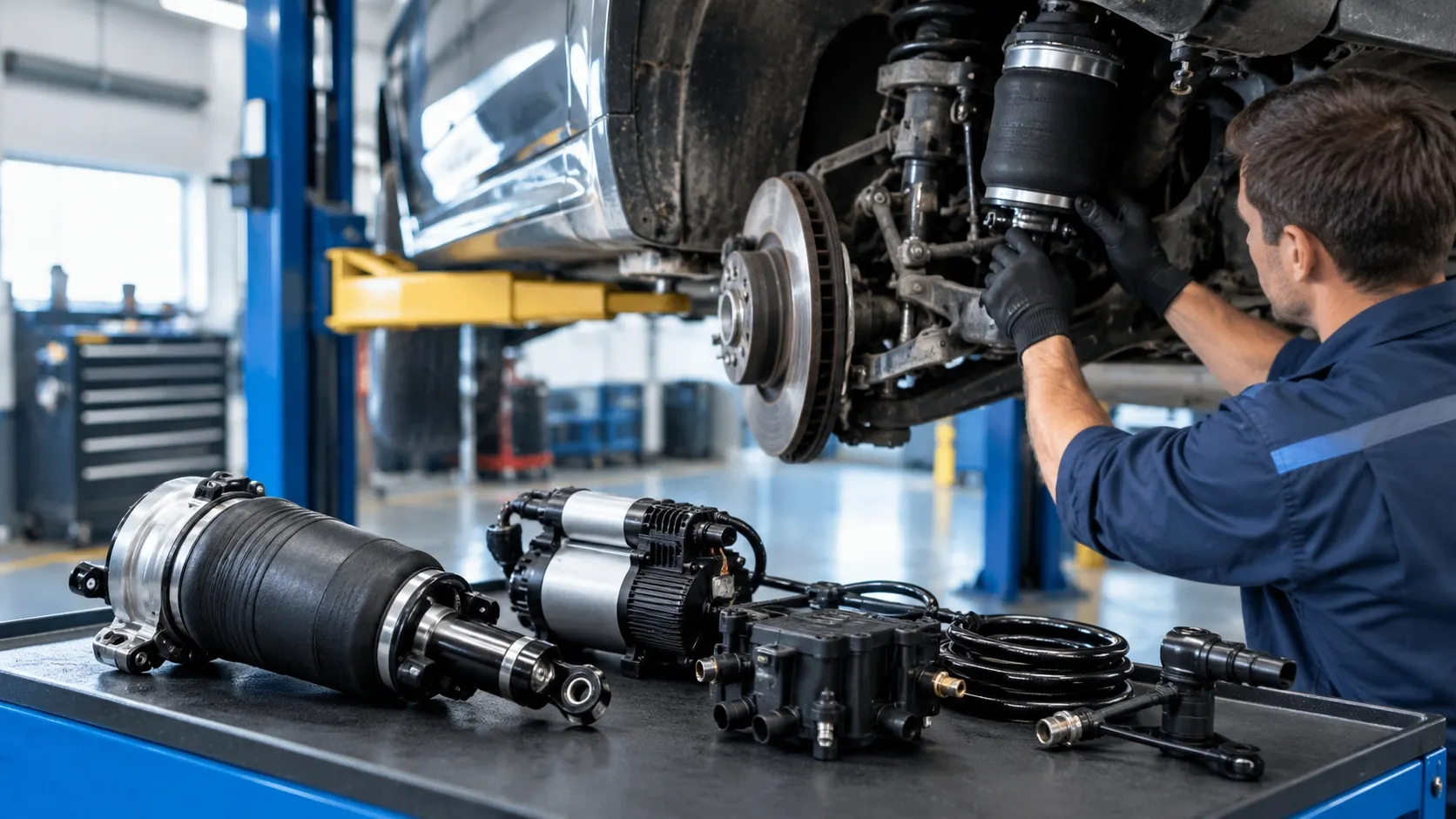
When owners are aware of the price of air suspension repair, they can gauge the possibility of issues and compare repair choices, as well as make vital choices before they authorize repairs. The total cost will vary according to make and model of the vehicle, the failed part and labor rates, and if other parts have also failed.
This guide provides information on the cost of an air suspension repair, the most common causes of failure, warning signs and practical tips to minimize repair costs.
1. How Much Does Air Suspension Repair Cost?
The average air suspension repair price is usually $750 to $5,000 for minor repairs, and $5,000 or more for a major system replacement. Deluxe cars that have complicated electronic suspension systems could be more expensive than normal cars.
The following figures are general estimates in the USA. These are actual prices that depend on the vehicle, location, the quality of the parts and labor required.
|
Air suspension repair |
Estimated cost (USD) |
|---|---|
|
Diagnostic inspection |
$100–$250 |
|
Air line or fitting repair |
$100–$400 |
|
Air suspension leak repair |
$150–$600 |
|
Air suspension relay or fuse repair |
$50–$200 |
|
Height sensor replacement |
$150–$500 |
|
Air suspension solenoid valve replacement |
$200–$600 |
|
Air suspension compressor replacement |
$500–$1,500 |
|
Air spring or air bag replacement |
$300–$1,000 per corner |
|
Air strut replacement |
$500–$1,500 per corner |
|
Valve block replacement |
$300–$900 |
|
Complete air suspension system replacement |
$2,000–$7,000+ |
These ranges are for budgeting purposes only and not a guaranteed quote. Other high-end cars may need specific components and/or calibration or extra repairs, which can add to the costs.
When seeking a quote, clarify that the quote is for diagnostic labor, replacement parts, installation labor, suspension calibration and any applicable taxes.
2. What Factors Affect Air Suspension Repair Costs?
Several factors determine how much you will pay to repair an air suspension system.
Vehicle make and model
Vehicle design has a major influence on repair costs. A mainstream SUV may use relatively accessible air springs, while a luxury vehicle may have electronically controlled air struts that combine several functions into one assembly.
Vehicles from brands such as BMW, Mercedes-Benz, Land Rover, Audi, and Porsche may require specialized diagnostic equipment and vehicle-specific replacement components.
The availability of aftermarket parts also matters. When suitable aftermarket components are available, repair costs may be lower than when original equipment manufacturer (OEM) parts are the only practical option.
The failed component
Not every suspension problem requires replacing the entire system. A damaged air line, faulty relay, or leaking fitting may be inexpensive to repair. A failed compressor, air spring, or integrated air strut generally costs more.
Accurate diagnosis is important because replacing an expensive component without identifying the underlying cause can lead to unnecessary spending.
Labor rates and repair complexity
Labor costs vary by region and workshop. Independent repair shops may charge less per hour than dealerships, although the total cost depends on diagnostic accuracy and repair time.
Some air suspension components are difficult to access. Corrosion, seized fasteners, complicated suspension geometry, and electronic calibration requirements can add labor time.
OEM versus aftermarket parts
OEM parts are designed to meet the vehicle manufacturer's specifications and may offer predictable compatibility. Aftermarket parts can provide a more affordable alternative, but quality varies between manufacturers.
Before choosing a lower-cost component, check its warranty, fitment, durability, and compatibility with the vehicle's suspension control system.
3. Common Air Suspension Problems and Their Repair Costs
Recognizing common failure patterns can help narrow down the cause, but symptoms alone cannot confirm which part needs replacement.
Air suspension leaking overnight
If your vehicle sits noticeably lower after being parked overnight, an air spring, air strut, air line, or connection may be leaking.
A small leak can force the compressor to run more frequently as the system attempts to maintain the correct ride height. Continued operation under these conditions may eventually damage the compressor.
A simple leak repair may cost around $150–$600, while replacing a damaged air spring or air strut can cost considerably more.
Air suspension compressor failure
The compressor supplies compressed air to the suspension system. If the compressor becomes weak or stops working, the vehicle may fail to rise to its normal height.
Common warning signs include a prolonged compressor operating sound, a suspension warning message, or a vehicle that remains low after starting.
Compressor replacement typically costs $500–$1,500, depending on the vehicle and component design.
However, the compressor should not automatically be blamed whenever the suspension fails to rise. Air leaks, electrical faults, blocked lines, and valve problems can produce similar symptoms.
Faulty air springs or air bags
Air springs support the vehicle using compressed air. Over time, rubber materials can deteriorate due to age, heat, road debris, and repeated movement.
Typical symptoms include uneven ride height, sagging at one corner, reduced ride comfort, or visible cracks and damage.
Replacing one air spring may cost approximately $300–$1,000 per corner. If the vehicle uses an integrated air strut, the price may be higher.
If one spring fails on a high-mileage vehicle, ask the technician to inspect the remaining springs for similar deterioration before deciding whether to replace additional components.
Faulty height sensors
Height sensors help the electronic control unit determine the position of the suspension. A damaged sensor, worn linkage, or wiring problem can cause incorrect ride-height readings.
Symptoms may include uneven vehicle height, warning lights, or suspension adjustments that do not respond as expected.
Sensor replacement generally costs $150–$500, although diagnosis and calibration requirements can affect the total.
Valve block or air distribution problems
The valve block directs compressed air to different suspension components. If an internal valve leaks or sticks, one or more corners may fail to maintain the correct height.
Repair or replacement can cost approximately $300–$900, depending on the system.
A qualified technician should test the air distribution system before replacing the valve block because leaking air springs and damaged lines can create similar symptoms.
4. Warning Signs That Your Air Suspension Needs Repair
Recognizing early symptoms can help prevent a minor fault from turning into a more expensive repair.
Look out for these common warning signs:
-
Uneven ride height: One corner of the vehicle sits lower than the others.
-
Sagging after parking: The vehicle drops noticeably after sitting overnight.
-
Suspension warning light: A dashboard message indicates a suspension system fault.
-
Slow vehicle lifting: The suspension takes longer than usual to reach normal height.
-
Unusual compressor noise: The compressor runs frequently or operates for an extended period.
-
Poor ride quality: The vehicle feels unusually harsh, unstable, or bouncy.
-
Reduced ground clearance: The vehicle cannot maintain its normal driving height.
These symptoms do not always indicate a failed air spring. Electrical issues, sensor faults, compressor problems, and air leaks can produce similar results.
If the vehicle is severely sagging, has limited ground clearance, or displays a serious suspension warning, avoid driving it until it has been inspected. A compromised suspension can affect handling, tire clearance, and road safety.
5. Is It Cheaper to Repair or Replace Air Suspension?
Deciding whether to fix parts or a whole system depends on the type of damage, the age of the vehicle, mileage and long-term plans for ownership.
If the issue is a single part, it is usually the cheapest route to take to fix that part. For instance, a leaking air line or an air sensor malfunctioning can be fixed without any major investment, and normal operation can be restored.
It might be easier to replace several parts in the same vehicle if it has high mileage and there are multiple aging parts. If there is a large air leak and a new compressor is installed, the new compressor may wear out prematurely.
Some cars can also be fitted with standard coil springs. Removing some elements of an air suspension with a conversion kit may save on maintenance costs in the future. But before you go ahead, you need to take into account compatibility, the ride, electronic warning messages, handling and local regulations.
When ride comfort, adjustable height, and factory handling are an important part of a vehicle's design, maintaining the original electronically controlled air suspension system could be the better option.
You need to estimate the cost of the repairs, and consider the value of the car and the estimated maintenance costs before making a decision.
6. How Much Does Air Suspension Repair Cost by Vehicle Brand?
Repair costs can vary substantially between vehicle manufacturers and even between models from the same brand.
|
Vehicle brand or type |
General cost considerations |
|---|---|
|
Mercedes-Benz |
AIRMATIC systems may require specialized diagnostics, air struts, or compressor repairs. |
|
BMW |
Costs depend on whether the vehicle uses rear air springs, adaptive dampers, or a more complex air suspension setup. |
|
Land Rover |
Component access, electronic controls, and premium replacement parts can increase repair expenses. |
|
Audi |
Air struts, compressors, ride-height sensors, and calibration can affect total costs. |
|
Porsche |
Performance-oriented suspension components may be expensive to replace. |
|
Luxury SUVs |
Larger components, complex suspension layouts, and higher parts prices may increase costs. |
These are general considerations rather than brand-specific price quotes. A Mercedes-Benz model with a simple air line leak could cost less to repair than a more complicated failure on a different vehicle.
For an accurate estimate, provide the repair shop with the vehicle's model, model year, mileage, symptoms, and any diagnostic trouble codes.
7. How to Reduce Air Suspension Repair Costs
Although air suspension repairs can be expensive, several practical steps can help control costs.
Diagnose the problem before replacing parts
Ask the technician to perform a complete system inspection. This may include checking air pressure, testing for leaks, inspecting electrical connections, reading fault codes, and evaluating compressor performance.
Replacing components based only on symptoms can lead to unnecessary expenses.
Repair air leaks promptly
A small leak may initially appear harmless, but it can force the compressor to work harder and more frequently. Addressing the leak early may help prevent secondary damage.
Compare repair quotes
Request itemized estimates from reputable independent specialists and dealerships where appropriate. Compare labor charges, parts brands, warranty coverage, and included diagnostic work rather than choosing solely on the lowest price.
Choose quality replacement parts
A low-priced component may not provide the same durability or fit as a well-engineered alternative. Check the manufacturer's reputation, warranty terms, and vehicle compatibility before purchasing replacement parts.
Follow maintenance recommendations
Air suspension systems do not always have a fixed replacement interval. Nevertheless, regular inspections can identify damaged air lines, deteriorating rubber components, corroded connections, and other problems before they become severe.
Avoid repeatedly raising and lowering the vehicle when a fault is present, and do not crawl underneath a vehicle supported only by its air suspension. Use properly rated mechanical supports and follow the manufacturer's safety procedures.
8. Frequently Asked Questions About Air Suspension Repair Cost
Can I drive with a broken air suspension?
It depends on the severity of the problem. A minor warning may not immediately make the vehicle undriveable, but significant sagging, poor handling, or inadequate tire clearance can make driving unsafe. Have the vehicle inspected before continuing to drive if its height or stability is compromised.
How much does it cost to fix an air suspension leak?
A straightforward leak repair may cost approximately $150–$600. If the leak comes from a damaged air spring, air strut, or difficult-to-access component, the final bill may be higher.
Is air suspension expensive to maintain?
Air suspension can cost more to maintain than conventional coil-spring suspension because it contains additional components, including compressors, air springs, valves, and electronic sensors. Actual maintenance costs depend on vehicle design, mileage, driving conditions, and component quality.
How long does an air suspension repair take?
A simple air line or sensor repair may take a few hours or less. Replacing an air spring, air strut, or compressor can take several hours, while complicated electrical diagnosis or parts availability may extend the repair time.
Should I replace both air springs at the same time?
Not always. If one spring fails, the other may still be in good condition. However, if both sides have similar mileage and visible deterioration, replacing them together may reduce the likelihood of another repair soon afterward. Follow the vehicle manufacturer's recommendations and the technician's inspection findings.
Is an air suspension conversion cheaper?
A coil-spring conversion can sometimes reduce initial repair expenses and future maintenance complexity. However, the complete cost depends on the kit, installation, electronic integration, and whether the conversion is suitable for the vehicle. It may also change the original ride quality and handling.
Conclusion
The cost of the air suspension repair will largely depend on the component that failed, the vehicle type, the number of labor hours needed and the parts being replaced. The compressor or air strut replacement can cost $1,000 and more, or the cost of the more extensive system repairs can run over $7,000, while the cost of minor repairs may be a few hundred dollars.
Ideally, before replacing parts, the source of the problem is determined. Knowing about a leak early, getting it fixed promptly, using quality components and routine checks can reduce costs and prolong the life of the suspension system.
If you are not getting your car up after hours of sleep, or if you have a suspension warning, don't ignore it; have it professionally diagnosed before it leads to more damage.
Share on Social:


- PREV: Mercedes AIRMATIC Not Rising: Causes and Fixes
- NEXT: Null
Contact Us
In This Article
- 1 1. How Much Does Air Suspension Repair Cost?
- 2 2. What Factors Affect Air Suspension Repair Costs?
- 3 3. Common Air Suspension Problems and Their Repair Costs
- 4 4. Warning Signs That Your Air Suspension Needs Repair
- 5 5. Is It Cheaper to Repair or Replace Air Suspension?
- 6 6. How Much Does Air Suspension Repair Cost by Vehicle Brand?
- 7 7. How to Reduce Air Suspension Repair Costs
- 8 8. Frequently Asked Questions About Air Suspension Repair Cost
- 9 Conclusion
