


Air Spring vs Air Strut: Key Differences, Benefits & Costs
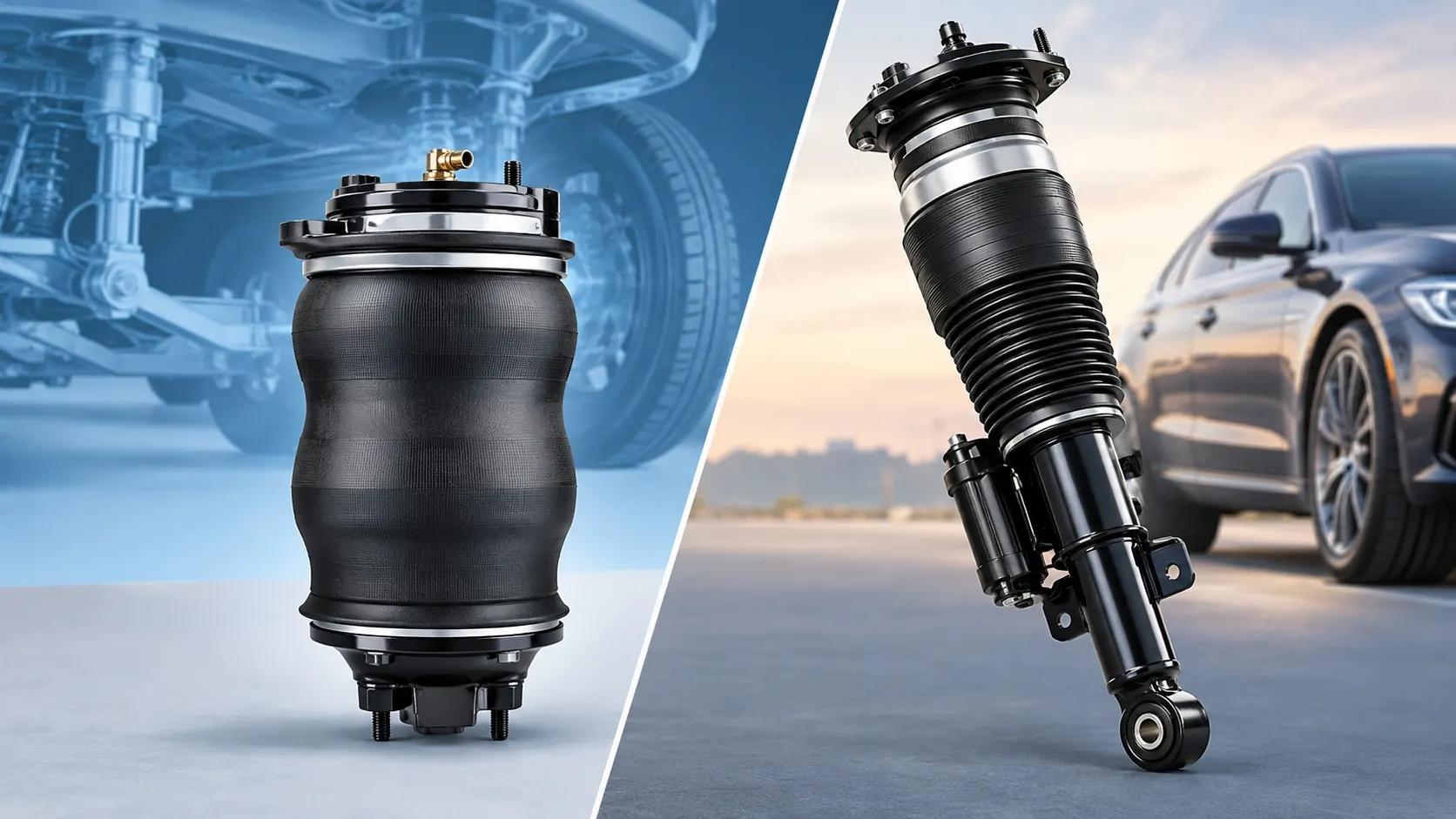

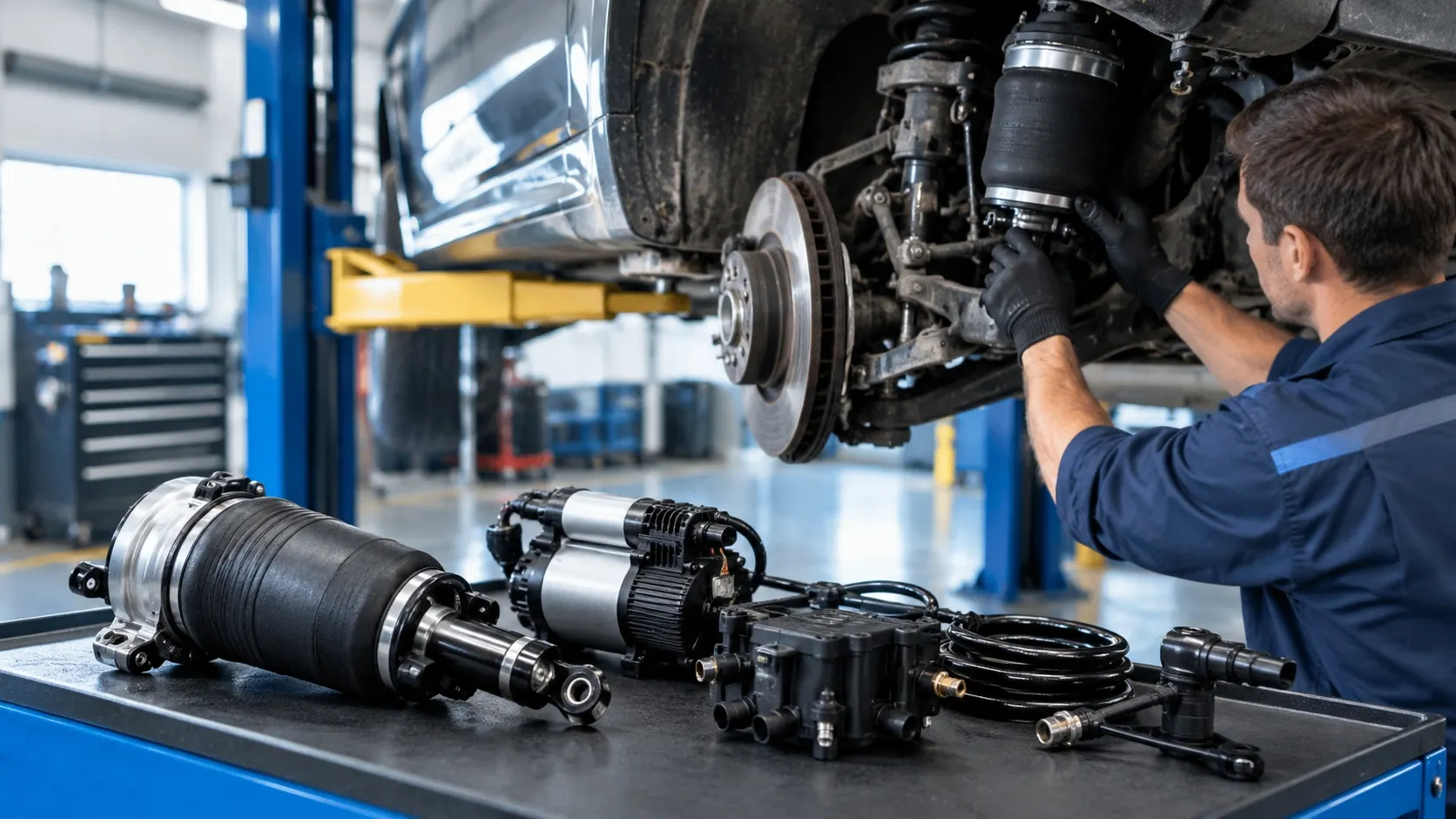
Air suspension systems are also utilized in performance vehicles, SUVs and luxury automobiles due to the fact that they give smoother ride, adjustable ride position, and driving comfort. Air spring and air strut are two key elements of these systems. These terms are sometimes used as synonyms, but they have different meanings and do not necessarily mean the same.
When it comes to vehicle components, an air spring vs. air strut may seem like two terms that are similar, but they are not. Knowing the difference can help you spot vehicle issues, determine replacement costs, and pick the right part for your car. This guide will detail the functioning of each component, its pros and cons, signs of failure and how to know which component has failed.
What Is an Air Spring?
An air spring is a soft spring filled with air that provides support and shock absorption for a vehicle. Rather than having a traditional steel coil spring it has a compressed air within a reinforced rubber bellows or air bag.
Air springs are typically used in luxury vehicles, SUVs, pickup trucks, commercial and electronically controlled air suspension systems.
How Does an Air Spring Work?
An air suspension system is a system that uses an air compressor to fit the compressed air to the air springs. An electronic control module and ride height sensors control the air pressure in the design to keep the ride height level.
The air springs compress and expand to absorb the impact on bumps and rough roads. The system can also be adjusted to adjust the air pressure to compensate for the additional load of passengers or cargo.
The ride height of many modern vehicles can be automatically adjusted, or programmed by the driver.
Advantages of Air Springs
1. Improved ride comfort
Air springs help absorb road irregularities, reducing vibrations and harsh impacts transmitted into the cabin.
2. Adjustable ride height
Depending on the vehicle, air suspension can raise the body for additional ground clearance or lower it for easier access and improved highway aerodynamics.
3. Automatic load leveling
Air springs can maintain a more consistent ride height when passenger or cargo loads change.
4. Enhanced driving flexibility
Some systems offer different suspension settings for comfort, sport driving, off-road use, or highway efficiency.
Common Air Spring Problems
Air springs are exposed to temperature changes, moisture, road debris, and repeated compression cycles. Over time, their rubber materials can deteriorate.
Common symptoms of a failing air spring include:
-
One corner of the vehicle sits lower than the others.
-
The vehicle sags after being parked overnight.
-
The compressor runs more frequently than usual.
-
The suspension warning light appears.
-
The vehicle loses ride height under normal driving conditions.
Air leaks may develop in the rubber bellows, air fittings, or connected air lines. However, similar symptoms can also result from a faulty valve block, compressor, or height sensor.
What Is an Air Strut?
An air strut is a suspension assembly that combines an air spring with a shock absorber or damper. Depending on its design, it may also serve as a structural suspension member that helps locate and support the wheel.
Unlike a standalone air spring, an air strut combines multiple suspension functions into one integrated unit.
Air struts are commonly used in luxury sedans, premium SUVs, and vehicles that require both adjustable ride height and precise suspension control.
How Does an Air Strut Work?
The air spring portion supports the vehicle's weight and adjusts ride height through compressed air. The damper controls the movement of the suspension as the wheel travels over bumps, corners, and uneven surfaces.
Without effective damping, the suspension would continue bouncing after hitting a road imperfection. The shock absorber inside the air strut helps control this movement and maintain tire contact with the road.
Some air struts also incorporate electronic damping controls that adjust suspension firmness according to driving conditions.
Advantages of Air Struts
1. Integrated suspension design
Combining the air spring and damper into one assembly can simplify certain vehicle suspension layouts.
2. Better body-motion control
The integrated damper helps reduce excessive bouncing, body movement, and instability during driving.
3. Adjustable ride height and damping
On vehicles equipped with adaptive suspension, the system may adjust both vehicle height and damping characteristics.
4. Enhanced handling
A properly functioning air strut helps balance ride comfort, steering response, and vehicle stability.
Common Air Strut Problems
Because an air strut combines several components, it can develop more than one type of failure.
Typical symptoms include:
-
Uneven vehicle height or suspension sagging.
-
A harsh or unusually soft ride.
-
Excessive bouncing after driving over bumps.
-
Knocking, clunking, or unusual suspension noises.
-
Visible air leaks around the air spring.
-
Reduced handling stability or a suspension warning message.
An air strut may still support the vehicle's weight while its damper is worn. Conversely, the damper may remain functional even when the air spring develops a leak.
A thorough inspection is necessary to identify the actual cause.
Air Spring vs. Air Strut: Key Differences
The main difference between an air spring and an air strut is their function and construction.
| Feature | Air Spring | Air Strut |
|---|---|---|
| Primary function | Supports vehicle weight using compressed air | Supports vehicle weight and controls suspension movement |
| Main components | Flexible air bellows or air bag | Air spring, damper, and associated assembly components |
| Ride height adjustment | Yes, when connected to a suitable air suspension system | Yes, when designed for air suspension |
| Damping function | Usually provided by a separate shock absorber or damper | Integrated into the strut assembly |
| Replacement scope | Typically the air spring component | Usually a combined spring-and-damper assembly |
| Common failure | Air leaks and rubber deterioration | Air leaks, damper wear, and mechanical wear |
| Repair considerations | May allow separate spring replacement | May require replacement of the complete assembly, depending on design |
Important: Not every air suspension system uses air struts. Some vehicles use separate air springs and shock absorbers, while others integrate these functions into a single assembly.
Always check the vehicle's original equipment design before ordering replacement parts.
Air Spring vs. Air Strut: Which One Is Better?
Neither component is universally better. The correct choice depends on the vehicle's suspension design, performance requirements, and maintenance needs.
Choose an Air Spring When the System Uses Separate Components
If your vehicle has a separate air spring and shock absorber, replacing only the air spring may be appropriate when the air bag leaks but the damper remains in good condition.
This approach can reduce replacement costs and avoid replacing serviceable components unnecessarily.
However, the technician should inspect the damper, air lines, fittings, and suspension mounting points before completing the repair.
Choose an Air Strut When the Vehicle Uses an Integrated Assembly
If the vehicle was originally equipped with an air strut, the correct replacement generally needs to match the original assembly's dimensions, mounting points, air connections, and damping specifications.
Replacing the complete air strut may be the most practical solution when both the air spring and damper show signs of wear.
Some designs allow individual components to be serviced separately, so replacement requirements should be confirmed using the manufacturer's repair information.
How Much Does Air Spring or Air Strut Replacement Cost?
The cost of replacing an air spring or air strut varies significantly by vehicle make, model, model year, suspension design, and parts quality.
An air spring replacement may cost less than replacing an integrated air strut because the assembly contains fewer components. However, labor costs and part availability can change the total price.
The following factors influence the final repair bill:
-
Parts quality: Original equipment, premium aftermarket, and budget replacement parts have different prices.
-
Vehicle design: Some suspension assemblies are more difficult to access and replace.
-
Labor requirements: Specialized tools or additional suspension work may increase labor costs.
-
Additional failures: A leaking air spring may have caused excessive compressor operation, potentially contributing to compressor wear.
-
Calibration and alignment: Some vehicles require ride-height calibration, wheel alignment, or electronic system checks after repairs.
When comparing estimates, ask whether the quoted price includes the part, labor, diagnostic testing, and any required calibration.
It is also important to confirm whether the replacement component is new, remanufactured, or used.
Can You Drive With a Bad Air Spring or Air Strut?
Driving with a failing air suspension component is generally not recommended, particularly if the vehicle is sagging significantly or displaying suspension warnings.
An air leak can cause the compressor to operate excessively, potentially leading to additional damage. Reduced ride height may also affect tire clearance, handling, and suspension travel.
A damaged air strut can introduce additional problems if its damping performance deteriorates.
If the vehicle sits unusually low, the tires contact the wheel arches, handling becomes unstable, or a suspension warning indicates a serious fault, stop driving when it is safe to do so and arrange professional assistance.
A minor leak may initially seem manageable, but the condition can worsen without warning.
How to Diagnose an Air Spring or Air Strut Failure
Accurate diagnosis is essential because several suspension components can produce similar symptoms.
A professional inspection typically includes the following steps.
Step 1: Check vehicle ride height
Compare the height of all four corners on level ground. Record whether the vehicle sits lower on one side or at one axle.
Step 2: Inspect for air leaks
Examine the air spring bellows, air fittings, and lines for visible damage or leakage. Appropriate leak-detection methods may be required.
Step 3: Evaluate damper performance
Check for fluid leakage, excessive bouncing, unusual noises, and reduced suspension control.
Step 4: Scan suspension fault codes
Use a compatible diagnostic tool to check the suspension control module, height sensors, compressor operation, and related electronic systems.
Step 5: Test the compressor and valve block
If the vehicle loses height or cannot rise correctly, the cause may be a compressor, valve block, air line, or electrical issue rather than the air spring itself.
Correctly identifying the failed component helps prevent unnecessary replacements.
How to Choose the Right Replacement Part
Before purchasing an air spring or air strut, verify the vehicle's make, model, model year, engine configuration, and suspension option.
The same vehicle model may use different suspension components depending on its trim level, production date, or optional equipment.
Check the original equipment number and confirm compatibility with the supplier. For electronic air struts, verify connector types, damping technology, and any required calibration procedures.
For repair shops, distributors, and fleet operators, comparing supplier warranty terms, technical support, manufacturing quality, and parts availability can also help reduce long-term maintenance costs.
Frequently Asked Questions
Is an air spring the same as an air strut?
No. An air spring primarily supports vehicle weight using compressed air. An air strut combines an air spring with a damper and may also serve as a structural suspension component.
Can I replace an air spring without replacing the strut?
Yes, if the vehicle uses a separate air spring and shock absorber, and the shock absorber remains serviceable. On an integrated air strut design, the required repair depends on whether the assembly can be serviced separately.
How long do air springs and air struts last?
Their service life varies with driving conditions, climate, vehicle design, component quality, and maintenance. There is no universal replacement interval for every vehicle. Regular inspections can help identify deterioration before a complete failure occurs.
Why does my car sag overnight?
Overnight sagging commonly indicates an air leak in an air spring, air line, fitting, or valve block. A faulty valve or other system problem may also cause the vehicle to lose height while parked.
Should air springs or air struts be replaced in pairs?
It depends on the vehicle manufacturer's recommendations and the condition of the opposite side. Replacing components in pairs may help maintain balanced suspension performance, especially when both sides have similar wear. However, the correct approach should be determined by inspection and manufacturer guidance.
Final Thoughts
When a suspension problem occurs, it's easier to diagnose, compare repair options, and choose the right replacement parts if it's an air spring or an air strut.
The air spring offers pneumatic support and ride height control, whereas the air strut is an integrated unit that supports the ride height plus provides damping. They play an important part in the vehicle stability, suspension performance and ride comfort.
Do not replace individual components until the entire system is inspected if your vehicle is sagging over night or unevenly when riding or if it shows an air suspension warning. Correct diagnosis can restore the suspension performance, prevent needless losses or ensure the reliability of your car.
Share on Social:


- PREV: Range Rover Suspension Fault: Causes, Symptoms & Repairs
- NEXT: Null
Contact Us
In This Article
- 1 What Is an Air Spring?
- 2 What Is an Air Strut?
- 3 Air Spring vs. Air Strut: Key Differences
- 4 Air Spring vs. Air Strut: Which One Is Better?
- 5 How Much Does Air Spring or Air Strut Replacement Cost?
- 6 Can You Drive With a Bad Air Spring or Air Strut?
- 7 How to Diagnose an Air Spring or Air Strut Failure
- 8 How to Choose the Right Replacement Part
- 9 Frequently Asked Questions
- 10 Final Thoughts
