

Aftermarket Automotive Air Suspension Parts: Build the Right Repair Order
Many aftermarket auto air suspension parts are looked for as individual products, however, a workshop requires a complete repair decision. The terms of a quotation for “air suspension” may refer to replacing a strut, pneumatic spring, repair kit, compressor or valve block. Those categories can be mixed up, which can add time to an otherwise simple task.
Now it's up to the service advisers and parts buyers to decipher the tech's diagnosis and place an order that will maintain the customer's desired suspension. This guide shows how these main component categories are interrelated and how to outline what is included in the supply and create a repair quotation which will make sense to the customer.
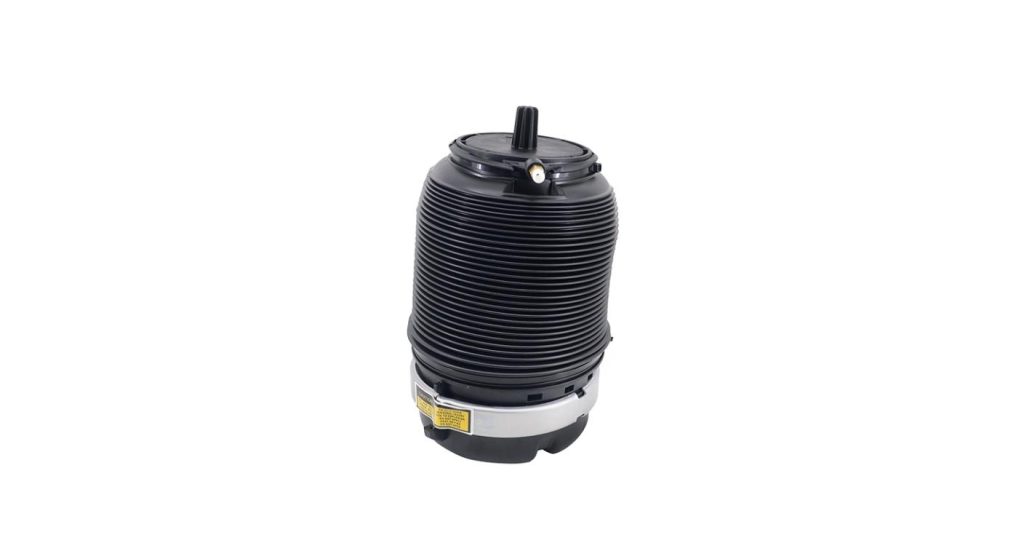
Use the Repair Objective to guide your repair.
Determine if the customer wants to replace an existing factory air suspension system or if they would like to convert to a different system. These are in addition to the requirements. A replacement parts catalogue should not be assumed to be indicative that a supplier is able to provide full retrofit options and support all modifications.
When repairing with the factory system, note the Vehicle ID and technician's confirmation of findings prior to selecting a product category. A symptom (a warning message, low corner or noisy pump) is not a complete purchasing instruction.
HUIJIE's air suspension replacement range currently includes replacement air suspension assemblies, springs, compressors and valve blocks for specific passenger vehicle applications. Use those categories to list the enquiry then further filter down to the specific vehicle and repair area.
Shut out Air Support From Damping
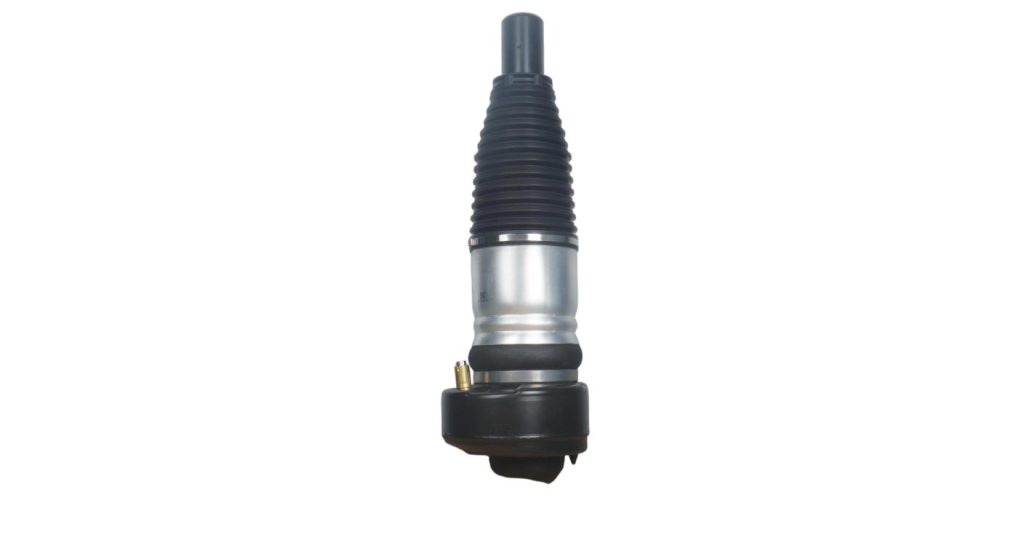
Pneumatic support is provided by an air spring and the movement of the suspension is controlled by a damper. These functions can be integrated in an air strut, or they can be separate components. This is the reason for the apparent difference in the amount of hardware covered by apparently similar quotations.
The Audi A8 D5 front air suspension assembly by HUIJIE is a typical case of replacement air suspension assembly with both spring and damping function. It shows the "full assembly" category and not a universal solution for all air suspension cars.
If a repair kit that is compatible is available the original damper may be retained if it is still serviceable. The repair kit for the front-left side of the XC90 is a narrower of this repair routes, and it is a HUIJIE product. The workshop should determine if the components to be retained are suitable and if the repair procedure is appropriate.
On the quotation, explicitly describe the chosen route. Customers need to be aware of paying for a full assembly or rebuilding the pneumatic portion around the existing parts.
Answer Air Supply as a separate repair question.
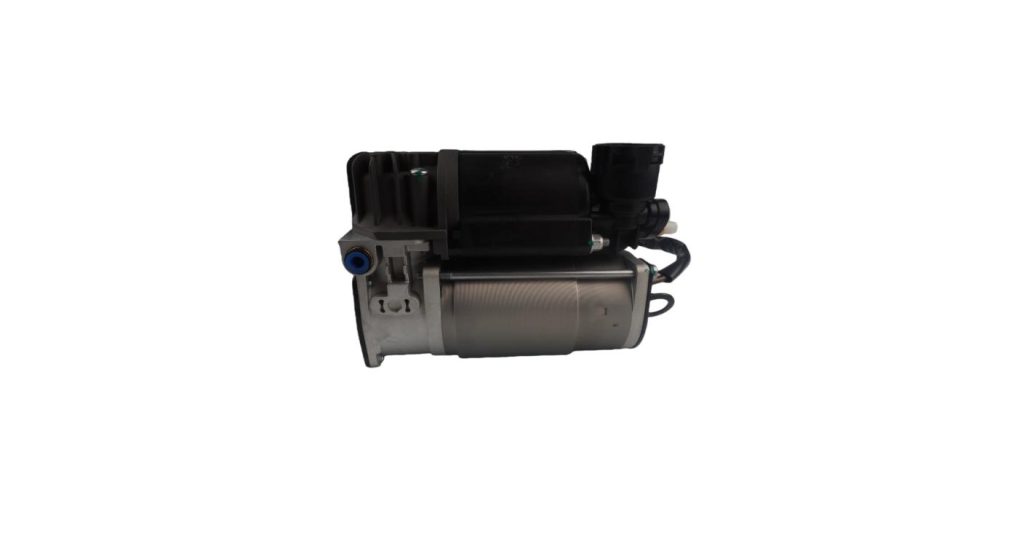
The compressor provides the compressed air which can be ordered, but it's not a good idea to just buy it because the suspension takes too long to rise. Diagnostic tests should determine if the issue is one of air production, electric supply, too much leakage, or other system condition.
The category of the compressor is an application specific one, as shown in the HUIJIE Jaguar XJ air suspension pump listing. Please check the replacement reference, electrical connections, mounting solution and accessories provided before ordering.
If the leak is not in the pump, a replacement pump will not correct the leak. The technician should get to the root of the failure and determine other service needs. This will mean that the buyer will have to wait for the workshop to specify the parts required instead of add a compressor speculatively.
To be able to Identify Air Distribution Parts Independently.
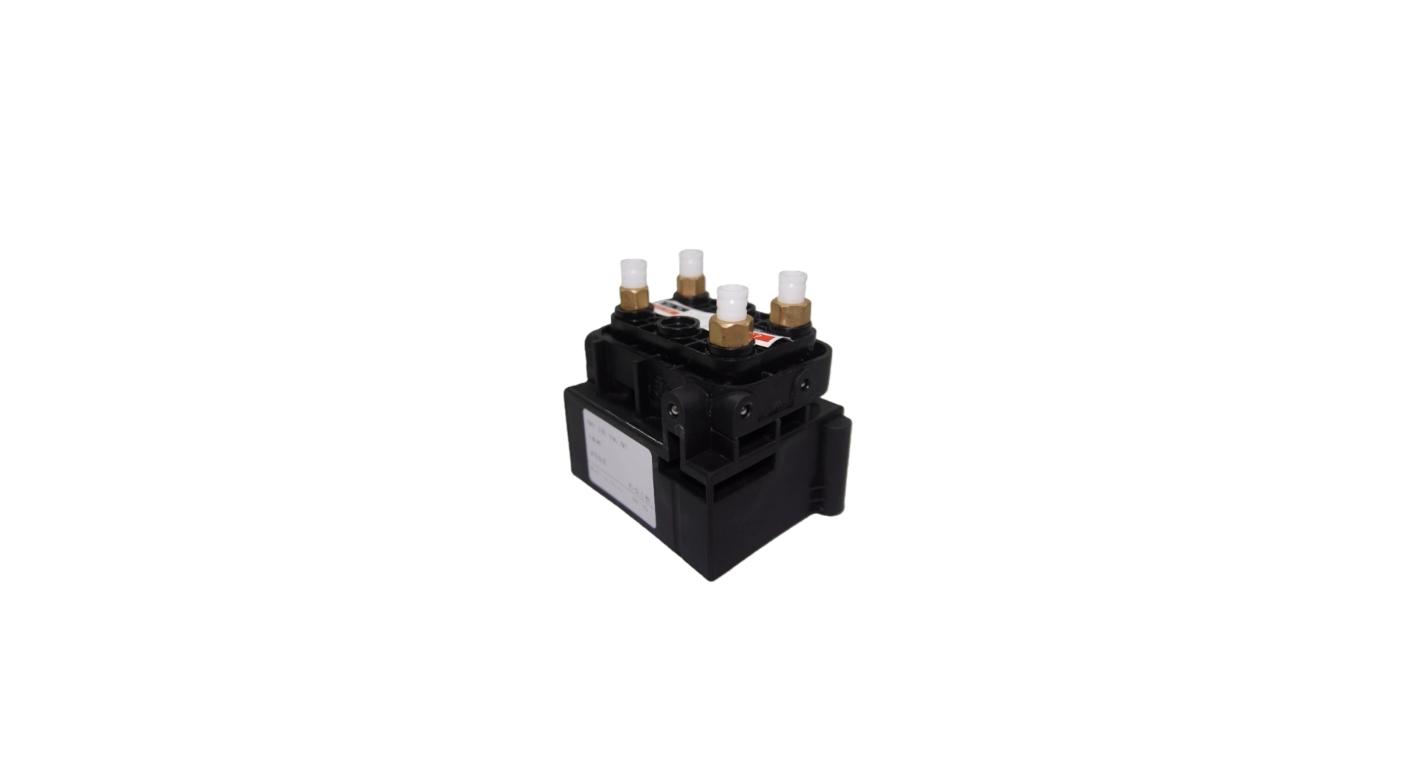
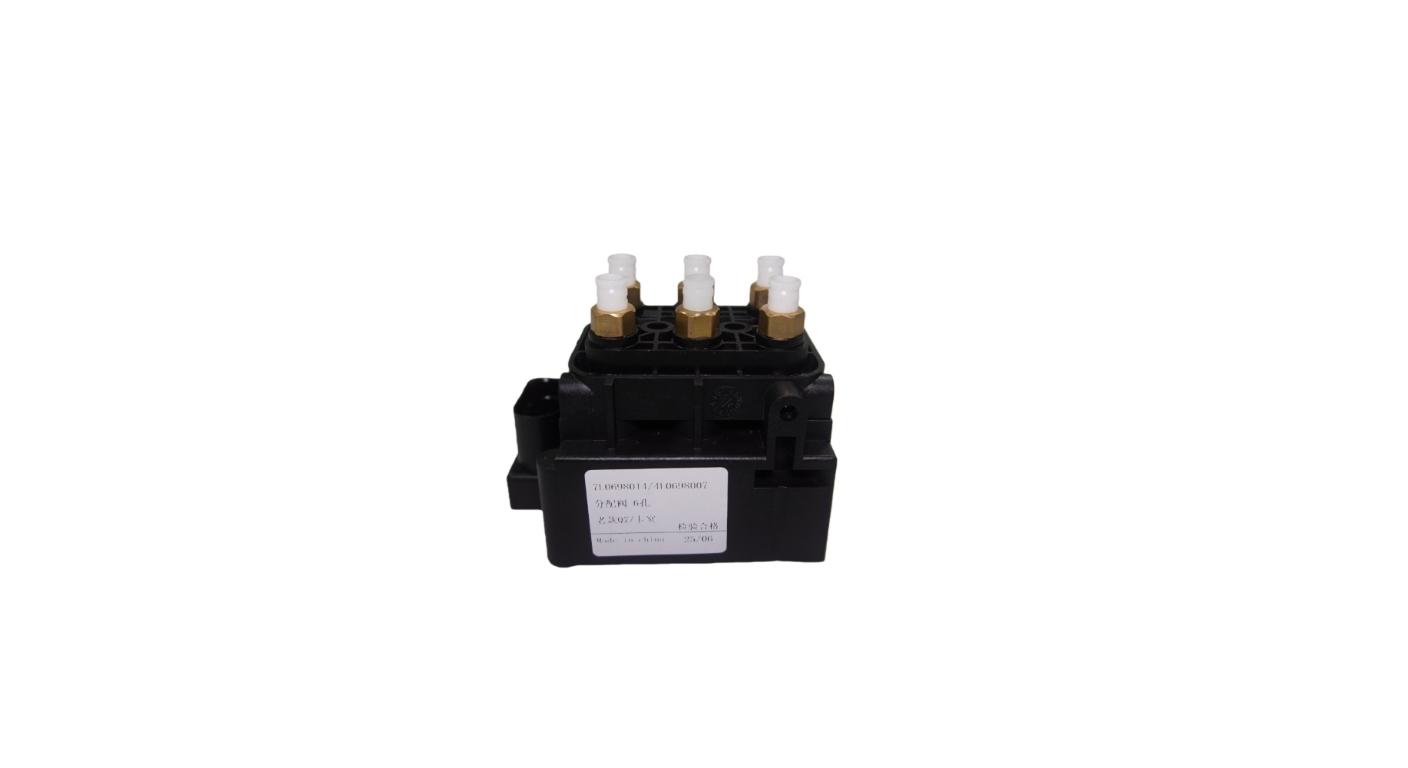
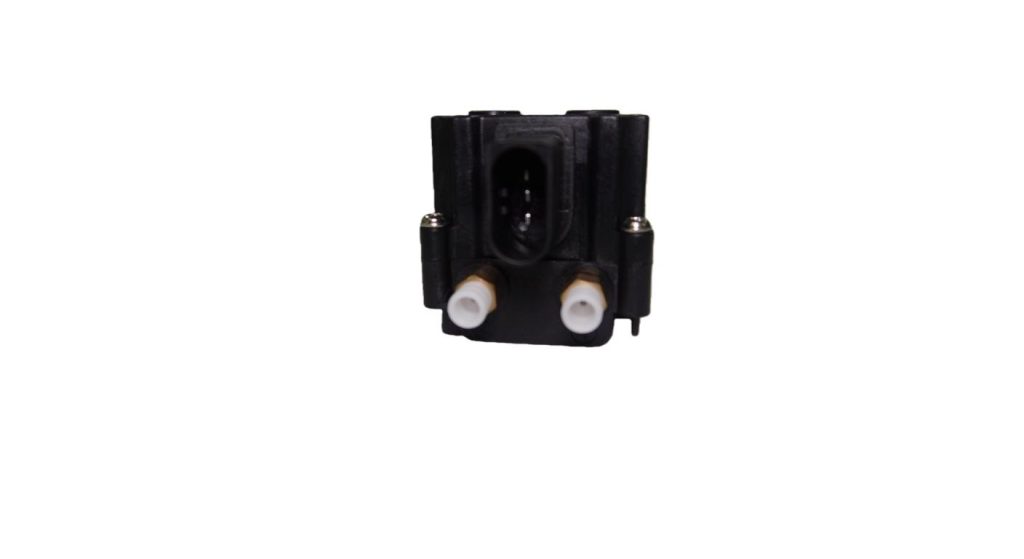
The routing of the air in the suspension circuit is controlled by valve blocks. They are not used for compressed air or for spring support, so should be allocated a separate line in the repair assessment.
HUIJIE's replacement parts include a BMW air suspension valve block. Even if it is of the same brand the reference, circuit location, wiring and vehicle must be verified.
If there is an uneven height, the service adviser should ask for the technician's decision as to which valve block to use and not make a choice based on this symptom alone. Different action may be required due to faults with lines, connections, sensors or other components. Ensure that the parts that are confirmed to be replaced are different from those that are still under investigation, particularly when creating an estimate prior to diagnosis completion.
Create a single App Order Record for an entire Order.
It's possible for a multi-part repair to consist of multiple catalogue entries, each with its compatibility conditions. Make one record of the vehicle and double check all of the ordered references. Don't presume that parts listed on a site as a group are sold as a complementary package.
Add chassis identification, production information, suspension variant and location. Maintain original component markings and pictures of pertinent connections. If the supplier wants to offer an alternate reference, ask the supplier to confirm that this is acceptable and what is different in installation.
An OE cross-reference does not provide actual vehicle-manufacturer origin but will help identify an application. Ensure that after market manufacturer identity and description of product is retained on purchasing documents and customer quotations.
When there is a mismatch between catalogue headings, photographs or specification fields, clarify the mismatch prior to sending. This is the time for a brief explanation that can avoid the case of a workshop getting a part that seems to be familiar to them but for which they are unable to provide the repair.
Determine contents and evidence prior to installation
Be sure to check the content of the box. A product picture can display an assembly without necessarily identifying all the seals, brackets, fittings or fasteners that are needed to assemble the product. Inquire about those items that need to be renewed individually following the instructions.
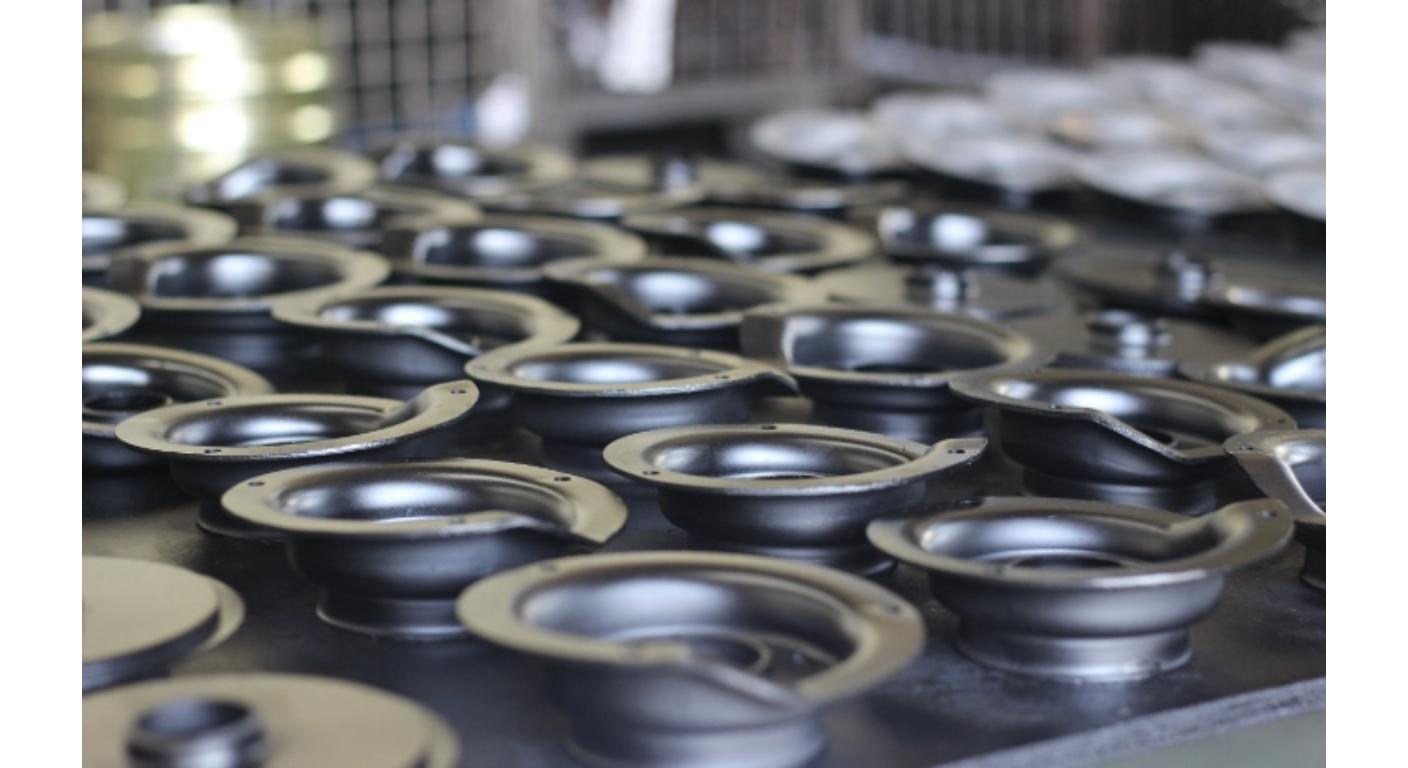
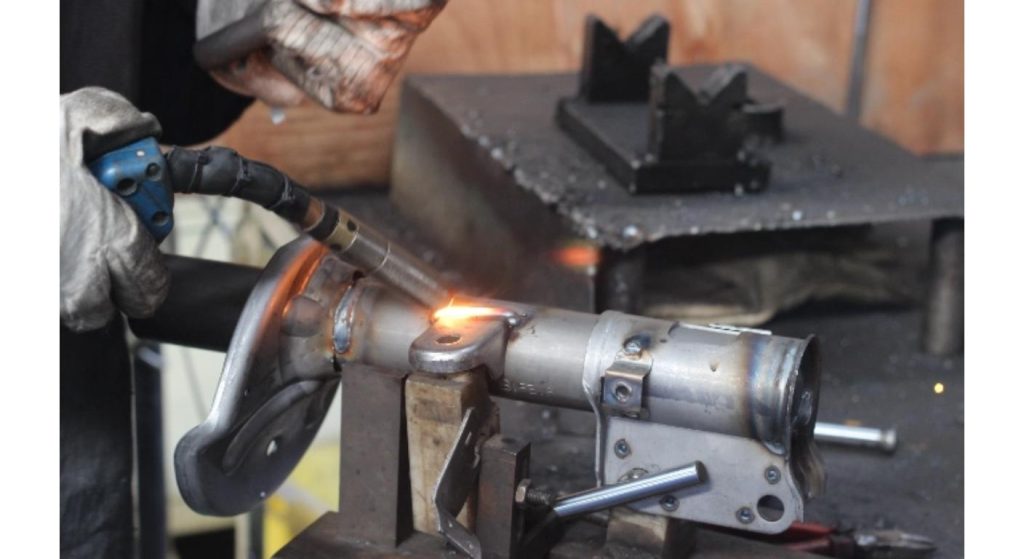
Context is also needed for the construction details. On the pages on reinforced rubber sleeves, crimping rings, leakage inspection, HUIJIE is described. Use those descriptions to the product under discussion, not necessarily assuming that the construction or tests are the same for all categories of components.
Include product directions and any inspection information that is applicable with the order. Don't turn a quality statement into an unsupported service life, pressure or performance promise.
When received, check against the approved quotation for quantity, contents, physical condition and labels. If possible, finish this review prior to the installation appointment to allow time to address missing items and/or identification issues.
Include the cost of the repair as well as the part.
A helpful customer estimate provides information about the replacement area, parts to be kept, replacement consumables, and labour required to complete the replacement. As per vehicles service procedure add diagnostic and calibration, if necessary.
Following installation workshop(s) should conduct the required functional tests and look into any warnings not resolved or height loss. Clearance does not indicate that repair goal is met.Clearance does not indicate that repair goal is met.
If a workshop is being supported by a distributor, keep the references and order record provided by the distributor, and any technical clarification. This establishes a common ground should the installer at a future time file a concern. You can't determine the practicality of aftermarket automotive air suspension parts without identifying them and having a record of successful repair in addition to the part.
Conclusion
Spring support, damping, air supply and air distribution are clearly linked in a repair order and their roles are not confused. Before ordering, determine the part numbers and check that they match the vehicle, verify that the supplies are included and what constitutes complete. That makes a wide-ranging aftermarket enquiry into a repair which the workshop can provide.
FAQs
Q1. Is it always the case that aftermarket parts are performance enhancements?
No. Many are designed to be used to replace worn parts in an existing system. Make sure that the application and intended use are confirmed prior to purchase.
Q2. What are the differences between an air spring and an air strut?
No. An air strut is a combination of spring and damper; an air spring alone is not a damper. Review layout of the vehicle.
Q3. Does the leaking spring need to be replaced with a compressor?
Not automatically. Evaluate the compressor and the source of problem. Replace parts based on known issues and for service.
Q4. Is a part OE an indication that it is genuine?
No. An aftermarket listing can be used to match the application by using an OE number. Please check the real manufacturer and supply description separately.
Q5. Are all replacement parts delivered with fittings for installation?
None (Contents depend on the product). Verify what is included and what is a separate requirement (such as consumables) before making the appointment to repair.


Contact Us
In This Article
- 1 Use the Repair Objective to guide your repair.
- 2 Shut out Air Support From Damping
- 3 Answer Air Supply as a separate repair question.
- 4 To be able to Identify Air Distribution Parts Independently.
- 5 Create a single App Order Record for an entire Order.
- 6 Determine contents and evidence prior to installation
- 7 Include the cost of the repair as well as the part.
- 8 Conclusion
