


Air Suspension Compressor Fuse Keeps Blowing: Causes & Fixes

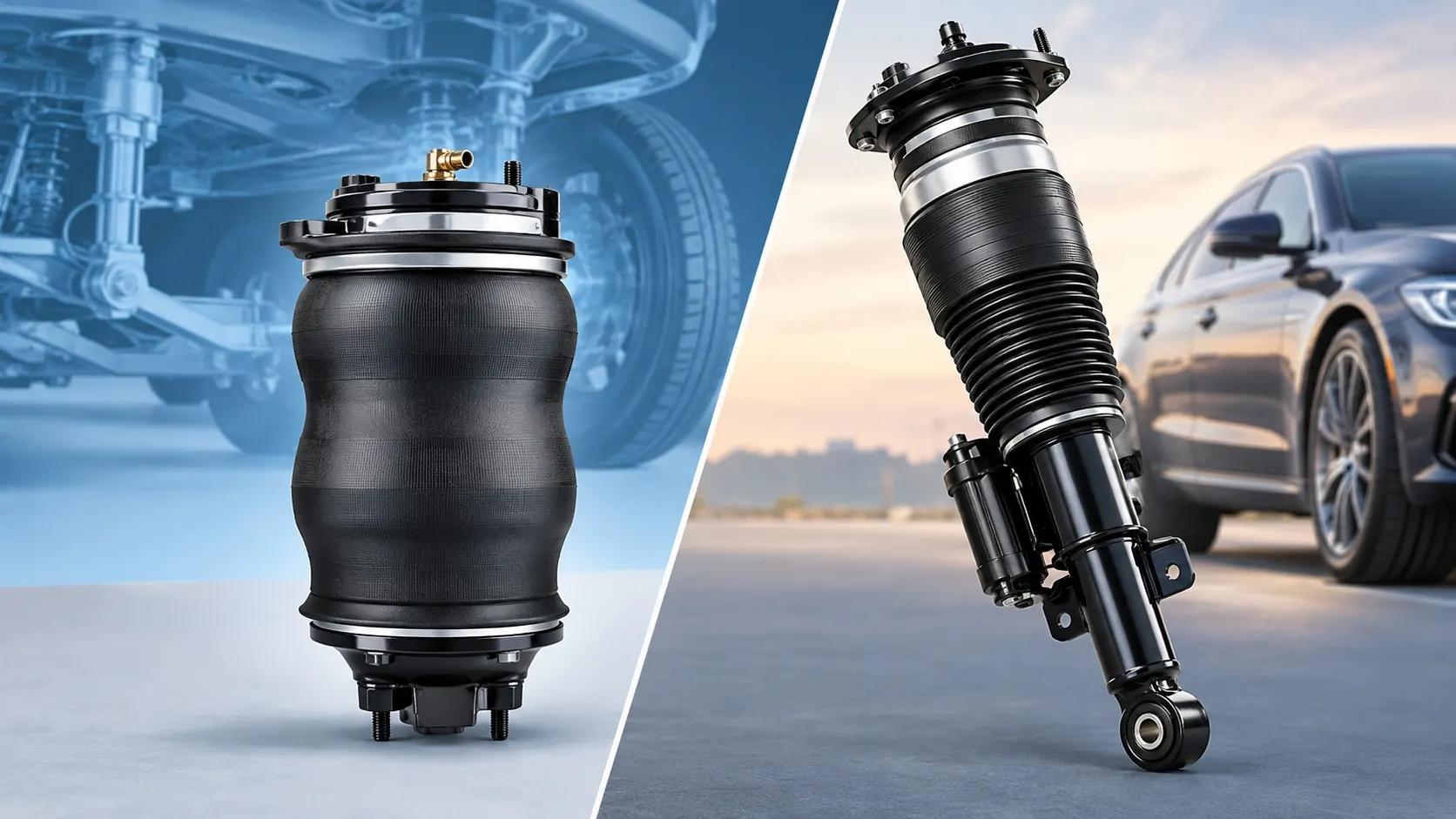
When the air suspension compressor fuse blows repeatedly, it typically means that there is a problem with an electric component, a high current or a faulty part in the air suspension system. If the fuse blows again, replacing it may get the job done for a time, but the problem needs to be found out first or the fuse could blow again and there will be more damage.
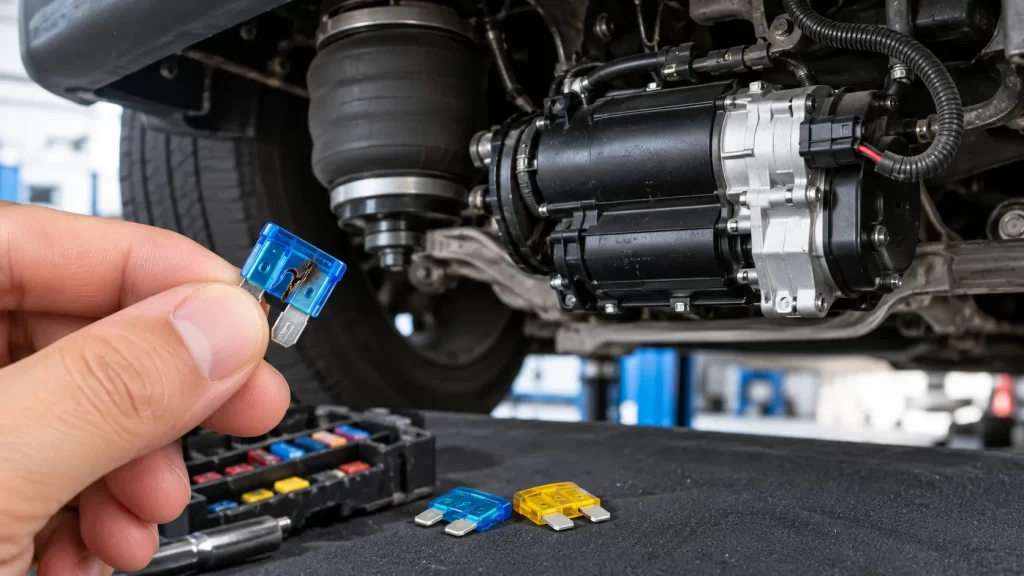
An air suspension system uses an electric compressor to provide compressed air to the air springs or air struts. Compressor, relay, wiring, pressure sensor and control module all must function to maintain proper ride height. If a component fails, the compressor can begin to draw excessive current or have intermittent electrical problems.
In this guide, we will cover the most prevalent causes of an air suspension compressor fuse blowing, how to troubleshoot the issue and which repairs can restore air suspension reliability.
1. Why Does an Air Suspension Compressor Fuse Keep Blowing?
The fuse is to keep the electrical circuit from the compressor from overloading. If a fuse is blown for an extended period, the fuse will melt and open the circuit.
This condition can result from a number of issues, such as a failing compressor motor, restricted airflow, damage to the wiring, a broken relay, or an air leak that causes the compressor to run all the time.
The most common causes are:
- A worn-out or internally damaged compressor motor
- Air leaks in the suspension system
- A faulty compressor relay
- Short circuits or damaged wiring
- A blocked air intake or restricted air line
- Incorrect fuse specifications
- A malfunctioning suspension control system
Identifying the exact cause is important because replacing the compressor without checking the electrical circuit may leave the original problem unresolved.
2. A Failing Air Suspension Compressor Motor
One of the most frequent causes of the air suspension compressor fuse blowing often is a worn motor in the compressor.
With time, internal motor parts may wear out. The motor could be leaking electrical current more than usual due to damaged windings, worn bearings or mechanical resistance.
If the compressor doesn't start, it could also cause a sudden surge of current. The fuse may blow immediately or quickly after the compressor starts working if this exceeds the fuse's capacity.
Common warning signs
Look for the following symptoms:
- The compressor runs slowly or sounds unusually loud.
- The fuse blows as soon as the compressor starts.
- The suspension takes longer than usual to reach its normal height.
- The vehicle sits lower than normal after being parked.
- The compressor becomes excessively hot during operation.
How to fix it
Begin by inspecting the compressor connector, power supply, ground connection, and motor condition. A qualified technician can measure voltage and current draw while the compressor operates.
If the motor is mechanically seized or electrically damaged, replacing or professionally rebuilding the compressor may be necessary. Before installing a replacement, check for air leaks and other conditions that could have caused the original compressor to fail.
3. Air Leaks Cause the Compressor to Overwork
An air leak does not always cause a fuse to blow directly. However, it can make the compressor run too frequently or for too long, increasing heat buildup and electrical load.
Common leak locations include air springs, air struts, pneumatic fittings, air lines, and the valve block.
When the system loses pressure, the suspension control module may repeatedly activate the compressor to restore the desired ride height. Eventually, an overheated or weakened compressor may draw excessive current and blow its fuse.
Signs of an air suspension leak
You may notice:
- One corner of the vehicle sits lower than the others.
- The vehicle drops overnight.
- The compressor runs frequently.
- The suspension warning light appears.
- The compressor operates for unusually long periods.
How to fix it
Inspect the air springs, lines, and fittings for visible damage. A suitable leak-detection solution can help identify escaping air around accessible connections.
Repair or replace leaking components before installing a new compressor. Otherwise, the replacement unit may experience the same excessive workload and fail prematurely.
4. Damaged Wiring or a Short Circuit
A short circuit can cause an air suspension compressor fuse to blow immediately, even when the compressor itself is still functional.
Electrical wiring can become damaged through vibration, corrosion, moisture exposure, heat, or contact with sharp metal edges. Insulation may wear away, allowing a power wire to contact the vehicle body or another grounded component.
Corroded terminals and loose electrical connections can also create excessive resistance and heat. Although a poor connection does not always blow a fuse, it can contribute to unstable compressor operation and electrical damage.
How to inspect the wiring
Check the following areas:
- The compressor power connector
- Ground connections and terminals
- Wiring near the compressor mounting bracket
- Harness sections exposed to road debris or moisture
- Fuse box terminals and relay connections
Look for melted insulation, discoloration, corrosion, loose pins, or damaged connectors.
Use the vehicle's wiring diagram to test the circuit safely. If a short circuit is suspected, disconnect power according to the manufacturer's service procedure before inspecting or repairing wiring.
Damaged wires should be repaired with suitable automotive-grade materials and protected against moisture, vibration, and abrasion.
5. A Faulty Air Suspension Compressor Relay
The compressor relay controls electrical power supplied to the compressor. If the relay contacts become damaged, stuck, or internally shorted, the compressor may receive power when it should be switched off.
A faulty relay can also develop excessive resistance, resulting in heat and unreliable operation.
In some vehicles, a stuck relay causes the compressor to run continuously, even after the suspension reaches its target height. This can overload the compressor and eventually cause the fuse to blow.
How to diagnose a relay problem
After vehicle is at normal ride height, listen for abnormal compression. Invite an observer to observe if the compressor is still operating when it should have been turned off by the control system.Ask an observer to observe if the compressor is still running when it is supposed to be off.
A technician can test relay operation and contact resistance, as well as control signals. Replace the relay with a component if the relay is faulty, and ensure it is the same manufacturer's part number or electrical rating.
A blown fuse doesn't necessarily indicate a relay failure. Also, check the compressor, wiring and control circuit.
6. A Blocked Air Intake or Restricted Airflow
To operate efficiently, air suspension compressors need sufficient air flow. Operating time and temperature can be elevated due to a blocked intake filter, intake hose damage, or air passages that are limited.
If the compressor is unable to provide the air required at the desired rate the suspension controller may continue the compressor for longer than usual. Thermal stress and high current consumption may occur with prolonged use, particularly if the compressor is worn.
Check the intake filter/hose for dirt, water, kinks, or damage. Change the filters and replace broken or leaking hoses as per the manufacturer's recommendations for maintenance.
Also inspect dryer and dryer air passages (if applicable). If moisture or contamination occurs in the system, it can impact the system function and lead to early component failure.
7. The Wrong Fuse Rating
Putting in the wrong fuse can cause other issues.
A fuse with a rating that is too low may blow during otherwise normal operation or startup. If the fuse is overrated, it won't provide sufficient protection for the wiring and can lead to overheating and fires.
Always use the type and amperage of the fuse recommended by the vehicle manufacturer. Refer to the owner's manual, fuse-box diagram or official service information.
Do not install a higher fuse just to avoid frequent fusing problems. When the proper fuse continually blows then the circuit needs to be diagnosed, not replaced with a higher-rated fuse.
8. Step-by-Step Troubleshooting Guide
If your air suspension compressor fuse keeps blowing, follow a systematic diagnostic process.
Step 1: Identify when the fuse blows.
Does it blow immediately when installed, when the ignition is switched on, or only when the compressor starts running? The timing can help distinguish a short circuit from a motor overload.
Step 2: Confirm the correct fuse specification.
Check the manufacturer's recommended amperage and fuse type before proceeding.
Step 3: Inspect the electrical circuit.
Look for damaged wires, corroded terminals, loose connectors, and signs of overheating.
Step 4: Check for air leaks.
Inspect the air springs, lines, fittings, and valve block. Address leaks that could cause excessive compressor operation.
Step 5: Test the relay and compressor.
Use appropriate diagnostic equipment to evaluate relay function, supply voltage, ground integrity, and compressor current draw.
Step 6: Scan the suspension control module.
Read stored diagnostic trouble codes using a compatible scan tool. Codes may help identify compressor performance, pressure, temperature, or circuit-related problems.
Step 7: Verify the repair.
After correcting the fault, install the specified fuse and test the system according to the vehicle manufacturer's procedure. Confirm that the compressor stops normally and the suspension reaches the correct ride height.
If the fuse blows again, stop testing and investigate the remaining fault.
9. Can You Drive With a Blown Air Suspension Compressor Fuse?
These questions can only be answered by the driver in conjunction with the type of suspension problem and type of vehicle.
Air may be still be sufficient to help keep the ride height for a short time in some vehicles. Others might slowly lose the suspension levels, handling could be poor or limited operating mode.
Low or unbalanced suspension can lead to loss of ground clearance, altered handling and braking, and more damage to the suspension components.
Never drive if the vehicle is too low, touching the bodywork or the handling is compromised. Always obey any suspension conditions in the owner's manual.
10. How to Prevent Repeated Fuse Failures
Preventive maintenance can reduce the likelihood of repeated air suspension compressor fuse failures.
- Inspect air springs and pneumatic connections for leaks.
- Keep the compressor intake clean and unobstructed.
- Check electrical connectors for corrosion and damage.
- Address unusual compressor noise or extended operating time early.
- Use manufacturer-approved replacement components.
- Diagnose the original fault before replacing a blown fuse.
- Follow the recommended service procedures for the compressor and suspension system.
Early diagnosis can help prevent damage to the compressor, wiring harness, relay, and other suspension components.
Frequently Asked Questions
Why does my air suspension compressor fuse blow immediately?
An immediate failure may indicate a short circuit, a seized compressor motor, damaged wiring, or another electrical fault that creates excessive current. Check the circuit before replacing additional fuses.
Can a bad compressor relay blow the fuse?
Yes. A defective relay can cause abnormal compressor operation or electrical problems. However, the relay should be tested alongside the compressor and wiring rather than replaced without confirmation.
Will replacing the air suspension compressor fix the problem?
Not necessarily. A replacement compressor may solve the issue if the original motor is defective, but air leaks, restricted airflow, wiring faults, or relay problems can cause the new unit to fail as well.
How much does it cost to fix an air suspension compressor fuse problem?
Repair costs vary by vehicle, component availability, and labor rates. A simple fuse or relay replacement may cost substantially less than compressor replacement or electrical harness repairs. Accurate pricing requires diagnosis and vehicle-specific information.
Should I install a higher-amp fuse?
No. Installing a fuse with a higher rating than specified can leave the circuit inadequately protected. Use the correct fuse and identify why it keeps blowing.
Conclusion
The most common reasons a compressor fuse will keep blowing in an air suspension compressor system are a failing compressor motor, air leaks, damaged wiring, a bad compressor motor fuse, limited air flow, or the wrong size compressor motor fuse.
The best approach is to troubleshoot the entire system instead of replacing the fuse over and over and installing a new compressor. Test the electrical circuit, verify the fuse type, look for air leakage and test the compressor performance with the proper service procedures.
These are the most common failure patterns that every vehicle owner, service center and parts provider should know to make the troubleshooting process more efficient and prevent a recurrence of the suspension issue. To restore reliable air suspension performance, it is important to diagnose and replace the right components.
Share on Social:


Contact Us
In This Article
- 1 1. Why Does an Air Suspension Compressor Fuse Keep Blowing?
- 2 2. A Failing Air Suspension Compressor Motor
- 3 3. Air Leaks Cause the Compressor to Overwork
- 4 4. Damaged Wiring or a Short Circuit
- 5 5. A Faulty Air Suspension Compressor Relay
- 6 6. A Blocked Air Intake or Restricted Airflow
- 7 7. The Wrong Fuse Rating
- 8 8. Step-by-Step Troubleshooting Guide
- 9 9. Can You Drive With a Blown Air Suspension Compressor Fuse?
- 10 10. How to Prevent Repeated Fuse Failures
- 11 Frequently Asked Questions
- 12 Conclusion
