


Air Suspension Compressor Relay Symptoms: Signs & Fixes

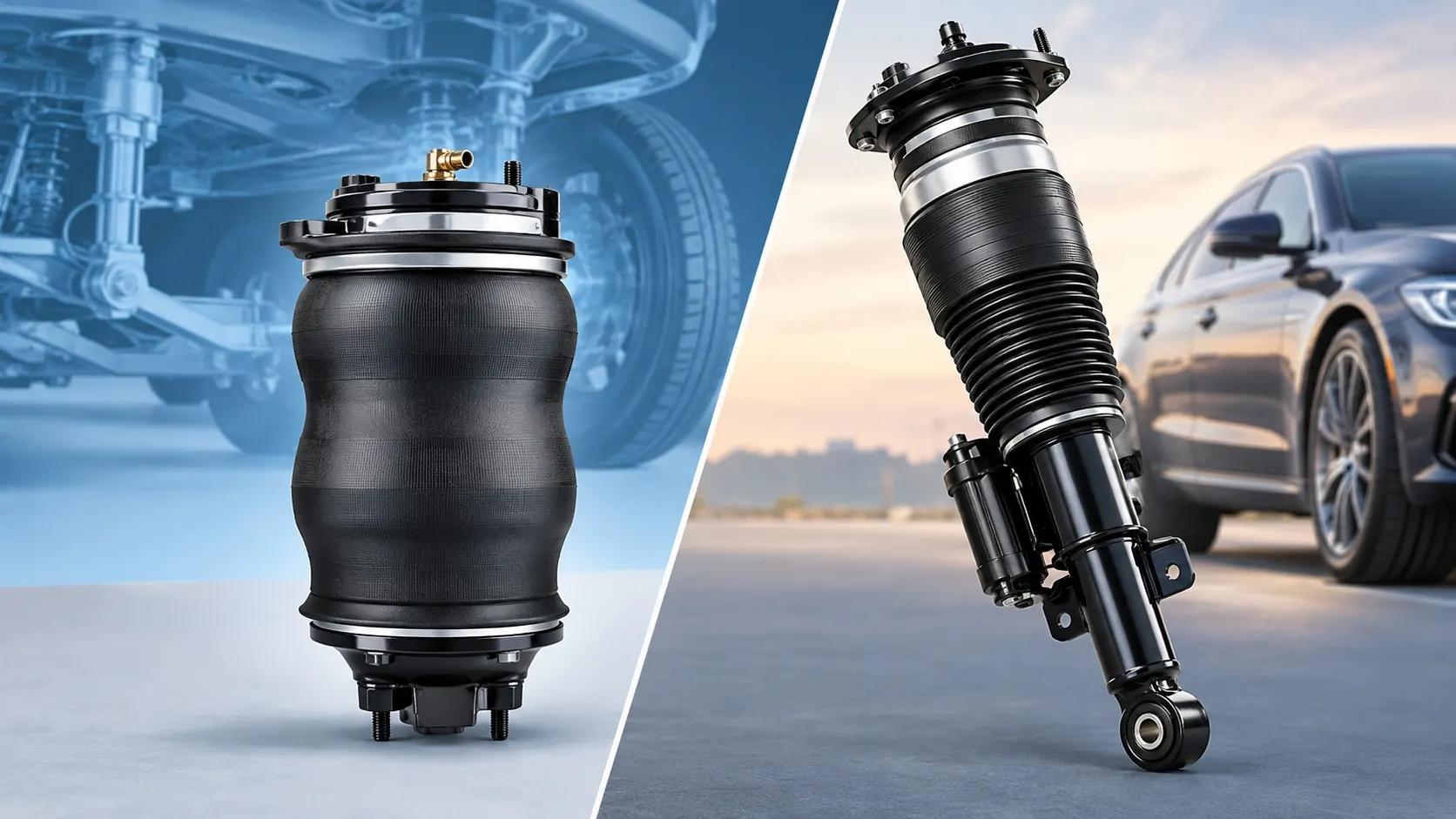
The purpose of an air suspension system is to deliver a comfortable ride, correct vehicle height and vehicle stability. Air suspension is different from the traditional suspension system, which is steel spring-based; it is a system of air springs, air compressor and electronic controls that can adjust the ride height according to driving conditions and vehicle load.
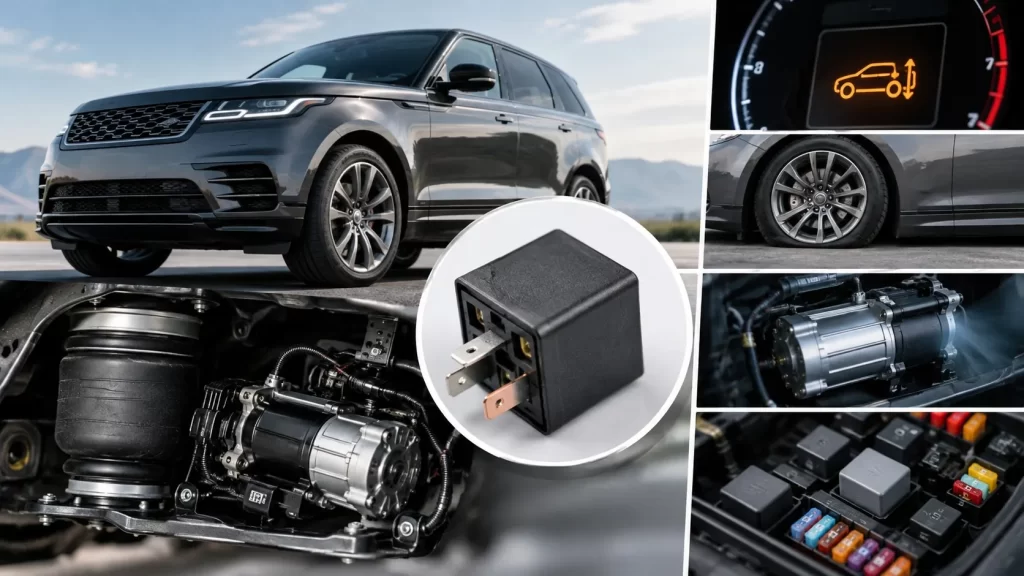
The air suspension compressor relay is one very small but significant part of this system. This electrical switch is used to power the compressor, which will inflate the air springs when necessary. As the relay starts to fail, the compressor can fail, run all the time or even fail intermittently, which can impact the vehicle's ride height and performance.
When air suspension compressor relay symptoms appear, it is good to note early on in order to help drivers determine the cause of the suspension issues and prevent unnecessary parts replacement and further damage to the compressor.
In this guide, we explain the most common symptoms of a faulty air suspension compressor relay, how to diagnose the problem, what causes the relay to fail and when it needs to be replaced.
1. What Is an Air Suspension Compressor Relay?
Air suspension compressor relay is an electrical switch that is used to switch the power circuit of the air suspension compressor.
An air compressor usually has higher electrical demand than a vehicle control module is capable of. The relay is there to serve as a buffer. There are times when more compressed air is needed and the suspension control module or some other control circuit will turn on the relay.
After activation the relay enables the compressor to receive electrical power. Once the system has reached the desired pressure or ride height, the control system turns off the relay.
The main functions of an air suspension compressor relay include:
- Controlling electrical power to the air suspension compressor.
- Allowing the compressor to operate when required.
- Helping prevent unnecessary compressor operation.
- Supporting automatic vehicle height adjustment.
- Enabling the suspension control system to respond to changing loads and driving conditions.
A malfunctioning relay can interrupt this process, even when the compressor itself is still in good working condition.
However, similar symptoms can also result from a blown fuse, damaged wiring, a faulty height sensor, air leaks, or a worn-out compressor. Proper diagnosis is essential before replacing components.
2. Common Air Suspension Compressor Relay Symptoms
Understanding the warning signs of a failing relay is the first step toward identifying an air suspension problem.
2.1 The Air Suspension Compressor Does Not Turn On
One of the most common symptoms of a faulty air suspension compressor relay is a compressor that fails to start.
When the vehicle needs to raise its suspension, the control module sends a signal to activate the relay. If the relay contacts are damaged, burned, or unable to close properly, electrical power may not reach the compressor.
Drivers may notice:
- The vehicle sits lower than normal.
- The suspension does not rise after starting the engine.
- The compressor produces no sound.
- The vehicle takes longer than usual to reach its normal ride height.
- An air suspension warning appears on the dashboard.
Before assuming the relay has failed, check the compressor fuse, battery voltage, wiring connections, and relevant diagnostic trouble codes.
A compressor that does not run can also indicate a failed motor, an inactive control system, or a problem with the compressor's power supply.
2.2 The Air Compressor Runs Continuously
Another important symptom is a compressor that continues running longer than expected or does not switch off.
A relay with contacts that have become stuck closed may continue supplying power even after the suspension control module requests the compressor to stop.
Continuous operation can lead to excessive heat, accelerated compressor wear, increased electrical load, and eventual compressor failure.
Drivers may hear the compressor running for unusually long periods, even when the vehicle has already reached its normal ride height.
However, continuous compressor operation does not automatically confirm a faulty relay. An air leak, a defective height sensor, a weak compressor, or a system that cannot reach its target pressure can also cause prolonged operation.
Important: If the compressor continues running after it should stop, have the system inspected promptly. Follow the manufacturer's procedure for safely isolating power rather than repeatedly operating the system.
2.3 The Compressor Operates Intermittently
A failing relay may work sometimes and fail at other times.
Internal electrical contacts can become worn, corroded, or heat-damaged. These conditions may create an inconsistent electrical connection, causing the compressor to start and stop unpredictably.
Typical signs include:
- The suspension works normally on some trips but fails on others.
- The compressor starts after the vehicle has been restarted.
- Ride height adjustment is inconsistent.
- The suspension warning appears intermittently.
- The compressor responds differently under varying temperatures or electrical loads.
Intermittent problems can be difficult to diagnose because the relay may appear functional during a quick inspection.
A technician can test the relay under appropriate electrical conditions and check for voltage drops, poor connections, and related circuit faults.
2.4 The Vehicle Sits Low or Unevenly
A faulty compressor relay can prevent the air suspension system from supplying enough air to the springs.
When the compressor cannot operate, the vehicle may remain at a low ride height or fail to recover after parking overnight.
Depending on the vehicle and the location of any additional faults, one side or one corner may appear lower than the others.
Common observations include:
- A low rear end after loading the vehicle.
- Uneven vehicle height when parked.
- Difficulty maintaining the selected ride-height setting.
- Reduced ground clearance.
- A noticeable change in handling or ride comfort.
It is important to distinguish relay problems from air leaks. If the vehicle becomes lower after sitting overnight but the compressor still operates normally, a leaking air spring, air line, valve block, or fitting may be responsible.
A relay usually affects compressor operation rather than directly causing air to escape from the suspension.
2.5 The Air Suspension Warning Light Appears
Modern vehicles often monitor air suspension operation electronically. If the system cannot achieve the requested height or detects an electrical problem, it may display a warning message.
Depending on the vehicle, warnings may include messages such as:
- Air suspension fault.
- Suspension system unavailable.
- Compressor overheating.
- Ride height adjustment failure.
- Service suspension system.
Some vehicles may store diagnostic trouble codes related to compressor control, circuit voltage, or system pressure.
A warning light alone does not identify a faulty relay. The correct approach is to scan the suspension control module with a diagnostic tool that supports the vehicle's specific systems.
Reviewing fault codes alongside relay operation, electrical measurements, and compressor performance helps narrow down the cause.
2.6 A Blown Fuse or Electrical Overheating
A faulty relay may develop excessive electrical resistance or damaged internal contacts. In some cases, a short circuit or excessive current in the compressor circuit can cause a fuse to blow.
Potential warning signs include:
- Repeatedly blown compressor fuses.
- Discolored relay terminals.
- Melted plastic around the relay socket.
- Corrosion on electrical connectors.
- An unusual electrical smell.
A blown fuse does not necessarily mean the relay is defective. A compressor motor drawing excessive current, damaged wiring, or a short circuit may be the underlying problem.
Never replace a fuse with a higher-rated one to keep the compressor running. Doing so can create a serious electrical hazard.
3. What Causes an Air Suspension Compressor Relay to Fail?
Several factors can affect relay reliability over time.
Electrical Contact Wear
Every time a relay switches a high-current load, its internal contacts experience electrical stress. Repeated switching can gradually wear the contact surfaces and increase resistance.
Eventually, the relay may fail to deliver reliable power.
Heat and Excessive Compressor Cycling
Air suspension compressors can draw substantial current, particularly during startup. If the compressor operates too frequently because of air leaks or other system faults, the relay may experience additional thermal and electrical stress.
The underlying cause of excessive cycling should be addressed to help prevent repeat failures.
Moisture and Corrosion
Relays and their connectors may be exposed to moisture, road salt, dirt, or temperature fluctuations. Corrosion can interfere with electrical connections and cause intermittent operation.
Inspecting the relay socket and surrounding wiring can help identify these problems.
Compressor or Wiring Problems
A worn compressor motor may draw more current than expected. Damaged wiring or loose terminals can also cause excessive resistance or abnormal heating.
These problems may damage a replacement relay if the underlying electrical fault is not corrected.
4. How to Diagnose a Faulty Air Suspension Compressor Relay
A systematic diagnostic process is more reliable than replacing parts based on symptoms alone.
Step 1: Confirm the Symptoms
Observe whether the compressor is completely silent, runs continuously, or operates intermittently.
Check whether the vehicle is low, whether ride-height adjustment is available, and whether dashboard warnings appear.
These observations help determine which parts of the system require further testing.
Step 2: Locate the Relay
Consult the vehicle's owner's manual or service documentation to identify the correct relay and fuse locations.
Depending on the vehicle, the relay may be located in an engine-compartment fuse box, another electrical distribution box, or a dedicated suspension control assembly.
Do not assume that every vehicle uses the same relay configuration.
Step 3: Inspect the Fuse and Connections
With the vehicle safely switched off and the relevant circuit isolated according to manufacturer instructions, inspect the compressor fuse, relay, socket, and accessible wiring.
Look for corrosion, loose terminals, melted plastic, damaged insulation, or signs of overheating.
If a fuse has blown, determine why before installing another one.
Step 4: Test the Relay
A qualified technician can test relay-coil resistance, switching operation, and contact continuity using the correct wiring diagram and suitable test equipment.
A relay may click when energized but still have damaged contacts that cannot reliably carry the compressor's operating current.
Voltage measurements under appropriate load conditions can help identify excessive resistance or a failed power connection.
Only substitute a relay when the replacement has the correct part number or verified electrical specifications, pin configuration, and current rating.
Step 5: Check the Compressor and Air Suspension System
If the relay tests correctly, investigate other potential causes, including:
- A failed compressor motor.
- A defective compressor temperature sensor.
- A faulty suspension height sensor.
- Air leaks in springs, lines, or fittings.
- A malfunctioning valve block.
- Wiring or control-module faults.
- Low system voltage or poor grounding.
A complete diagnosis prevents unnecessary relay replacement and reduces the risk of damaging new components.
5. Can You Drive With a Bad Air Suspension Compressor Relay?
The ability of a vehicle to operate with a bad relay will depend on the design of the vehicle and the severity of the suspension issue.
If the vehicle is still at its standard height and the manufacturer says it can still be driven, it might be a matter of a short trip to a repair shop. The suspension, however, does not automatically adjust to added loads, or the conditions of the road.
If the car is too low, uneven, wobbly or touching the tires or underbody while driving, it can be unsafe.
These can lead to the loss of ground clearance, loss of handling, tire interference, and increased stress on the suspension parts.
If compressor is running continuously, the electrical system smells of overheating or the wiring is visibly damaged, stop operation and arrange for professional inspection.
Always follow the vehicle manufacturer's safety instructions. Certain vehicles might be restricted from driving when a fault is detected in the suspension system.
6. How Much Does Air Suspension Compressor Relay Replacement Cost?
The total cost depends on the vehicle make and model, relay design, labor rates, and whether additional faults are present.
For many vehicles, replacing an accessible standalone relay is relatively inexpensive compared with replacing an air suspension compressor. However, some systems integrate relay functions into larger electronic modules, which can increase repair costs.
The final bill may include:
- The replacement relay or control component.
- Diagnostic labor.
- Electrical testing.
- Connector or wiring repairs.
- Additional repairs if the compressor or suspension system is damaged.
Request a diagnosis before approving a major repair. If the relay has failed because of excessive compressor current or persistent air leaks, replacing the relay alone may not resolve the problem.
For an accurate estimate, provide a repair shop with the vehicle's make, model, model year, and the symptoms you have observed.
7. How to Prevent Future Air Suspension Relay Problems
Relays are wear items, but can be maintained to minimize the possibility of premature failure.
Regularly check the suspension system. Watch for adjustments in ride height, compressor noise and warning messages.
Handle air leaks ASAP. Leaks can make the compressor necessary to operate more often which can put excess electrical or mechanical strain on the compressor.
Maintain good electrical connections. Replace damaged wiring, terminals, and connectors per manufacturer's guidelines.
Ensure that appropriate replacement parts are used. Pick a relay that is specified by the vehicle's manufacturer, and not just because of how it looks.
Check for frequent fuse blowouts. If a fuse blows more than once, it is a sign of a fault which should be diagnosed.
Do not use the compressor unnecessarily. Cycling the ignition again and again or manual operation of the suspension system can exacerbate an electrical or mechanical issue.
Preventive inspection is especially beneficial to vehicles that are heavy or ride at varying levels.
8. Frequently Asked Questions
What are the most common symptoms of a bad air suspension compressor relay?
The most common symptoms include a compressor that will not start, continuous compressor operation, intermittent suspension adjustment, low ride height, dashboard warnings, and electrical overheating. These symptoms can also indicate other suspension or electrical faults.
Can a bad relay cause the air suspension compressor to stop working?
Yes. If the relay fails to close its electrical contacts, power may not reach the compressor. However, a blown fuse, damaged wiring, a faulty control module, or a failed compressor motor can produce similar symptoms.
Can a bad relay cause the compressor to run continuously?
Yes. Relay contacts that become stuck closed may continue supplying power after the control system requests the compressor to stop. An air leak, faulty height sensor, or inability to reach the target pressure can also cause prolonged operation.
How do I know whether the relay or compressor is faulty?
The most reliable method is to test the relay's switching function, verify the compressor's power supply and ground, and check the compressor's current draw and operation using manufacturer-approved procedures.
If the relay receives the correct control signal but does not switch power properly, it may be defective. If power reaches the compressor correctly but the motor does not operate, further compressor testing is necessary.
Is replacing an air suspension compressor relay difficult?
If the vehicle has an accessible, stand-alone relay, replacement may be simple to a technically knowledgeable individual. Integrated control assemblies or extra diagnostic procedures are required with other vehicles.
When troubleshooting a repair, always verify the proper component and repair in line with the manufacturer's directions.
Conclusion
The symptoms of air suspension compressor relay include the compressor failing to start, operation, inconsistent ride height, electrical overheating, and suspension warning messages.
It is important to note that these symptoms can be caused by issues with the compressor, the air springs, the height sensors, the wiring or the control modules, so replacing the relay without testing can result in additional expenses.
The most effective way is to recognize the symptoms, check the circuit that is involved, test the relay, and then test the entire air suspension system.
With the air suspension system not working properly, early diagnosis might prevent additional damage and get your car's air suspension system working. Follow vehicle specific service information and electrical safety procedures when diagnosing/repairing the system.
Share on Social:


Contact Us
In This Article
- 1 1. What Is an Air Suspension Compressor Relay?
- 2 2. Common Air Suspension Compressor Relay Symptoms
- 3 3. What Causes an Air Suspension Compressor Relay to Fail?
- 4 4. How to Diagnose a Faulty Air Suspension Compressor Relay
- 5 5. Can You Drive With a Bad Air Suspension Compressor Relay?
- 6 6. How Much Does Air Suspension Compressor Relay Replacement Cost?
- 7 7. How to Prevent Future Air Suspension Relay Problems
-
8
8. Frequently Asked Questions
- 8.1 What are the most common symptoms of a bad air suspension compressor relay?
- 8.2 Can a bad relay cause the air suspension compressor to stop working?
- 8.3 Can a bad relay cause the compressor to run continuously?
- 8.4 How do I know whether the relay or compressor is faulty?
- 8.5 Is replacing an air suspension compressor relay difficult?
- 9 Conclusion
