


Air Suspension vs Coilovers: Comfort, Handling and Cost
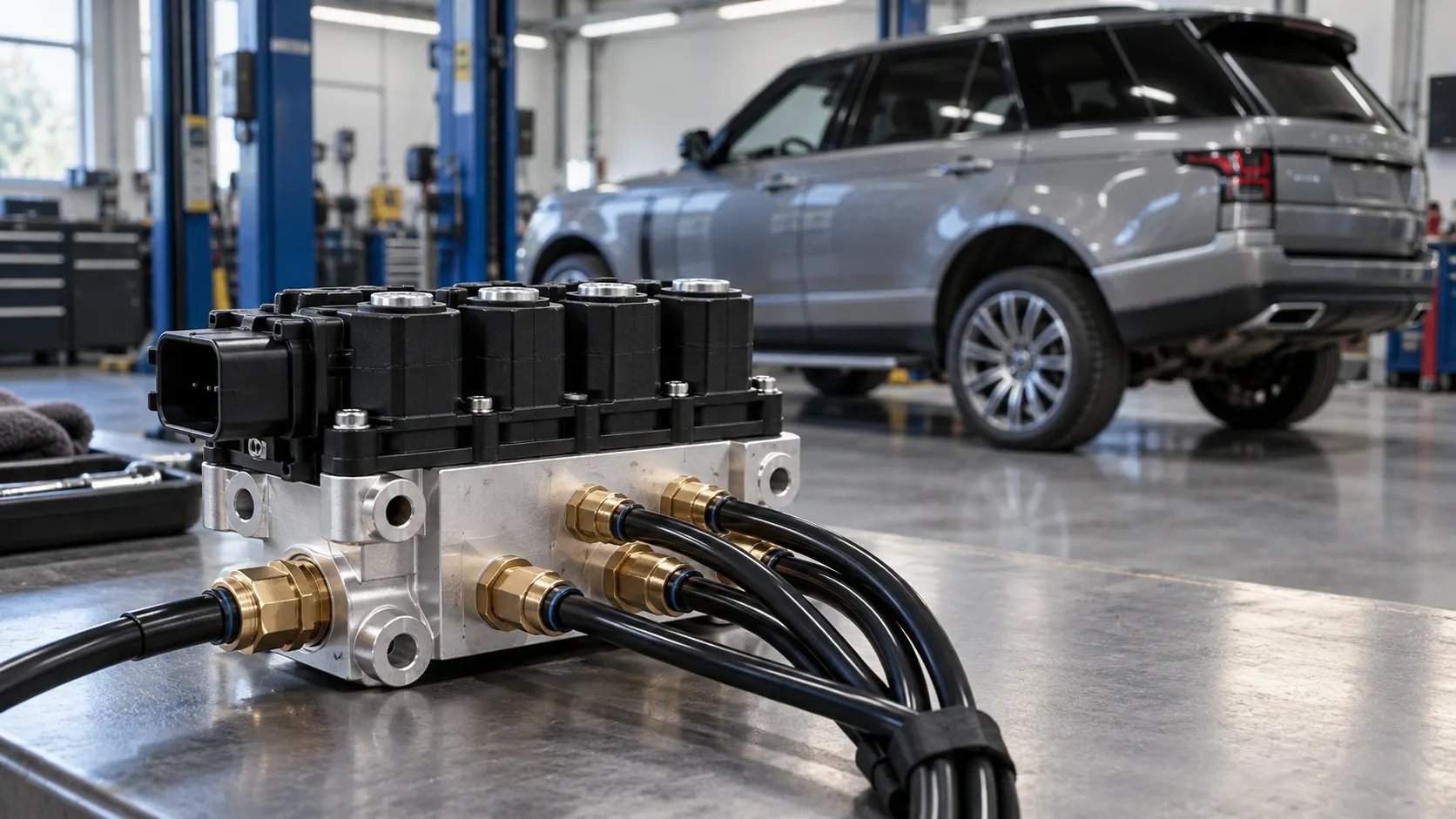
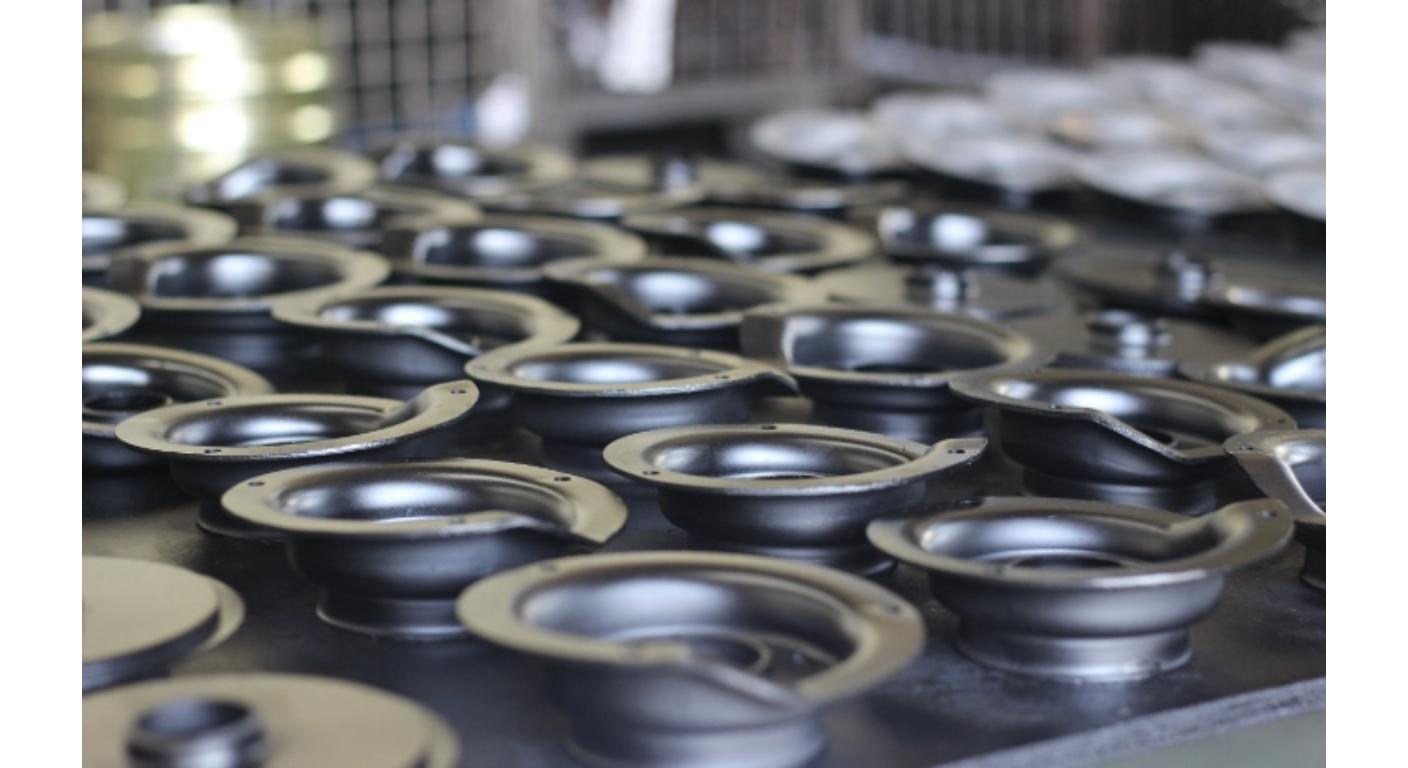
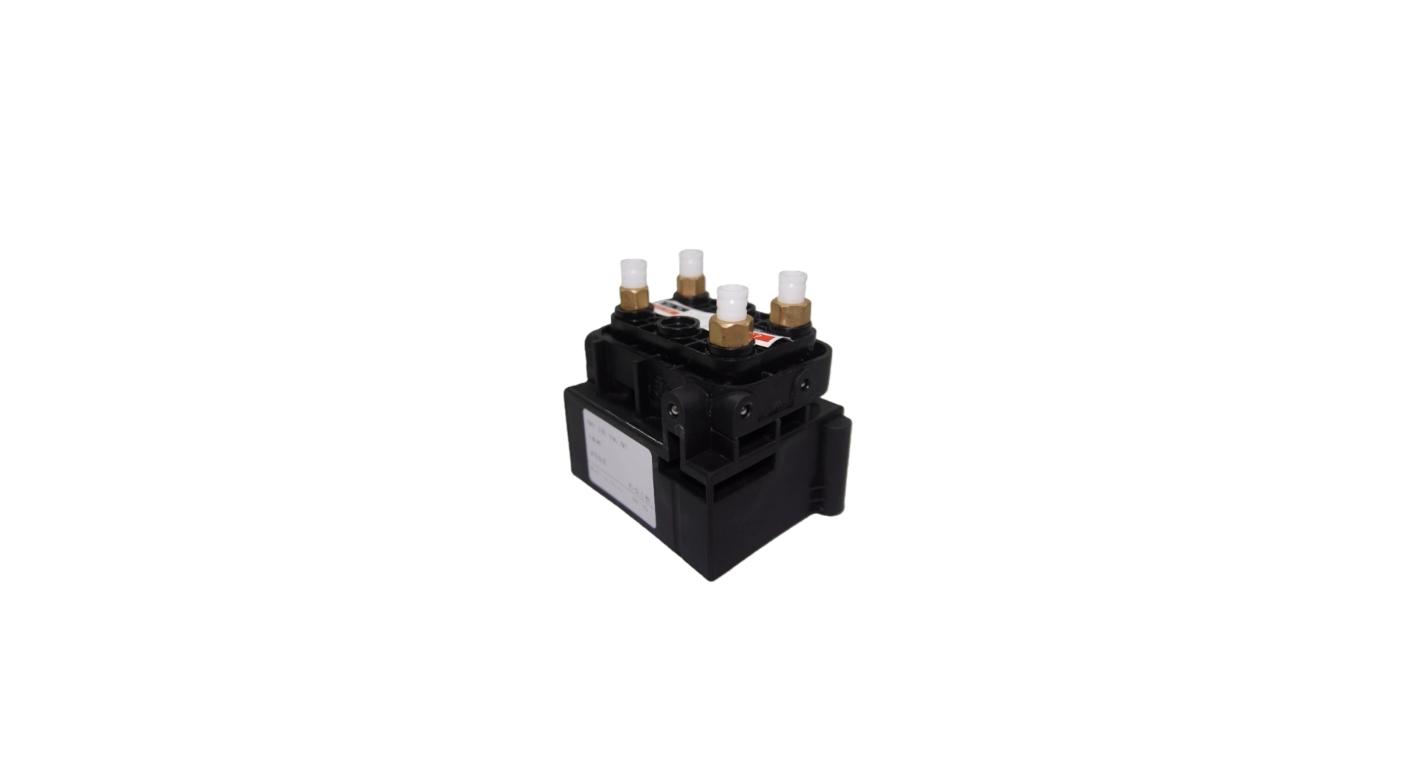
Coilover suspension is the simpler mechanical setup in this comparison, while air suspension replaces the coil spring with an air spring and adds compressor, line, reservoir and control components. Neither system is universally more comfortable or better handling: results depend on the vehicle, kit, damping, setup, road use and the upkeep you will accept.
Air Suspension vs Coilovers: The Short Answer
Both systems manage spring force and damping, but they do it differently. According to Air Lift Performance, a coilover uses a steel coil spring over a shock or strut, while air suspension replaces the coil with a flexible air spring that can be inflated or deflated to alter ride height. The right choice depends on whether you want simple mechanics or on-demand height adjustment.
| Feature | Coilover suspension | Air suspension | What to verify |
|---|---|---|---|
| Construction | Steel coil spring over a shock or strut | Inflatable air spring replacing the coil, plus compressor and controls | Vehicle-specific fitment |
| Ride-height change | Mechanical, via threaded body and lower mount | Inflate or deflate the air springs | Adjustment range and method |
| Daily comfort | Depends on spring rate, damping and tires | Depends on spring and damper tuning, plus system health | Test drive or comparable specs |
| Handling | Depends on damping, alignment and setup | Depends on damping, spring behaviour, alignment and setup | Setup quality, not system name |
| Components | Spring and damper assembly | Air springs, compressor, reservoir, lines, controls | Which parts are included in a kit |
| Installation | Replace struts or dampers | Replace struts plus route air and electrical lines | Labour and routing requirements |
| Ongoing cost | Damper, spring and mount wear | Additional components to inspect and diagnose | Category-by-category comparison |
What Is Coilover Suspension?
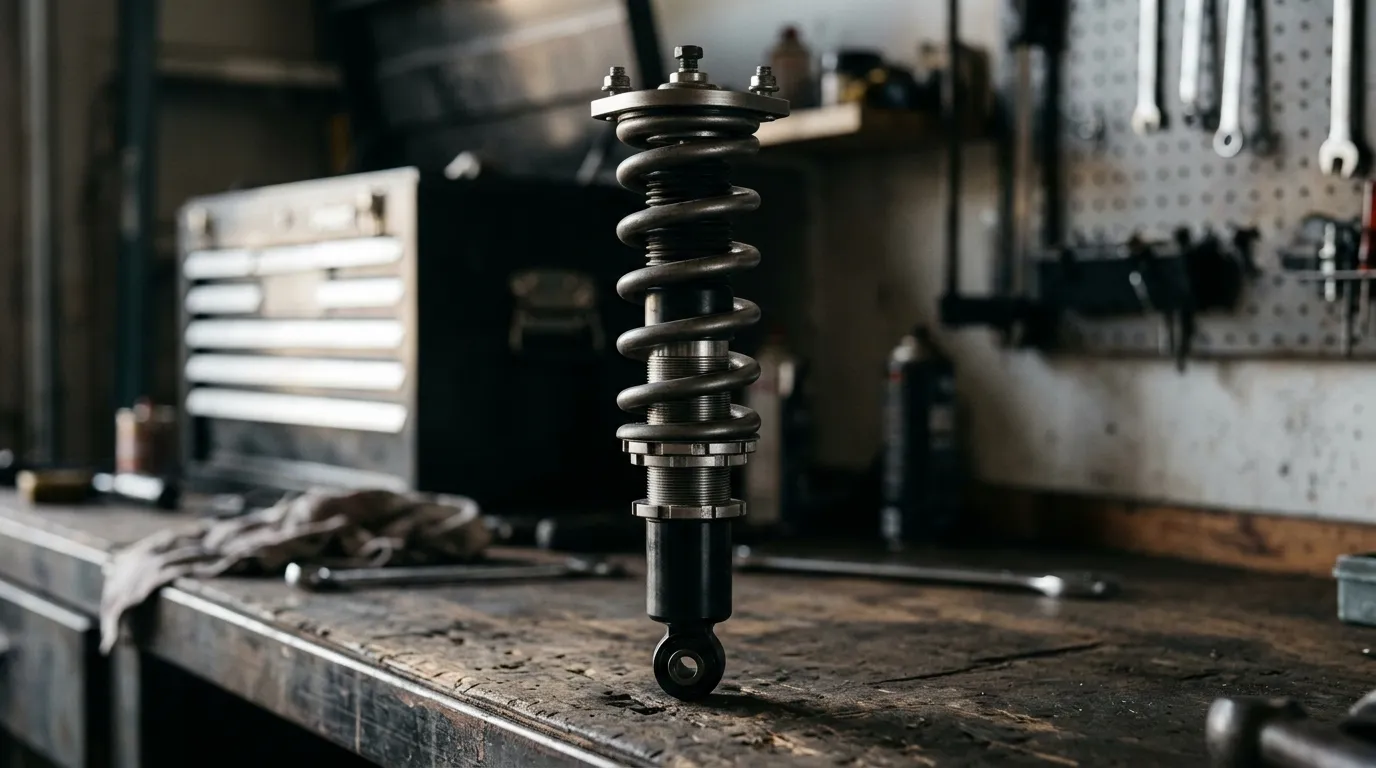
Coilover suspension is a single assembly that combines a steel coil spring with a shock absorber or strut. The coil spring carries the vehicle's load, and the damper controls how quickly the suspension moves.
According to Air Lift Performance, ride-height adjustment on a coilover uses a threaded body and lower mount, and the job can require jacking the vehicle and removing a wheel or components. That makes the setup set-and-adjust rather than adjust-on-demand. Spring rates and damping values are vehicle-specific, so match them to your car rather than assuming one universal specification.
How Does Air Suspension Change Ride Height?
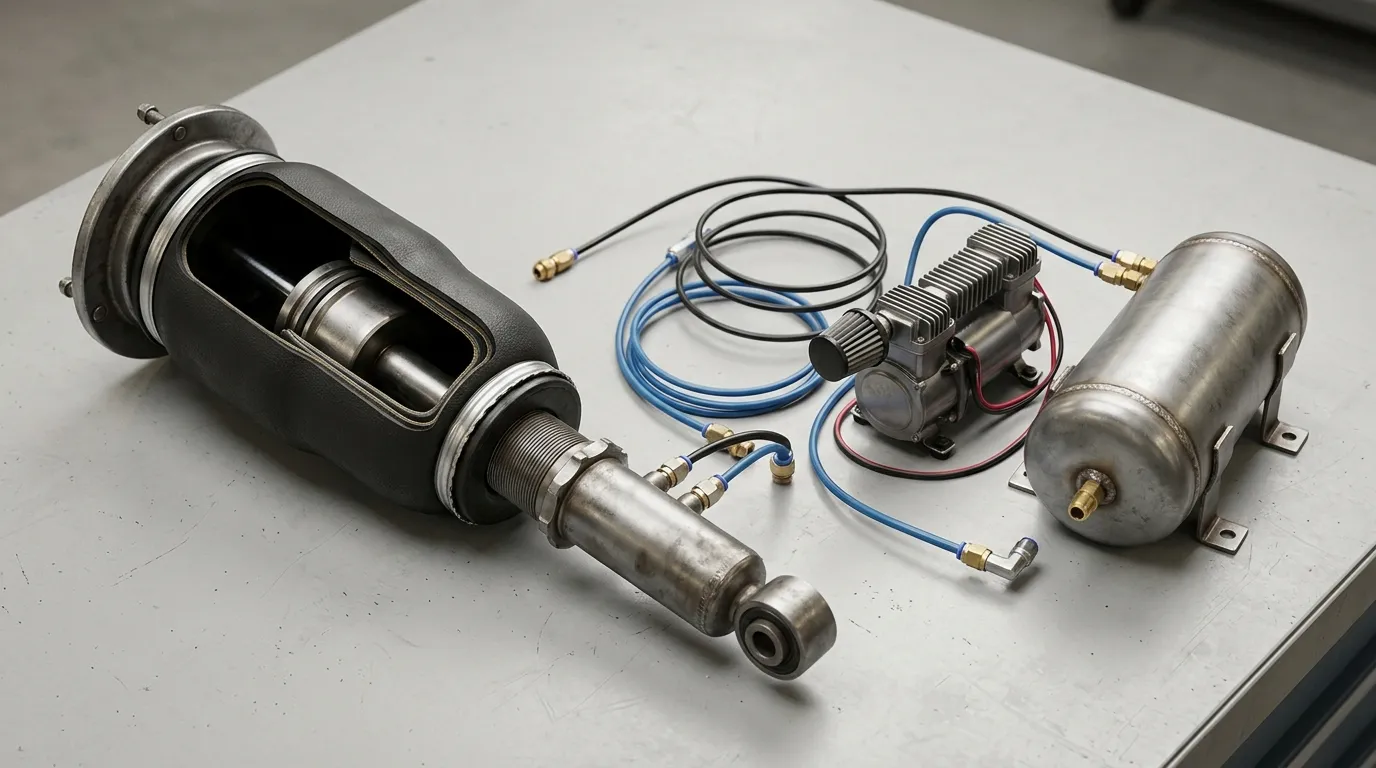
Air suspension replaces the steel coil spring with a flexible air spring. Changing the air pressure inside that spring inflates or deflates it to raise or lower the vehicle's ride height.
According to Air Lift Performance, air suspension can be adjusted in the moment, while coilover height changes take more work than pressing a button. Strutmasters describes air suspension systems as including air springs, an onboard electric compressor and, in its explanation, an air reservoir and controls. If you want the full system explained from the ground up, this guide on how air suspension works covers the components and their roles.
Comfort on Daily Drives: Air Suspension vs Coilovers
Neither air suspension nor coilovers is automatically more comfortable for daily driving. Comfort depends on the specific vehicle, spring and damper tuning, tire sidewall and wheel size, road surface, load and how well the system is maintained.
Strutmasters lists ride quality as one of its comparison criteria, but the honest answer is that ride quality comes from the whole package, not the category name. A well-tuned coilover setup with sensible spring rates and quality dampers can ride better than a worn air system, and a healthy air system with good damping can be more comfortable than a cheap coilover kit. Where possible, drive the same vehicle with each setup before deciding, or compare spring rates, damper adjustability, tire and wheel package, and typical load. Do not rely on system-type marketing claims.
Ride Height and Adjustment Convenience
Air suspension is generally the more convenient system for changing ride height, because the system inflates or deflates the air springs instead of requiring tools at the vehicle. According to Air Lift Performance, air suspension can be adjusted in the moment, while coilover height changes require more work than pressing a button.
Mechanical coilover adjustment is not a flaw for every driver. If you set your height once and leave it, a threaded-body coilover does the job without adding a compressor, lines or controls. Two things are worth checking before you choose: whether the specific coilover you are considering has any remote or easier adjustment features, and whether the air system's height range is legal and safe for your vehicle.
Handling: Which Setup Is Better for Spirited Driving?
There is no verified universal handling winner between air suspension and coilovers. Strutmasters lists handling as a comparison criterion, but real-world results are driven by spring rate, damping, alignment, tires, chassis stiffness, weight distribution and the driver's intended use.
For track or autocross use, prioritise consistent damper performance, usable alignment range and tire fitment over extreme lowering. For spirited road driving, prioritise predictable, repeatable behaviour and enough suspension travel to absorb real road surfaces. A mismatched kit in either category can limit travel or feel harsh, so vehicle-specific tuning matters more than the system label. Confirm the setup with the supplier or installer before buying rather than assuming a category guarantees a result.
Components and Installation: What Changes from a Coilover Setup?
A coilover setup centres on a coil spring and damper or strut assembly. Air suspension adds inflatable air springs, an onboard electric compressor, an air reservoir, air lines and controls, so installation reaches beyond simply swapping struts.
Strutmasters describes air suspension installation as involving routing air lines and electrical lines in addition to replacing the original struts. That extra routing is the main practical difference: more components to mount, connect and test. If you are identifying the hardware involved on either side of the comparison, this overview of suspension system parts helps you map coilover and air suspension components before you price a job.
Maintenance and Cost to Keep Running
Coilovers have fewer sub-systems to inspect, but dampers, springs and mounts still wear. Air suspension adds air springs, a compressor, lines and controls, so upkeep can involve more components and more diagnostics. Compare ownership by category, not by a single kit price.
Be careful with published price figures. A CJ Pony Parts search snippet mentions an air suspension cost range of $2,000–$7,000, but the full page and its conditions could not be verified, so scope, currency, installation inclusion and date are unknown. That figure shows why a cost claim needs checking rather than repeating.
| Cost category | Air suspension | Coilover suspension | What to verify |
|---|---|---|---|
| Initial kit | Air springs, compressor, controls | Spring and damper assembly | What the kit actually includes |
| Installation | Strut replacement plus line routing | Strut or damper replacement | Labour hours for your vehicle |
| Adjustment/setup | Pressure-based height changes | Mechanical height changes plus alignment | Alignment after any height change |
| Routine inspection | Air springs, lines, compressor, controls | Dampers, springs, mounts | Inspection intervals and warning signs |
| Repair/replacement | Individual air components | Individual damper or spring units | Part availability and warranty terms |
Replacement parts are where running costs diverge most. Owners maintaining an air system can compare aftermarket air suspension components against original parts, while coilover owners are usually choosing between rebuilding or replacing dampers and springs.
Which Should You Choose for Daily Driving, Handling or Low Maintenance?
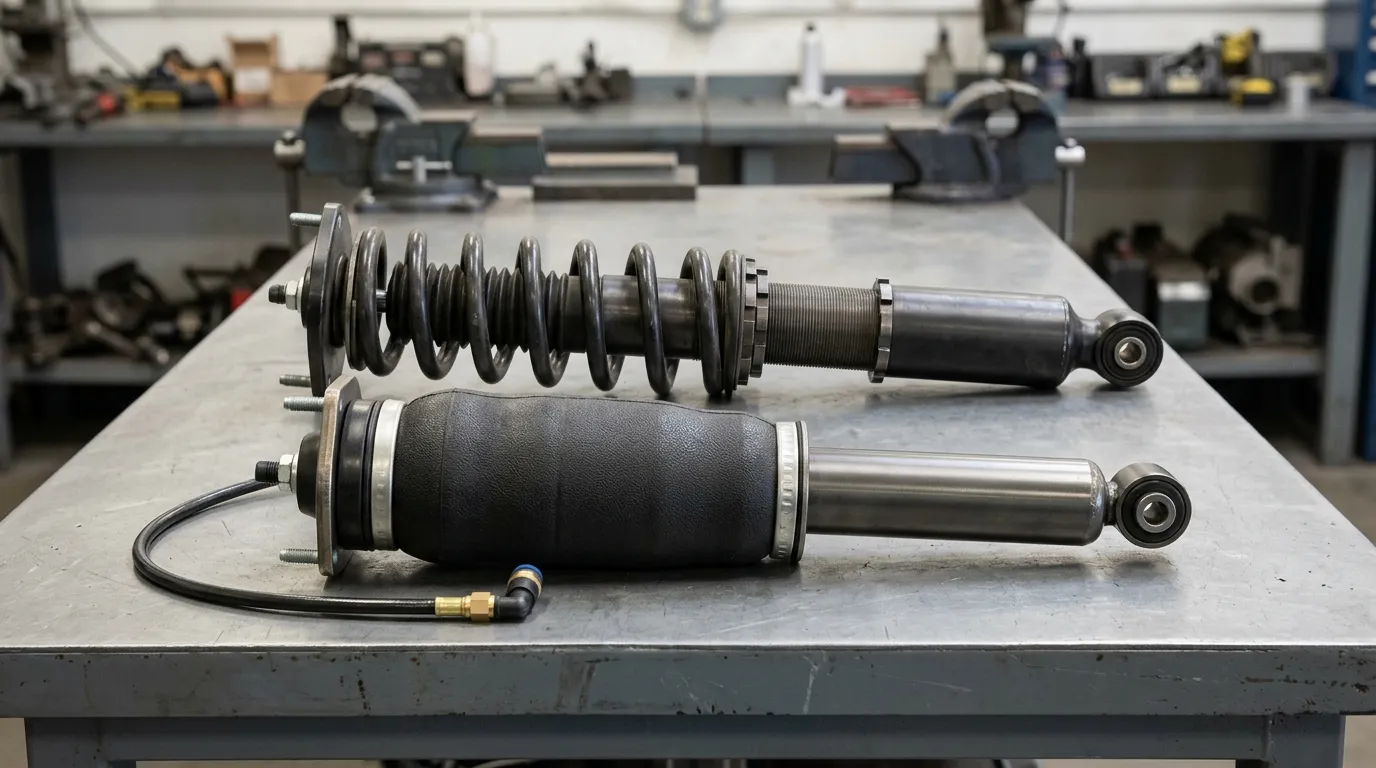
Choose air suspension if on-demand ride-height changes are a priority and you accept more components to maintain. Choose coilovers if you prefer simpler mechanics, mechanical height adjustment and a conventional spring-and-damper setup.
According to Air Lift Performance, air suspension can be adjusted in the moment while coilover height changes require more work than pressing a button. Strutmasters describes the added air system components and installation complexity on the air side. Use these rules to narrow the choice:
- Choose air suspension if: you change ride height often and will maintain the compressor, lines, air springs and controls.
- Choose coilovers if: you want fewer sub-systems, will set height once, and accept manual adjustment.
- For either system: verify vehicle-specific fitment, spring rates, damping, warranty terms and local inspection rules.
Before You Buy: 5-Step Comparison Checklist
- Confirm vehicle-specific fitment, including model year and trim.
- Compare spring rates and damper valving against how you actually drive.
- Check the height-adjustment method and how often you would use it.
- List installation and maintenance categories, not just the kit price.
- Verify warranty terms and local rules on ride-height changes.
For readers maintaining an air suspension system, HUIJIE manufactures replacement air springs and air suspension struts, air suspension compressors, valve blocks, air shock absorbers and air spring repair kits, with parts identified by OE number and a 1-year warranty.
FAQ
Is coilovers better than air suspension?
Not universally. Coilovers often suit drivers who prefer a simpler mechanical setup and set-and-forget height, while air suspension suits drivers who use on-demand height adjustment and accept extra components. Compare vehicle-specific kits for comfort, handling, installation and upkeep rather than choosing by system name.
Is air suspension bad for daily driving?
Air suspension is not inherently bad for daily driving. Comfort depends on the vehicle, kit, damping, air springs, tires, road conditions and maintenance. Because the system adds a compressor, lines and controls, budget for diagnosis and repair of those parts rather than assuming trouble-free use.
What are the disadvantages of air suspension?
Air suspension adds air springs, an onboard electric compressor, a reservoir, lines and controls, so installation and upkeep involve more components. That can mean more diagnostic and repair exposure. Cost and reliability vary widely by vehicle and kit, so compare categories rather than relying on a single price.
What are the downsides of coilovers?
Many coilovers require manual, tool-based ride-height changes rather than on-demand adjustment. Comfort and handling depend heavily on spring rate, damper valving, vehicle weight and setup. A mismatched kit can limit suspension travel or feel harsh, so vehicle-specific tuning matters more than the coilover label.
Share on Social:


Contact Us
In This Article
- 1 Air Suspension vs Coilovers: The Short Answer
- 2 What Is Coilover Suspension?
- 3 How Does Air Suspension Change Ride Height?
- 4 Comfort on Daily Drives: Air Suspension vs Coilovers
- 5 Ride Height and Adjustment Convenience
- 6 Handling: Which Setup Is Better for Spirited Driving?
- 7 Components and Installation: What Changes from a Coilover Setup?
- 8 Maintenance and Cost to Keep Running
- 9 Which Should You Choose for Daily Driving, Handling or Low Maintenance?
- 10 FAQ
