


7 Bad Air Suspension Valve Block Symptoms Explained
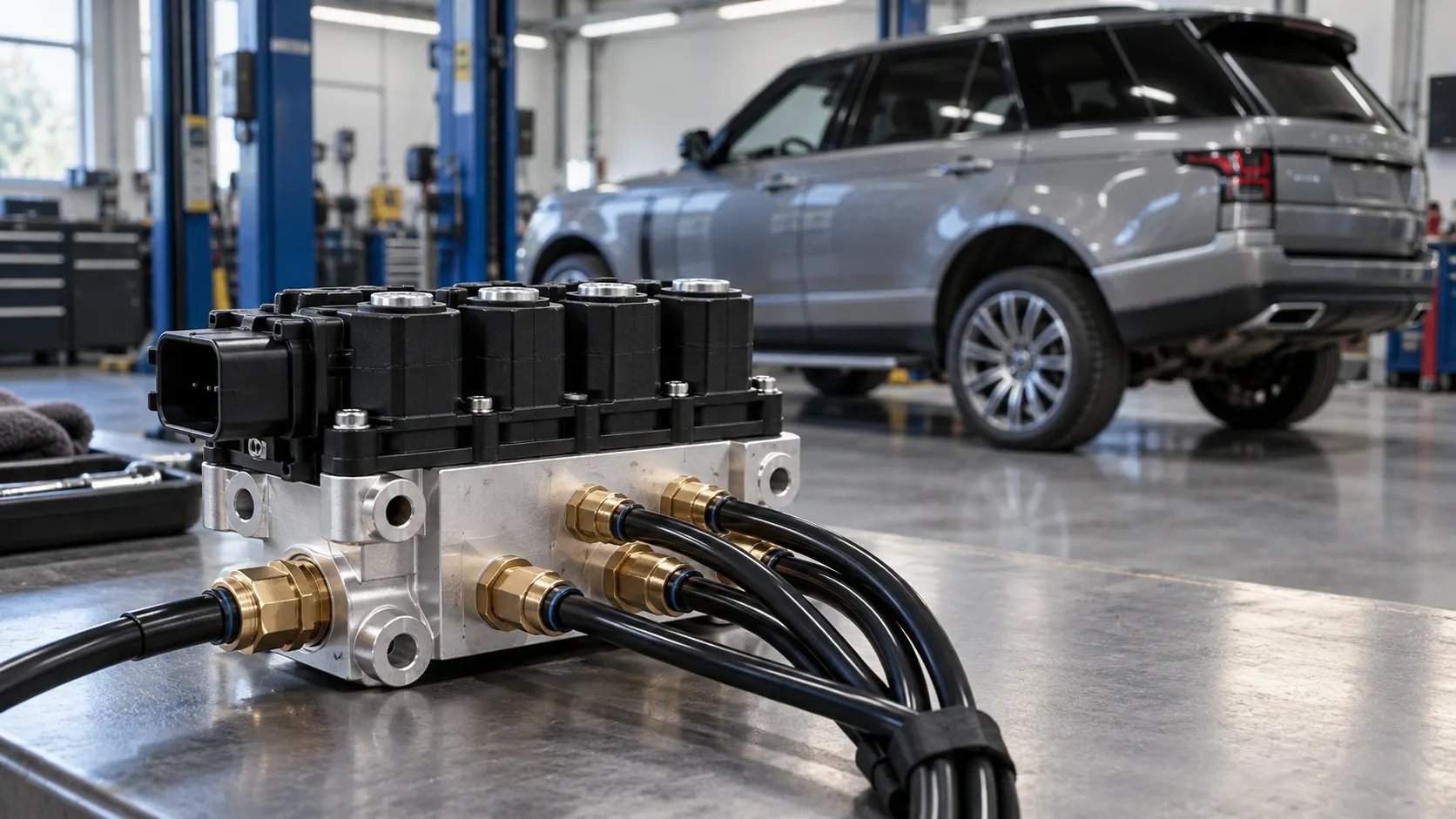
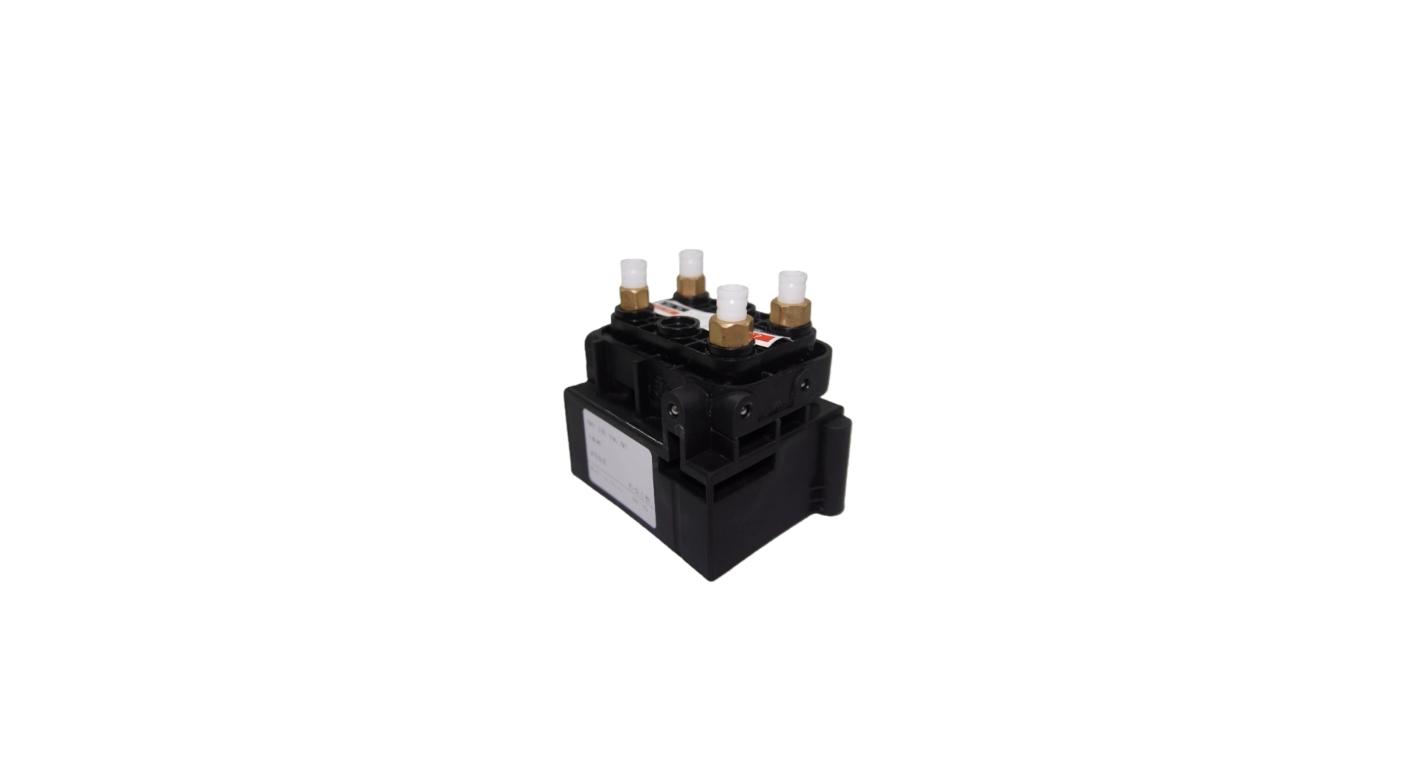
Symptoms of a bad air suspension valve block are uneven ride height, Parking Height Loss, slow ride height changes and a compressor that runs more than normal. It is possible that suspension warnings will appear as well. But all these symptoms are common with leaking air springs, blown air lines and electric faults.
So, how can you be sure which part is really broken? Become familiar with the problem pattern first and then test it. An easy fix can be a second repair when the valve block is replaced for no other reason than the car's low setting.
What Does an Air Suspension Valve Block Do?
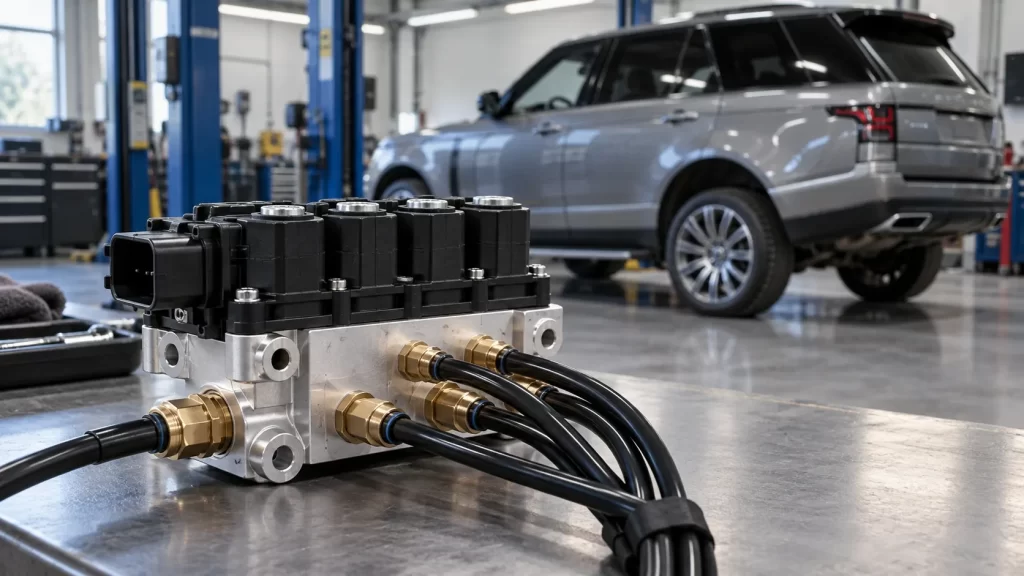
Compressed air is fed into the suspension system by the valve block. It has electrically actuated valves that open and close to supply, isolate and release air to specific circuits.
The compressor will compress the air and the valve block will determine how the air is distributed. The system can consist of a central distribution block, separate axle blocks or other valves, depending on the vehicle.
When verifying replacement air suspension valve blocks, compare the vehicle application, OE reference, electrical connector and pneumatic connections.
Five Air Suspension Valve Block Symptoms to Watch For
1. One Corner or Axle Sinks After Parking
Compressed air is fed into the suspension system by the valve block. It features electrically actuated valves which open and close to provide, isolate and release air to individual circuits.
The air will be compressed into the compressor, and how the air will be distributed will be determined by the valve block. The system may be a central distribution block, axle blocks or other valves, as applicable to the vehicle.
When checking replacement air suspension valve blocks, check the vehicle application, OE reference, electrical connector and pneumatic connections.
2. The Vehicle Raises Unevenly
One side may lift while another responds slowly or stays low. A sticking valve or electrical fault affecting its operation can restrict air delivery.
Before blaming the block, check whether the suspension controller is requesting that corner to rise. Incorrect height-sensor information can change the command.
3. Height Adjustment Becomes Slow or Unresponsive
The vehicle may struggle to switch between normal and raised settings.
A restricted valve passage is one possibility. Insufficient supply pressure, a significant leak, or a controller-imposed operating limit can cause similar behavior.
Hearing the compressor run does not prove that adequate pressure reaches the affected circuit.
4. The Compressor Runs Too Frequently
If the valve block leaks, the system will lose pressure and be forced to replenish more and more often. The compressor may be audible after start-up or during normal driving.
Never change out the air suspension compressor without considering the possible cause. When a compressor fails, Arnott's diagnostic checklist points to other parts to check, including valve blocks, leaking air springs, air lines, relays and fuses.
5. A Suspension Warning Appears
A warning message may accompany unsuccessful leveling or an electrical problem.
Read the suspension control module with a compatible diagnostic tool. A fault description mentioning a valve circuit still requires wiring and connector checks before replacement.
| Observed symptom | Possible valve block problem | Other causes to investigate |
|---|---|---|
| Corner drops while parked | Internal leakage | Air spring or fitting leak |
| One circuit will not raise | Valve fails to open | Wiring, sensor, or restricted line |
| Height changes slowly | Restricted air passage | Low supply pressure or leakage |
| Compressor cycles frequently | Pressure escapes through block | Leaks elsewhere or control behavior |
| Suspension warning | Solenoid or circuit fault | Harness, power supply, or sensor fault |
Valve Block or Air Spring: How Can You Tell?
As far as it's concerned, the tricky part is that both can leave the vehicle leaning.
If a leak is tested with an approved leak-detection solution, bubbles will be produced in case of an external leak. It is possible for internal leakage of valves not to be visible on the exterior of the block.
Check accessible air suspension springs, connections and lines prior to making a determination. Follow the vehicle manufacturer’s procedure for any circuit-isolation test.
| Finding | What it suggests | What it does not prove |
|---|---|---|
| Bubbles at a spring connection | External leakage at that location | That the valve block is healthy |
| No visible external leak | Further investigation is needed | That the valve block has failed |
| Command present, circuit does not respond | Valve or pneumatic-path problem | That wiring and pressure are correct |
| Incorrect height reading | Sensor or linkage investigation needed | A mechanical valve defect |
How to Diagnose a Suspected Valve Block
Start With Measurements and Fault Codes
Record which corners drop, how quickly they drop, and whether the vehicle recovers after startup. Read stored codes before clearing anything.
Compare measured ride height with scan-tool readings where available.
Inspect Connections and Air Lines
Check for damaged wiring, loose connectors, cracked housings, and worn or kinked lines. Arnott specifically recommends inspecting valve-block fittings, connections, and physical damage during system diagnosis.
Verify Pressure and Valve Response
A qualified technician can compare commanded operation with actual height and pressure changes using vehicle-specific test procedures.
There is no universal pressure, resistance, or activation-time specification for every valve block. Avoid applying direct power or disconnecting pressurized lines as an improvised test.
Air suspension can move unexpectedly. Support the vehicle and depressurize the relevant components according to its service instructions.
Choosing a Replacement and Checking the Repair
Before ordering, confirm these details:
| Check | Why it matters |
|---|---|
| OE reference and approved supersessions | Similar housings can have different applications |
| Chassis, production date, and suspension configuration | Model name alone may be insufficient |
| Port layout and connector | Prevents incorrect pneumatic or electrical connections |
| Required initialization procedure | Helps complete the repair correctly |
Once installed, test for leaks; confirm height adjust and re-observation parked height. Run any manufacturer specified initialization/calibration.
CALL HUIJIE FOR SOURCING ASSISTANCE, providing the following information: Vehicle details, the existing part number, clear pictures and quantity required.
Frequently Asked Questions
Can a bad valve block cause overnight sagging?
Yes. Internal leakage can reduce circuit pressure, although springs, fittings, and lines must also be checked.
Can one faulty valve affect only one corner?
Yes, depending on the system layout and which valve or passage is affected.
Does hissing prove the block is defective?
No. Brief venting can be normal. Persistent hissing needs investigation.
Can a faulty block damage the compressor?
Pressure loss can increase compressor workload and contribute to overheating or wear.
Will every valve block failure store a code?
No. Mechanical leakage may require pressure-retention testing even without a specific electrical fault code.
Can I drive with these symptoms?
Severe sagging, tire interference, reduced clearance, or a serious suspension warning requires inspection before driving.
Can cleaning fix the problem?
Cleaning cannot reliably correct worn seals, damaged valve seats, or failed electrical components.
Does replacement always require calibration?
No. Requirements vary by vehicle and repair procedure.
Should the compressor be replaced too?
Only if testing confirms a problem. Check its pressure-building performance and operating history.
What confirms a successful repair?
Stable parked height, correct leveling response, no detected leaks, and satisfactory diagnostic checks provide stronger evidence than simply clearing a warning.
Share on Social:


- PREV: Air Suspension Factory: Follow One Order From Product to Dispatch
- NEXT: Null
Contact Us
In This Article
- 1 What Does an Air Suspension Valve Block Do?
- 2 Five Air Suspension Valve Block Symptoms to Watch For
- 3 Valve Block or Air Spring: How Can You Tell?
- 4 How to Diagnose a Suspected Valve Block
- 5 Choosing a Replacement and Checking the Repair
-
6
Frequently Asked Questions
- 6.1 Can a bad valve block cause overnight sagging?
- 6.2 Can one faulty valve affect only one corner?
- 6.3 Does hissing prove the block is defective?
- 6.4 Can a faulty block damage the compressor?
- 6.5 Will every valve block failure store a code?
- 6.6 Can I drive with these symptoms?
- 6.7 Can cleaning fix the problem?
- 6.8 Does replacement always require calibration?
- 6.9 Should the compressor be replaced too?
- 6.10 What confirms a successful repair?
