


Air Suspension vs Coil Springs: Ride, Load and Upkeep
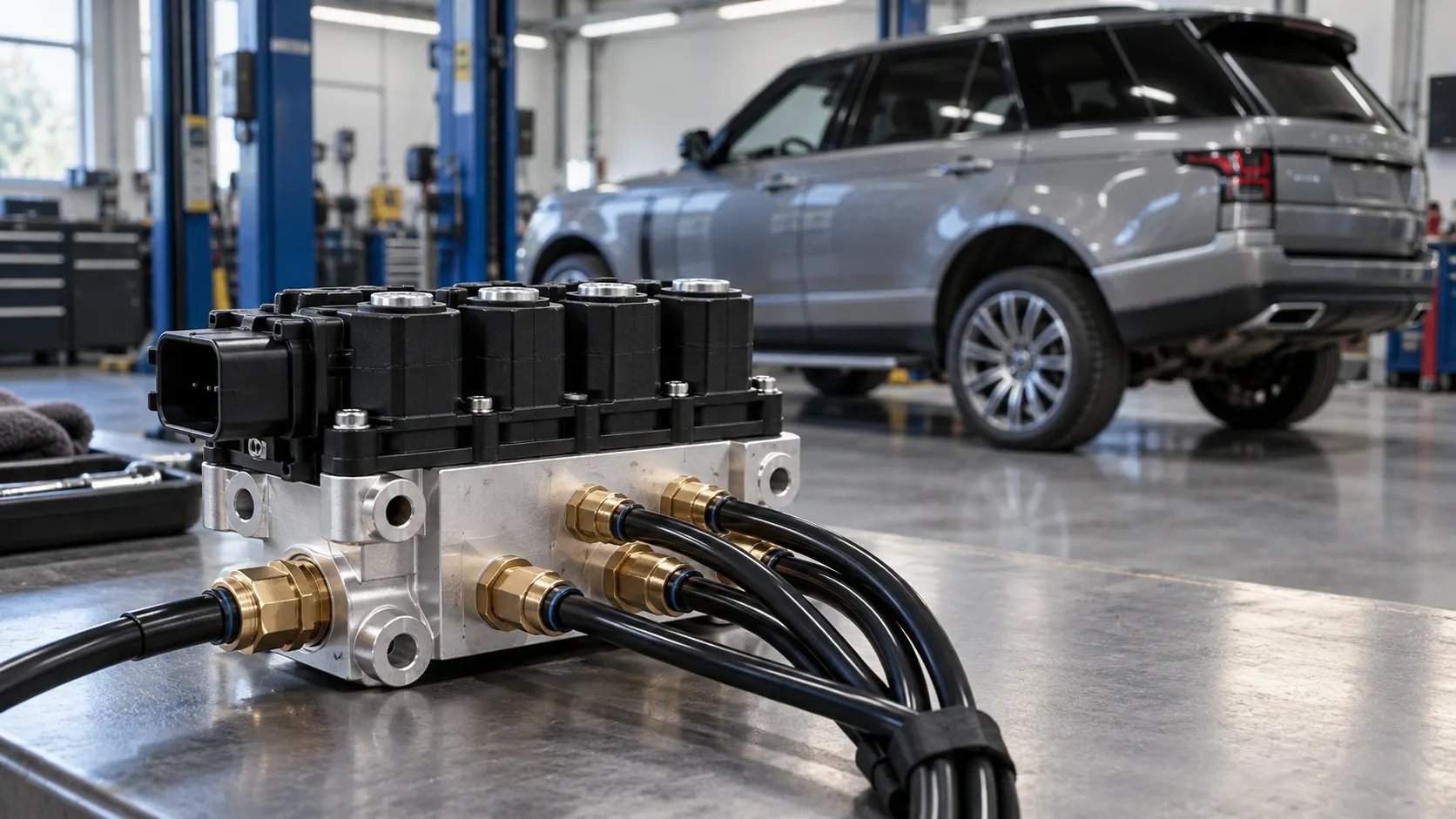
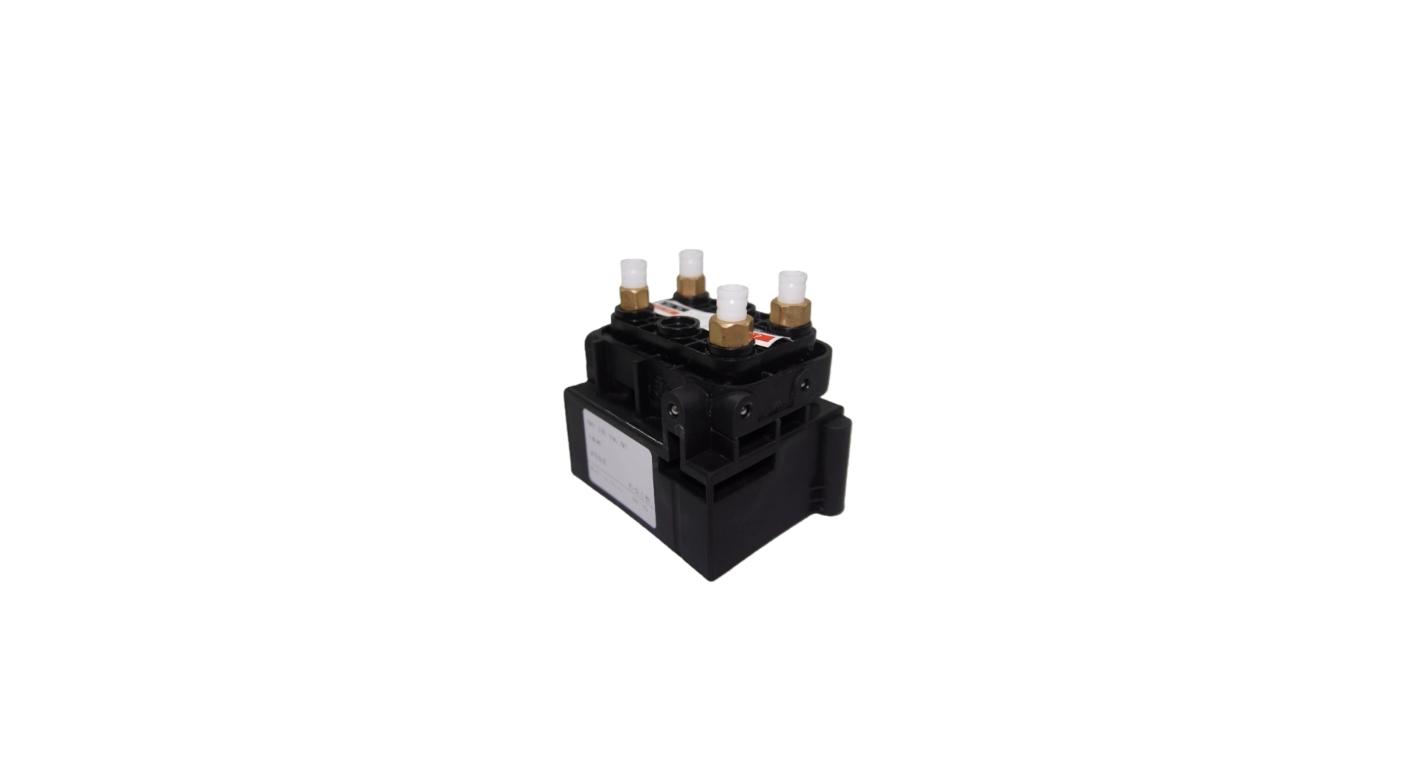
Air suspension and coil spring suspension both support a vehicle, but they trade off differently: air systems can adjust height and level under changing load, while coil springs use a fixed steel spring and simpler mechanics. The better choice depends on how you use the vehicle, how much load varies, and how much upkeep you accept.
What Is the Difference Between Air Suspension and Coil Spring Suspension?
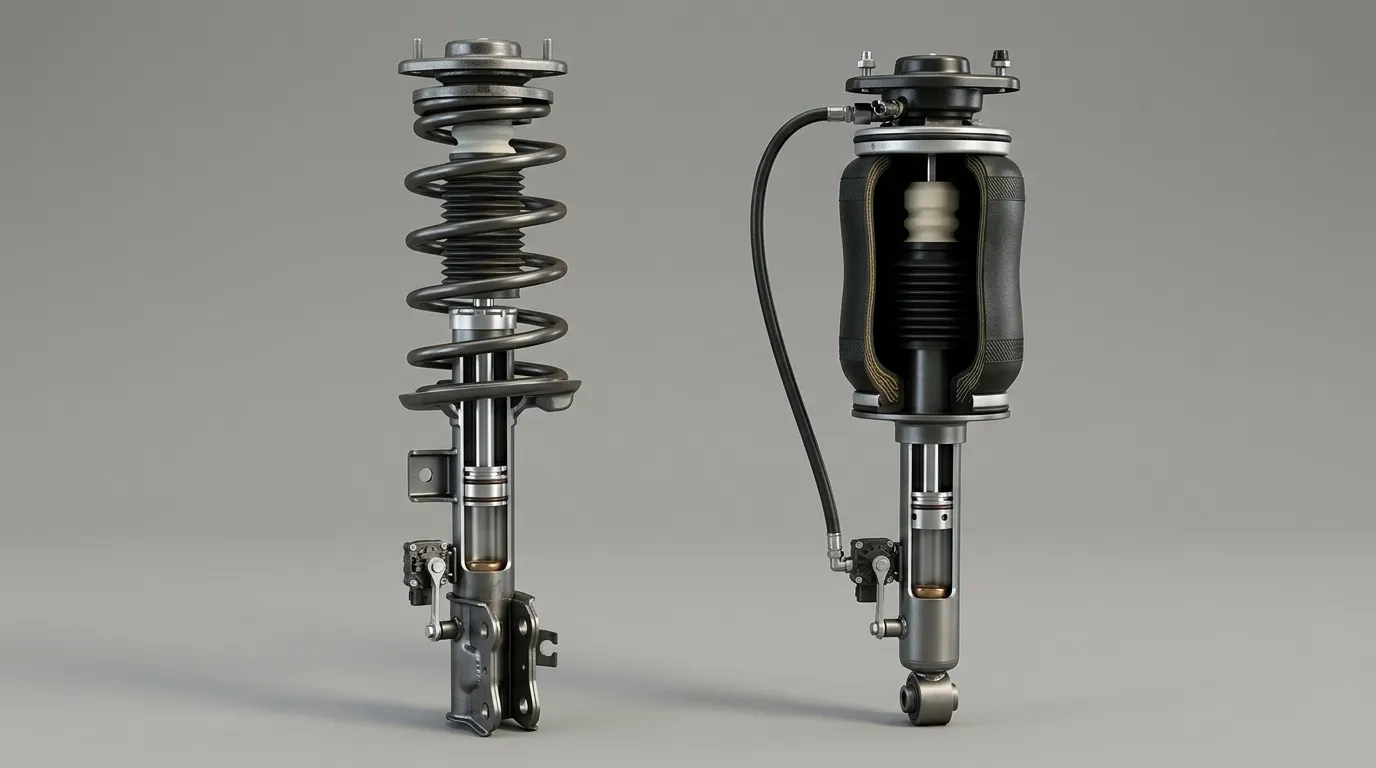
Air suspension is a system that supports a vehicle with inflatable air springs fed by compressed air and managed by electronic height control. Coil spring suspension is a system that supports a vehicle with steel coil springs at a height set by the spring and the surrounding suspension geometry.
According to American Air Suspension, an air suspension system uses air springs, an air compressor, a suspension control module, ride-height sensors and air lines. Shaker's CDJR describes air springs as rubber and plastic bags that can be inflated or deflated to adjust vehicle height, with sensors and compressors used for control. L2SFBC states that coil-sprung ride height is fixed compared with the height modes on the air-suspended vehicles it discusses.
That extra control hardware is the core difference between the two designs, and it drives everything that follows: comfort, load behaviour, failure points and upkeep.
If you want the full sequence of how the control hardware interacts, see how air suspension works.
| Attribute | Air suspension | Coil spring suspension |
|---|---|---|
| Load element | Inflatable air springs | Steel coil springs |
| Height adjustment | Air springs inflate or deflate to change height | Height fixed by spring and suspension geometry |
| Load levelling | Self-levelling described by L2SFBC | Not self-levelling; height changes as load changes |
| System complexity | Compressor, valve block, air lines, sensors and control module | Coils and dampers, without an air circuit |
| Common wear points | Air springs and air lines (Monroe reports leaks), compressors, ride-height sensors (American Air Suspension) | Coils and dampers |
| Upkeep focus | Diagnosing air leaks and the parts that feed the springs | Inspecting coils and dampers |
[DIAGRAM: Cutaway comparison of a coil spring strut and an air spring strut, labelling coil, air spring, damper, air line and height sensor.]
Ride Comfort: Which Suspension Rides Better?
Neither design is automatically smoother. According to L2SFBC, air suspension is self-levelling and can operate softer when load does not require additional support, but ride quality still depends on the damping, tuning, tires and component condition of the specific vehicle. Compare the two in the same vehicle, at the same load, on the same road before drawing a conclusion.
That is why a blanket claim that air rides better, or that coils ride worse, does not hold. A worn air spring or a tired damper will degrade ride quality in either system.
How Air Suspension Handles Load and Ride Height

Air suspension changes the air pressure inside its air springs to hold ride height as load changes, while coil spring suspension holds a fixed height because a steel spring does not adjust itself. Shaker's CDJR notes that air springs can be inflated or deflated to adjust vehicle height, and L2SFBC describes coil-sprung ride height as fixed in the vehicles it discusses.
What Load Levelling Does—and Does Not—Change
Load levelling keeps ride height stable as weight is added or removed. It does not raise the vehicle's rated payload, gross vehicle weight rating or towing limit. Check the vehicle placard or manual for those figures, because levelling changes stance, not capacity.
Ride-Height Adjustment vs Fixed Coil Height
Air suspension can offer height modes for ground clearance, loading or access, whereas coil spring height is set by the spring and suspension geometry and does not change with load or driver input. A vehicle fitted with auxiliary air bags inside coil springs is using load support, not full air suspension — a distinction worth checking before you assume adjustable height is available. Our vehicle air suspension spring page covers the air spring itself.
Air Suspension Failure Points and Warning Signs
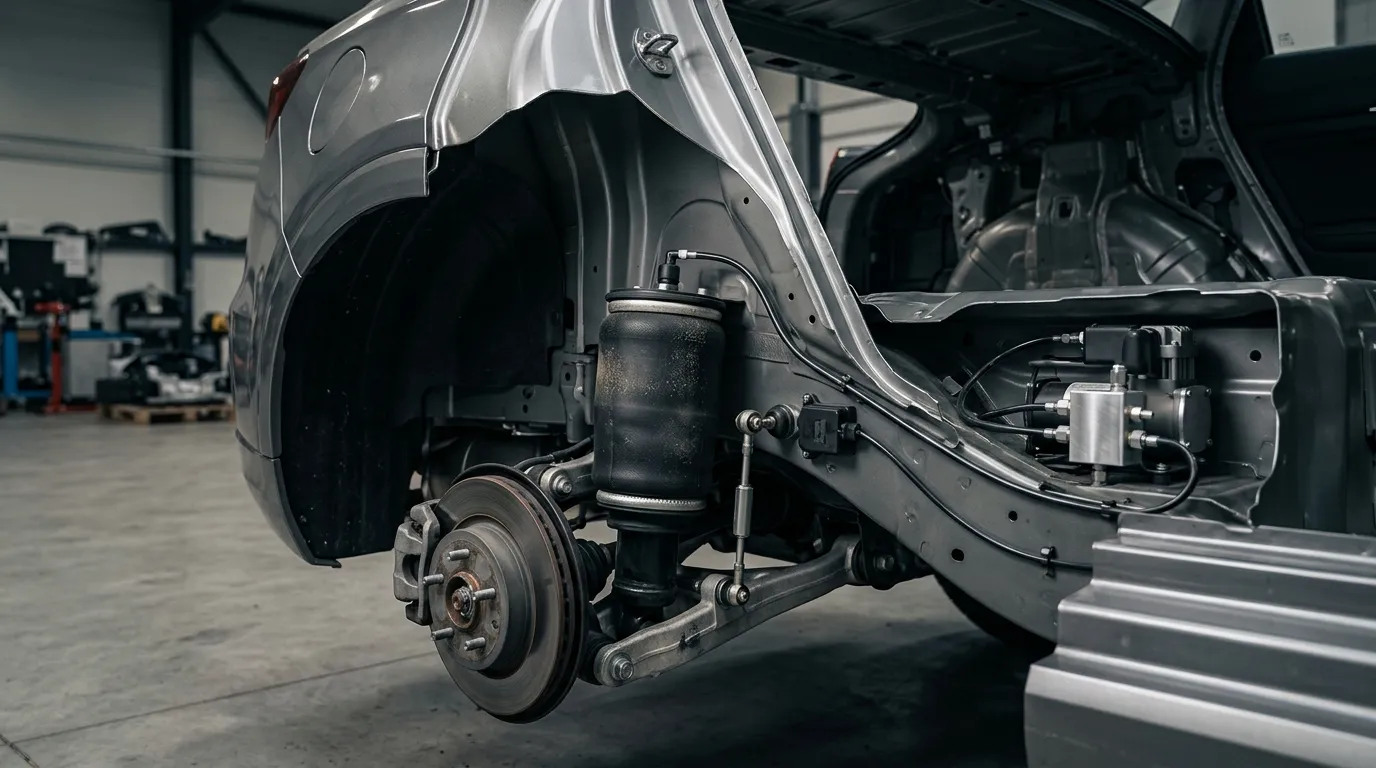
Common air suspension problems include leaks from damaged air springs or air lines, worn compressors and faulty ride-height sensors. American Air Suspension lists damaged or aged air springs, worn compressors, damaged air lines and faulty ride-height sensors among possible air suspension problems. Monroe states that air leaks from damaged air springs and air lines are common air suspension issues, and associates them with hissing or a decrease in ride height.
Treat an air leak as a possible cause of extra compressor running time, and diagnose it before assuming the compressor itself is the fault. Air suspension failure rates and component lifespans vary by vehicle and use, so no single figure applies to every system.
Check for the following:
- Hissing near a corner of the vehicle, which Monroe associates with an air leak.
- Ride height lower on one side than the other, or lower than normal overall.
- Visible damage or cracking on an air spring or air line.
- A compressor that runs more often than you remember it doing.
Upkeep and Running-Cost Factors for Each System
Air suspension adds a compressor, valve block, air lines, sensors and control electronics to the list of possible service items, while coil spring suspension has fewer components but still wears at the coils and dampers. According to American Air Suspension, air springs, the compressor, the control module, ride-height sensors and air lines are all part of the system. Total cost depends on diagnosis, parts, labor and the specific vehicle, not on a universal figure.
| Cost factor | Air suspension | Coil spring suspension |
|---|---|---|
| Wear and damage items | Air springs, air lines, compressor, ride-height sensors | Coils and dampers |
| Diagnosis | Requires tracing an air circuit and checking sensors and compressor behaviour | Visual and mechanical inspection of coils and dampers |
| Likely repair parts | Air spring, air line, compressor, valve block, sensor | Coil, damper |
| Owner inspection | Check for hissing, uneven or reduced ride height | Check for cracks, corrosion and broken coils |
Replacement air springs, struts, compressors, valve blocks, air shock absorbers and repair kits sit within our wider suspension system parts range.
Which Should You Choose? Use-Case Decision Guide
Choose air suspension if you value load levelling and adjustable ride height and accept more system complexity. Choose coil springs if you prefer a fixed height and fewer components. L2SFBC describes air suspension as self-levelling and coil-sprung height as fixed in the vehicles discussed, which is the heart of the decision.
Work through the following:
- Does the vehicle's load change often? If yes, air levelling may help.
- Do you need height adjustment for clearance, loading or access? If yes, air may help.
- Are you prepared to diagnose an air circuit when something leaks? If not, coils are simpler to live with.
- Check the vehicle's specifications and confirm whether it has full air suspension or auxiliary air bags inside coil springs.
[DIAGRAM: Decision flow reading "Does load vary often? → Need height adjustment? → Accept air-circuit diagnosis?" leading to an air or coil recommendation.]
What HUIJIE Sees as a Parts Maker
HUIJIE is an air suspension parts manufacturer based in Sichuan, China, with more than 2,000 products listed. Its range includes replacement air springs and air suspension struts, air suspension compressors, valve blocks, air shock absorbers and air spring repair kits, with many parts identified by OE number, and it supplies OEM and aftermarket buyers worldwide, including distributors, wholesalers and repair shops.
That parts perspective is why this comparison focuses on which components wear: in air suspension, the air springs, air lines, compressor and height sensors carry the upkeep load, while a coil suspension's service items are the coils and dampers.
Share on Social:


Contact Us
In This Article
- 1 What Is the Difference Between Air Suspension and Coil Spring Suspension?
- 2 Ride Comfort: Which Suspension Rides Better?
- 3 How Air Suspension Handles Load and Ride Height
- 4 Air Suspension Failure Points and Warning Signs
- 5 Upkeep and Running-Cost Factors for Each System
- 6 Which Should You Choose? Use-Case Decision Guide
- 7 What HUIJIE Sees as a Parts Maker
