


How to Evaluate an Air Suspension Pump Before Purchasing

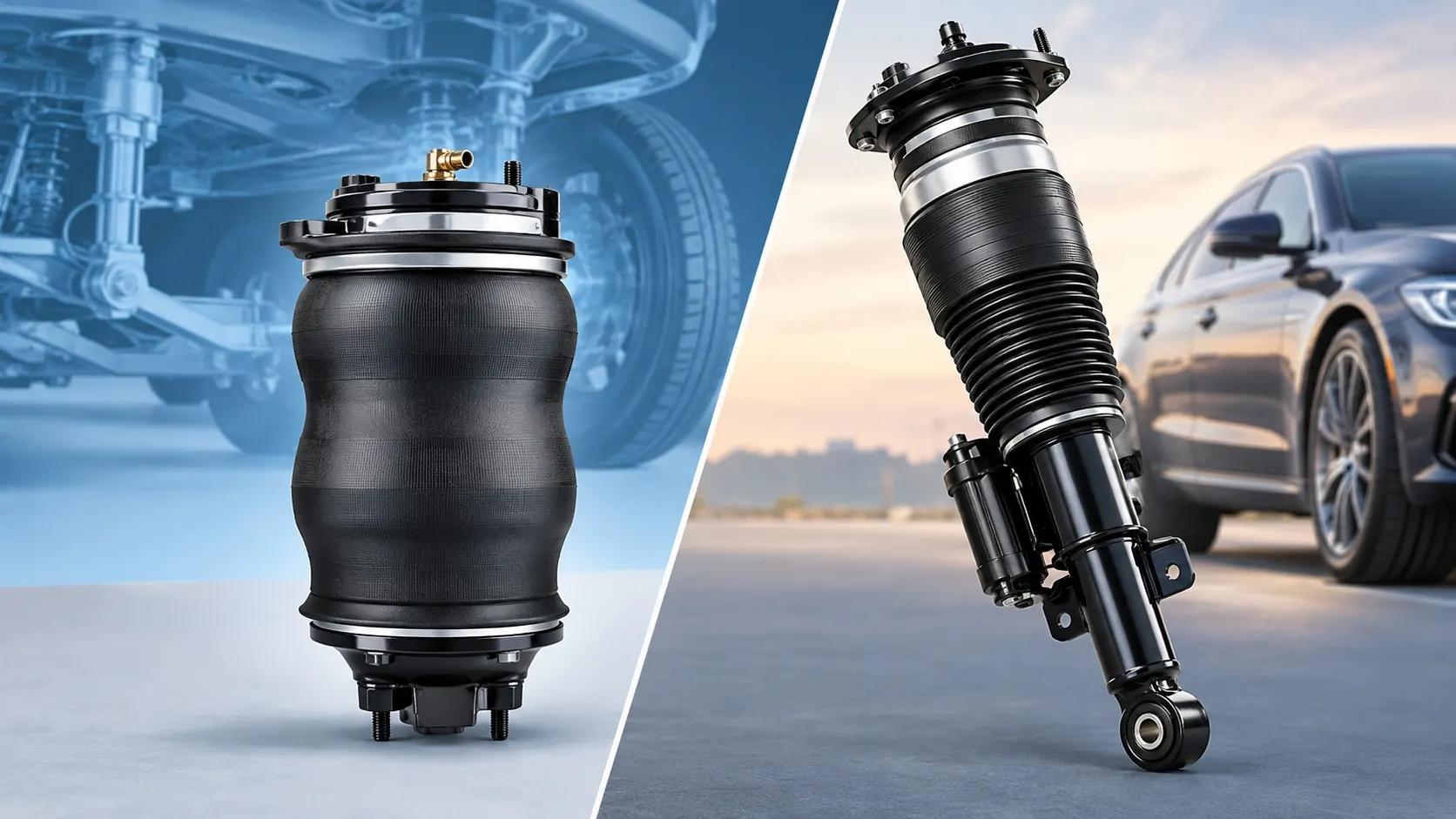

An air suspension pump should lift the vehicle effectively, control the system pressure and run quietly and cool. In addition to these requirements, it makes the choice of pump more complex than simply plug and mounting bracket.
Parts distributors and repair businesses face the challenge of purchasing, and it's consistency. While a sample might fit the vehicle, pressure recovery, sealing, vibration control, electrical load and compatibility with the complete suspension system, are all factors that play a part in long-term performance.
Determine the product before price comparing
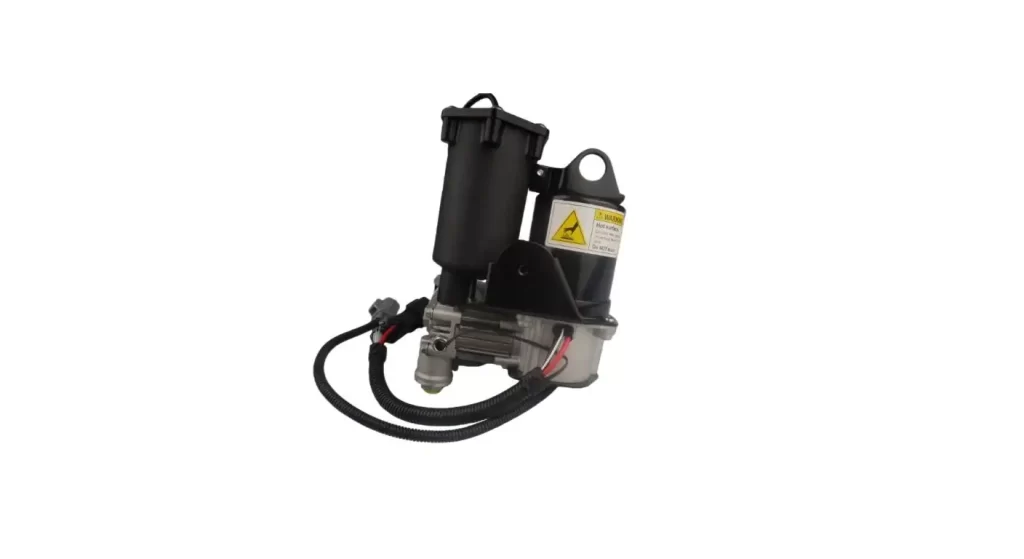
The terms “air suspension pump” and “air suspension compressor” are typically used to refer to the same part. But products purchased under these terms may vary significantly with regard to configuration supplied.
One package can consist of just the motor and cylinder. One might feature the dryer, mounting bracket, relay or intake hose and the vibration isolators. It is possible to arrive at a wrong conclusion when comparing prices, but not checking package contents.
The first step of a purchaser is to know the exact OE reference and what they need: a bare pump or a compressor assembly and installation kit. Vehicle application and assembly format can be used to look at the air suspension compressor range available.
Know How Pump Performance is determined
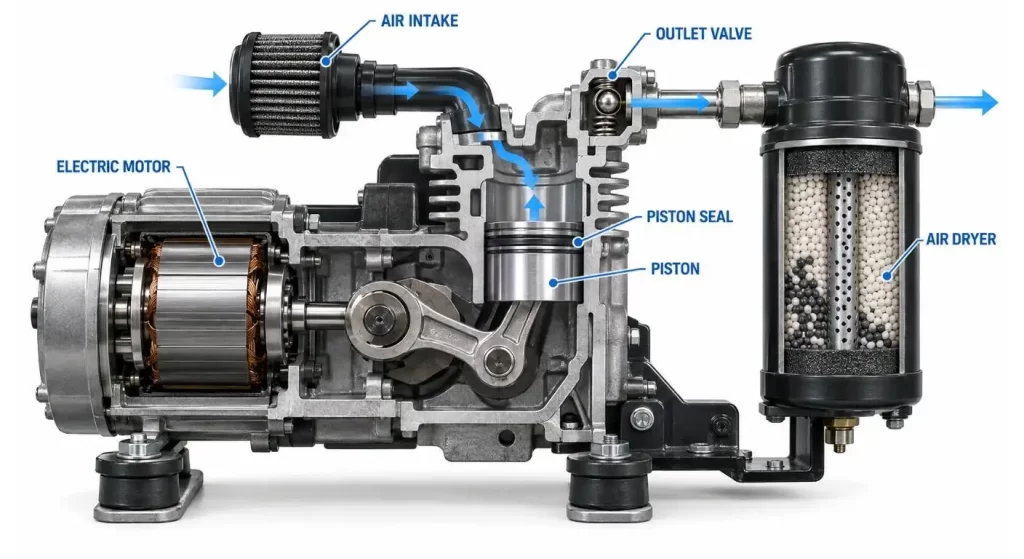
Air is created by an electric motor which powers a piston or other compression device. The dryer dries the air prior to its entry to the pneumatic circuit, seals help maintain the pressure inside the pump.
Maximum pressure is not necessarily the most important criterion of performance. The unit should also increase pressure in a reasonable time frame, control operating temperature and provide consistent performance over multiple cycles.
Bushings have an effect on vibration and cabin noise when mounted. Intake filtration and dryer condition affect internal cleanliness. These secondary details can mean the difference between a quiet and reliable pump and a pump that won't operate at all in the vehicle.
Match The Exact Vehicle Configuration
Begin writing with the OE number, manufacturer, model, year and chassis code of the vehicle. Determine if rear axle leveling or full four corner air suspension system is used.
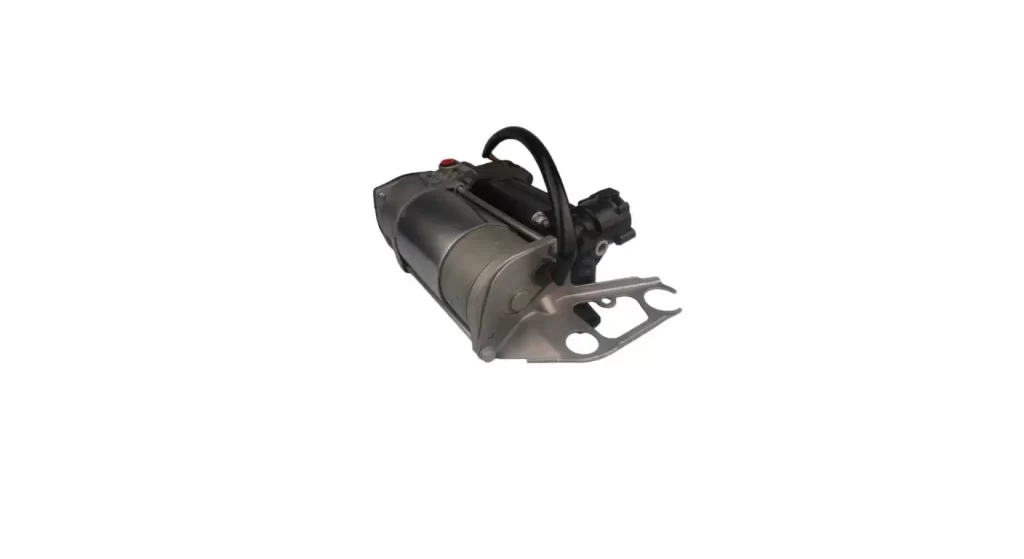
Check the voltage, electrical connector, air outlet, bracket and dryer position and direction of installation. Changes in production or different options for a vehicle may result in different pumps being used between vehicles with the same platform.
Reviewing the entire line of air suspension parts will determine if the pump will operate with the proper spring, strut and control parts.
| Purchasing Item | Information to Confirm | Main Purchasing Risk |
| OE reference | Original and cross-reference numbers | Incorrect vehicle application |
| Vehicle data | Model, year and chassis code | Platform variation |
| Package contents | Pump, dryer, bracket, relay and hose | Incomplete replacement kit |
| Electrical connection | Voltage and connector layout | Control or installation failure |
| Air connection | Outlet type and orientation | Leakage or line mismatch |
| Mounting system | Bracket and rubber isolators | Excessive vibration and noise |
An assessment of the Pump as Part of a System is carried out.
Compressor is not independent. The control module activates the valve block to route air to the suspension circuit needed and the height sensors "ask" for adjustment, which causes the control module to turn on the pump.
Leaky air spring results in more and longer pump cycles. In a restricted dryer, the restriction will limit the amount of air allowed to flow, and if air suspension valve block is leaking internally, then it will leak after the pump is shut off.
Before approving a replacement pump, make sure it is compatible with the pressure-control strategy of the vehicle. Having a strong unit installed, but not matched properly, will not provide proper suspension operation.
Meaningful Quality tests are requested.
A demonstration of rotation after power is applied proves the motor turns, but this does not demonstrate the ability of the pump to pump or stand up to repeated use.
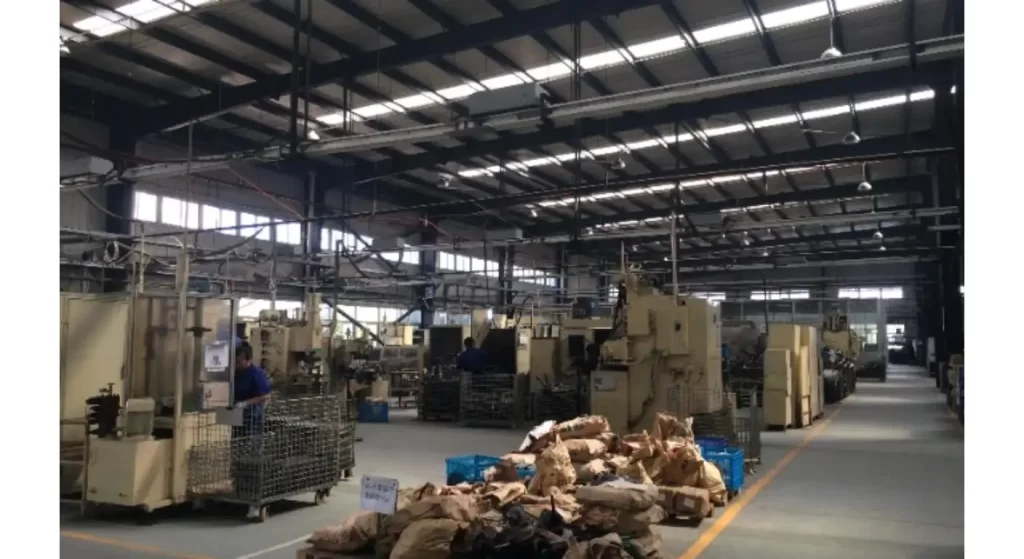
A good production test will look at the following parameters: pressure output, inflation time, current draw, sealing, noise characteristics, and temperature characteristics. The connector and air fitting provided should also be visually and dimensionally inspected.
If durability data is available, inquire about the test cycle, test pressure range and ambient conditions and how they compare to vehicle operating conditions. Test conditions must be included in order to interpret a claimed cycle result.
| Evaluation Item | Test Method | Result to Record |
| Pressure recovery | Run under specified system load | Pressure and elapsed time |
| Current draw | Measure during compression | Starting and running current |
| Leakage | Hold pressure after shutdown | Pressure loss over time |
| Operating noise | Test on vehicle | Noise type and location |
| Temperature | Repeat controlled pump cycles | Maximum surface temperature |
| Fitment | Install on target vehicle | Connector, bracket and outlet match |
Check the Dryer and Moisture Protection for damage.
The dryer is not an optional accessory, but is part of the performance of the pumps. The desiccant in it absorbs the moisture from the compressed air prior to it reaching the valves, lines and air springs.
A clogged, dirty or limited dryer can cause airflow to be restricted, and water to enter the system. Inside corrosion could occur on account of moisture, and frost could also block it when it's cold, resulting in sporadic faults.
If comparing samples, ensure that it is a new dryer and that the size will be the right fit for the vehicle. Pumps should not be used with an old re-purposed dryer, as this can affect the performance of the pump.
Compare Noise and Vibration Under Installation Conditions (Submittal of data for comparison).
The sound of the bench compressor does not necessarily indicate the sound of the compressor in the vehicle. Vibration can be amplified by brackets, rubber isolators and by contact with other panels.
Check the mounting bushings to see if they are in place and secure. The pump should be firmly mounted, but should not make direct metal to metal contact.
Vehicle trial: listen on start-up and ride height adjustment. Rattle, resonance or excessive mechanical noise is a better measure of the pump than is a mere evaluation of whether or not the vehicle will rise.
Conduct a Vehicle-Level Sample Test.
Install the sample on the same vehicle application and correct any existing pneumatic leak(s) first. Make sure to note the initial system condition to enable results to be compared accurately.
Test for pressure recovery, lifting time, operating current, noise and pump temp. Then check to see the vehicle still sits at the same level after shutting down and if load changes are applied the vehicle reacts properly.
If the test is successful it must be reproducible over multiple cycles of operation. Successful lift on one occasion is not evidence of sustained performance.
If the Trial is successful, then write the Purchase Specification.
Once the sample has been approved, record the OE references, parts included, connector, bracket, outlet and packaging requirements. Include agreed inspection items and limits for acceptability.
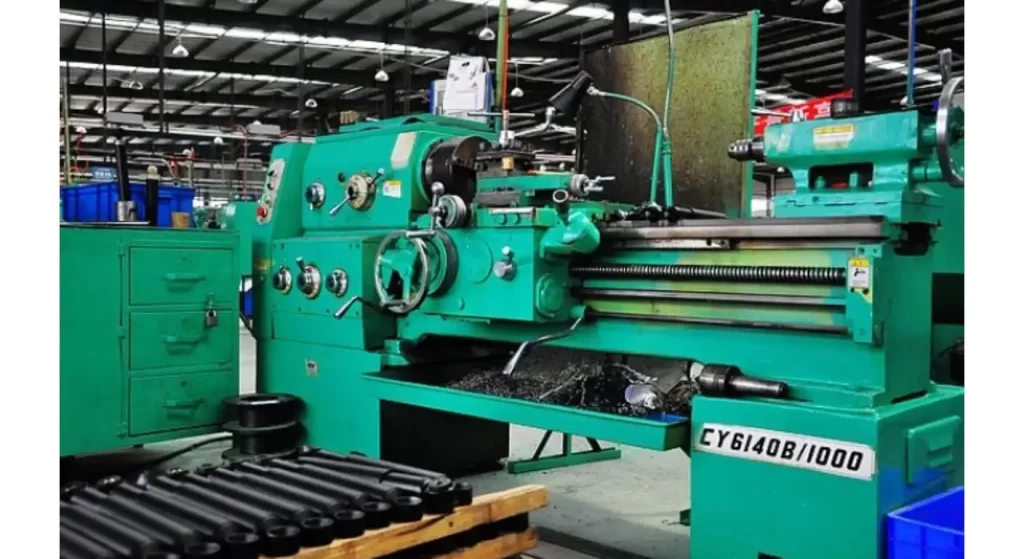
For distributors it is important to have the label clearly marked with the vehicle application and cross reference numbers. Damage to the brackets or connectors can render an otherwise good pump useless, hence the need for protective packaging.
The supplier should verify that subsequent orders will be the same materials, assembly and testing. The HJ Auto Parts factory can be visited to see the workshop, equipment, presentation of the process and the finished product.
Create an effective supplier enquiry.
The complete inquiry includes OE number, chassis code, year of vehicle, expected number of packages and the contents of the packages. Include photos if there are multiple ways of setting up the original pump.
Wholesale buyers should also ask if they can have samples, production lead time, packing and test documents. These details can be sent to HJ Auto Parts Contact page for confirmation.
Conclusion
Choosing an air suspension pump isn't as simple as choosing a pump that is functioning or is the correct size. Sealing, noise and system compatibility, pressure recovery, electrical load and dryer performance should be considered as a group.
Structured sample trial and a written purchasing specification can help a business and distributor get closer to consistent fitment, and minimize repeat replacement issues.
FAQs
Q1. What's the difference between air suspension pump and air compressor?
In automotive air suspension, the two terms are normally used to denote the same pressure generating unit. Please note that items in the package vary from supplier to supplier.
Q2. Are air suspension pumps (with the same connectors) interchangeable?
Not necessarily. The pressure output, bracket design, software strategy, dryer and air fitting need to be matched to the vehicle as well.
Q3. Which tests should be ordered prior to bulk buy?
Pressure recovery, current draw, leakage, noise and operating temperature are some of the useful tests. The test conditions and acceptance limits should be recorded.
Q4. If the compressor relay is to be supplied with pump, then should it?
When replacing a vehicle's pump, some of the procedures involve replacing a new relay. Check if it is included or may have to be ordered separately.
Q5. Why is it necessary to have a dryer?
The dryer dehumidifies compressed air and helps to keep pneumatic components dry. Restriction or saturation of the dryer can also cause a loss of performance and lead to corrosion.


Contact Us
In This Article
- 1 Determine the product before price comparing
- 2 Know How Pump Performance is determined
- 3 Match The Exact Vehicle Configuration
- 4 An assessment of the Pump as Part of a System is carried out.
- 5 Meaningful Quality tests are requested.
- 6 Check the Dryer and Moisture Protection for damage.
- 7 Compare Noise and Vibration Under Installation Conditions (Submittal of data for comparison).
- 8 Conduct a Vehicle-Level Sample Test.
- 9 If the Trial is successful, then write the Purchase Specification.
- 10 Create an effective supplier enquiry.
- 11 Conclusion
