


Custom Air Suspension Manufacturer: From Product Definition to Production
A custom air suspension project can start with a vehicle configuration that is not being offered by the manufacturer or a distributor that wants to sell a private label line of products. In every instance, success will rely on first defining the product prior to tooling or sampling.
A single reference sample does not necessarily contain all of the information needed for repeatable development. The manufacturer also requires information relating to vehicle data, mounting interfaces, pneumatic requirements, electrical, performance targets and validation standards.
Firstly define what custom means.
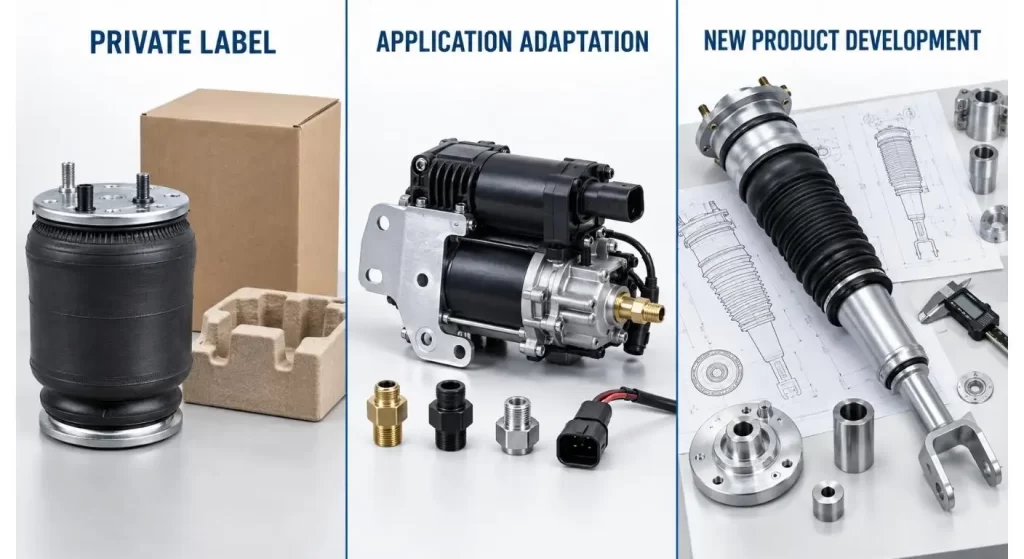
The word “custom” may refer to a number of different degrees of work. The buyer might only need a branded packaging for an existing product, or a new bracket, connector, valve configuration or full suspension assembly.
Private labeling typically results in a change in branding and packaging with no change to the product. Application adaptation – when interfaces are limited due to an existing design, these interfaces are modified. Full development introduces new dimensions, new components or new performance requirements and is wider validated.
Prior to discussing price, the buyer shall agree with the manufacturer the project level. Otherwise, the existing-product quotation can be interpreted as a complete product development quotation.
Use a Clear Vehicle Application to start.
Enter the manufacturer, model, production year, chassis number and drivetrain and suspension option of the vehicle. The position of installation (front left, front right, rear left or rear right) also needs to be determined.
OEs numbers and physical samples are good reference points, but vehicle information should be used in conjunction. It is possible to have varying connectors, brackets or damping systems within the same model of a product, due to production changes.
It is possible to find out if a related vehicle platform or component structure is already available by looking at the manufacturer's product range of air suspension.
Choose the Correct Product Scope.
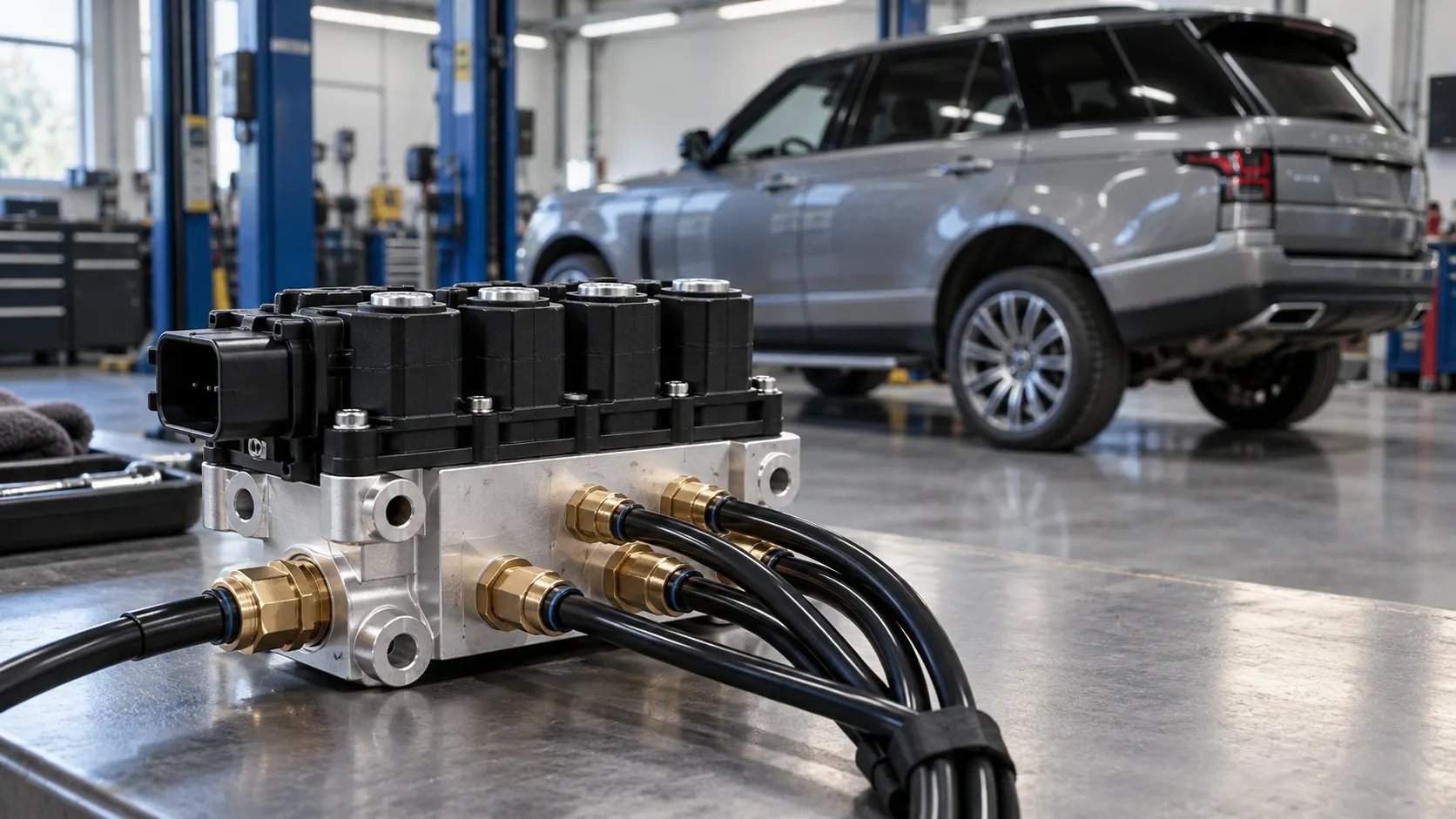
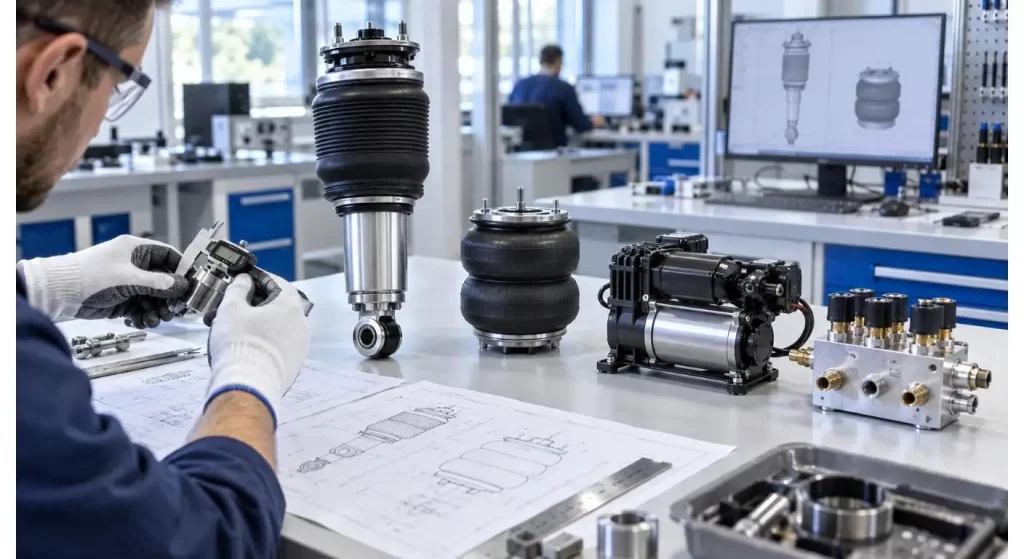
A custom project can involve an individual air spring, complete air strut, compressor, valve block or several coordinated components. Validation and input data are unique to each category.
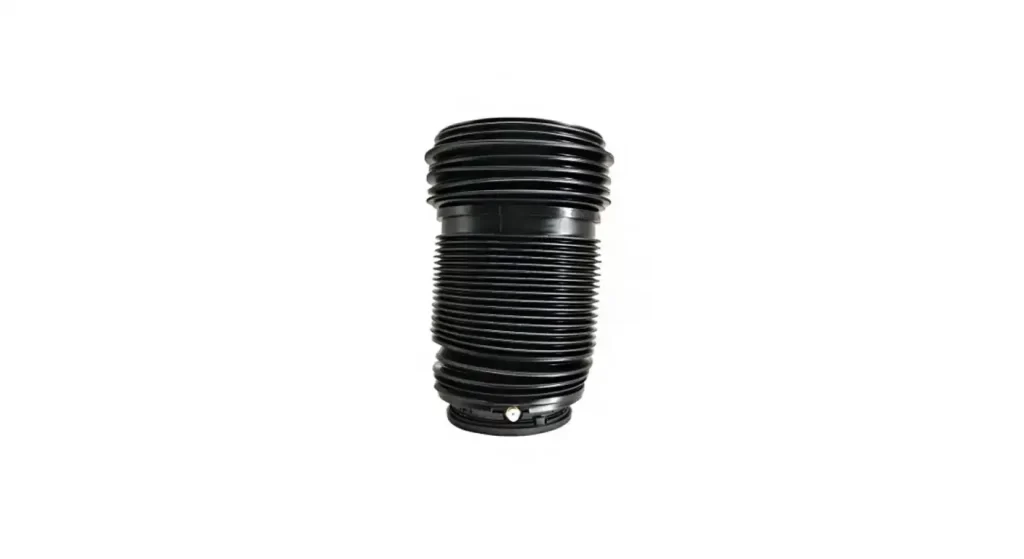
For air suspension spring, specify mounting size, operating height, stroke and load requirements. An entire strut might also need damping-force information, sensor interfaces and electronic connector information.
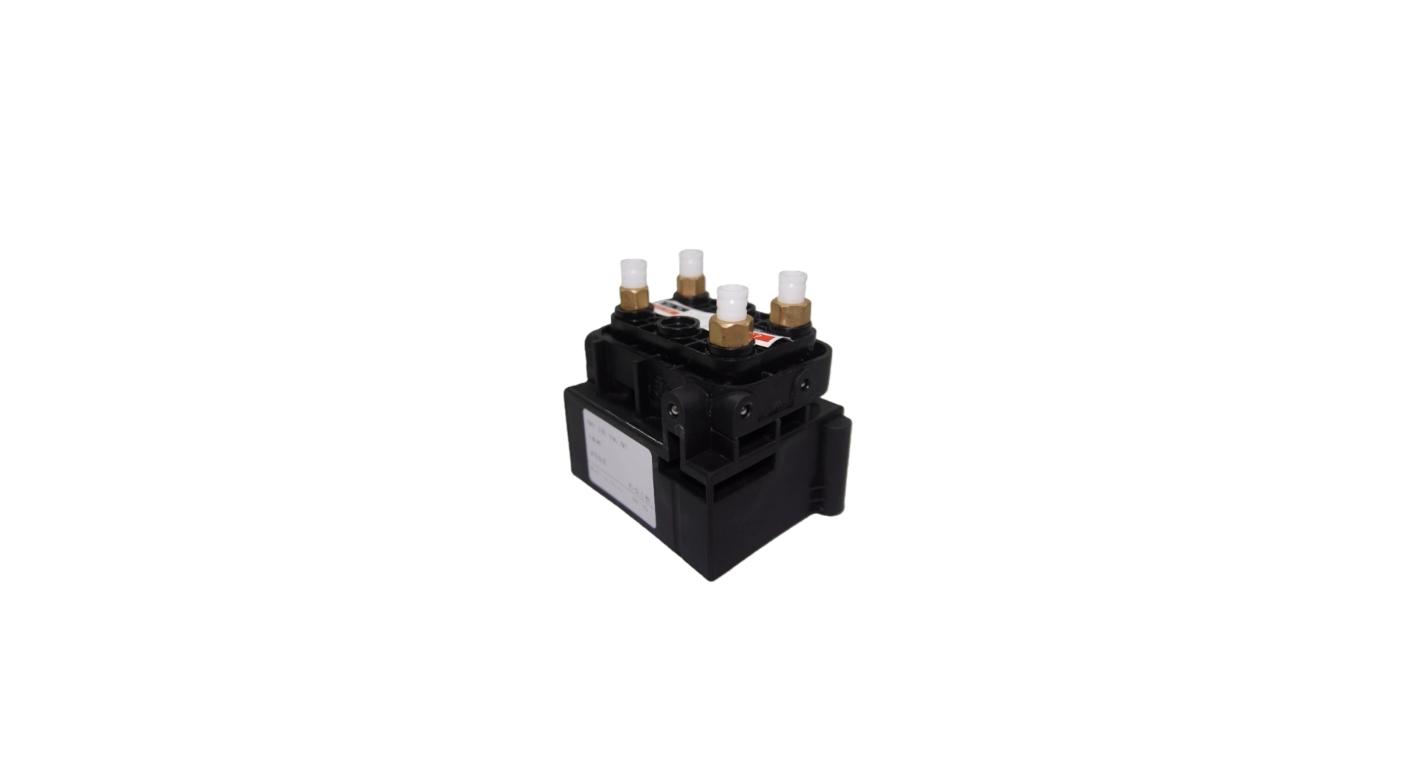
Airflow, pressure, electrical and mounting requirements are needed for compressors. The port arrangement, solenoid configuration, sealing requirements, and control compatibility are all factors that are required when designing with valve blocks.
| Product Type | Essential Input | Main Interface to Confirm |
| Air spring | Load, height and stroke | Mounting plate and air inlet |
| Air strut | Spring and damping requirements | Bracket, sensor and connector |
| Compressor | Pressure, airflow and voltage | Outlet, plug and mounting frame |
| Valve block | Circuit and port arrangement | Solenoid connector and fittings |
| Repair kit | Original assembly and failure area | Crimp, seal and bellows dimensions |
Create Useful Technical Input Package
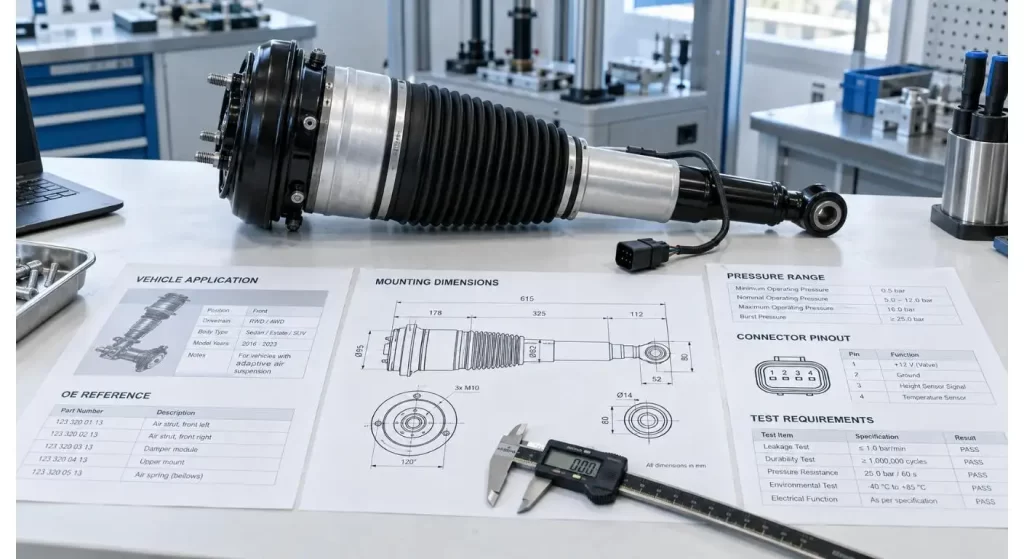
The input package should include drawings, photos, measurements and operating requirements. Prioritize and mark off dimensions that are critical, rather than leaving it up to the manufacturer to duplicate everything they see without priority.
Specify the range of expected pressure, temperature, loading and installation space. For electrical parts, specify voltage, connector pinouts, control signals and currents required.
If an original sample is provided, note how it is in. A dimensional reference should not be based solely on a worn or a distorted component.
Go through the Manufacturer’s Feasibility Response
Existing components should be identified that can meet the requirements and what components require new development. If materials, tooling or interfaces are to be changed, the rationale for the change should be provided prior to sampling.
Uncertain information should also be identified in the process of feasibility review. Technical items that rely on missing load information, or unknown electronic control requirements or incomplete drawings should not be hidden assumptions.
Throughout the air suspension categories, HJ Auto Parts offers air springs, suspension assemblies, compressors and valve blocks. Buyers are advised to verify the categories that are allowed to be modified or developed for their project.
Before drawing and tooling, have them approved by the teacher.
Drawings provide a common technology "language" for the sample and the subsequent production. Verify mounting locations, overall dimensions, ports and connectors and moving clearance and orientations.
Define critical characteristics which relate to safety, sealing, ride height or compatibility with the vehicle. Add tolerances where there is a possibility of variation to affect assembly or performance.
A signed drawing will not substitute for actual testing, but it does minimize the variation of opinion on what the manufacturer was supposed to make.
Evaluate the risks associated with the plan in prototype testing.
A test should be representative of the component and the ways in which it fails. Checks for dimension, leakage, pressure and cyclic are required for air springs. Pressure recovery, current, and temperature and noise evaluation needs to be performed for compressors.
Valve blocks should be checked for proper porting and valve operation and leakage. Some damping, sealing and dimensional and vehicle level ride tests may be necessary on complete struts.
Test plan should specify the conditions and acceptance criteria prior to output of results. The fact that a test passed, has little significance if you don't know how the test was performed.
| Validation Stage | Main Check | Approval Evidence |
| Drawing review | Dimensions and interfaces | Signed drawing revision |
| Incoming inspection | Materials and purchased parts | Inspection record |
| Bench test | Leakage and functional performance | Test report |
| Vehicle fitment | Mounting, routing and clearance | Installation record |
| Road evaluation | Height, noise and ride behavior | Trial feedback |
| Final approval | All changes incorporated | Approved sample and specification |
Verify Sample on Target Vehicle
Bench testing will not verify all installation problems. Install the prototype on the intended vehicle and check the bracket alignment, connector access and air-line routing and clearance over the range of suspension travel.
Test ride for proper ride height. Look and listen for warning signs, leakage and handling/comfort changes.
Assign tested sample a unique number or revision. If any changes are required in the design after testing, a new drawing should be produced, and an additional validation cycle should be performed, if applicable.
Identify and prepare the Product for Repeatable Production.
Once samples have been approved, make the project into a controlled product specification. Drawings, materials, source of components, inspection points, test requirements, marking and packaging.
Measurable criteria control critical characteristics, although a golden sample can be used to facilitate visual comparison. Batch records should be linked to finished products, based on appropriate inspection results.
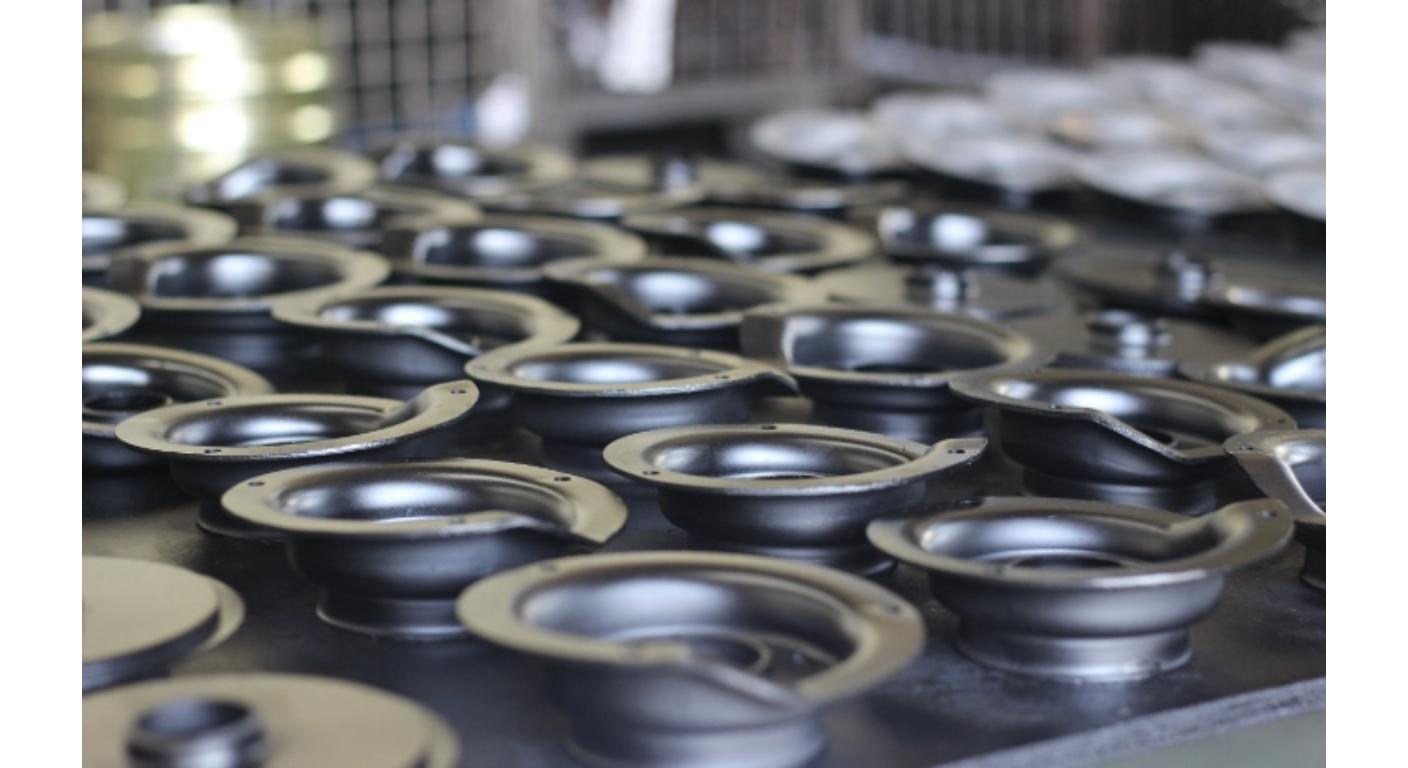
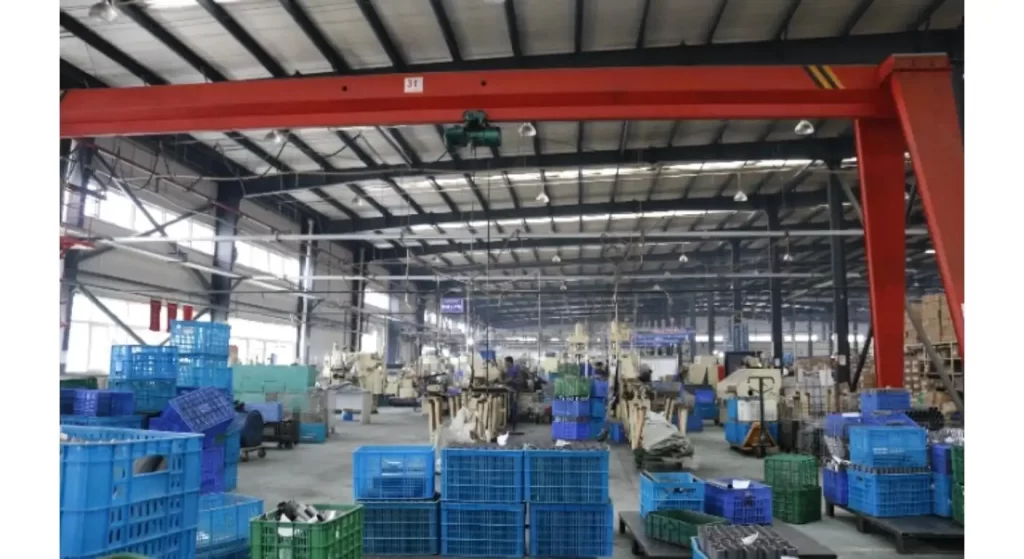
The factory gallery allows for initial view of areas of workshop, machinery, process and finished products. Project buyers should ask for further evidence for the particular component being developed.
After Approval Control changes
Changes in material, seal, motor, connector or sub-supplier may influence the performance, although the product may appear the same. Changes in the purchase agreement should be specified which ones need to be informed to the customer and their re-approval.
Numbers of revisions should be uniformly cited on drawings, specifications and sample records. This is to ensure that you don't use an old drawing for production.
If ordering repeats, ensure that the design and testing approved applies to the repeat order, and not just the name of the product.
Complete Project Inquiry
A good enquiry should include the type of product the enquirer wants, the vehicle to be treated, the OE code, the level of customisation required, annual quantity estimate and the required timing. Add drawings, photos and available tests requirements.
Technical feasibility, the development process, sample terms and production support information can be requested by buyers via the HJ Auto Parts contact page along with the project information.
Conclusion
The process of collaborating with a custom air suspension manufacturer should start with a good product definition, not a quotation. Data pertaining to vehicles, interfaces, operation requirements and validation criteria should be determined prior to development.
Successful prototype development to a repeatable commercial product is achieved through clear drawings and risk-based testing and controlled production specifications.
FAQs
Q1. Which air suspension parts can be customised?
These projects can include air springs, struts, compressors, valve blocks, brackets or connectors. The degree of customization is a function of manufacturer's technical ability.
Q2. Does a prototype suffice to start development?
Sample is helpful, but should be backed up by data for vehicles, drawings and performance requirements. This worn piece may not be an accurate representation of the original size.
Q3. What information is needed for a quotation?
Information on the application of the vehicle, OE number, component type, changes needed, estimated quantity, and drawings or pictures. Requirements for tests and packaging must be added as well.
Q4. Do you need to test your custom sample in a vehicle?
Yes. Bench tests are not a definitive measure of installation clearance, electronic compatibility, ride height or road performance.
Q5. What are "golden samples"?
An approved reference sample which is kept for comparison with production in the future. Written specifications should continue to be used to control critical dimensions and performance.
Share on Social:


Contact Us
In This Article
- 1 Firstly define what custom means.
- 2 Use a Clear Vehicle Application to start.
- 3 Choose the Correct Product Scope.
- 4 Create Useful Technical Input Package
- 5 Go through the Manufacturer’s Feasibility Response
- 6 Before drawing and tooling, have them approved by the teacher.
- 7 Evaluate the risks associated with the plan in prototype testing.
- 8 Verify Sample on Target Vehicle
- 9 Identify and prepare the Product for Repeatable Production.
- 10 After Approval Control changes
- 11 Complete Project Inquiry
- 12 Conclusion
