


Remanufactured vs New Air Suspension Compressor
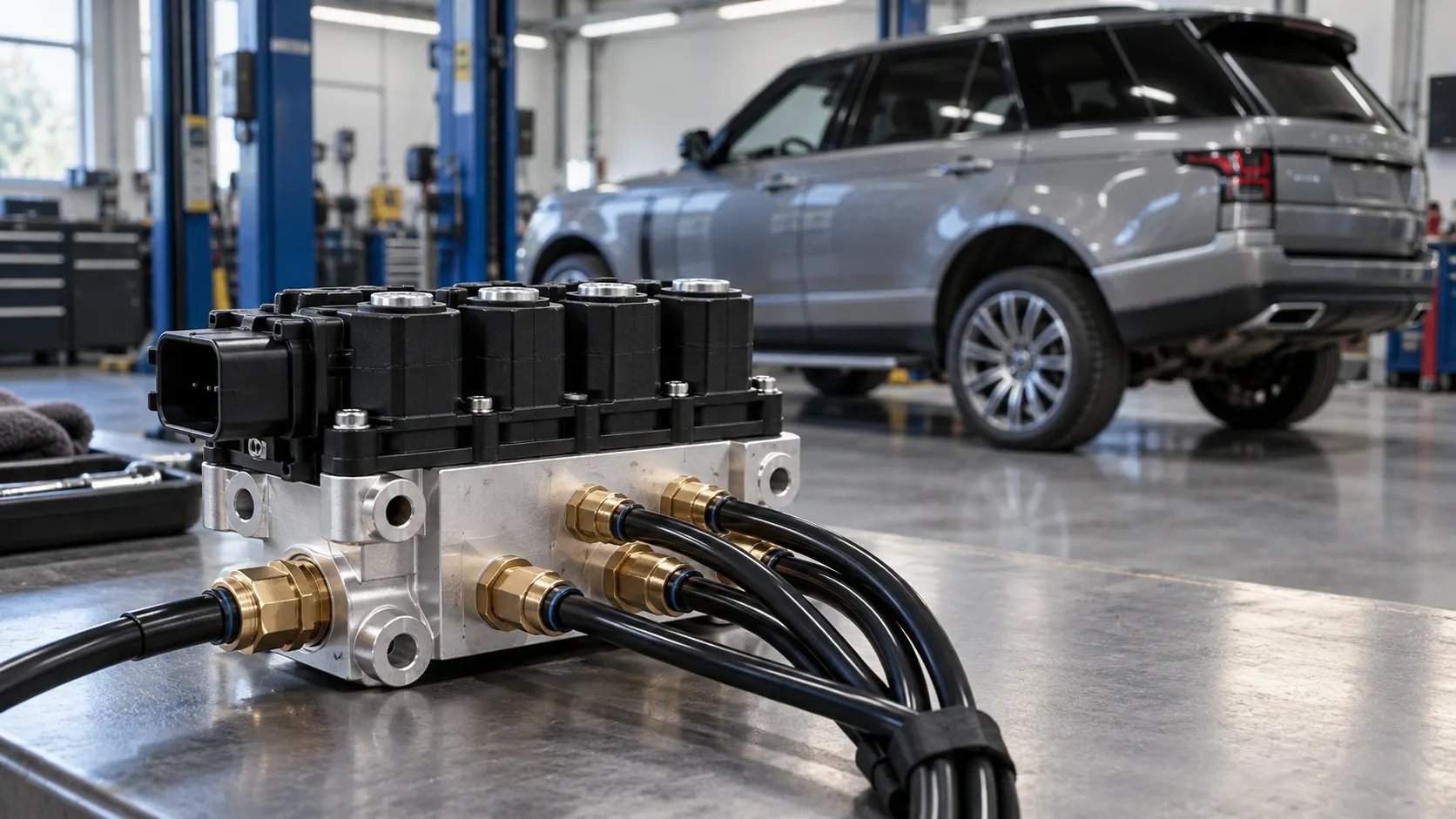
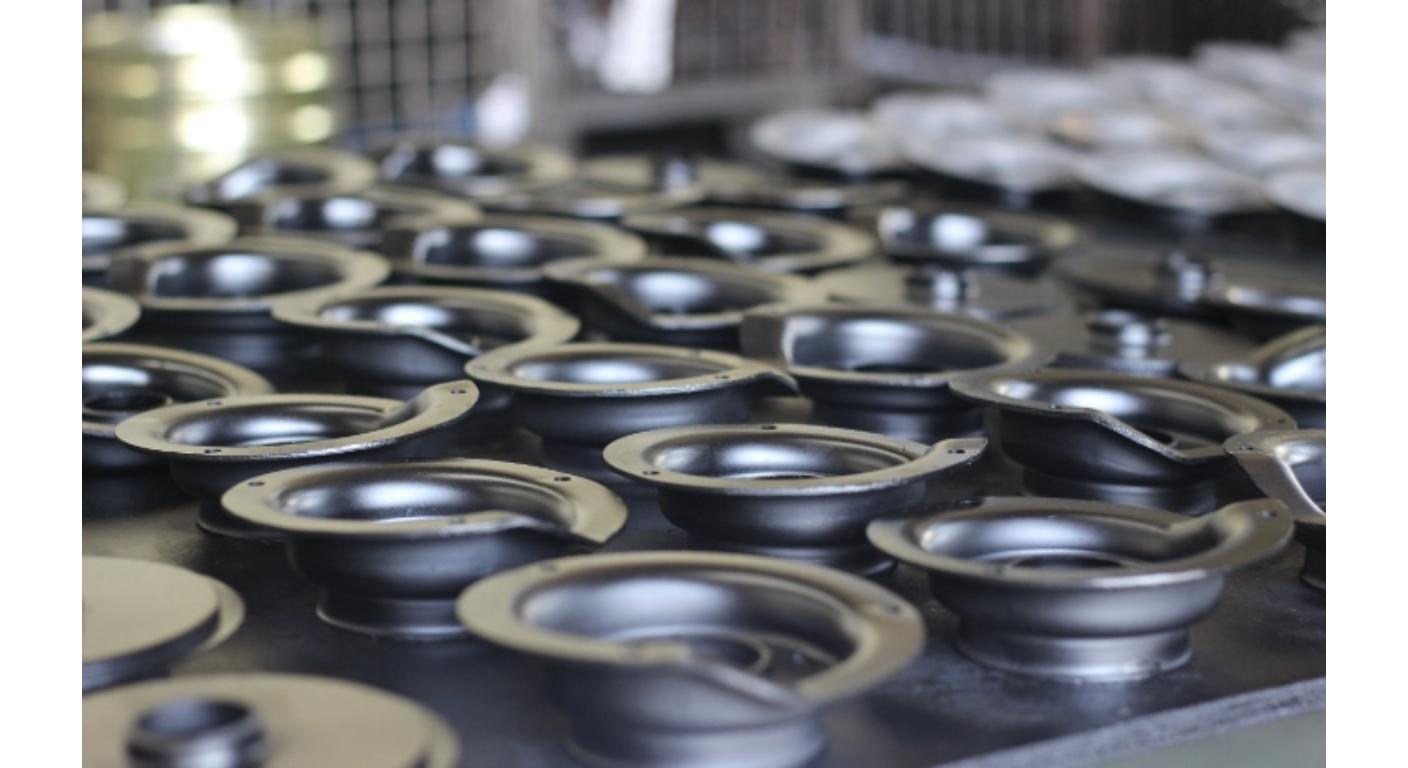
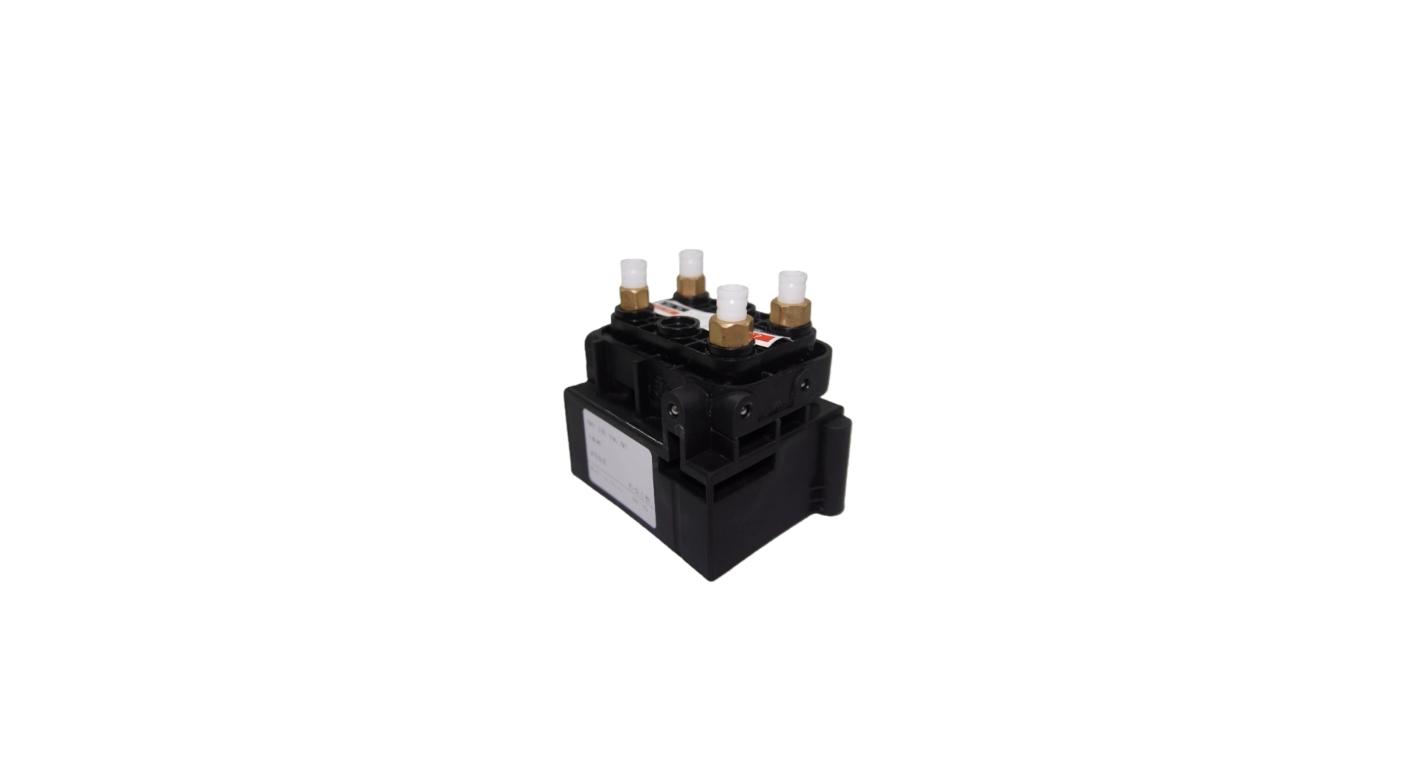
Compressor Replacement Options for air suspension come down to more than “old versus new.” A remanufactured air suspension compressor may reuse the original core and replace selected wear parts, while a new compressor uses new components. What matters is the documented process, testing evidence, written warranty, exact fitment, and whether the rest of the air suspension system is healthy.
Key takeaways
- Remanufactured, rebuilt and refurbished are not consistently defined; Rebuild Master Tech states that its rebuild includes a new piston ring, piston design, motor, dryer silica, O-rings and bolts, but that list is not a universal specification.
- A limited lifetime warranty advertised by one rebuilder is a supplier claim; more importantly, its published page does not set out the full terms.
- No reliable side-by-side service-life figure for new and remanufactured air suspension compressors was found; a forum report of two-year service is one owner’s account, not a controlled comparison.
- Leaks and excessive compressor operation appear in owner discussions of repeat compressor failures, so diagnose the system before fitting either option.
- Match the compressor to the vehicle by OE number and application, not by description alone.
What Does “Remanufactured” Mean for an Air Suspension Compressor?
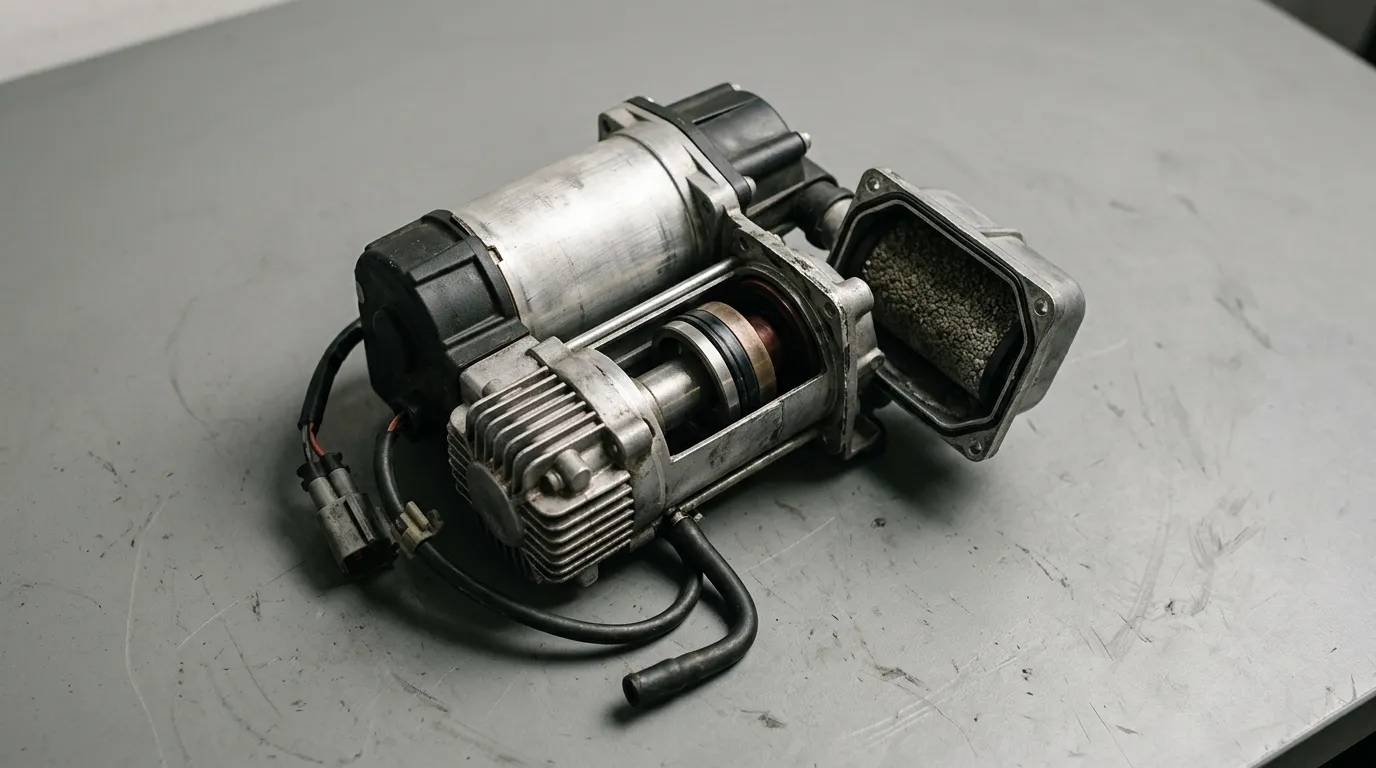
Remanufactured means a used compressor core is disassembled, cleaned, inspected and rebuilt with some replacement parts before being tested, but the exact scope varies by supplier. It does not automatically mean every internal component is new.
That variation is the practical problem. According to City Compressor, remanufactured, rebuilt and refurbished are often used inconsistently and describe different process scopes — though its explanation comes from commercial HVAC and refrigeration equipment, not from an air suspension standard. Atlas Copco describes remanufacturing in its own equipment program as a documented process using defined technical and quality requirements, which shows how much a formal program varies from a loose “rebuild.”
Because there is no single definition you can rely on across sellers, the useful move is to ask for the bill of materials in writing. If a supplier cannot state which parts are reused and which are replaced, treat the word “remanufactured” as unverified.
Remanufactured vs Rebuilt vs Refurbished vs Used
The four labels describe different levels of work, but sellers use them loosely. A rebuilt or refurbished compressor may have only the failed component replaced, a remanufactured unit usually implies a fuller documented process, and a used compressor is simply a salvaged part. Rebuild Master Tech explains its rebuild scope in a published article, which is a specific example rather than an industry rule. Ask each supplier what their label means in their own process.
What Gets Replaced: Remanufactured vs New
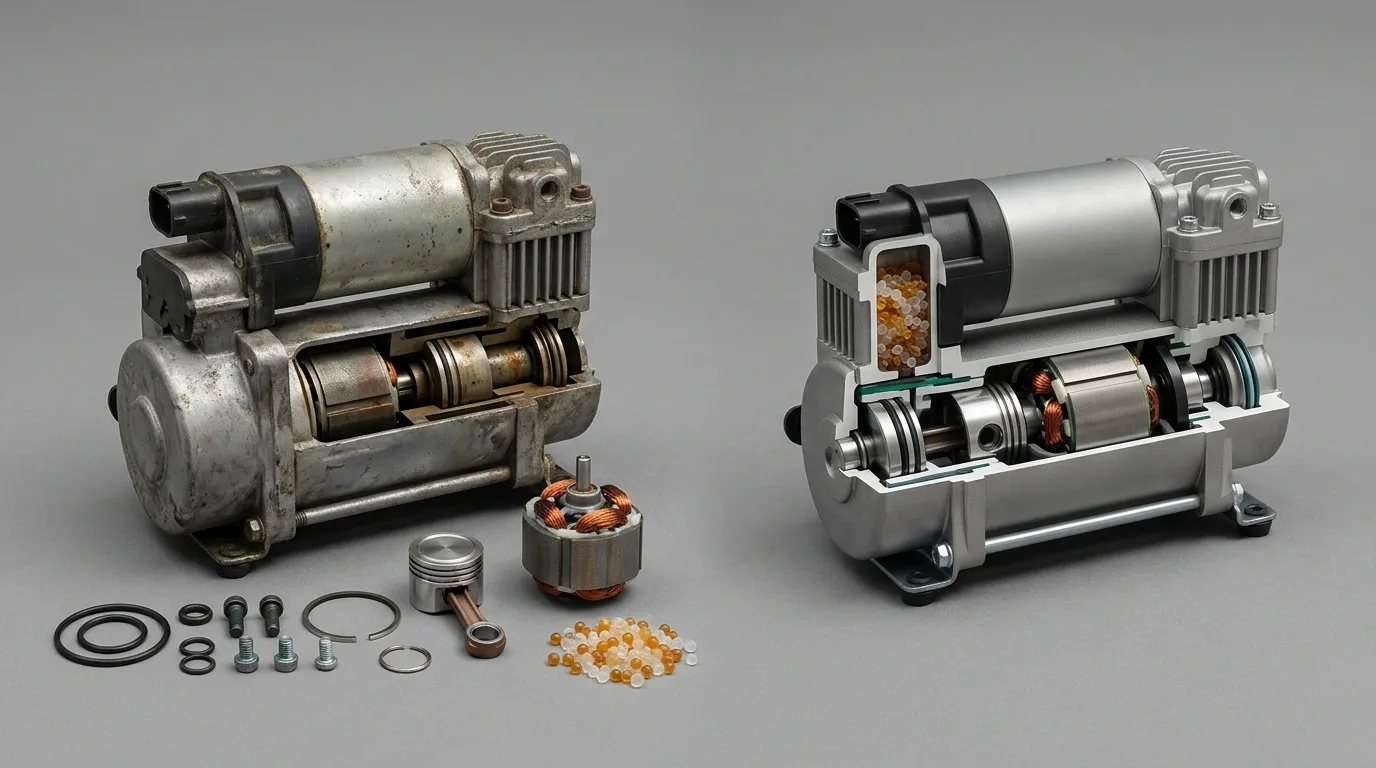
In a remanufactured air suspension compressor, selected wear items may be replaced while the original core, housing and some internal parts are reused. In a new compressor, the assembly is manufactured from new components, so there is no core reuse to investigate.
The parts list matters more than the label. Rebuild Master Tech states that its rebuild includes a new piston ring, a new piston design, a new motor, new dryer silica, new O-rings and new bolts. That is one company’s published scope, and other remanufacturers may replace fewer or different components.
Rebuild Master Tech also states that its rebuilds undergo in-house testing, but its published page does not name test methods, acceptance limits or results, so “tested” remains an unquantified claim. A new compressor is not automatically documented either — the specification has to come from the supplier. HUIJIE, a manufacturer of new replacement air suspension parts, lists more than 2,000 air suspension products and identifies them by OE number.
[DIAGRAM: Side-by-side cutaway of a remanufactured air suspension compressor showing the reused core and replaced wear parts, next to a new compressor assembly, with a caption noting that the replacement list varies by supplier.]
| What to compare | Remanufactured compressor | New compressor | What to verify |
|---|---|---|---|
| Core and housing | Original core may be reused | New assembly, no core reuse | Ask whether the core is reused |
| Wear parts | Selected parts may be replaced | New components throughout the assembly | Ask for the bill of materials |
| Published example of scope | Rebuild Master Tech states its rebuild includes a new piston ring, piston design, motor, dryer silica, O-rings and bolts | Not applicable — the assembly is supplied new | Do not assume another supplier follows the same list |
| Testing | Rebuild Master Tech states in-house testing, without publishing methods or limits | Verify with the supplier | Ask for the test method and acceptance criteria |
| Fitment | Verify by OE number | Verify by OE number | Match OE number, connector and mounting |
If you are weighing a new replacement, confirm the OE number and application on an OEM replacement air suspension compressor listing before you order.
Can You Compare Expected Service Life?
No reliable side-by-side service-life figure for remanufactured and new air suspension compressors was found, so any claim that one option lasts a set number of years should be treated with caution.
The available suspension-specific evidence is thin. An Audizine forum participant reports that two Suncore units lasted two years, which is one owner’s experience rather than a representative lifespan or a controlled test. Rebuild Master Tech states that its rebuilds are tested in house, but without published methods, acceptance limits or results, that statement cannot be converted into an expected service life.
Compressor life is also conditional on the vehicle, not just the part. Duty cycle, installation quality, parts quality and the condition of the rest of the air suspension can all change how long a compressor lasts. Ask suppliers for the test method and the conditions behind any life claim, rather than accepting a guaranteed number of years.
What Warranty Details Should You Compare Beyond the Length?
Compare the written warranty, not the headline duration: coverage, exclusions, installation requirements and the remedy offered all decide whether a claim is actually usable.
Rebuild Master Tech advertises a limited lifetime warranty for its rebuilt units, but its published page does not set out the full terms, so the length alone tells you very little. HUIJIE’s business information states a 1-year warranty, and the exact coverage, exclusions and claim process should be confirmed with the supplier before an order is placed.
A long warranty on a cheap part is not evidence of quality, and a shorter one is not automatically a weakness. What matters is whether the document covers the failure you are likely to experience and whether the claim process is realistic for a workshop fitting the part.
| Warranty question | Remanufactured example | New replacement option | What to ask |
|---|---|---|---|
| Duration | Rebuild Master Tech advertises a limited lifetime warranty; full terms are not set out on its published page | HUIJIE states a 1-year warranty; confirm the terms with the supplier | Ask for the warranty document, not the headline |
| Parts and labour coverage | Not stated on the published page | Verify with the supplier | Does it cover labour or consequential costs? |
| Exclusions | Verify with the supplier | Verify with the supplier | What voids the cover? |
| Installation requirements | Verify with the supplier | Verify with the supplier | Is proof of installation or a diagnostic record required? |
| Claim remedy | Verify with the supplier | Verify with the supplier | Replacement, repair or refund? |
Leaks and System Faults: Why They Matter Before You Fit Either Option
Air leaks and other air suspension faults can keep a compressor running far more often than it should, so diagnose the system before choosing between a remanufactured and a new compressor.
That caution comes from real owner experience rather than a laboratory result. In the same Audizine thread, participants discuss tracing leaks and excessive compressor operation while dealing with repeat compressor failures — forum discussion, not a measured causal finding, but a pattern worth acting on.
The checks themselves are straightforward. HUIJIE’s replacement guide advises inspecting air springs, air lines, valve blocks and related connections before replacing a compressor. If a leak is found, repair it first; otherwise either replacement option may be stressed by the same fault that damaged the original unit.
Before choosing either option, review the air suspension compressor replacement guide for the leak and fault checks.
How Do You Check Fitment and OE Number?
Verify fitment by OE number and exact vehicle application before choosing between a remanufactured and a new compressor. An OE number is the original equipment part number a vehicle manufacturer assigns to a component, and matching it is the fastest way to confirm a compressor belongs on a specific vehicle.
Air suspension compressors can look similar across models while differing in connector type, mounting points, bracket layout and control behaviour. HUIJIE identifies its parts by OE number and lists more than 2,000 air suspension products, so the number is the reference point for a match rather than a description such as “fits an air suspension.”
Confirm the supplier’s return policy before ordering as well. A wrong compressor that cannot be returned turns a simple comparison into an expensive mistake.
When Might Remanufactured Be Reasonable vs When New May Be Preferable?
Remanufactured is a reasonable option when the process, the replaced parts, the testing evidence and the written warranty are all documented and the fitment is confirmed. A new compressor is preferable when you need a known-new assembly, a documented specification, or you cannot verify how a remanufacturer works.
When Might Remanufactured Be Reasonable?
Choose remanufactured when the supplier can show a bill of materials, a test method and written warranty terms that you have read — not simply a warranty length. Rebuild Master Tech’s published rebuild scope and advertised limited lifetime warranty are examples of a supplier documenting its own process; they are that company’s claims, not a guarantee of what another remanufacturer does. If documentation is missing, the price advantage is the only thing you are really buying.
When Might New Be Preferable?
Choose new when the assembly’s specification needs to be known from the start, when a core charge or return shipping makes the remanufactured route unattractive, or when the supplier cannot explain what was reused. If you are shortlisting new units, check application details on the aftermarket air suspension compressor page, and treat a product name such as the one used on the durable air suspension compressor listing as a description rather than evidence of longer service life.
Pre-Purchase Decision Checklist

Use this checklist to compare any remanufactured or new compressor on documentation, warranty, fitment and system condition before you buy.
- Confirm the OE number and exact vehicle application, following the fitment checks above.
- Ask for the bill of materials: which parts are reused and which are replaced.
- Ask for the test method and acceptance criteria, not just the word “tested.”
- Request the written warranty document, including exclusions, coverage and remedy.
- Diagnose and repair leaks, air springs, air lines and valve blocks before fitting either option.
- Compare the total cost, including installation, any core charge and return shipping where quoted.
- Confirm the supplier’s return and claim process in writing.
[DIAGRAM: Flowchart from “compressor fault” through leak and system diagnosis, OE number verification, documentation request, and a final branch to remanufactured or new.]
Frequently Asked Questions
Is a remanufactured air suspension compressor as good as new?
It depends on the supplier’s process, not the label. A remanufactured unit may reuse the core and replace selected wear parts, while a new unit uses new components. Compare the written bill of materials, test evidence, warranty terms, fitment and system condition rather than assuming either option is universally better.
How long should a new or remanufactured air suspension compressor last?
No reliable side-by-side lifespan figure was found for air suspension compressors. One owner forum report describes two years of service from each of two units, but that is anecdotal. Life can be affected by system leaks, duty cycle, installation and parts quality, so ask suppliers for test methods rather than a guaranteed number of years.
Does a longer warranty mean a better air suspension compressor?
No. Warranty length is only one term. Check what is covered, what is excluded, whether labour or consequential costs are included, what installation requirements apply and what remedy is offered. One rebuilder advertises a limited lifetime warranty, but its published page does not set out the full terms, so compare documents rather than labels.
If you are comparing a new replacement option, confirm your OE number and application with HUIJIE before ordering.
Share on Social:


Contact Us
In This Article
- 1 Key takeaways
- 2 What Does “Remanufactured” Mean for an Air Suspension Compressor?
- 3 What Gets Replaced: Remanufactured vs New
- 4 Can You Compare Expected Service Life?
- 5 What Warranty Details Should You Compare Beyond the Length?
- 6 Leaks and System Faults: Why They Matter Before You Fit Either Option
- 7 How Do You Check Fitment and OE Number?
- 8 When Might Remanufactured Be Reasonable vs When New May Be Preferable?
- 9 Pre-Purchase Decision Checklist
- 10 Frequently Asked Questions
