


Selecting a Reliable Automotive Valve Block Manufacturer: A Practical Buyer’s Guide
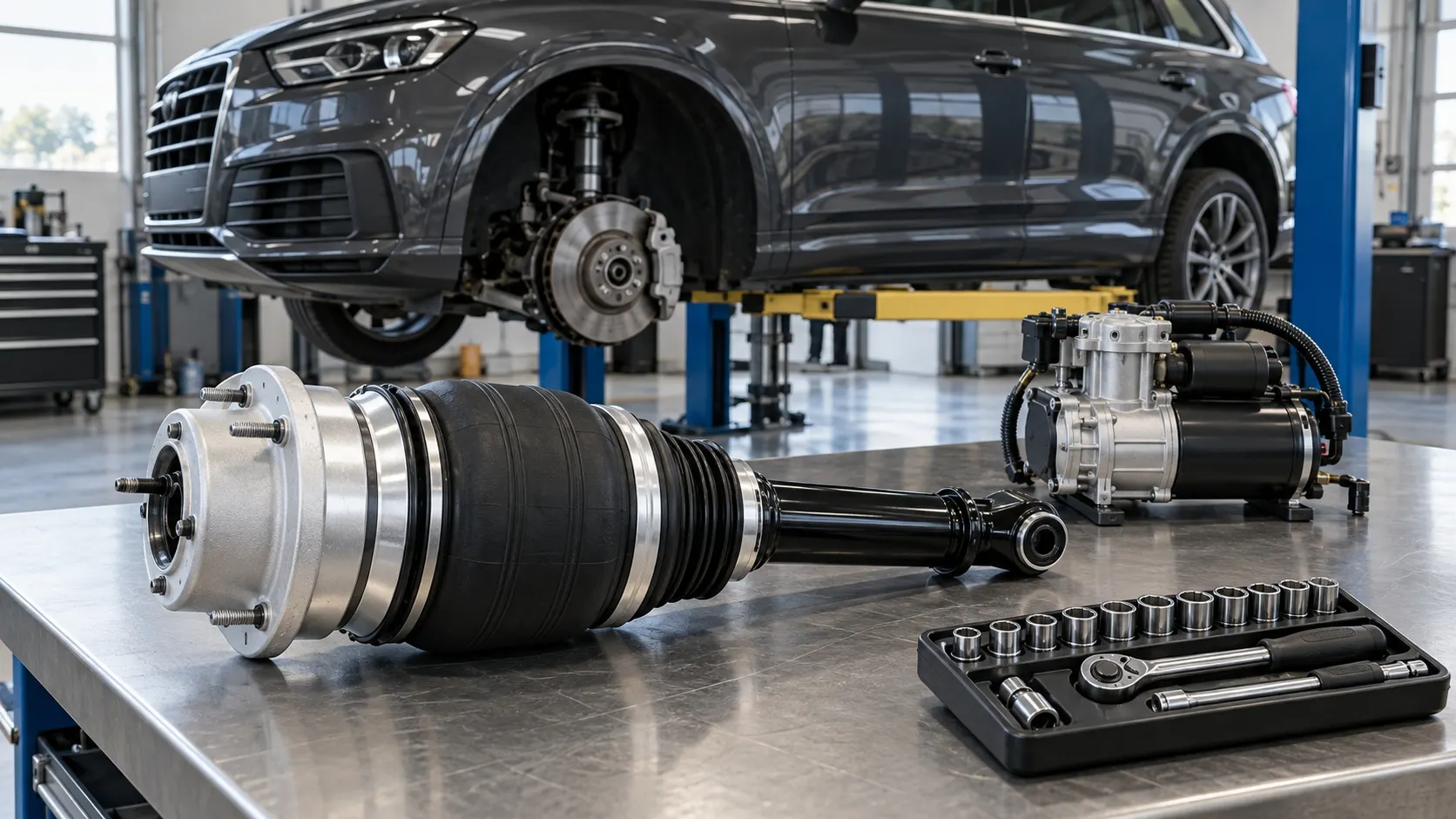
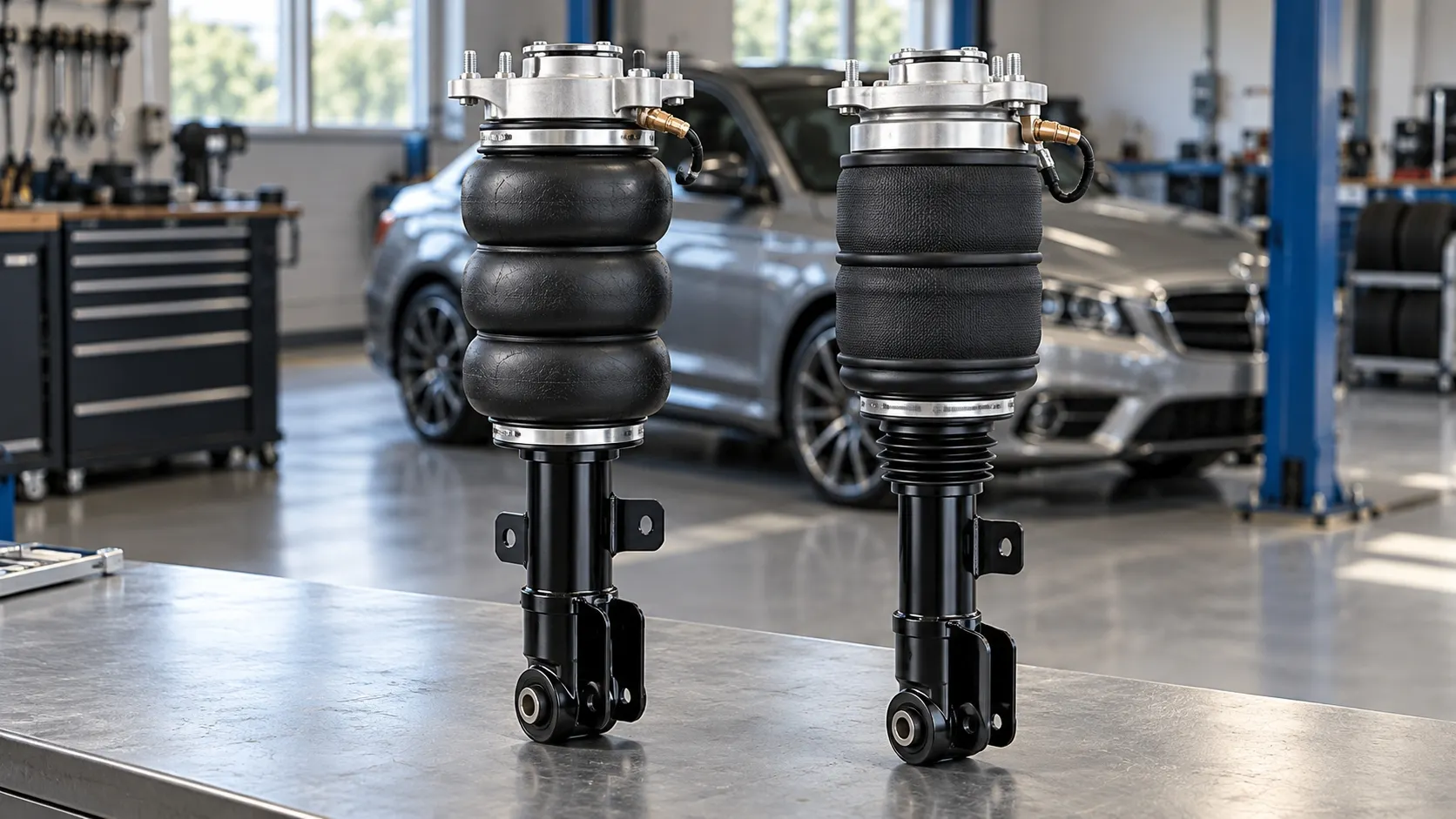
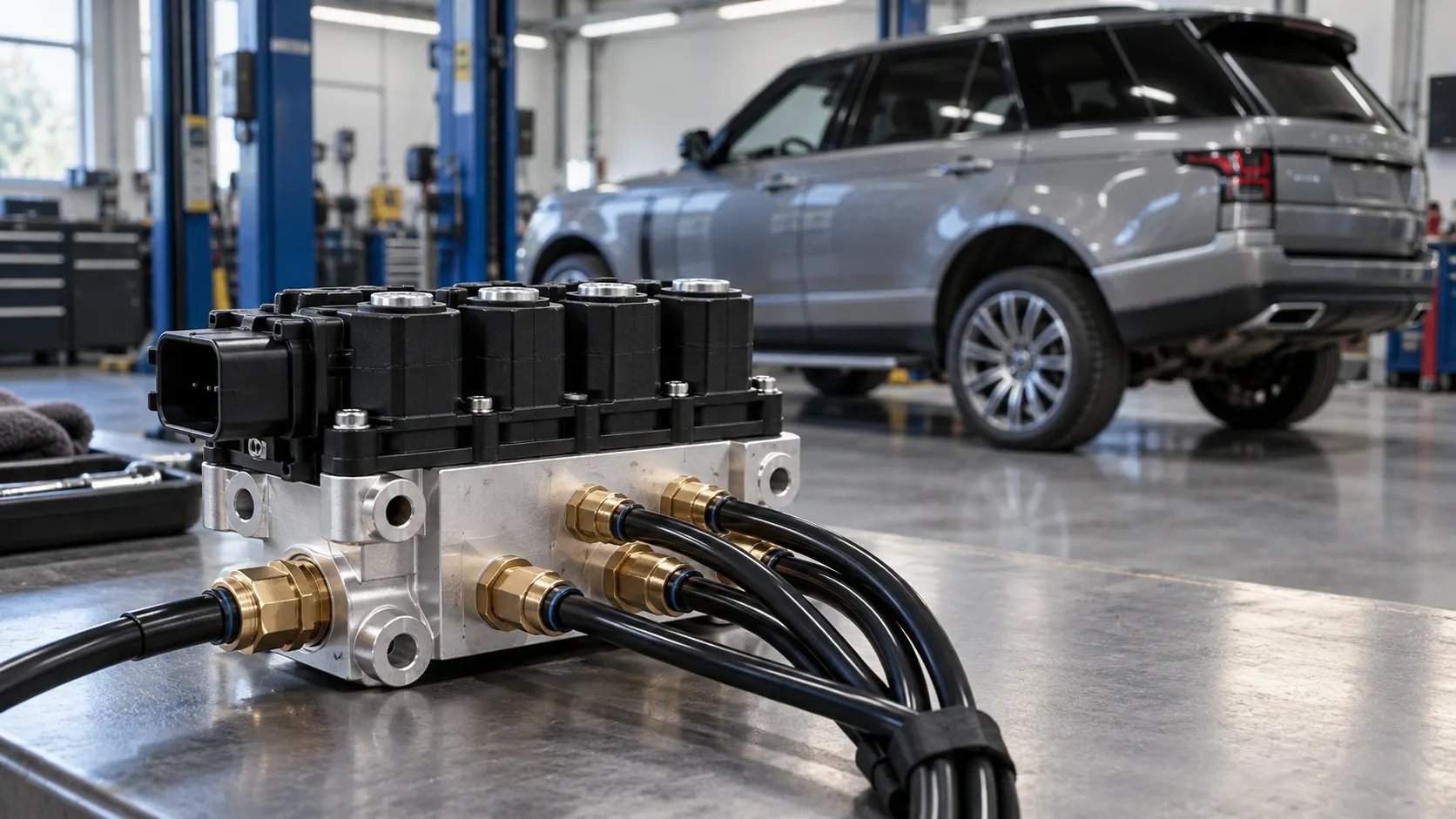
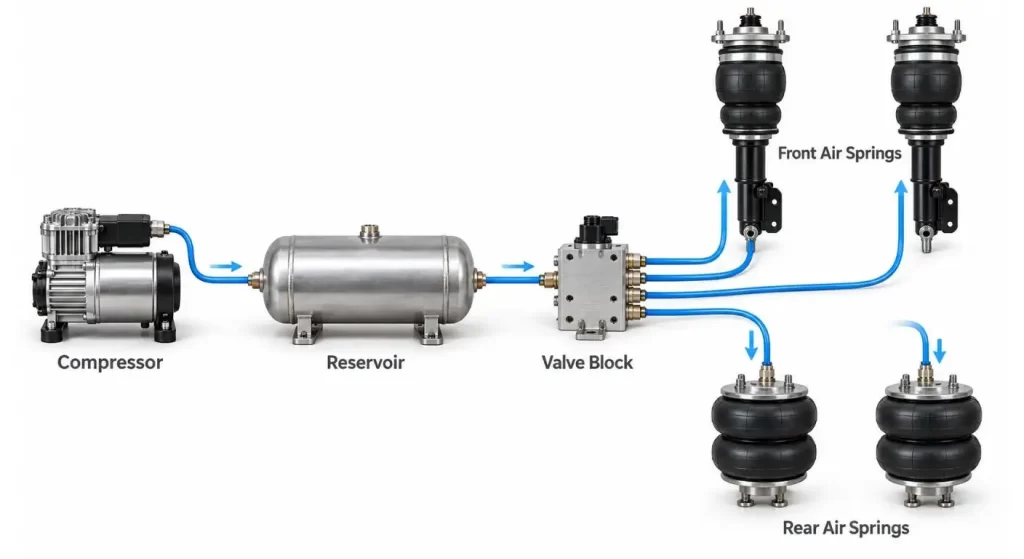
An automotive air suspension valve block controls the flow of compressed air between the air reservoir, the compressor and the individual air springs. It can open and close certain passages to either lift or lower the control system's different areas or level them.
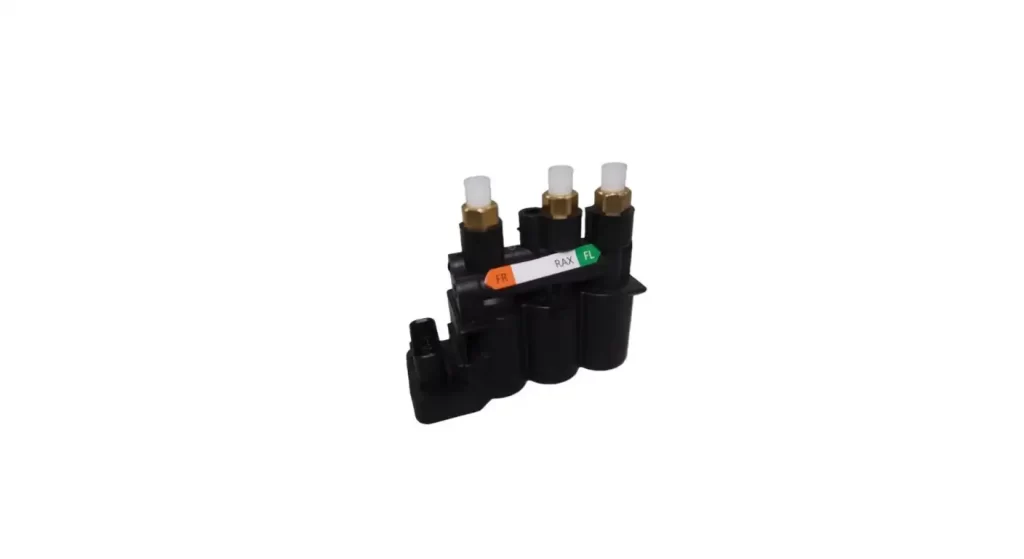
Faulty block can result in uneven ride height, slow response or loss of pressure and/or unnecessary compressor operation. These symptoms can be mistaken for a leaking air spring or a weak compressor, thus identification of the component to be replaced is critical.
The buyer can browse HJ Auto Parts' air suspension valve block lineup to understand the possible configurations they might be seeing in European auto applications.
Why alike appearing valve blocks are not necessarily interchangeable.
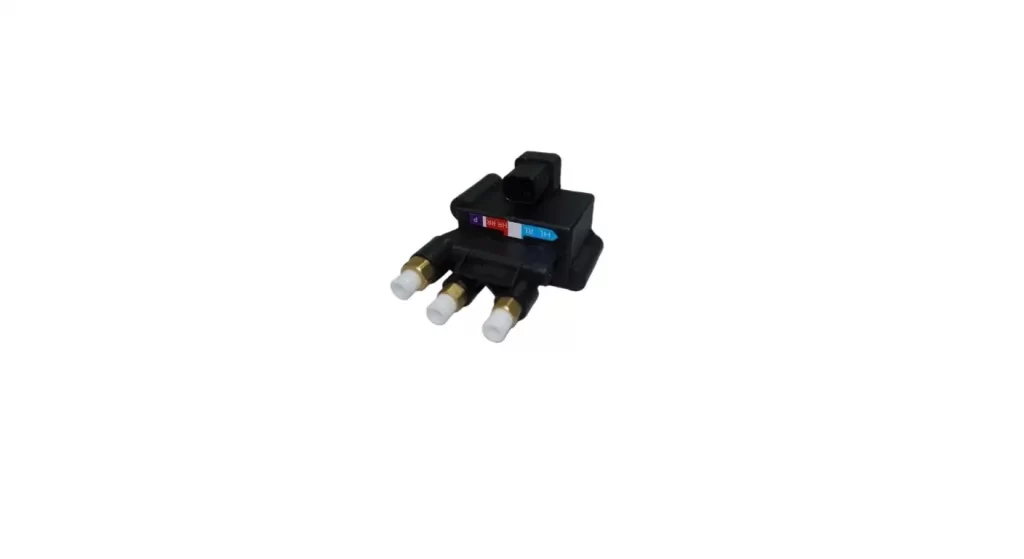
However, the housing of two valve blocks might be almost identical, with the internal air passages, port number, electrical connector or mounting point different between the two. A small change can cause air to be drawn into the wrong circuit or for the communication with the suspension system to go out of range.
Matching should therefore be done on the basis of the OE reference, the vehicle model, chassis code, the production year, the design of the connector, the port layout and the installation position. When purchasing a number of vehicle applications, customers should start with products in the general air suspension product line and then verify specific applications.
A Buyer's checklist of what to look for in a manufacturer.
A reliable valve block for automobiles manufacturer should not only manage on the exterior dimensions. Some of the most important factors of a valve are valve-seat accuracy, sealing surfaces, solenoid installation, port machining and internal cleanliness.
Fine particles of metal or from the assembly can block up small spaces and affect seals. A poorly controlled valve seat may cause internal leakage without any air leakage through the seat being visible to the outside of the housing. Before shipment, buyers should inquire about the cleaning, assembly, testing, identification and protection of the components.
Manufacturing equipment and manufacturing conditions can be analyzed based on the supplier's factory gallery, but the manufacturing conditions of the projects should be verified on the spot.
Test yourself on Electrical Concepts.
It is impossible to determine the proper distribution of air over a valve block by a visual inspection. External leakage, internal leakage, pressure holding, port function and solenoid response testing are all important tests that should be part of a meaningful validation plan.
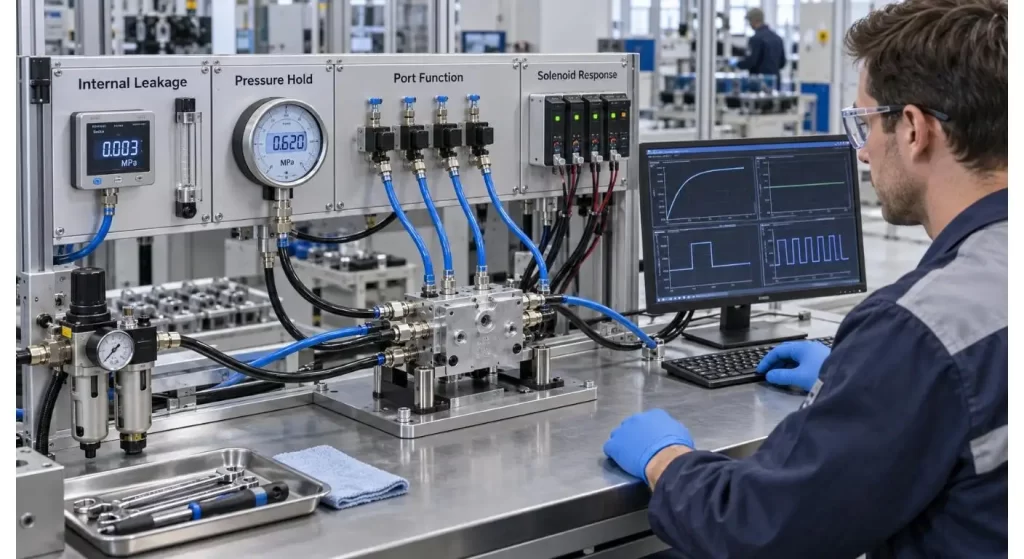
Electrical verification should include: Connector fit and pin assignment, Coil resistance, and Actuation consistency. Test limits should reflect the specific OE application and not be the same for all applications as operating conditions and designs are different from one platform to the next.
Thermal cycling or repeated operation testing also is useful for high-volume programs. It is useful for identifying seal instability, and delayed switching and performance variations that do not show up in a brief room-temperature test.
| Test Item | What It Confirms | Buyer Check |
| Port-function test | Correct air routing | Every port matches the intended circuit |
| Internal leak test | Isolation between passages | No unacceptable pressure transfer |
| External leak test | Housing and seal integrity | No leakage at joints or ports |
| Solenoid response | Reliable valve activation | Consistent opening and closing |
| Pressure-hold test | System stability | Pressure remains within the agreed limit |
| Connector inspection | Electrical compatibility | Correct shape, pins, and locking tab |
When bulk purchasing, how to approve samples.
Approved samples with full application information. Give the vehicle model, chassis code, production year, OE number, installation location, pictures of the connectors and any known port markings.
The sample should be compared initially with the approved drawing/reference part. It should then be mounted on the vehicle or test system to be tested to verify ride-height adjustment, pressure retention, warning-light status and compressor cycling.
A one-time sample is not sufficient for an ongoing program. Ask for multiple units from a batch representative of production to assess variation between units, as well.
Procuring and batch change control and distribution of the product.
Repeatability is more significant than one ideal prototype, for distributors and private label brands. There needs to be defined inspection criteria and traceable records for key materials, dimensions, pneumatics and electrical function for each production lot.
Additionally, manufacturers should reach out to change out seals, coils, connectors, machining processes, or sub-suppliers prior to implementation. When a product number stays the same but the changes are not under control, they can cause warranty issues.
| Required Information | Recommended Detail |
| Vehicle application | Brand, model, chassis, and year |
| Part reference | OE number and cross-reference |
| Technical reference | Drawing, sample, or clear photos |
| Electrical details | Connector type and pin assignment |
| Order requirement | Sample quantity and annual demand |
| Commercial requirement | Branding, packaging, and destination |
Packaging is an element of Contamination Control.
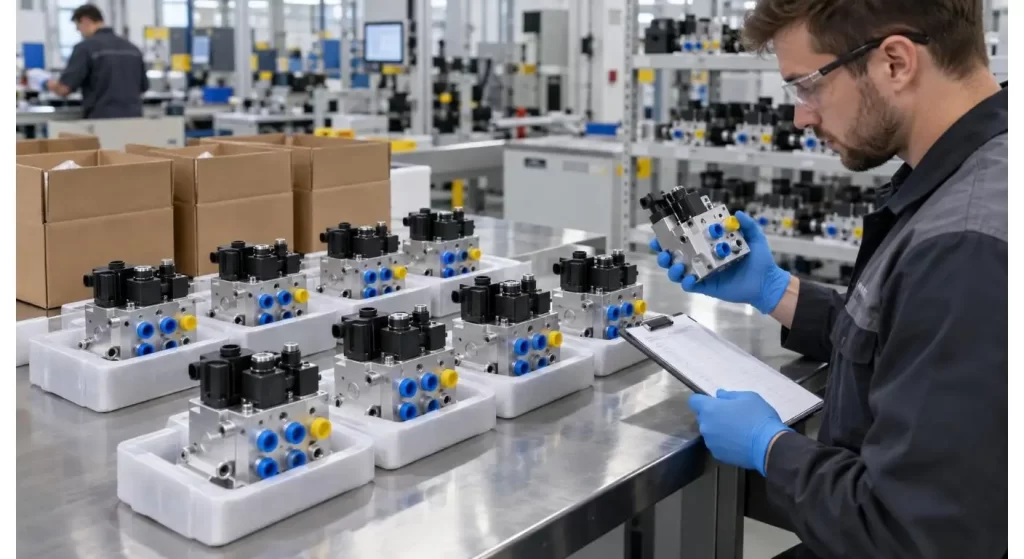
Valve blocks have little ports and susceptible sealing regions. Open ports are potential points of dust, moisture or packaging particles during storage and overseas transport.
Protective caps, individual clean packing, part identification and impact resistant cartons minimize contamination and handling damage. Packaging should be specified in the sample approval process and not during mass production.
This report outlines the key steps in building a More Reliable Sourcing Process.
Fitment data, technical validation, commercial terms and after sales records are all linked in an effective sourcing process. Buyers need to document a return including vehicle application, fault symptoms, fault codes, installation results, and failed production lot.
This information can be used to determine whether the product is defective or incorrect fitment, damaged air lines, compressor problems or installation errors. The complete product catalog enables comparing of related components.
Buyers may contact HJ Auto Parts with their order requirements, OE references & expected order quantities for confirmation of application, quotation details or for project discussions.
FAQ
Q1. Are there any valves that can be used for a certain car model?
No. At the same time, the chassis code, production year, OE number, connector and port configuration should also be checked as there are various suspension versions for one model.
Q2. What do you mean by internal leakage of valve block?
Internal leakage is the leakage of air between circuits with the valves closed. It can result in unbalanced vehicle height, but create no noticeable external leakage.
Q3. Should all the valves that block get functional tests?
For professional aftermarket supply functional test is strongly recommended. Correct solenoid operation and airflow can be determined only by appearance and dimensions.
Q4. Is it possible for the compressor to be harmed by a failing valve?
May be a cause of excessive compressor cycling due to losses or wrong routings of pressure. Be sure to diagnose a complete air suspension system first, before replacing any parts.
Q5. What information does a Custom Valve Block Inquiry require?
Include OE reference, application data, samples/drawings, connector and port requirements, target quantity, packaging requirements and validation criteria.


Contact Us
In This Article
- 1 Why alike appearing valve blocks are not necessarily interchangeable.
- 2 A Buyer's checklist of what to look for in a manufacturer.
- 3 Test yourself on Electrical Concepts.
- 4 When bulk purchasing, how to approve samples.
- 5 Procuring and batch change control and distribution of the product.
- 6 Packaging is an element of Contamination Control.
- 7 This report outlines the key steps in building a More Reliable Sourcing Process.
