


Air Suspension vs Adaptive Suspension: What Each Controls
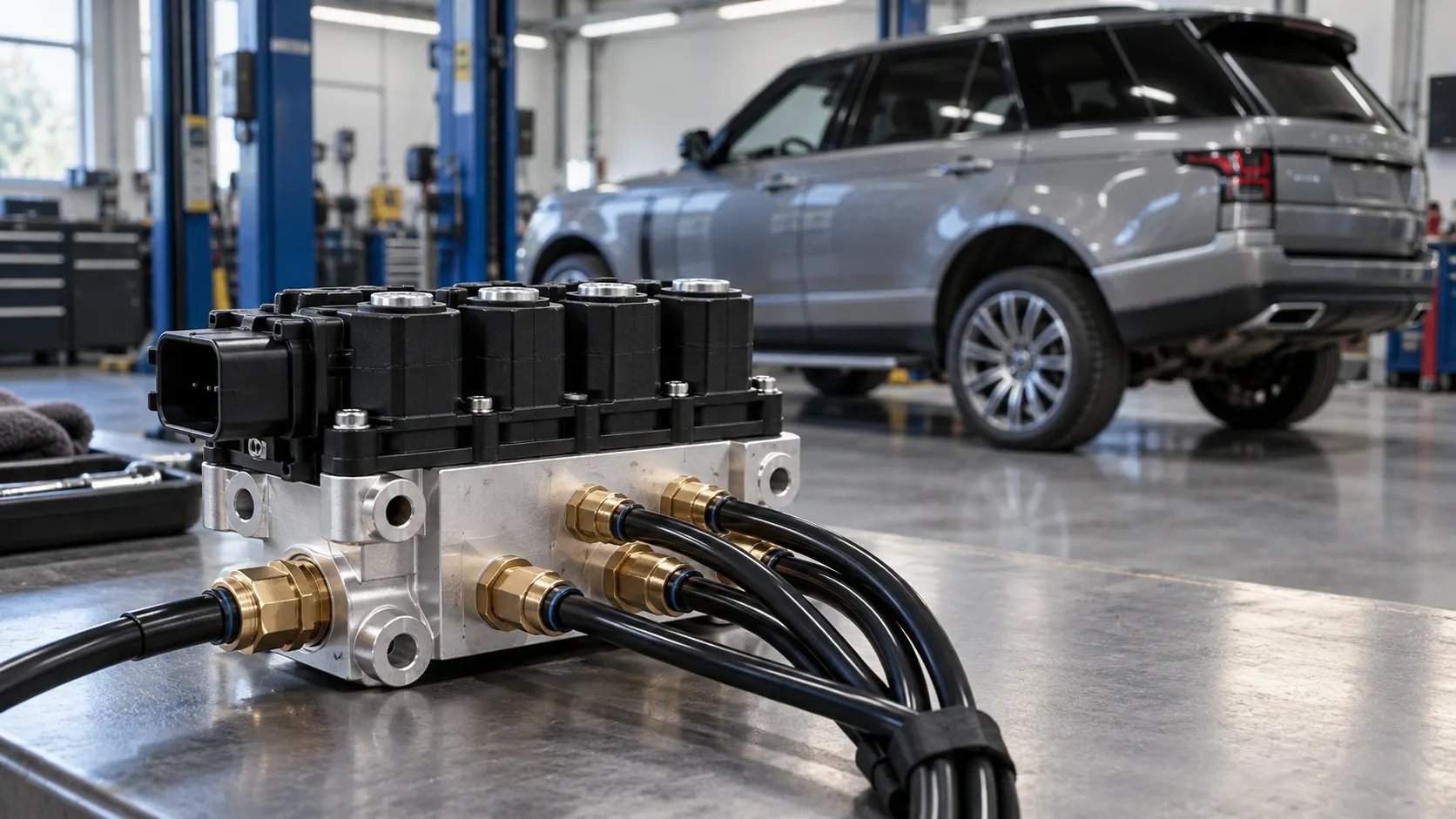
Air suspension and adaptive suspension do not control the same thing, and the difference comes down to the spring versus the damper. Air suspension uses air springs to set ride height and load support, while Adaptive Damping Systems change how the shock absorbers resist motion. Many luxury cars combine both in electronically controlled air struts.
- Air suspension replaces steel springs with pressurized air bellows, and air pressure determines the equivalent spring rate, according to MotorTrend.
- Air suspension can raise or lower a vehicle and its ground clearance (MotorTrend, 2020).
- Adaptive damping varies shock-absorber resistance; it does not by itself change ride height (Riser Lincoln, for its own model).
- "Adaptive" describes control logic, not a spring type, so "adaptive air suspension" names a combined system rather than adaptive damping alone (Chevrolet).
- Manufacturer naming varies by brand and model year, so the reliable check is the specific vehicle's own specification.
What Does Air Suspension Control?
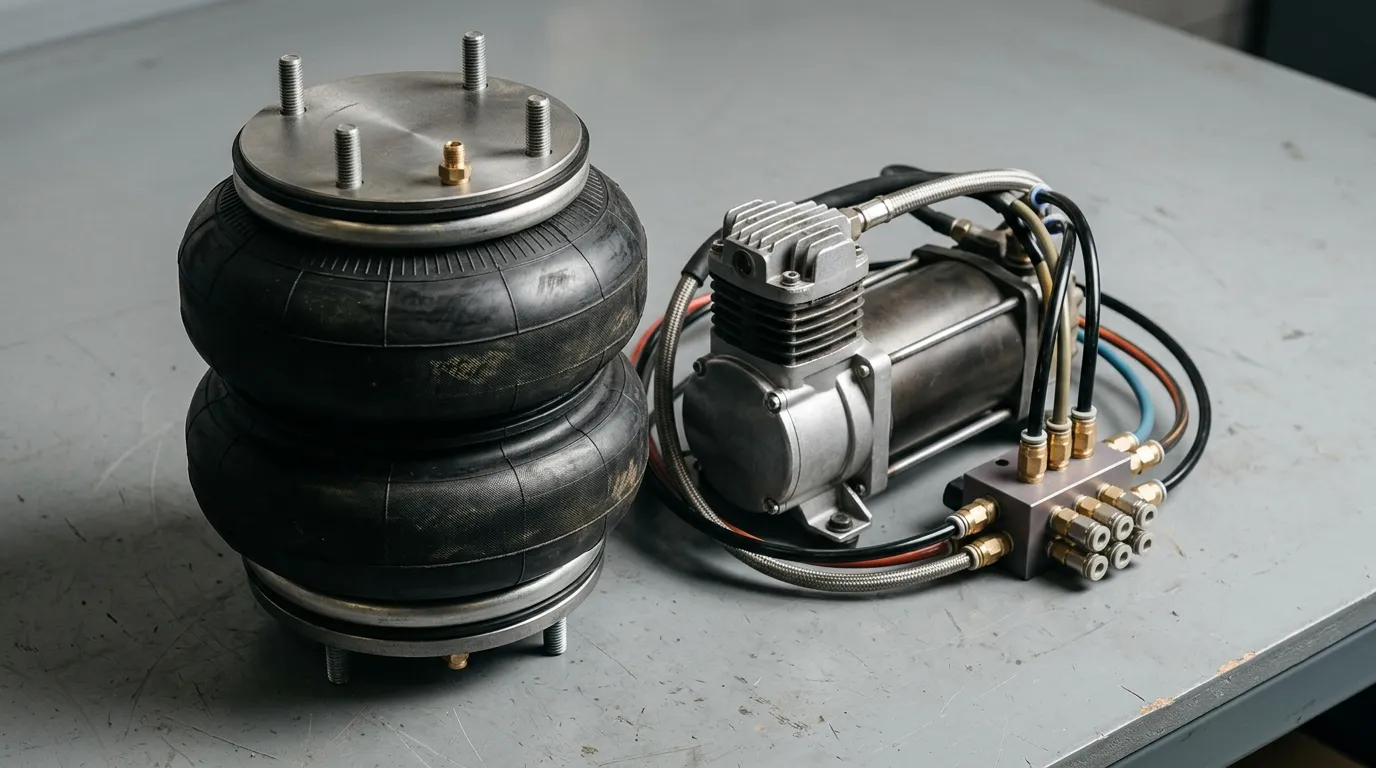
Air suspension controls the spring side of the vehicle: pressurized air bellows carry the load, set ride height and change the effective spring rate as pressure changes. The full component chain is explained in our guide to how air suspension works.
According to MotorTrend's 2020 explainer, air-suspended vehicles use pressurized flexible rubber bellows in place of coil or leaf springs, onboard components monitor pressure and ride height, and air pressure determines the equivalent spring rate. The same article states that changing the air in the spring can raise or lower the vehicle and its ground clearance. Riser Lincoln's suspension comparison describes air bladders replacing coil springs, with inflation or deflation supporting automatic leveling and adjustable ride height, while Switch Suspension notes that air-bag pressure can be changed for load or different driving situations.
How air springs change ride height
Ride height changes when air volume and pressure in the spring change, so payload, speed and the selected driving mode can all influence the height the system sets. Vehicles differ in when they do this, so confirm the trigger conditions for the specific model rather than assuming them.
Does air suspension change spring rate?
Air suspension changes spring behaviour through pressure rather than through a fixed coil rate. MotorTrend states that air pressure determines the equivalent spring rate, so adding air stiffens the spring and releasing air softens it. A specific spring-rate figure is vehicle data, not a general property of air suspension.
What components are involved?
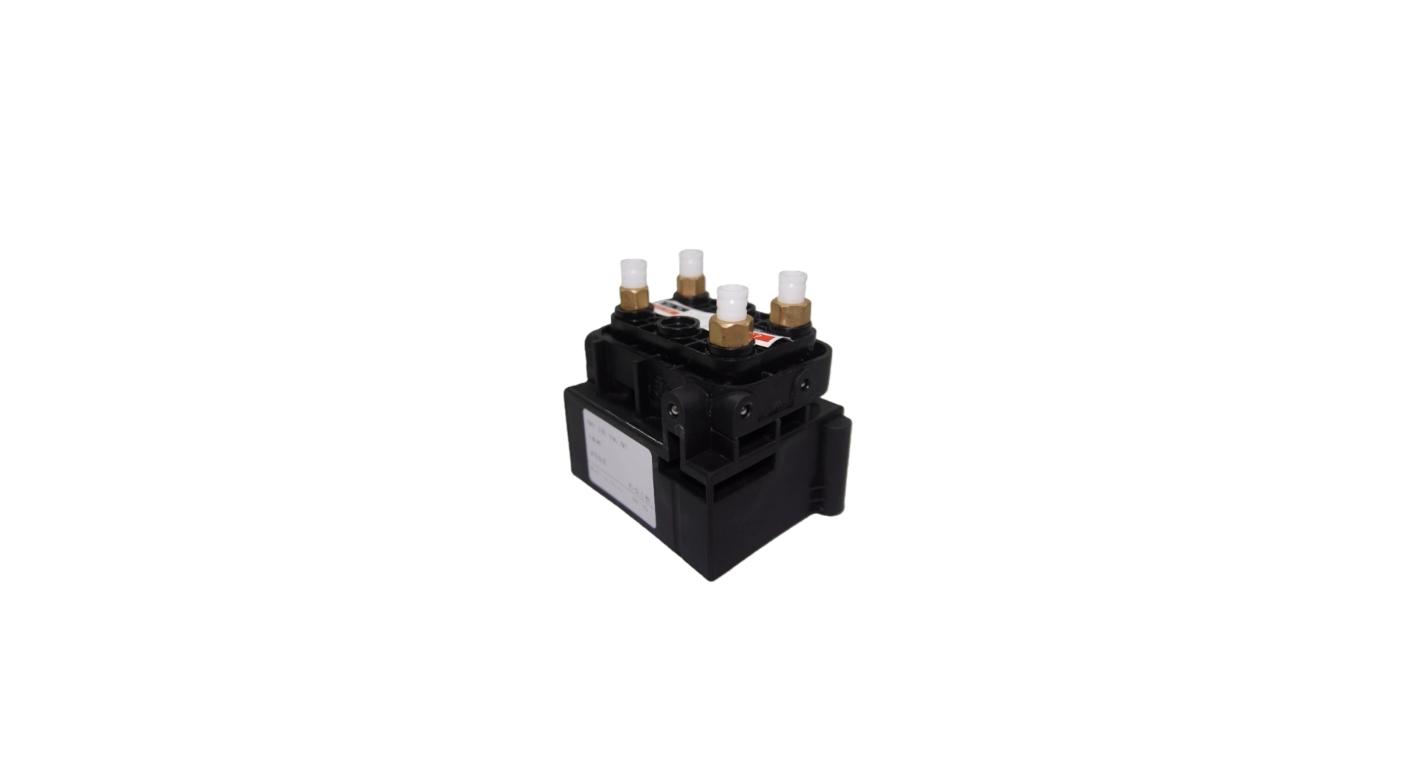
An air suspension system pairs the air spring itself with a compressor, a valve block, air lines, height sensing and electronic control. HUIJIE manufactures replacement air springs and air suspension struts, air suspension compressors, valve blocks, air shock absorbers and air spring repair kits, with parts identified by OE number.
What Does Adaptive Damping Control?
Adaptive Damping Systems control the damper rather than the spring: they vary how much resistance each shock absorber offers, so body motion is managed differently as conditions change. Riser Lincoln's comparison describes an adaptive suspension example as coil springs paired with damping technology that adjusts stiffness in real time, and presents that as one brand's configuration rather than a universal definition. Wikipedia's entry on active suspension draws a related distinction, separating adaptive or semi-active suspension from true active suspension and referring to shock absorbers whose behaviour can be varied.
How adaptive damping changes shock absorber behaviour
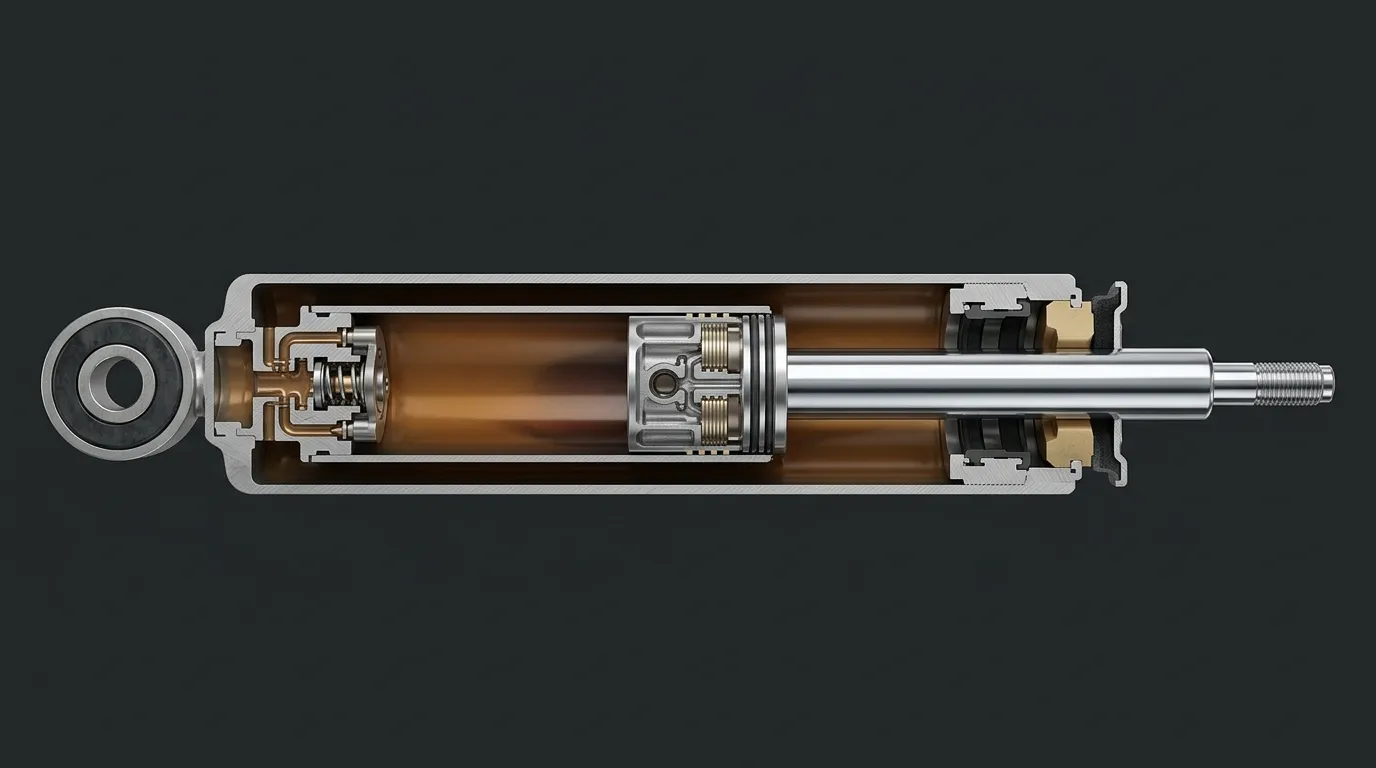
The change happens inside the damper, where resistance to motion is varied; adaptive damping does not add air, change the spring medium or set ride height. That is the practical dividing line — a vehicle can run adaptive dampers on steel springs, air springs with fixed dampers, or both systems together.
Is Adaptive Suspension the Same as Air Suspension?
No. "Adaptive" describes how a system is controlled, while air suspension describes what carries the load, so the two words answer different questions. Chevrolet's support page for its Air Ride Adaptive Suspension describes a system that automatically raises and lowers the vehicle — one manufacturer using "adaptive" as part of a height-adjusting air system's name. Switch Suspension uses "adaptive air suspension" for a system in which an air bag supports vehicle weight and pressure changes with load or situation. Riser Lincoln, by contrast, describes adaptive damping on a coil-spring model with no air springs involved. When a listing or a salesperson says "adaptive", establish whether the adaptive element is the damper, the air-spring control, or both.
Can a Car Have Both Air Suspension and Adaptive Damping?
Yes. A vehicle can use air springs for height and load support while electronically controlled dampers manage body motion, and the two functions are often packaged together in an electronically controlled electronic air suspension shock. Chevrolet's named Air Ride Adaptive Suspension shows the combined naming pattern used by at least one manufacturer. Riser Lincoln positions adaptive damping as an alternative on a coil-spring model, a reminder that a maker can offer the two features separately across a range. No universal damping range, response time or ride-height figure applies across brands, so take those numbers from the specific vehicle's documentation.
Side-by-Side: What Each System Controls
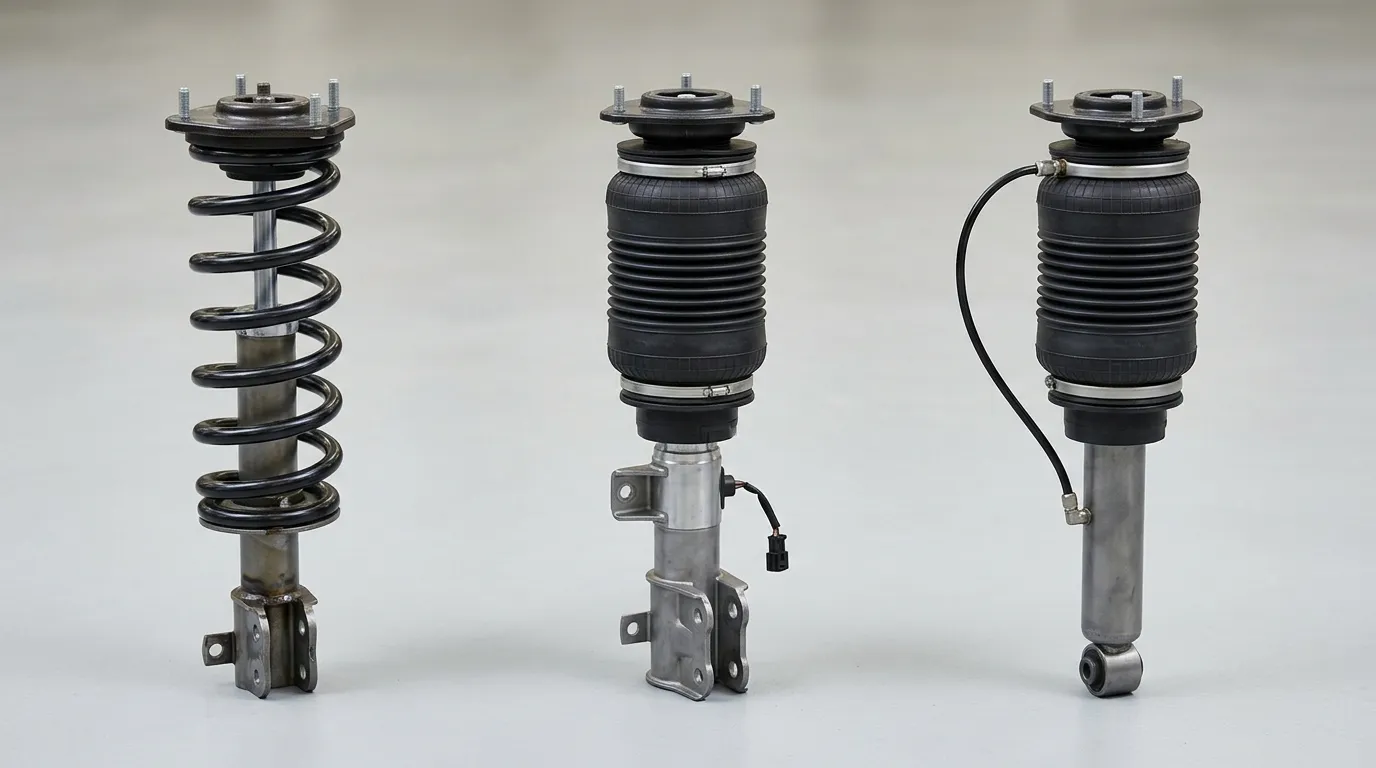
The cleanest way to compare air suspension and adaptive suspension is by the attribute each one actually changes, not by which one sounds more advanced. The table separates the spring layer from the damper layer and records what each label does not automatically imply.
| Attribute | Air suspension (air springs) | Adaptive damping | What the term does not necessarily imply |
|---|---|---|---|
| What carries the load | Pressurized air bellows (MotorTrend; Riser Lincoln) | Not its job | — |
| Ride height | Can raise or lower the vehicle (MotorTrend, 2020) | Not its job | That every air system offers the same height range |
| Spring rate and load support | Air pressure sets the equivalent spring rate (MotorTrend); pressure changes with load (Switch Suspension) | Not its job | A published spring-rate figure |
| Damping force | Only if the dampers are also electronically controlled | Varies damper resistance (Riser Lincoln, system-specific) | That "adaptive" always means air |
| Can the two be combined? | Yes, in combined units | Yes, in combined units | That every luxury model uses the same package |
Compare the two systems only on the attribute in question. If the question is ground clearance or load support, air springs are the relevant layer; if it is body control over bumps or in corners, damping is the relevant layer. A blanket claim that one system is better than the other skips the hardware and calibration of the specific vehicle, which is where the difference is actually decided.
Components in each system
The component lists differ in scope: the air side needs a compressor, valve block, air lines, height sensing and control, while the damping side needs electronically variable dampers and their control inputs. Some units combine both — a rear air suspension strut packages an air spring and a damper in one assembly, which is one reason the two features often appear together.
How to Check What Your Vehicle Actually Has
Because the words are used loosely, the only reliable answer comes from your own vehicle's specification rather than from the label a listing uses.
- Check the model-year specification or build sheet for ride-height adjustment or automatic levelling; that points to air springs.
- Check for a drive-mode or damper setting that changes body control without changing height; that points to adaptive damping.
- Look for an air-system service item or an air-spring part number; that is evidence of air suspension.
- If both appear, treat the vehicle as having a combined air and electronic damping system and confirm the exact component before ordering parts.
Is adaptive suspension better than air suspension?
They do different jobs, so the question is usually mismatched. Air springs set ride height and load support, while adaptive damping varies how firmly the shock absorbers resist motion (Riser Lincoln; MotorTrend, 2020). Which one a buyer prefers depends on whether they need height adjustment, body control, or both.
What suspension gives the smoothest ride?
No single answer applies across vehicles. Ride quality depends on spring type, damper calibration and vehicle mass, and no published comparison names a universal winner. Compare the specific models you are considering and check which hardware each one actually uses.
Is adaptive air ride suspension worth it?
It depends on whether the vehicle delivers functions you will use, such as height adjustment for entry, exit or ground clearance (MotorTrend, 2020) and load support (Switch Suspension). Confirm the exact system on the build sheet, because manufacturers use "adaptive" differently — Chevrolet applies it to a height-adjusting air system.
HUIJIE manufactures replacement air springs and air suspension struts, air suspension compressors, valve blocks, air shock absorbers and air spring repair kits for European and luxury vehicles, with more than 2,000 products listed and parts identified by OE number; the range is set out at HUIJIE's air suspension parts.


