


Heavy Duty Air Suspension Parts: A Practical Selection Guide for Commercial Vehicles
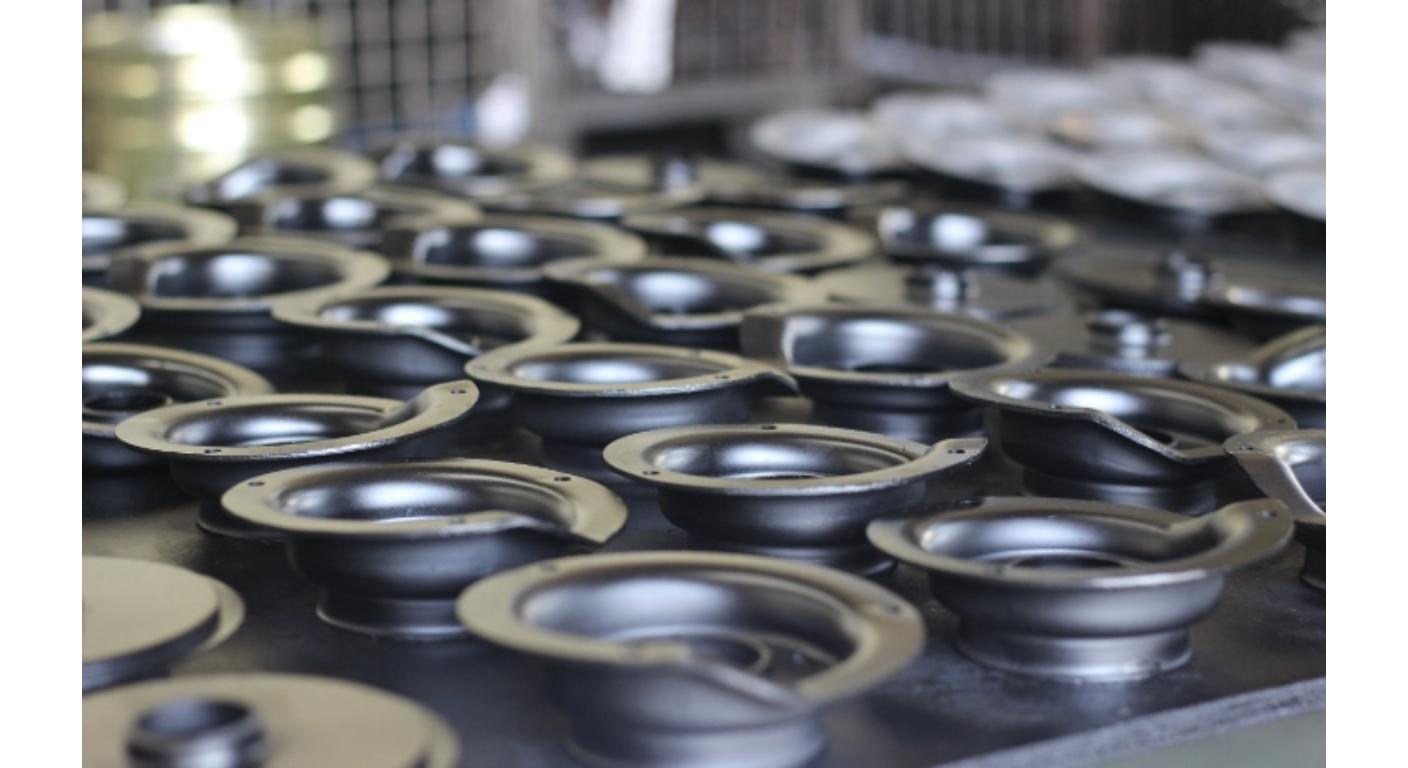
Conditions that heavy duty vehicles encounter can cause suspension parts to be subjected to repeated load cycles, road vibration, moisture and debris, and long service hours. However, a physically correct fit could result in inadequate ride-height control or premature failure if the load rating, pressure range or connection design is incorrect for the system.
Choosing heavy duty air suspension parts is thus more than picking a part that looks the same, for fleet managers, repair shops and parts distributors. The operating environment and cause of the original failure, vehicle application and axle configuration should all be confirmed prior to ordering.
What is a Heavy Duty Air Suspension Part?
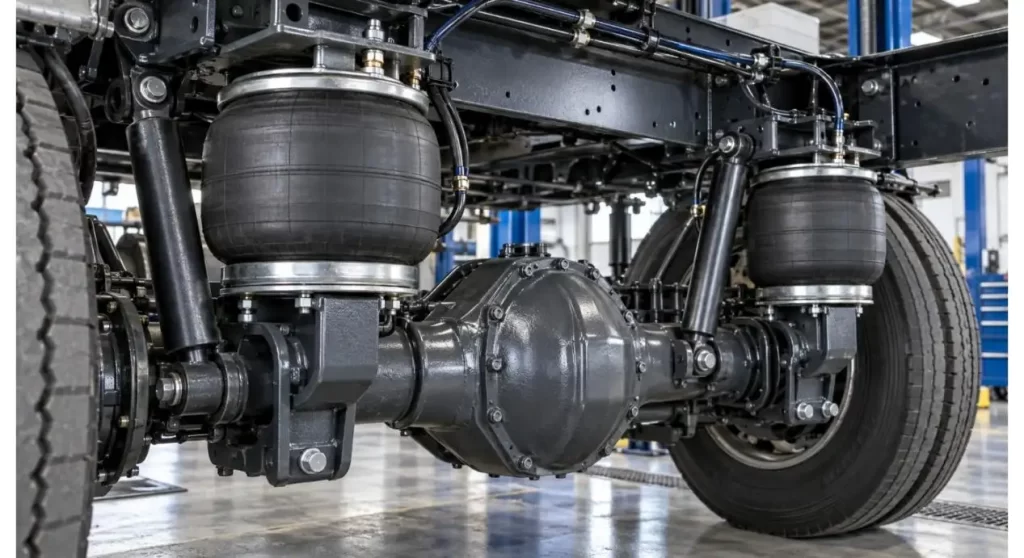
A heavy duty air suspension system uses compressed air to help support the weight of the vehicle and keep the chassis at a controlled height when the load is changed. It is typically found in high-load applications such as trucks, buses, trailers or vocational vehicles.
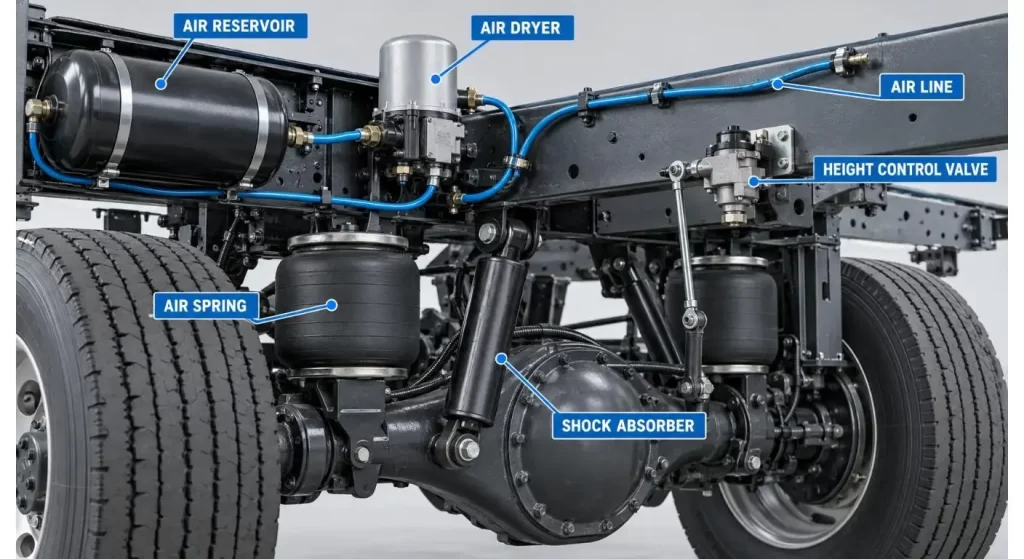
The system consists of several components that are interconnected, not a single air bag. The load is supported by air springs, pneumatically operated valves manage the air flow, compressors or external air supplies supply the air pressure and height-control devices react to the movement of the chassis.
Additional components of the systems are sometimes shock absorbers, air reservoirs, dryers, pressure sensors, fittings and electronic control components. A user can check out the entire air suspension product line to see how these component groups interact in the product line.
When ordering a new component, it's important to identify the failed component first.
Failure of the air spring does not necessarily indicate a low chassis corner. Air can leak out via a hose, fitting, valve block or damaged air seal. The height-control valve also can over fill or under fill the spring if the valve is defective.
If the whole vehicle settles after shutdown, technicians should check common air lines and air distribution components. If one corner is low the area of interest will be the local air spring, connector, line & control valve.
When the visible part is replaced, and the source of the pressure loss remains unknown, it can cause a repeat repair. Leak test, pressure test and rideheight check should be performed prior to replacement part selection.
Match Air Spring to Load and Movement
The air spring should be able to provide the necessary air load at a specific height and stroke. Just matching an external diameter and bolt pattern is not enough.
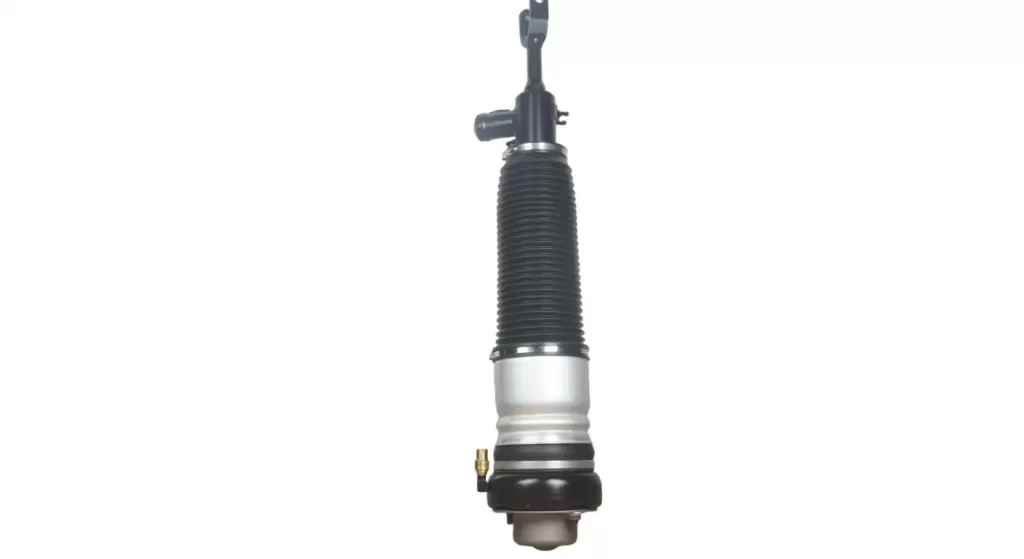
The buyer should verify the model, the position of the axle, the mounting system, the compressed height, the extended height, the working pressure and the air inlet system. The rubber bellows design should also be able to withstand multiple flexing, temperature differences and road contamination.
There are several air suspension spring designs available including rolling-lobe type, convoluted or sleeve types. Various types of designs have varying movement, space and load characteristics, and should not be interchanged without technical confirmation.
| Selection Item | Information to Confirm | Why It Matters |
| Axle position | Front, rear, lift or tag axle | Determines load and mounting requirements |
| Operating height | Normal installed ride height | Prevents overextension or compression |
| Stroke range | Compressed and extended height | Maintains safe suspension movement |
| Air inlet | Thread, diameter and orientation | Ensures correct line connection |
| Mounting design | Studs, plates and bolt pattern | Prevents installation mismatch |
| Working pressure | Normal and maximum pressure | Supports safe load management |
Inspect Air Supply/Control Parts
If the system provides air too slowly and/or does not distribute it properly, it will not be able to maintain ride height. This air-management circuit must include the compressor, reservoir, dryer, check valve, pressure sensor and control valves.
For systems equipped with an onboard compressor, verify the voltage, pressure, duty cycle, connector and location. An air suspension compressor that is too small can run all the time, overheat or take too long to resuspension.
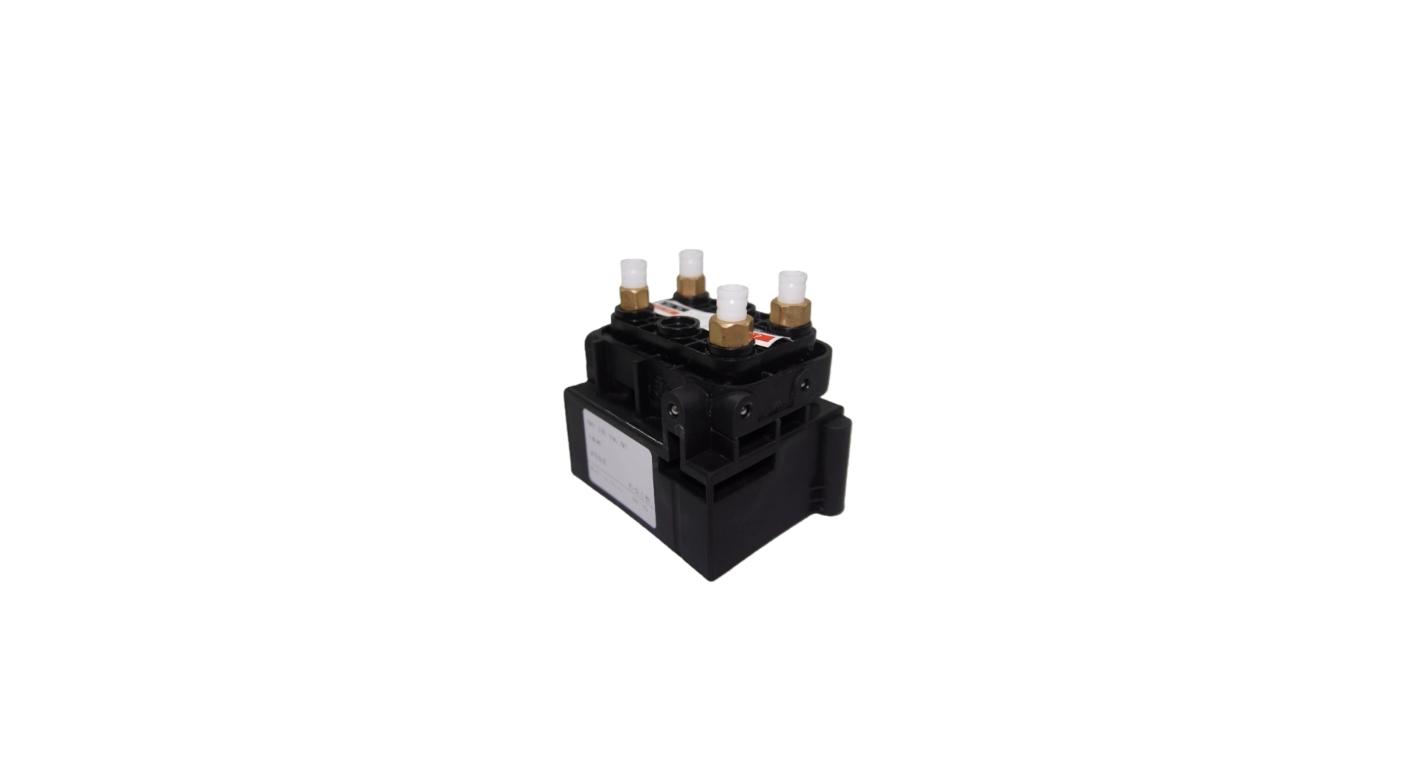
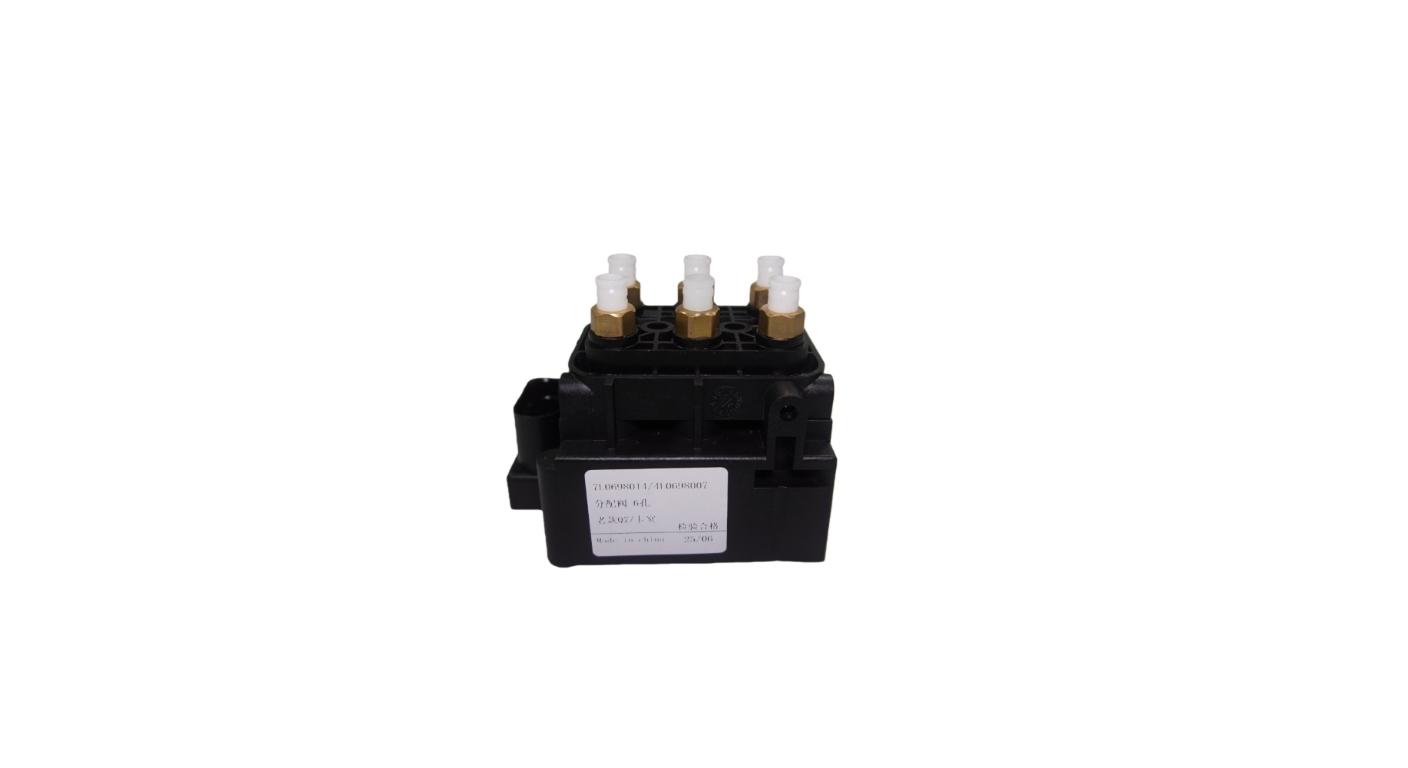
The air suspension valve block also needs to be the same as the port layout and air suspension control strategy. Slight inequalities of air springs, even if the springs are all good, may occur due to internal leakage, contamination or incorrect line routing.
Take into account the Vehicle's Actual Duty Cycle.
The suspension requirements for two vehicles with the same chassis can vary significantly. A highway tractor at steady speeds is subjected to different stresses as compared to a dump truck working on dusty construction sites.
When buying a fleet, some of the components that should be recorded include average axle load, max load, road surface, hours of daily use, and climate/exposure to oil, salt or debris. Frequent loading and unloading also leads to having more inflation/exhaust cycles.
These operating details are useful in determining if standard replacement specifications are appropriate, or if stronger bellows construction, better protection against corrosion and/or sealing is required.
Determine the symptoms of a system and diagnose them as a pattern.
Usually problems with heavy duty air suspension manifest themselves in tandem. The vehicle's ride height is not level throughout the ride, this can be a sign of leakage, airflow restrictions, valve or sensor issues. When compressor operation is excessive, it indicates that it is likely a leak problem as opposed to a compressor problem.
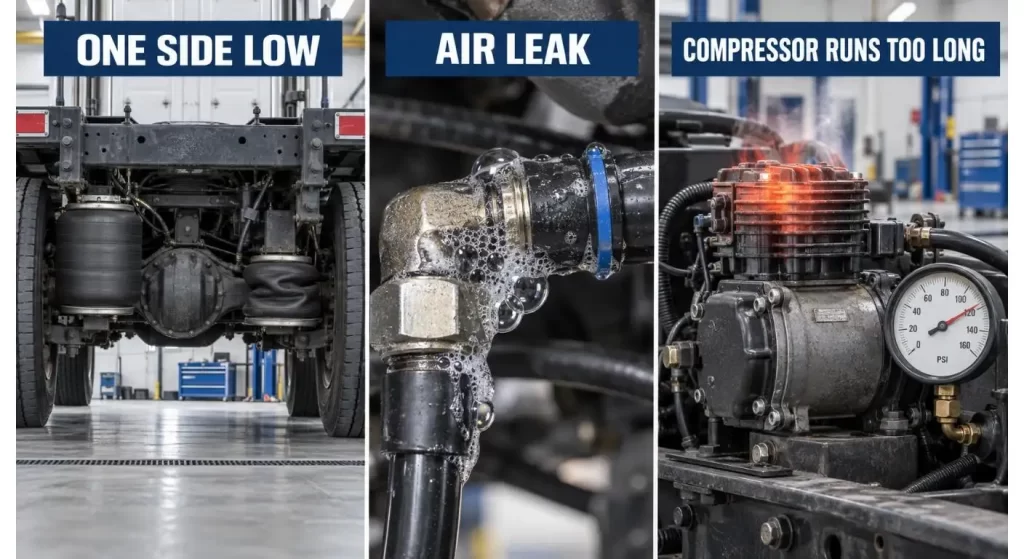
Faulty operating height, over inflation, limited suspension travel or worn dampers can lead to a rough ride. Chassis instability may be not only a problem in pneumatic circuit but also in mechanical joints, or other suspension components.
Before parts are removed, technicians must take the time to note down the time of occurrence of the symptom whether the vehicle is loaded, unloaded, parked or in motion. This prevents unnecessary replacement, and determines if multiple components should be serviced simultaneously.
| Observed Symptom | Components to Inspect First | Useful Initial Check |
| One corner sits low | Air spring, fitting, local line | Soap-solution leak test |
| Whole vehicle settles | Main line, reservoir, valve block | Pressure-loss test |
| Slow height recovery | Compressor, dryer, restricted line | Inflation-time test |
| Uneven ride height | Control valve, sensor, linkage | Ride-height measurement |
| Compressor runs often | Leaks, check valve, pressure sensor | Duty-cycle observation |
Check Fitment - OE Number Only
The first place to start is an OE or a cross-reference number, although that shouldn't be the only check. Differences may exist in the same vehicle model due to production changes, axle options and/or regional configurations.
Check for mounting points, connector type, port orientation, sensor orientation and size of the original part and replacement part. If the strut or module needs to be replaced, then check the installation side and suspension configuration in the air suspension category.
If there is missing information, supply the supplier with the VIN, OE number, pictures and dimensions of the component. This is more trustworthy than a name order only.
Assess Durability and Suppliers Papers
When evaluating heavy duty components for their material consistency, their sealing performance, and resistance to fatigue, corrosion and temperature changes are all important. Past reliability is only reflected in a product's appearance.
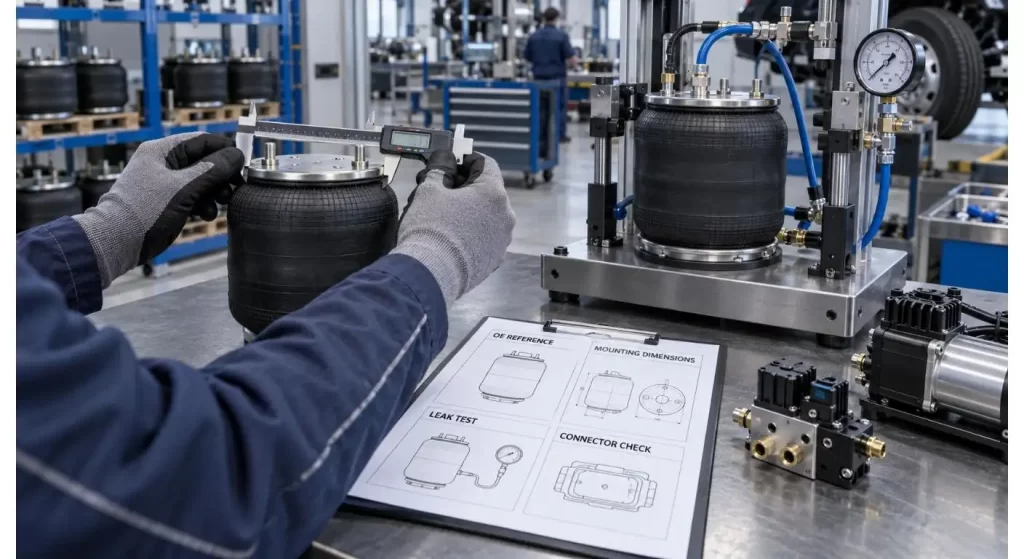
Ask for technical specifications, ask for application references and test information available. Useful checks can include leakage testing, pressure cycling, dimensional inspection and connector verification and electrical testing, depending on the component.
If ordering in bulk, check a sample with the actual car prior to the purchasing specification. Take note of fitment, inflation time, and operation height and performance with load for future batches.
Create a more useful Purchase Request
The following information should be included in the clear request: Vehicle manufacturer, model, year, position of the axle, OE number, quantity needed. In fleet projects, include the regular payload, road conditions, annual requirement and anticipated delivery schedule.
Identification errors are avoided and can be costly by taking photographs of the original part, ports, connectors and mounting points. If the buyer needs any availability, specification or quotation support, then he can put these details on the supplier inquiry page.
Conclusion
It's not just a matter of shape or part number when it comes to selecting heavy duty air suspension parts. Load, operating height, pressure and connection design and vehicle duty cycle cannot be separated.
A structured diagnosis and physical and technical verification is what fleets can use to minimize repeat failures, manage maintenance time and ensure replacement components will perform as expected in actual service.
FAQs
Q1. Parts of a heavy duty air suspension system?
The usual components are air springs, control valves and air lines, reservoirs, height sensors and shock absorbers. Compressors, dryers and electronic control modules are also utilized on some vehicles.
Q2. Is it possible to choose an air spring based on dimension only?
No. Dimensions, as well as load capacity, operating height, stroke, pressure range, mounting design and the position of the air inlet should all be checked.
Q3. Why is it that a vehicle tips over when parked?
Possible causes of this are leaking air spring, torn line, loose fitting or internally leaking valve. This testing of each section of the circuit will help identify the pressure loss.
Q4. Why does air suspension compressor operate all the time?
If it is continuous, it may be a leak in the system or airflow and/or pressure control problems. The cause should be rectified prior to replacement of compressor.
Q5. What information is needed to give in a request for a quotation?
Specify the model, year, axle location, OE number, quantity of part(s), and images of parts. If fitment is not known, then VIN and operating-condition information will be helpful.
Share on Social:


Contact Us
In This Article
- 1 What is a Heavy Duty Air Suspension Part?
- 2 When ordering a new component, it's important to identify the failed component first.
- 3 Match Air Spring to Load and Movement
- 4 Inspect Air Supply/Control Parts
- 5 Take into account the Vehicle's Actual Duty Cycle.
- 6 Determine the symptoms of a system and diagnose them as a pattern.
- 7 Check Fitment - OE Number Only
- 8 Assess Durability and Suppliers Papers
- 9 Create a more useful Purchase Request
- 10 Conclusion
