


How to Choose and Replace Car Suspension Air Bags Correctly
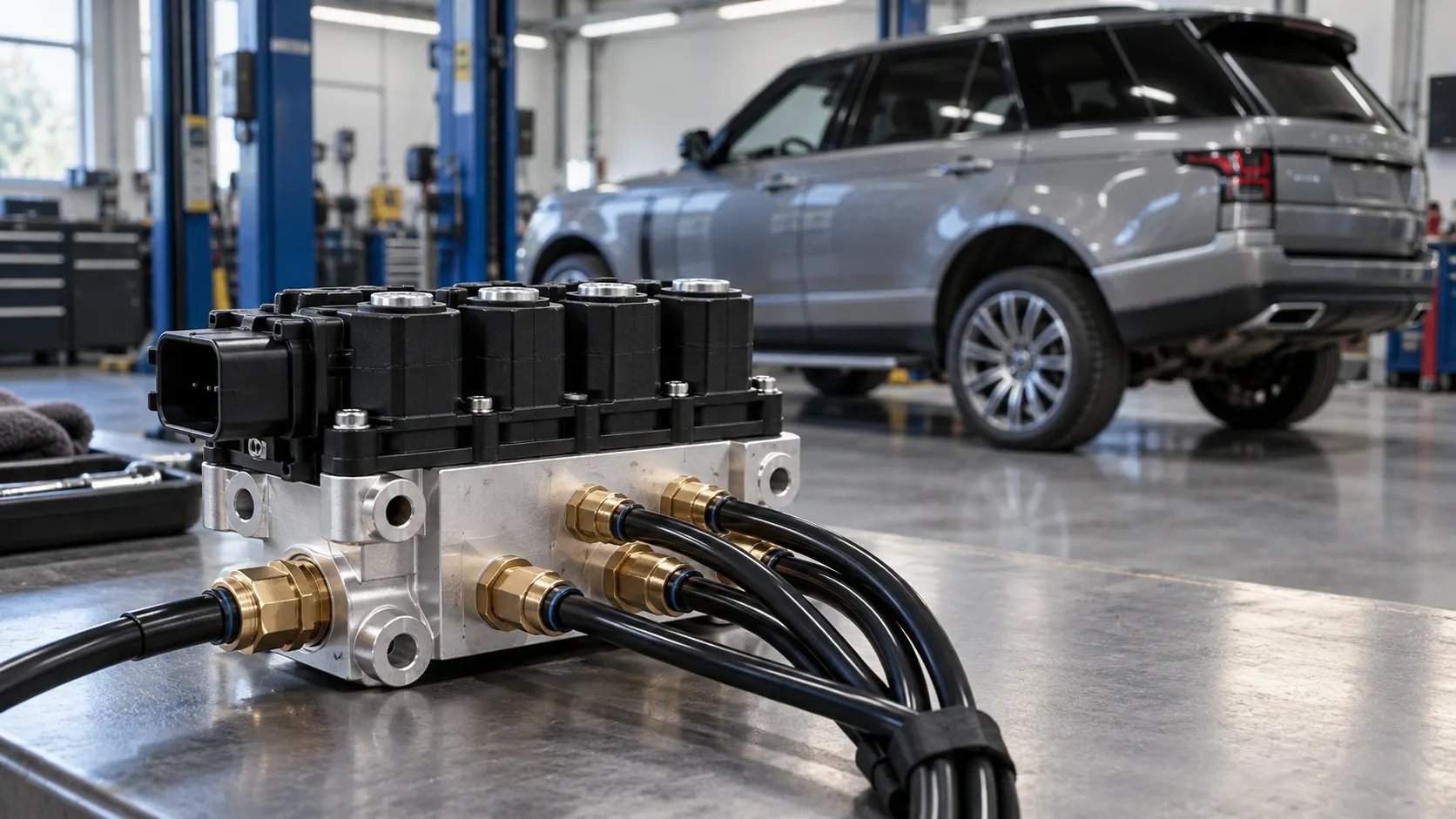
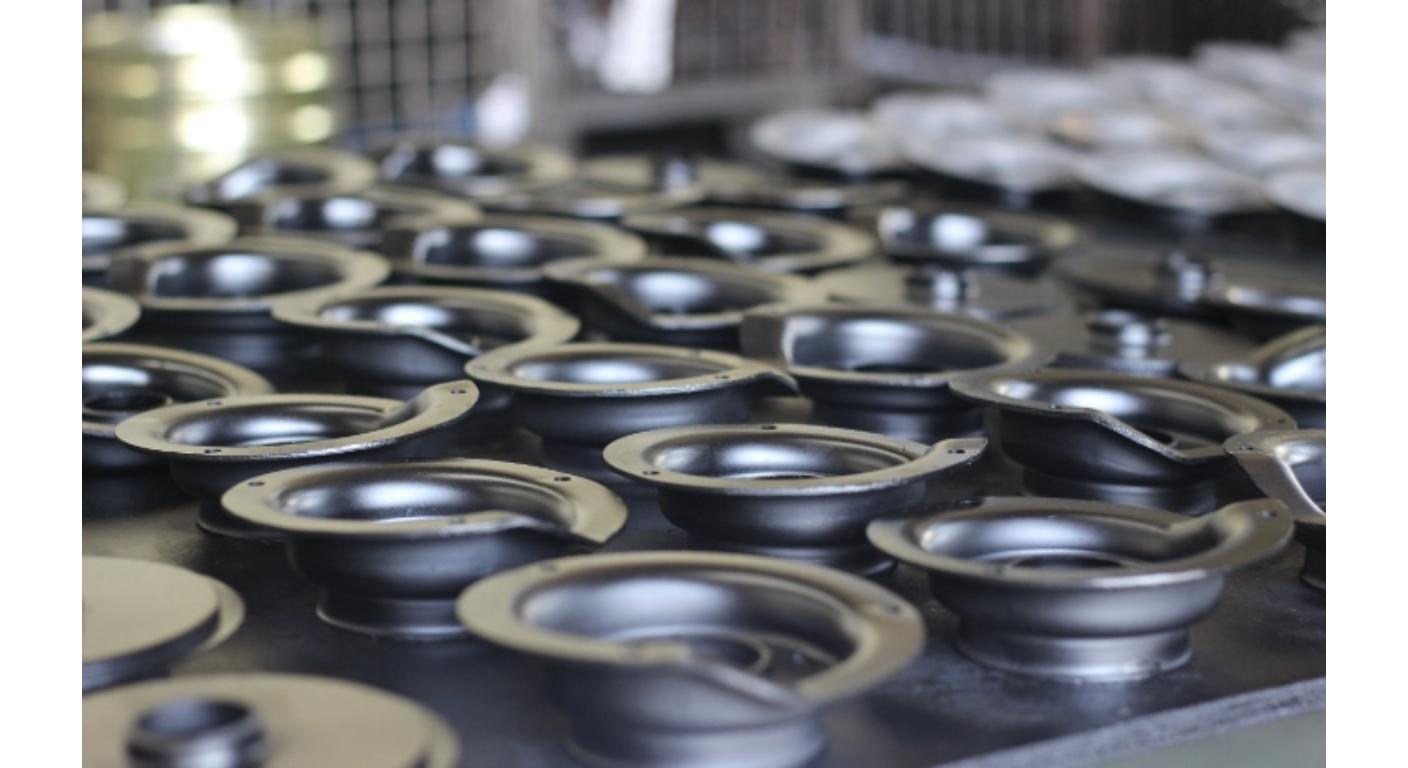
Car suspension air bags are used in vehicles to keep the height of the vehicle and to cushion the vibration of the road from the body. They are largely found in high-end sedans and SUVs where ride comfort, leveling and handling stability are features of prime importance.
If an air bag starts to leak, the easiest way to tell is by a low corner, uneven ride height or suspension warning. Problems also may be caused by the compressor, valves, sensors or air lines. Replacement should therefore be undertaken only following a correct diagnosis.
Car Suspension Air Bags - What are they?
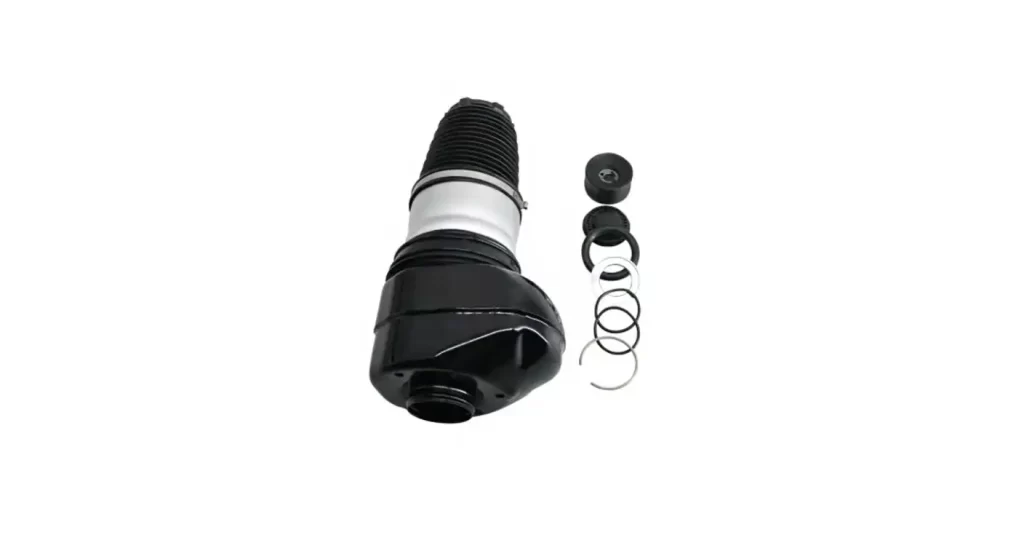
A suspension air bag is a flexible, pressure resistant rubber chamber between the body and suspension assembly of the vehicle. The height and stiffness of the bag is adjusted depending on the load on the vehicle and commands from the suspension, using compressed air.
It is often referred to also as an air spring or an air suspension spring. In other cars, the air bag is an independent rear spring. Others combine the shock absorber with it to make a complete air strut.
When it comes time to replacing the air suspension spring, the first question drivers should ask themselves is do they need an air suspension spring or an entire air suspension assembly? The two formats do not automatically convert into each other.
The way Air Bags Control Ride Height.
The height of the vehicle is not determined by the air bag. The height sensors detect the body position, and the control unit controls the compressor and valves to add or remove air.
If passengers or cargo gains weight, the system will inflate the appropriate air bags to restore the ride-height set by the computer. Excess air is vented out when the load is removed.
This is an automatic adjustment to maintain the suspension travel, wheel alignment and ride comfort. If the rubber bellows is undamaged, but there is a fault anywhere in the air-supply or control circuit, the operation of the air bags may be affected.
There is a difference between Air Bags, Air Struts and Helper Bags.
The suspension air bags are factory fitted, take the place of the standard coil spring and are a part of the vehicle's original electronic leveling system. A complete air strut is an integration of the air spring and shock absorber.
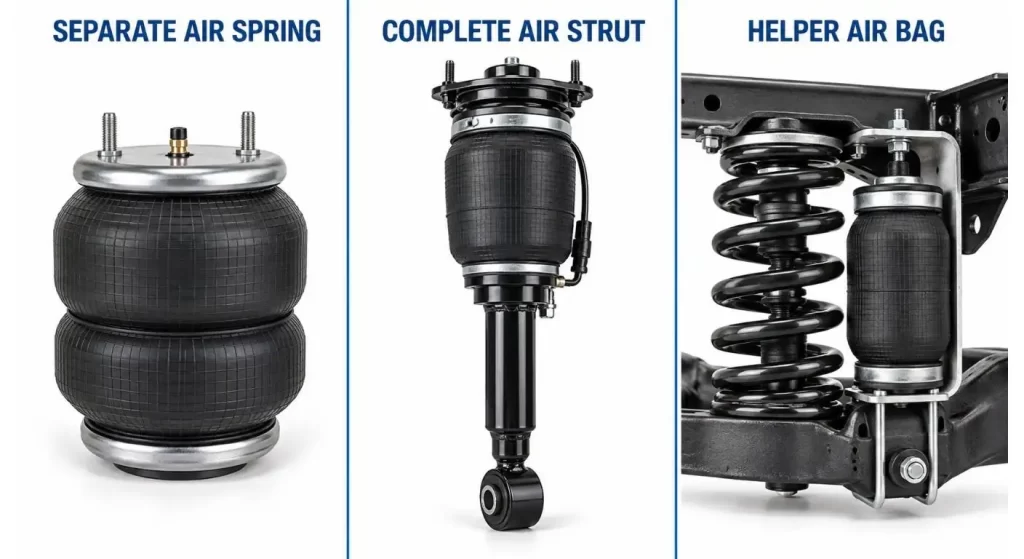
Helper air bags are not the same. It is typically incorporated with a normal suspension to minimize the rear sag while towing or carrying a load. They don't replace the original spring but support it.
When ordering, make sure to find out if the vehicle is equipped with a separate air spring, complete air strut or aftermarket helper system. Depending on the words used (“air bag”) alone, may lead to an incompatible product.
| Component Type | Structural Role | Identification Point | Common Application |
| Separate air bag | Replaces the coil spring | No integrated damper | Rear suspension |
| Complete air strut | Combines air spring and damper | Shock body inside assembly | Front or four-corner systems |
| Helper air bag | Assists the original spring | Added beside or inside spring | Towing and load support |
| Coil conversion | Replaces pneumatic support | Steel coil and conversion hardware | System conversion |
Understand the "Warning Signs of Leakage"
If the vehicle is found to be sitting low on one corner after a few hours, there is probably a small air leak. Should the body come up after start-up but go back down upon stopping, the compressor may still be making up for that leak.
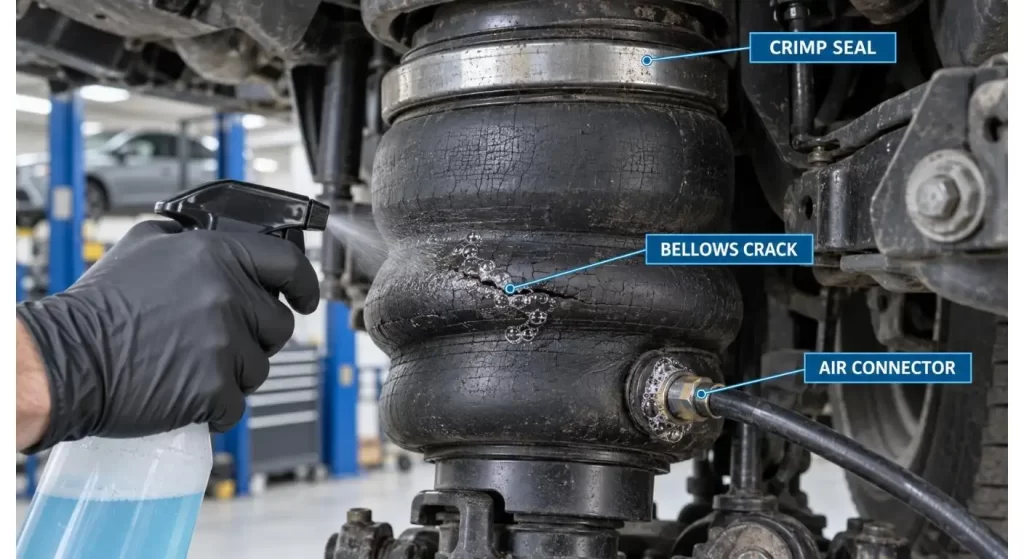
Other symptoms include frequent compressor operation, slow height adjustments, suspension warning and uneven tire clearance and hissing near the wheel. Bellows folds tend to have cracks around them, because they are constantly flexed.
A leak may be detected by the cold weather causing an aging rubber seal to contract. The cold temperature can bring the issue to light; however, this is not the sole reason.
Before replacing the air bag, test the System.
Stop on flat terrain and check how far the wheel center is from the fender at all four corners. Make the measurements again after the vehicle has been OFF for a few hours.
Soap and water solution will help to identify the leaks in the rubber folds, crimp rings, air connector and nearby lines. Fault codes may also need to be read using electronic diagnostic equipment to check the values from the height sensor.
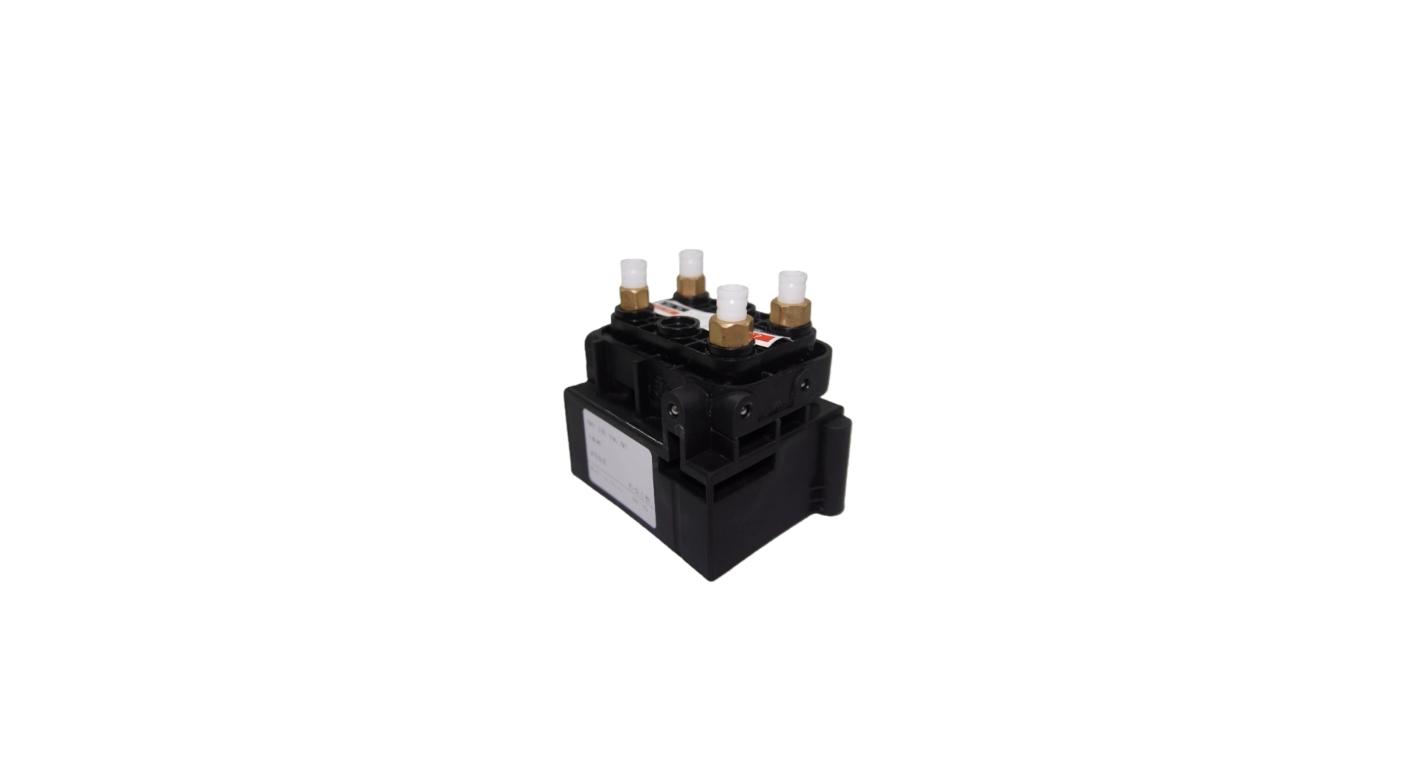
If more than one corner is low, check common lines and air suspension valve block. If one air bag has to be replaced, it will not compensate for a leaky valve between circuits.
Identify if other areas are affected
Leaky air bag puts more pressure on the compressor. This can cause the compressor to overheat, wear out and/or not deliver enough pressure.
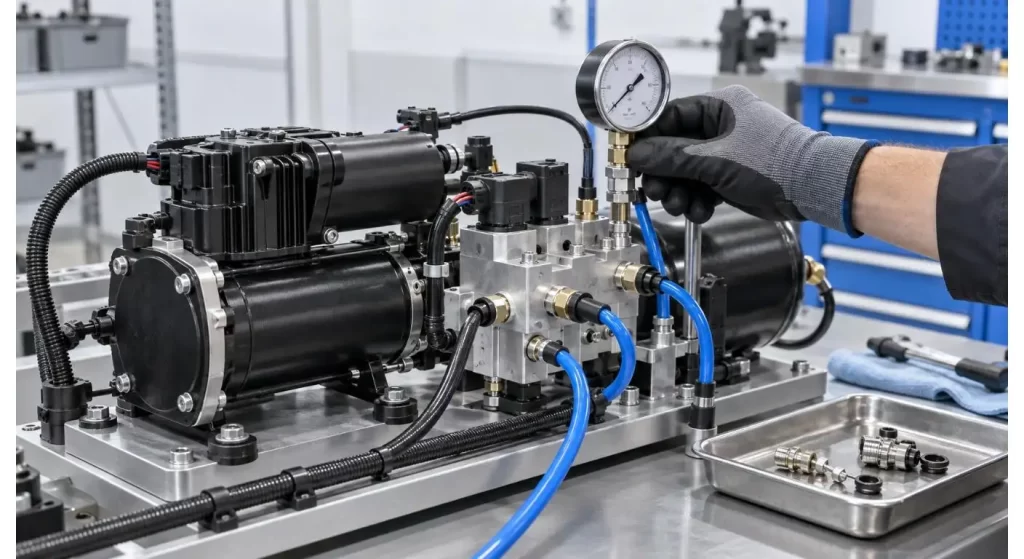
Prior to installing a new air bag, check inflation time, system pressure, relay condition and compressor noise. The air suspension compressor has to be the same voltage as that on the vehicle, and have the same connector and control requirements.
Also check shock absorbers for signs of oil leaks or low damping. If the height loss is due to a worn damper, a new air spring will correct the height loss, but will not fix the bouncing.
| Symptom | First Area to Inspect | Possible Related Cause |
| One corner drops | Local air bag and fitting | Bellows crack or loose connector |
| Multiple corners drop | Valve block and common lines | Internal valve leakage |
| Slow lifting | Compressor and air supply | Worn compressor or restricted dryer |
| Uneven height while driving | Height sensor and linkage | Incorrect sensor signal |
| Vehicle bounces | Shock absorber | Weak or leaking damper |
| Warning remains after repair | Connector and control module | Stored code or calibration issue |
Match on Replacement by OE Number and Configuration
Where the OE number is still legible, begin with the OE number on the original part. Check on vehicle make, model, year, chassis number and type of position and suspension.
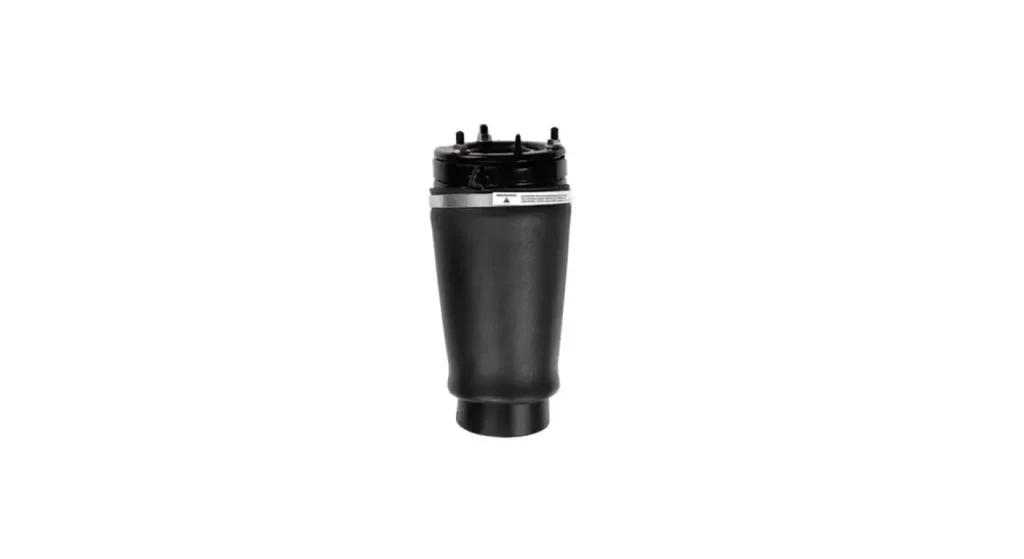
Different brackets, sensors or connectors can be used on left and right assemblies. Front and rear parts are also different in terms of load and cannot be determined by appearance.
Check the air inlet and mounting studs, lower piston, top plate and electrical connector against the removed part. Providing clear pictures and the VIN enables the seller to verify fitment prior to sending.
Choose to Replace One Side, or Both Sides
If one air bag is replaced while the other air bag is relatively new and in good condition. This can be acceptable if there's been only physical damage or a recent previous repair.
If you're replacing the air bag in an older vehicle that has two original air bags, which are approximately the same mileage, it may be best to replace both sides in order to maintain consistency in height and to prevent the need for another repair shortly after. It is especially important to inspect both sides if one unit has failed due to cracking because of age.
Judgement should be used over a set rule based on condition, mileage, repair history, etc. All parts must always be installed in the proper left, right, front or rear position.
Inspect the new part prior to installing it.
Take a look at the new and removed parts before removing other lines or fittings. Check mounting size/direction of ports, connectors, seals provided.
Never inflate an air bag, not supported in the vehicle, to its operating pressure. When installing, do not twist the bellows, do not pinch the air line or let dirt into the pneumatic circuit.
Once installed allow the system to return to nominal ride height before loading the vehicle. Perform a leak check, ride height measurement and diagnostic scan prior to putting the vehicle back into service.
As part of the scenario, construct a Clear Replacement Inquiry.
The following details should be included in the information of a useful inquiry: Make, model, year, chassis code, OE number and installation position. Describe if the part needed is an individual air spring, repair kit or full air strut.
Provide pictures of original label, mounting points, connector and overall component. This information can be transmitted by the customer via HJ Auto Parts contact page to get confirmation of fitment, availability and quotation information.
Conclusion
The air bags to be used for car suspension should be carefully chosen based on the specific application and system setup. Neither a similar size or appearance assures compatibility.
When ordering, a complete diagnosis of the air circuit is performed to minimize unnecessary replacement. By ensuring the correct OE matching, and by exercising caution during the installation process and post repair testing, a more reliable result will be achieved rather than assuming each low corner is a single air bag failure.
FAQs
Q1. Car suspension air bags have a lifespan of how many years?
Service life is dependent on mileage, climatic condition, road contamination and suspension condition. Surface cracking or leakage can be detected through regular inspection prior to complete failure.
Q2. Is it OK to drive with a suspension air bag leak?
Driving for extended periods of time can exhaust the compressor, and thus, the suspension control. The inspection and repair of the vehicle should be carried out as soon as possible.
Q3. Why does the temperature drop at night and increase when I start my car?
This is likely an issue of pressure loss when parked and the compressor bringing the system back up to height after it starts up. Check all air bag, fittings, lines and valve block for leaks.
Q4. Does it make more sense to replace the suspension air bags as a pair?
When both sides are original and about the same mileage, pair replacement may be advisable. One unit will be replaced if the other side is newer and is working properly.
Q5. Is it possible to replace rubber air bag of air strut?
There are some assemblies that can be repaired with the air-springs and others which can be replaced entirely. Before you begin, determine the construction, damper status and repair method that is available.


Contact Us
In This Article
- 1 Car Suspension Air Bags - What are they?
- 2 The way Air Bags Control Ride Height.
- 3 There is a difference between Air Bags, Air Struts and Helper Bags.
- 4 Understand the "Warning Signs of Leakage"
- 5 Before replacing the air bag, test the System.
- 6 Identify if other areas are affected
- 7 Match on Replacement by OE Number and Configuration
- 8 Choose to Replace One Side, or Both Sides
- 9 Inspect the new part prior to installing it.
- 10 As part of the scenario, construct a Clear Replacement Inquiry.
- 11 Conclusion
