


Control Arm Clunking When Braking: Causes and Fixes
When you hear a clunking sound coming from your suspension while braking, particularly from the front of your car, it can be a worry. A worn or damaged control arm may be one cause, as it provides a connection between the wheel hub and vehicle frame and ensures proper wheel alignment. As the control arm bushings, ball joints or mounting hardware deteriorate, the braking forces may result in unwanted movement and noise.
Knowing what causes a control arm to “clunk” while braking can help you determine if there are issues with the suspension system before they become a concern for car stability, tyre wear and driving safety. This article describes common causes, symptoms, diagnosis and repair of clunking noises in the control arm.
What Is a Control Arm?
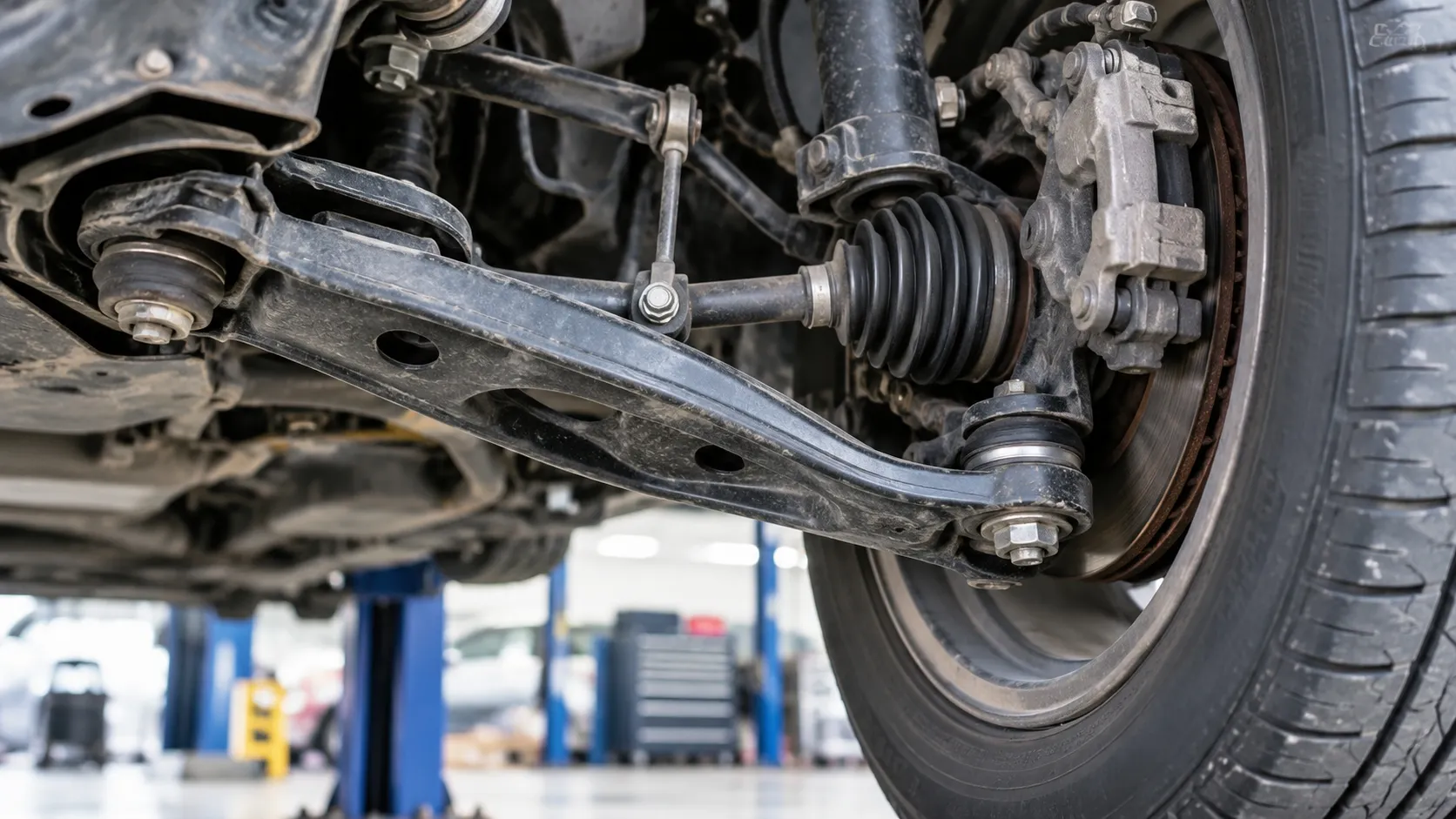
Control arm is a suspension component used to attach the vehicle's chassis to the steering knuckle or wheel assembly. Today, upper control arms, lower control arms or a combination of suspension links are used to move the wheels in most modern vehicles.
Bushings are normally part of the control arms, and a ball joint can be a part of or attached to a control arm. The suspension elements enable vertical movement of the wheels and ensure the proper position of the wheels.
The forces from the brakes are transferred through the wheel assembly and suspension when braking. These forces are controlled by a proper functioning control arm and their mounting. A loose joint or worn bushing can cause the resulting motion to create a clunking noise.
Common Causes of Control Arm Clunking When Braking
1. Worn Control Arm Bushings
Worn control arm bushings are a very common cause of suspension "clunking" on braking.
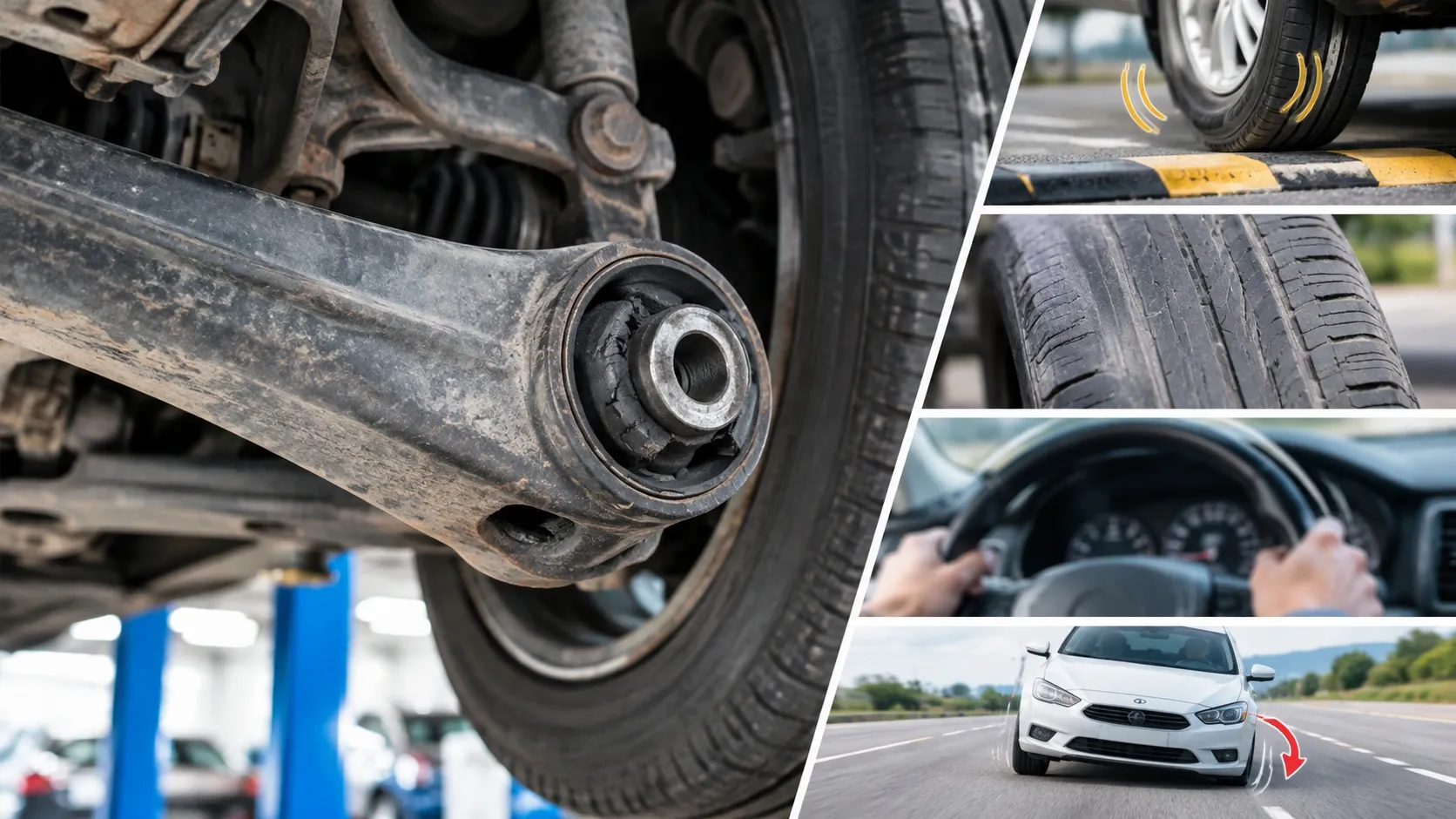
The rubber or polyurethane parts act as a buffer between the control arm and vehicle structure. Rubber bushings are susceptible to cracking, aging, hardening, separating, or deforming over time due to road conditions, repeated suspension movement, and heat.
Control arm is subjected to extra loading during braking. If there's too much bushing movement, the wheel can move a little, which will make a noticeable clunk or thud.
Vibration on acceleration and/or deceleration, steering instability and uneven tire wear are among other symptoms.
2. A Worn or Loose Ball Joint
The ball joint is intended to provide free movement in a controlled manner between the suspension parts. It can be built-in into the control arm or mounted separately, depending on the car's architecture.
The suspension can move beyond its intended movement and develop excessive play in the ball joints with a worn ball joint. This motion can lead to cluncthing when accelerating, braking, or driving over uneven roads.
If the ball joint is worn or damaged to such a degree, it can affect a vehicle's handling, and, in severe cases, can cause it to separate. If the looseness of the steering or unusual wheel travel is accompanied by a persistent clunk, the suspension should be checked immediately.
3. Loose Control Arm Mounting Bolts
The suspension component is attached to the chassis or subframe with control arm mounting bolts. These fasteners can loosen, may not be tightened properly in previous repair jobs or may be affected when the mounting points are damaged, allowing the control arm to move under braking forces.
This motion can create a loud metallic clang when moving from accelerating to braking.
Proper inspection method and torque values are dependent on the vehicle. It is important that a technician check the fasteners with the manufacturer's service information, as well as tightening them.
4. A Bent or Damaged Control Arm
Control arms can bend or break in a collision, when driving over a pothole, curbing or from heavy road impacts.
If the control arm is damaged, it can cause wheel alignment problems and impact the load distribution of suspension forces. Some of the signs you may notice include a clunking noise when braking, yanking to one side, uneven tire wear, or a steering wheel that won't turn straight.
If a control arm is cracked or structurally damaged it will almost always need to be replaced. If a specific manufacturer-approved procedure allows it, welding or straightening of a suspension part that is important for safety is an acceptable repair.
5. Other Suspension or Brake Problems
All the noises heard during braking are not necessarily caused by the control arm. Other potential causes are damaged and worn sway bar links, damaged strut mounts, loose brake calipers, worn brake pads, and worn out suspension bushings.
A loose brake component can result in a noise similar to the control arm noise. Similarly, when the load changes in a vehicle, the worn engine or transmission mounts may produce a clunk.
Correct diagnosis is crucial to not replacing good parts unnecessarily.
Symptoms That May Accompany Control Arm Clunking
If your control arm or its associated components are worn, you may experience several symptoms:
-
Clunking or knocking noises: A distinct sound when applying the brakes, accelerating, turning, or crossing bumps.
-
Steering instability: The vehicle may feel loose, wander, or require frequent steering corrections.
-
Uneven tire wear: Excessive suspension movement or altered alignment may cause irregular wear patterns.
-
Vibration during braking: Wheel movement or another brake or suspension problem may create noticeable vibration.
-
Vehicle pulling to one side: Damaged suspension parts or alignment changes may affect directional stability.
-
Visible bushing damage: Cracked, separated, or excessively deformed bushings may indicate a problem.
These symptoms can overlap with other mechanical faults. A professional inspection is the best way to determine whether the control arm is responsible.
How to Diagnose a Control Arm Clunking Noise
A systematic inspection can help identify the source of the noise.
Step 1: Identify When the Noise Occurs
Pay attention to whether the clunk happens during light braking, hard braking, reversing, turning, or driving over bumps. Note whether it comes from the front or rear of the vehicle.
This information helps narrow down the possible causes, although noise location alone cannot confirm which component has failed.
Step 2: Inspect the Control Arm Bushings
A technician can inspect the bushings for cracks, separation, excessive deformation, and abnormal movement. A visual inspection may reveal obvious damage, but some worn bushings only show excessive movement under load.
Step 3: Check the Ball Joints and Mounting Hardware
The suspension should be checked for abnormal play, damaged joints, loose fasteners, and worn mounting points. The manufacturer's recommended inspection method should be followed because suspension designs differ.
Step 4: Examine the Brake System
Inspect the brake calipers, pads, mounting bolts, and related hardware. Confirming that these components are secure helps rule out brake-related clunking.
Step 5: Verify Wheel Alignment and Suspension Geometry
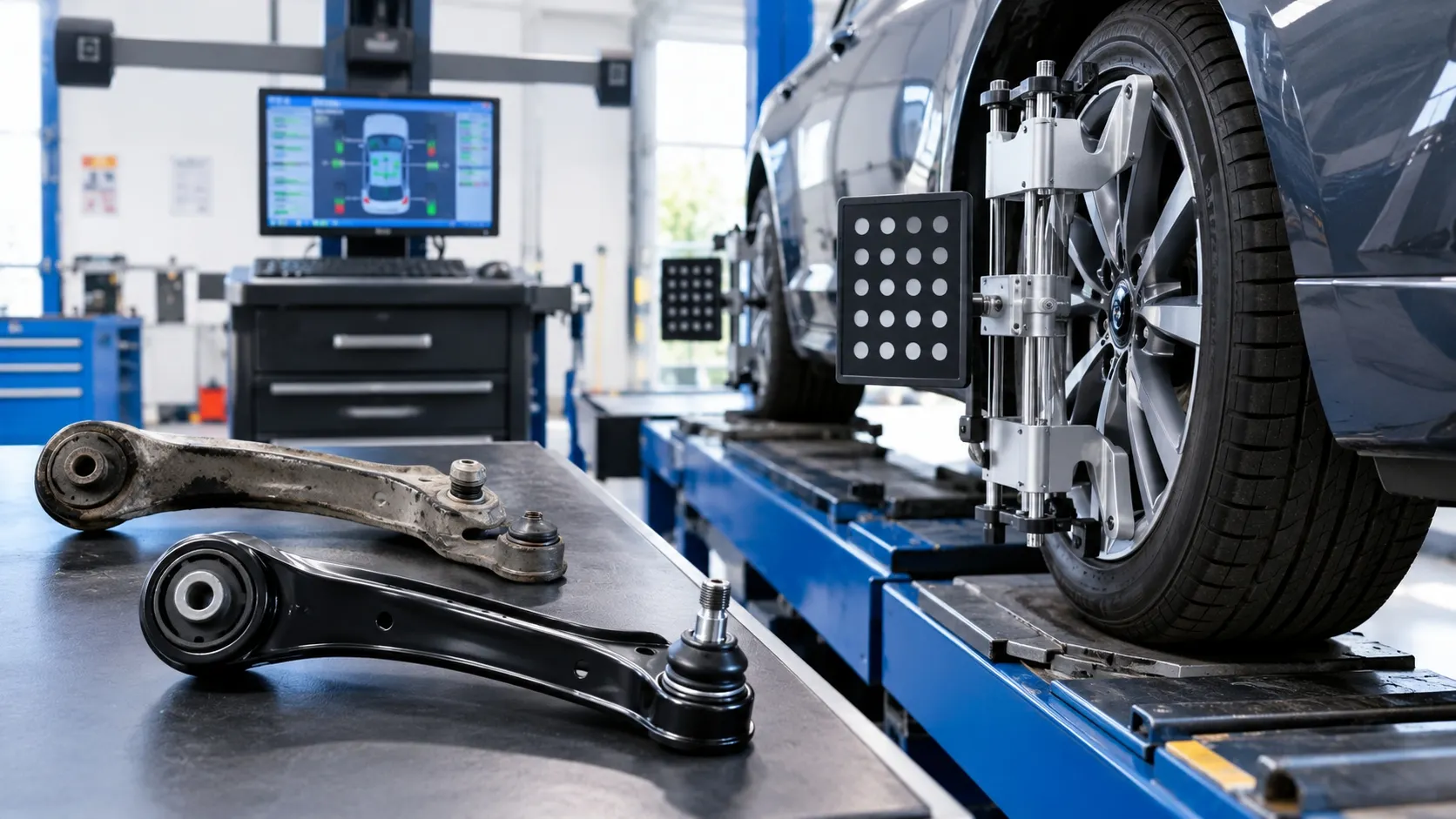
If the control arm is bent or its bushings have excessive play, alignment angles may be affected. A wheel alignment check may be appropriate after replacing suspension components or correcting a related fault.
How to Fix Control Arm Clunking When Braking
The correct repair depends on the confirmed cause.
Replace worn bushings: If the control arm itself remains structurally sound and the vehicle's design permits separate bushing replacement, installing the correct replacement bushings may resolve the noise.
Replace the control arm assembly: If the arm is bent, cracked, severely corroded, or equipped with a non-serviceable damaged bushing or ball joint, replacing the complete assembly may be the appropriate solution.
Repair a worn ball joint: Replace the joint or the control arm assembly according to the vehicle's design and manufacturer specifications.
Correct loose or damaged mounting hardware: A technician should inspect the fasteners and mounting points, repair damaged threads or components as necessary, and apply the specified tightening procedure.
Repair other faulty components: If the noise comes from brake hardware, sway bar links, strut mounts, or another component, repair that fault rather than replacing the control arm without evidence.
After suspension repairs, the technician should check alignment when required and perform a controlled road test to verify that the noise and associated symptoms have been resolved.
Can You Drive With a Clunking Control Arm?
Driving with a suspected control arm problem is not recommended until the cause has been assessed. Minor bushing deterioration may initially produce only noise, but excessive movement can affect steering response, tire wear, and suspension stability.
If the noise is loud or sudden, the steering feels unstable, the vehicle pulls sharply, or you notice obvious wheel movement, stop driving when it is safe to do so and arrange professional assistance. A suspected severely worn ball joint or structurally damaged control arm may require towing.
Do not rely on the absence of warning lights to determine whether the suspension is safe. Many mechanical suspension faults do not trigger a dashboard warning.
How Much Does It Cost to Fix Control Arm Clunking?
The cost of repairing control arm clunking varies by vehicle make and model, labor rates, parts availability, and the extent of the damage.
Replacing a bushing may cost less than replacing a complete control arm assembly, but some vehicles require more extensive disassembly or use integrated components. Additional alignment work may also increase the total repair cost.
For an accurate estimate, request a written quote that separates parts, labor, diagnostic fees, and wheel alignment. Confirm whether the replacement part includes the bushings and ball joint, and ask about the warranty.
Frequently Asked Questions
Can bad control arm bushings cause clunking when braking?
Yes. Worn or separated bushings can allow excessive control arm movement under braking forces, producing a clunking or knocking noise. Other suspension and brake components can cause similar symptoms, so inspection is necessary.
Why does my car clunk only when I brake?
Braking transfers vehicle weight forward and changes the forces acting on the suspension. A worn bushing, loose mounting bolt, damaged ball joint, or loose brake component may become noisy only under these conditions.
Does replacing a control arm require a wheel alignment?
A wheel alignment is commonly recommended after control arm replacement because the repair can affect suspension geometry. Follow the vehicle manufacturer's service recommendations and have the alignment checked when appropriate.
Should I replace both control arms at the same time?
Not always. If one control arm is damaged, the other should also be inspected for wear, corrosion, and bushing deterioration. Replacing both sides may be reasonable when both are worn or when labor considerations make a paired repair practical, but the decision should be based on condition and vehicle requirements.
Conclusion
Loose bushings, a loose ball joint, damaged mounting hardware or bent suspension components are common causes of control arm clunking during braking. But the noises can be caused by various other suspension components, like brake hardware.
The most secure way to determine the source is to conduct a systematic inspection, repair the found fault and, if needed, ensure that the wheels are aligned. Early resolution of suspension issues can help maintain steering stability, minimise abnormal tyre wear and ensure predictable braking.
Share on Social:


- PREV: Bad Control Arm Bushing Symptoms: 7 Warning Signs
- NEXT: Null
Contact Us
In This Article
- 1 What Is a Control Arm?
- 2 Common Causes of Control Arm Clunking When Braking
- 3 Symptoms That May Accompany Control Arm Clunking
- 4 How to Diagnose a Control Arm Clunking Noise
- 5 How to Fix Control Arm Clunking When Braking
- 6 Can You Drive With a Clunking Control Arm?
- 7 How Much Does It Cost to Fix Control Arm Clunking?
- 8 Frequently Asked Questions
- 9 Conclusion
