


Control Arm Bushing Replacement Cost: Complete Guide
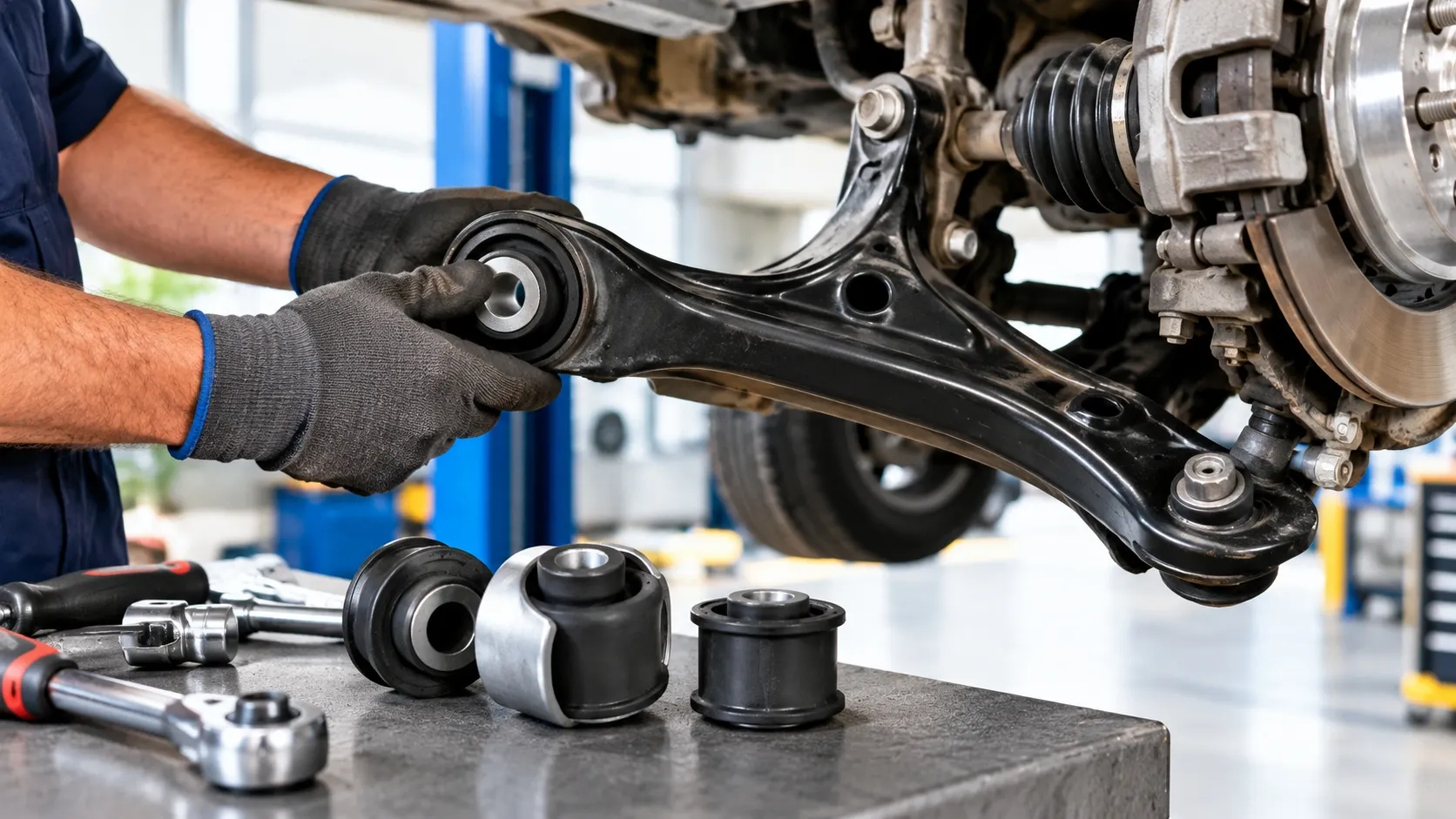
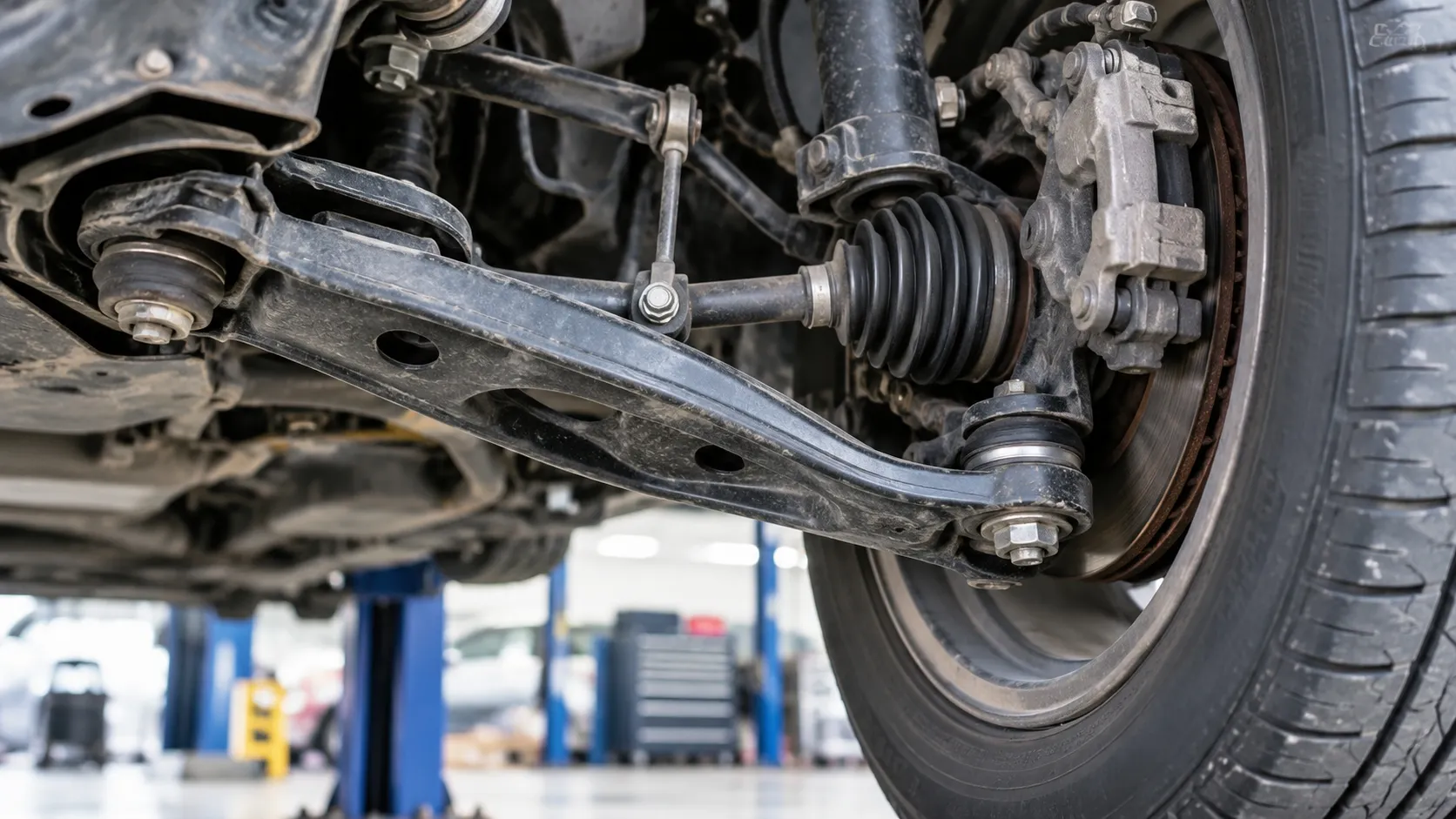
The cost of replacement for control arms should be considered by vehicle owners whose vehicles exhibit noise, too much vibration, tread wear, or poor handling. Control arm bushings are small, yet crucial, suspension parts that attach the control arms to the vehicle's frame while permitting controlled movement. They absorb road impacts, provide vibration dampening and ensure wheels are properly aligned.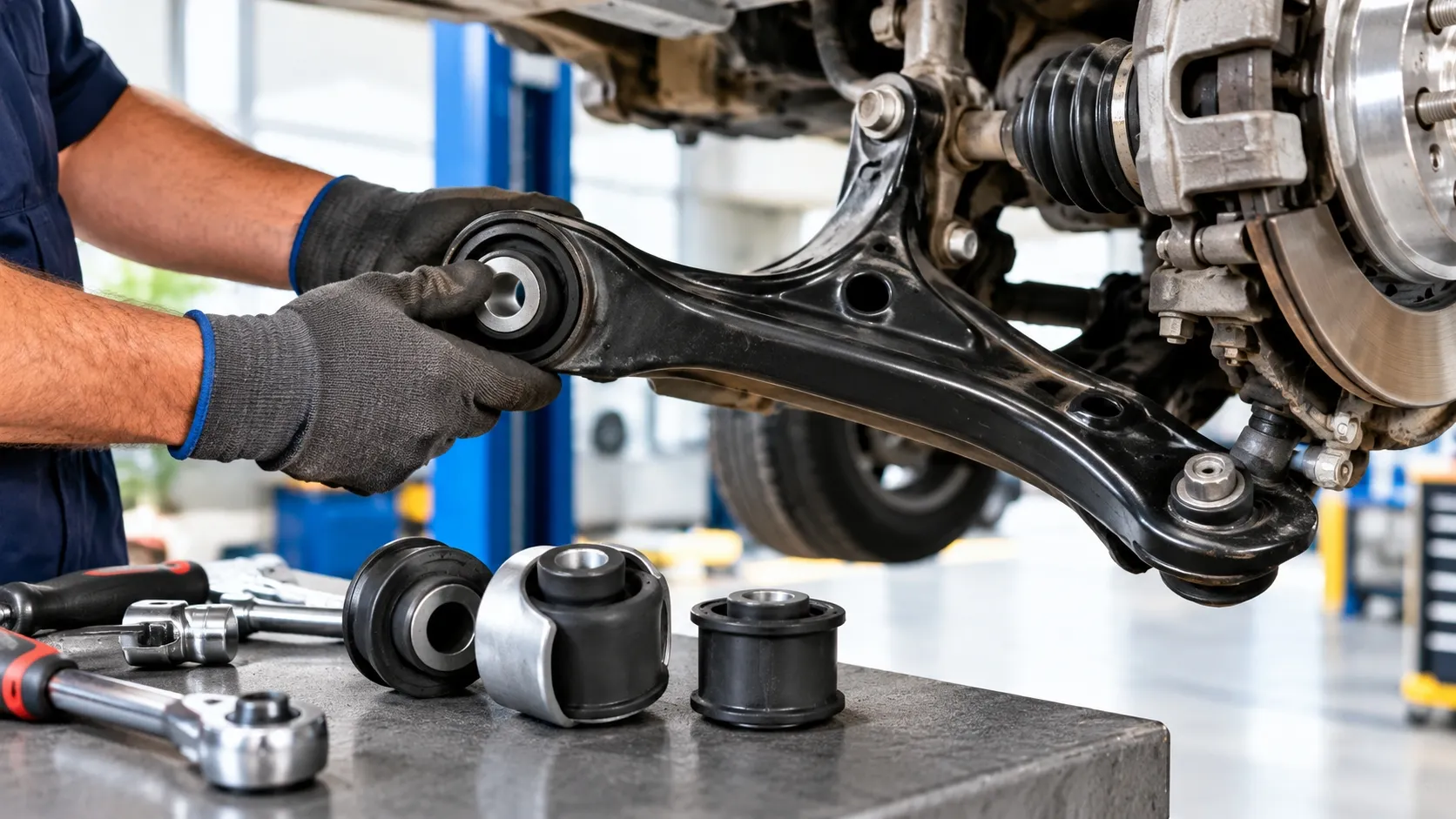
In the United States, an independent repair shop usually charges $150 to $500 to replace control arm bushings. Some cars might be more expensive, however, particularly if the bushings are not easy to reach or need unique tools to get at or are in the control arm assembly. Complete replacement of control arm may be more costly than swapping out individual bushings.
A knowledge of what affects replacement costs can assist you in comparing repair costs, identify suspension issues early, and make informed decisions on maintenance.
1. How Much Does Control Arm Bushing Replacement Cost?
The price to replace control arm bushings will vary based on the car or truck design, labor rates, quality of parts, and whether the mechanism replaces individual bushings or the whole control arm.
This is a rough estimate for vehicles in the U.S.
|
Repair type |
Estimated cost |
|---|---|
|
Individual control arm bushing parts |
$20–$100 |
|
Labor to replace bushings |
$100–$350 |
|
Total cost per control arm |
$150–$500 |
|
Complete control arm replacement |
$250–$800+ |
|
Wheel alignment |
$80–$150 |
These are all rough numbers, not set prices. The cost of the repairs depends on the vehicle, geographic location, type of repair and availability of parts. The price of some luxury vehicles and performance models could be significantly higher.
For instance, if a rubber bushing in a typical sedan is easily removed, it may be a relatively inexpensive repair. The mechanic would likely have to disassemble the control arm on another vehicle and press the bushing out or in with a hydraulic press, which would add to the price of the job.
It's also crucial to know if the quoted price includes one bushing, more than one bushing, one control arm, or both sides of the vehicle.
2. What Factors Affect Control Arm Bushing Replacement Cost?
Several factors determine how much you will pay for this suspension repair.
Vehicle Make and Model
Vehicle design is one of the most significant cost factors. Common passenger cars often have readily available aftermarket bushings at competitive prices. Luxury vehicles, sports cars, and certain European models may require more expensive parts or additional labor.
The suspension layout also matters. Some vehicles provide straightforward access to the bushings, while others require the removal of additional suspension components.
Bushing Material
Control arm bushings are available in several materials, each with different performance characteristics.
-
Rubber bushings: Common in factory suspension systems, offering good vibration isolation and a comfortable ride.
-
Polyurethane bushings: Often selected for improved stiffness and handling response, but they may transmit more road vibration and require appropriate lubrication.
-
Performance bushings: Designed for specific handling requirements and potentially more expensive than standard replacement parts.
For most daily drivers, quality rubber bushings are a practical choice because they balance comfort, noise reduction, and durability.
Labor Costs
Labor can account for a substantial portion of the total control arm bushing replacement cost. Mechanics may need to lift the vehicle, remove wheels, disconnect suspension components, remove the control arm, and press out the old bushings.
Hourly labor rates vary by location and repair facility. Shops in major metropolitan areas may charge more than independent garages in smaller communities.
Individual Bushings vs. Complete Control Arms
Some control arms allow bushings to be replaced separately. Others are more economical to replace as complete assemblies, particularly when ball joints or other components are also worn.
A complete control arm may cost more in parts but save labor because the mechanic does not need to press out and install individual bushings. The best choice depends on the vehicle's design, component condition, and the repair shop's labor estimate.
3. What Are the Signs of Bad Control Arm Bushings?
Recognizing worn control arm bushings can help prevent additional suspension damage and avoid unnecessary repairs.
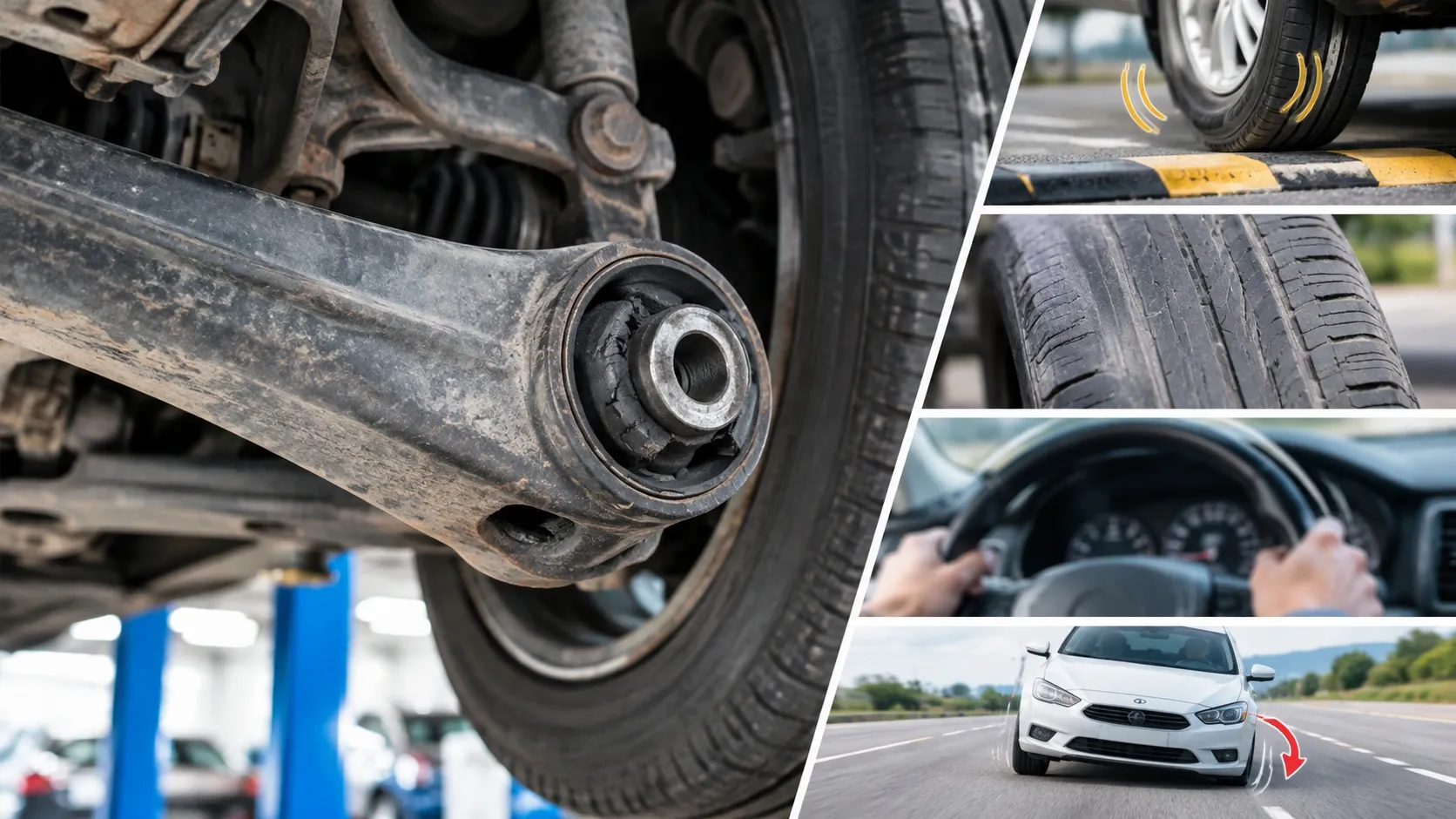
Clunking or Knocking Noises
A common symptom is a clunking sound when driving over bumps, braking, accelerating, or turning. Worn bushings can allow excessive movement between the control arm and the vehicle frame.
However, similar noises can come from worn ball joints, sway bar links, strut mounts, or other suspension components. A professional inspection is necessary to identify the actual cause.
Steering Vibration
Damaged bushings may allow the suspension to move excessively, producing vibration through the steering wheel. The symptoms may become more noticeable on uneven roads or during braking.
Uneven Tire Wear
Control arm bushings help maintain suspension geometry. When they deteriorate, wheel alignment angles may change under load, potentially contributing to uneven tire wear.
If your tires show unusual wear patterns, inspect the suspension and alignment rather than replacing tires without addressing the underlying problem.
Poor Handling and Steering Instability
Worn bushings can cause vague steering, wandering, or a feeling that the vehicle shifts slightly during acceleration or braking. These symptoms can affect stability and driving confidence.
Visible Bushing Damage
During an inspection, a mechanic may find cracked rubber, separation between the rubber and metal sleeve, excessive movement, or a deteriorated bushing surface.
Not every surface crack means immediate replacement is necessary. The decision should consider the bushing's condition, movement, and effect on suspension performance.
4. Is It Cheaper to Replace Control Arm Bushings or the Entire Control Arm?
This is one of the most important questions when comparing suspension repair estimates.
Replacing individual bushings can reduce parts costs when the control arm itself remains in good condition. However, the repair may require considerable labor and specialized pressing equipment.
Replacing the entire control arm generally costs more in parts but may be more convenient. Many complete assemblies include new bushings, and some also include a ball joint.
Consider the following comparison:
|
Consideration |
Bushing replacement |
Complete control arm |
|---|---|---|
|
Parts cost |
Usually lower |
Usually higher |
|
Labor |
Can be substantial |
May be lower |
|
Specialized tools |
Often required |
Sometimes unnecessary |
|
Other worn components |
Remain unless replaced separately |
May be renewed if included |
|
Best suited for |
Serviceable control arms |
Worn or damaged assemblies |
Practical recommendation: Ask your mechanic to quote both options when the vehicle's design permits them. Compare the total installed cost, warranty, included components, and expected service life rather than choosing based on parts price alone.
5. Does Control Arm Bushing Replacement Require a Wheel Alignment?
In most situations, a wheel alignment is recommended after the replacement of the control arm bushing, particularly when removing the control arm or when the suspension mounting points are disturbed.
Installing new bushings may restore the correct alignment of suspension parts, and removing and installing bushings can change alignment settings. Professional alignment is to ensure that the wheels conform to the manufacturer's specifications.
The cost of a typical 4-wheel alignment in the United States is about $80 to $150, depending on the vehicle and location.
Check if alignment is part of the price for the repair shop. If it is a quoted out-of-house item, make sure to verify if your car needs to be aligned two or four wheels.
Ensuring tyres are aligned properly can help minimize excessive tyre wear, control handling and ensure the investment in new suspension parts is well protected.
6. Can You Drive with Bad Control Arm Bushings?
It depends on the extent of the damage whether you can continue driving or not.
Bushing deterioration may be visible as minor, and may result in noise or a loss in ride comfort. But, when bushings are worn or split beyond a certain point, they can create excessive control arm play, throw off wheel alignment and also have an impact on handling.
When the steering becomes unstable to the point that it tips, sounds like suspension impacts, has significant movement at the wheels, or the vehicle control is totally different, stop driving safely and make a professional inspection or tow arrangements.
Uncorrected worn bushings can also lead to further damage to other suspension parts and premature tire wear.
It may seem like you're saving money by putting off a minor repair when you really aren't.You may think that putting it off would save money, but the potential cost of secondary damage could cause you to lose money.
7. How Long Does Control Arm Bushing Replacement Take?
The repair typically takes approximately one to three hours per control arm, although some vehicles may require more time.
The actual duration depends on several factors:
-
Accessibility of the control arm and bushings.
-
Whether the mechanic replaces individual bushings or the entire assembly.
-
Corrosion on bolts and suspension mounting points.
-
Availability of specialized tools.
-
Whether additional suspension repairs or wheel alignment are needed.
Individual bushing replacement may take longer than installing a complete control arm because the old bushing must be removed and the new one pressed into place correctly.
If the mechanic discovers seized bolts, damaged mounting hardware, or other worn components, the repair may take longer than originally estimated.
8. How Can You Save Money on Control Arm Bushing Replacement?
There are several practical ways to manage replacement costs without compromising safety.
Compare Multiple Repair Estimates
Request itemized quotes from two or three reputable repair shops. Each estimate should identify parts, labor, alignment, additional hardware, and warranty coverage.
A lower estimate is not necessarily the best value if it excludes essential work.
Choose Quality Replacement Parts
Compare original equipment manufacturer (OEM) parts with reputable aftermarket alternatives. Quality aftermarket bushings can provide good performance at a lower price, provided they match the vehicle's specifications.
Avoid choosing parts based solely on the lowest price.
Inspect Related Suspension Components
If the control arm is already removed, ask the mechanic to inspect the ball joint, mounting hardware, and other accessible suspension components. Addressing confirmed problems during the same repair may reduce duplicated labor later.
However, replace additional components only when inspection findings justify it.
Avoid Unnecessary Repairs
Suspension noises can have several causes. Before approving a control arm bushing replacement, request a clear diagnosis explaining what is worn and how the mechanic confirmed it.
This helps prevent spending money on parts that do not resolve the original problem.
Check the Repair Warranty
Ask whether the shop provides a warranty on parts and labor. A reputable repair facility should explain its coverage and any exclusions before work begins.
9. How Often Should Control Arm Bushings Be Replaced?
The frequency of replacement of the control arm bushings varies by vehicle. Driving conditions, vehicle weight, bushing material, road surface, temperature, and exposure to oil or other contaminants will affect their service life.
Some bushings can endure more than 60,000 miles, but in harsh conditions, some could wear out sooner. Replacing them because of mileage alone is not a good indicator.
They are also useful when you're driving on rough roads, hitting potholes, towing heavy loads, or hearing new noises or handling changes.
Adhere to the manufacturer's maintenance guidelines and consult about any unusual suspension symptoms immediately.
10. Frequently Asked Questions About Control Arm Bushing Replacement Cost
How much does it cost to replace control arm bushings on one side?
A typical estimate is $150 to $500 per control arm at an independent repair shop in the United States. The final price depends on the vehicle, parts, labor, and whether alignment is necessary.
Should I replace both control arm bushings at the same time?
If a control arm contains multiple worn bushings, replacing them together may be sensible because much of the labor overlaps. Whether both sides of the vehicle should be replaced depends on their condition, vehicle specifications, and the mechanic's inspection.
Can I replace control arm bushings myself?
Experienced DIY mechanics may be able to perform this repair with suitable tools, a safe lifting setup, and the correct service information. However, pressing bushings in and out can require specialized equipment, and incorrect installation can damage components.
Because suspension parts affect vehicle control, professional replacement is often the safer choice for inexperienced owners.
Are polyurethane bushings worth the extra cost?
Polyurethane bushings can improve suspension response in some applications, particularly performance vehicles. However, they may transmit more noise and vibration than rubber bushings. For everyday driving, high-quality rubber bushings are often the more comfortable option.
Is control arm bushing replacement urgent?
It depends on the severity of the wear. Minor deterioration should be assessed and monitored as appropriate, while excessive movement, severe clunking, or unstable steering warrants prompt inspection. Severe suspension problems can make the vehicle unsafe to drive.
Conclusion
Control arm bushing replacement costs vary from $150 to $500 for each control arm and can be $250 to $800 or higher if replacing the entire control arm. Final cost of the repairs varies depending on the vehicle type, the labor needed, replacement parts and alignment.
The best way is to not only make an accurate diagnosis of what is wrong, but to compare the cost of replacing each bushing versus replacing the entire control arm and then select high-grade parts that meet the demands of your driving style.
Clunky noises, steering vibration, uneven tire wear and handling problems are all indicators that your vehicle's suspension is in need of inspection. Proper maintenance can help to restore comfort and functionality to your driving experience, extend the life of your tires and keep your vehicle safe to handle.
Share on Social:


- PREV: Control Arm Clunking When Braking: Causes and Fixes
- NEXT: Null
Contact Us
In This Article
- 1 1. How Much Does Control Arm Bushing Replacement Cost?
- 2 2. What Factors Affect Control Arm Bushing Replacement Cost?
- 3 3. What Are the Signs of Bad Control Arm Bushings?
- 4 4. Is It Cheaper to Replace Control Arm Bushings or the Entire Control Arm?
- 5 5. Does Control Arm Bushing Replacement Require a Wheel Alignment?
- 6 6. Can You Drive with Bad Control Arm Bushings?
- 7 7. How Long Does Control Arm Bushing Replacement Take?
- 8 8. How Can You Save Money on Control Arm Bushing Replacement?
- 9 9. How Often Should Control Arm Bushings Be Replaced?
- 10 10. Frequently Asked Questions About Control Arm Bushing Replacement Cost
- 11 Conclusion
