


Car Air Suspension Pump: Diagnosis, Selection and Replacement Guide
The air suspension pump draws air to compress it for use by the air suspension system to lift the vehicle and keep it in the programmed ride height. If the pump is weak, the vehicle may rise slowly, not rise or show an air suspension warning.
But another problem that will often damage a compressor is also unsolved. A dryer could be running longer than normal if it has a leaking air spring, restricted dryer or a bad valve. Therefore, correct diagnosis should be able to identify both that the pump has failed and the cause of failure.
Car Air Suspension Pump: What Does it Do?
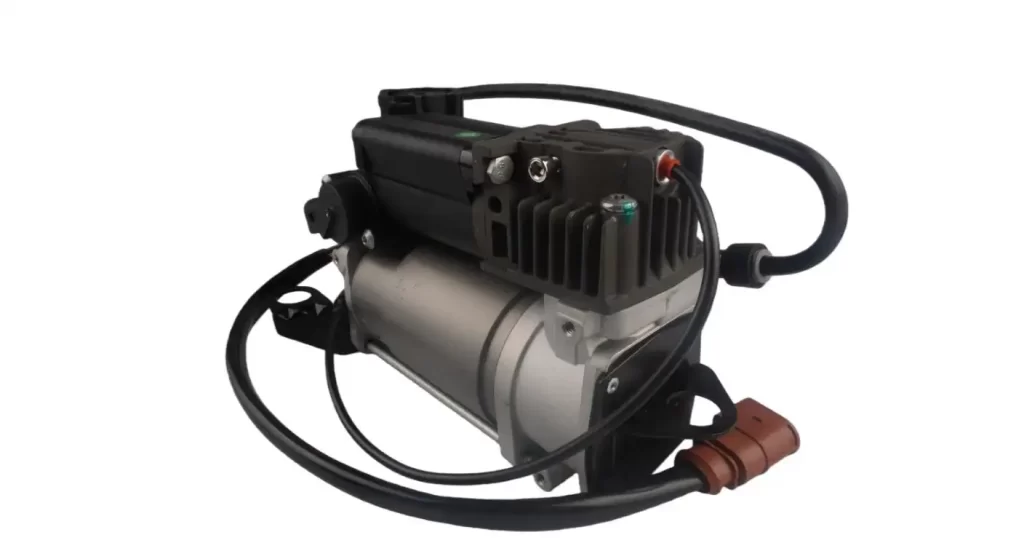
The air suspension pump, also known as an air suspension compressor, pulls air into the pump, filters it and compresses it for storage or direct transfer to the suspension circuit.
When system pressure or vehicle height is below the desired amount, the electronic control unit turns the motor on. The air is then fed through a dryer to a reservoir or an air suspension valve block that is connected to the correct wheel.
The control unit turns off the pump when the proper pressure or ride height is attained. The compressor shouldn't have to run constantly to maintain the level in a healthy system.
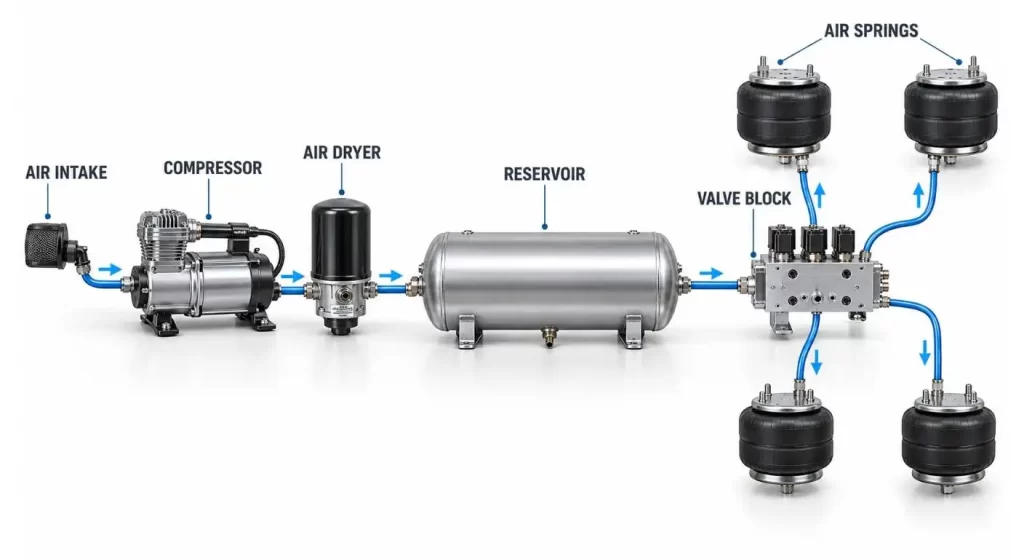
Be sure not to confuse the Pump with the complete system!
This creates pressure from the pump, but not a specific height for each corner. The vehicle is supported by air springs, sensors are used to determine the position of the body, and valves control the flow of air.
Thus, if the vehicle sits low, it could be caused by a leaky air suspension spring, but the compressor is still good. If, however, the vehicle ascends unevenly, then it could be the valve block or height-sensor issue.
Knowing the entire air suspension system eliminates any unnecessary pump replacements and allows fast and efficient fault diagnosis.
| Component | Main Function | Typical Fault Effect |
| Compressor pump | Generates air pressure | Vehicle lifts slowly or not at all |
| Air spring | Supports vehicle weight | One corner drops or leaks |
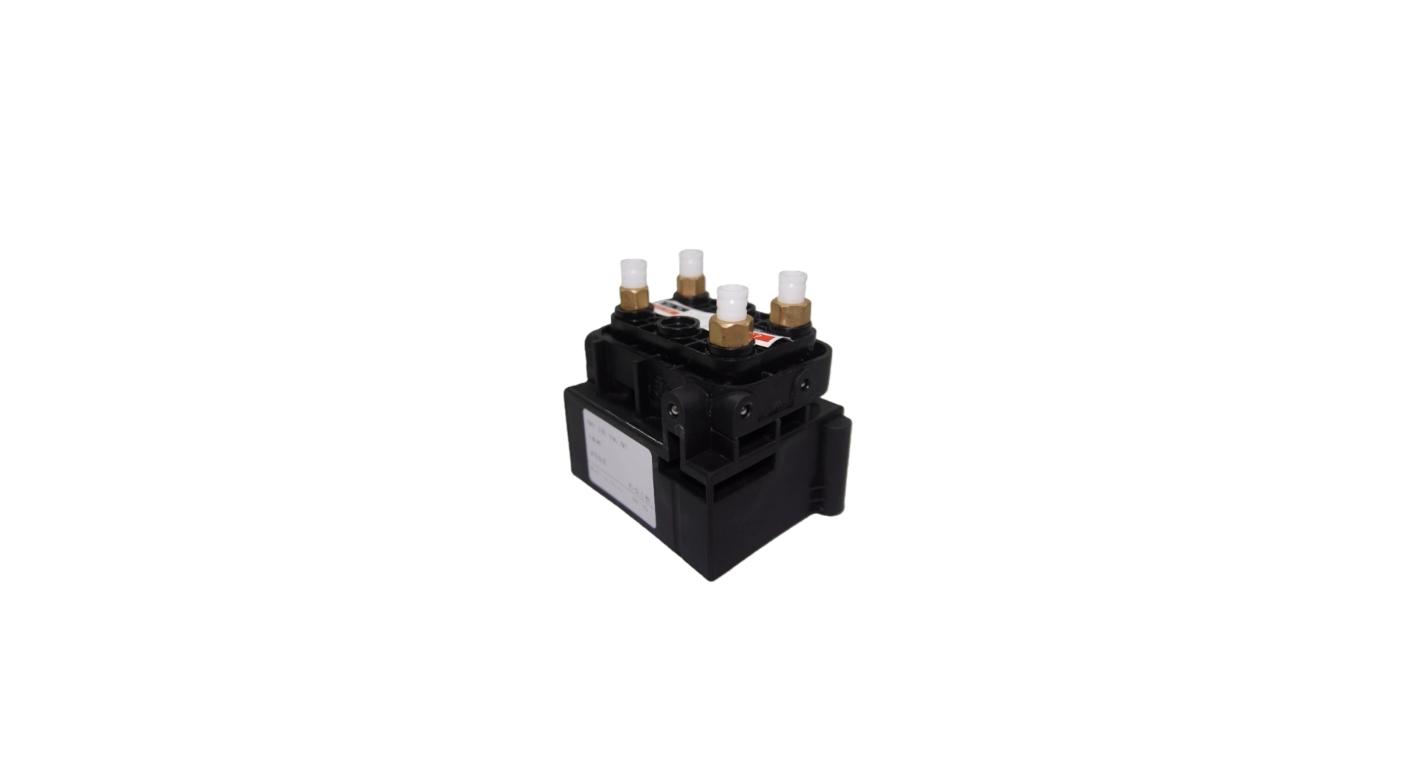
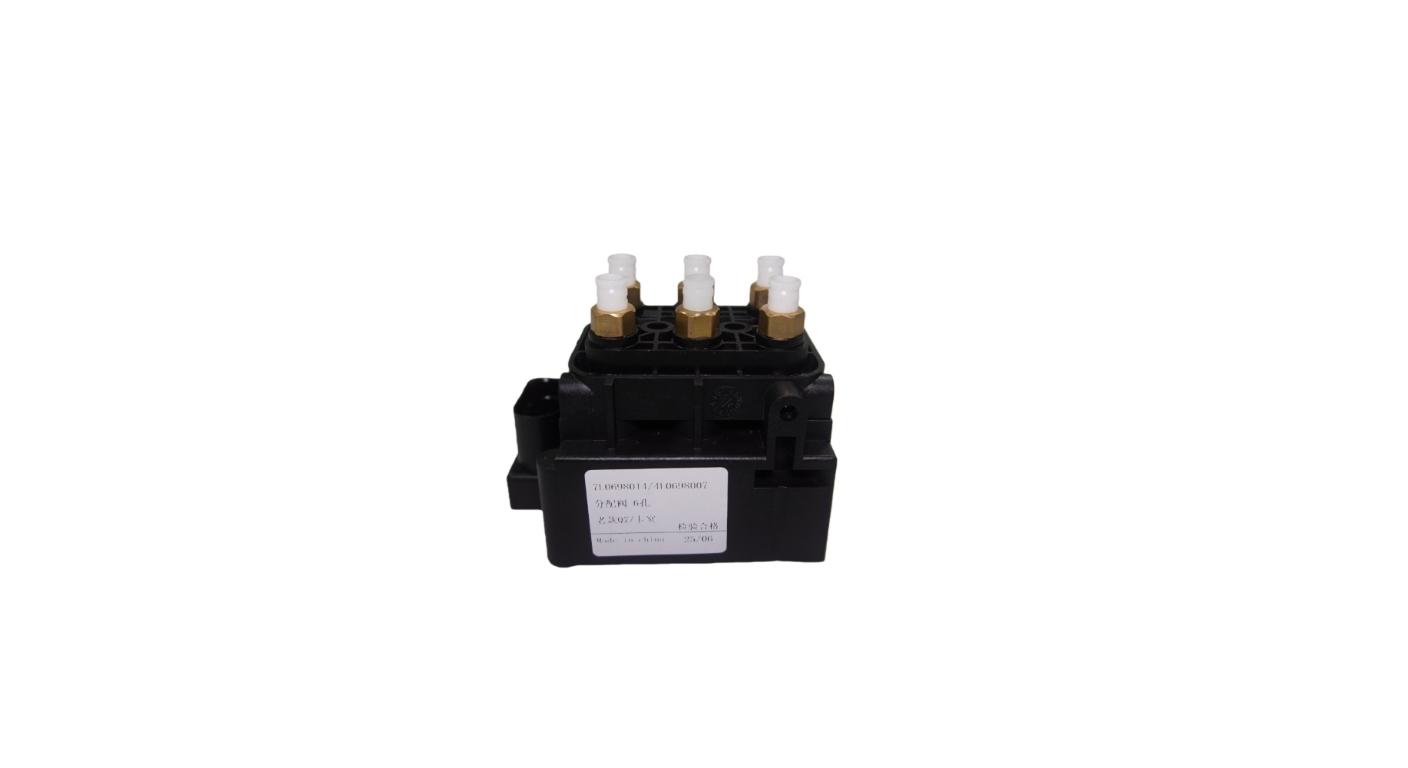
| Valve block | Routes air between circuits | Uneven height or pressure transfer |
| Height sensor | Reports body position | Incorrect or unstable ride height |
| Dryer | Removes moisture from air | Restricted flow or internal corrosion |
| Relay | Controls electrical power | Pump does not start or stays running |
Be aware of common signs that indicate pump failure.
Slow and/or incomplete vehicle lifting is among the most frequent symptom. The pump may operate, but the wear inside the pump is not able to build up pressure fast enough.
Excessive noise or grinding/rattling noises may be due to motor, bearing or piston wear. If a pump cuts off after a brief time, it could be over heating or tripping out due to thermal protection.
Another warning sign is when the compressor is active often when driving and/or after each start. May be a weak pump but most likely a loss of air in the system.
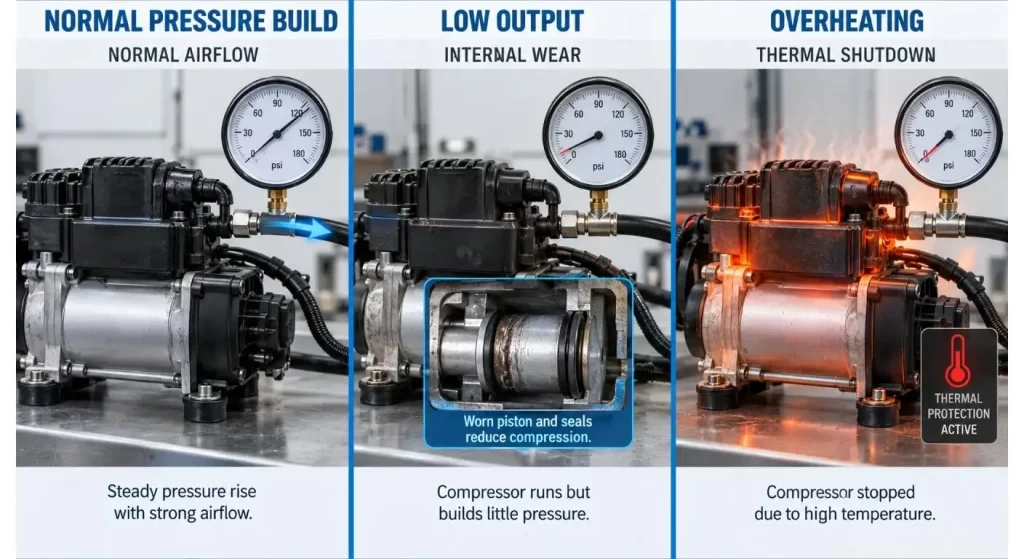
Check the system first before taking out the pump.
Start with a compressor relay, pressure, thermal or ride-height diagnostic scan. Codes stored will be used to help identify the circuit to further test but should not be used as proof of the pump being defective.
Inspect the appropriate fuse, relay, wiring, ground and connector. Measure the compressor input voltage when compressor is called to run. A low voltage can cause the pump to slow down and give the appearance of a mechanical failure.
Then check the inflation time and pressure of the system following the vehicle service procedure. Check for restriction, moisture or leakage in the intake filter, dryer, and air lines and connectors.
Determine the cause of Compressor Overwork
Air suspension pumps are on/off controllable pumps. A leak causes the compressor to operate repeatedly to build up the lost air resulting in higher motor temperatures and wear.
Set the vehicle on level ground and measure the height each wheel is above ground. If a corner drops, check its air spring, fitting and local line. If more than one corner drops, check common lines, reservoir and valve block.
The presence of water in the pneumatic system can also cause damage to the pump and valves. If the dryer is saturated, moisture can get to the parts inside, particularly if you live in a humid climate and/or if the temperature frequently drops below freezing.
| Test Stage | What to Check | Result to Record |
| Electrical supply | Fuse, relay, connector and ground | Voltage under load |
| Pump operation | Noise, vibration and temperature | Operating condition |
| Pressure output | Pressure rise during activation | Output and inflation time |
| Leakage | Springs, lines, fittings and valves | Location of pressure loss |
| Air quality | Filter and dryer condition | Moisture or restriction |
| Height retention | Vehicle level after shutdown | Change at each corner |
Determine if pump can be repaired
A piston ring or seal kit, dryer or relay can be used to service some compressors. This might be feasible when the electric motor and cylinder are still in good condition.
When the motor burns or the cylinder takes a lot of wear or the housing is damaged or the pump will not achieve the required pressure following basic service, then replacement is more likely to be reliable.
A repair kit needs to be the identical compressor design. Mixing unverified internal parts may alter the air flow, sealing/thermal characteristics and could result in a different failure.
Connect the correct Replacement Pump
Use the OE number and verify the manufacturer and model, year and chassis code of the vehicle. There may be multiple variants of the same vehicle that are equipped with different brackets, connectors, software strategies or air-line fittings.
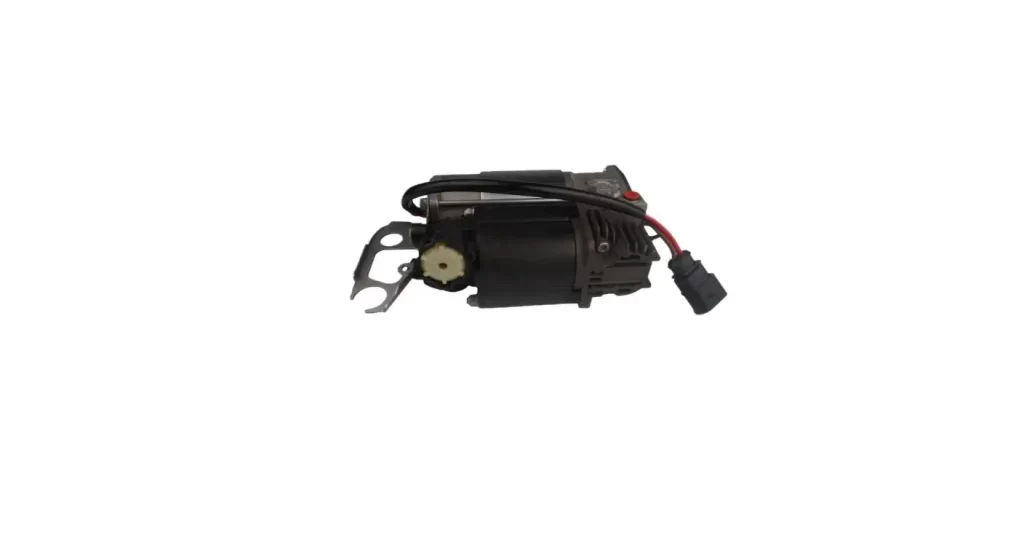
Check replacement against the original for voltage, plug, mounting points, air outlet and dryer position and vibration isolators. Look through the list of air suspension compressors available for your vehicle application, not just by looks.
For OE label that are unreadable include VIN and clear pictures of entire pump, electrical connector, air outlet and mounting bracket.
Check Surrounds of the New Pump
Check the compressor relay and change as necessary as per vehicle procedure, prior to installation. If the relay is "stuck," it will keep a new compressor energized and it will overheat quickly.
Check the intake hose, filter, air outlet, dryer and mounting bushings. Limited airflow equates to reduced performance, and broken rubber mounts can transfer noise and vibration into the vehicle's body.
Any leaks in the air spring or line that led to the failure should be fixed prior to the replacement pump coming into service.
Installs and verifies system.
Installation should be performed so that the air fittings and lines are kept clean. Make sure the pump is firmly into place in the pump bracket and electrical wires and hoses are clear of heat or moving parts.
Once installed, reset stored fault codes and let the vehicle get to ride height. Verify pump run time, and listen for unusual noises or verify that the system maintains its height when shut down.
For some vehicles, suspension calibration and/or compression via software is needed. Don't repeatedly switch on the pump with uncontrolled direct power, follow the correct procedure for service.
Clear Purchase Inquiry is a form used to request information from a vendor.
To complete an inquiry, the complete car model, year, chassis code, OE and quantity required will be necessary. Pictures of the original connector, outlet and mounting bracket available for more reliable identification.
For wholesale or repair shop purchase, check testing requirements, package, lead time, after sales service etc. as well. Individuals interested in purchasing the vehicle and parts can fill out the HJ Auto Parts contact page to get a fitment confirmation and quotation.
Conclusion
It is recommended that the electrical supply and pressure output and the surrounding pneumatic system be tested before replacing a car air suspension pump. If the operation is continuous, then it most likely is a leak of air than just a pump problem.
Help the replacement compressor to reliably restore ride height and to prevent premature damage with correct OE matching and repair of original failure.
FAQs
Q1. What is the difference between air suspension pump and a compressor?
Yes. These words typically describe the electrical system which powers the air compressor for the suspension system on a vehicle.
Q2. What causes my air suspension pump to run often?
There is a leak in the air spring, line, fittings or valves in the system. Before deciding the pump is faulty, check for any loss of pressure.
Q3. What if I have a bad suspension pump?
If the vehicle is too low or uneven, it may be unsafe to drive. Other suspension parts and tyres also may be harmed by continued use.
Q4. Is it possible to repair an air suspension pump?
Approved seals, piston rings, dryers or relays can be used for some pumps to repair them. If the cylinder or motor is damaged to such an extent, the complete replacement is needed.
Q5. Is there a need for programming with a replacement pump?
Fault-Code clearing, Calibration or activation of diagnostics may be required in some vehicles. Requirements vary with vehicle and control system.


Contact Us
In This Article
- 1 Car Air Suspension Pump: What Does it Do?
- 2 Be sure not to confuse the Pump with the complete system!
- 3 Be aware of common signs that indicate pump failure.
- 4 Check the system first before taking out the pump.
- 5 Determine the cause of Compressor Overwork
- 6 Determine if pump can be repaired
- 7 Connect the correct Replacement Pump
- 8 Check Surrounds of the New Pump
- 9 Installs and verifies system.
- 10 Clear Purchase Inquiry is a form used to request information from a vendor.
- 11 Conclusion
