


Air Suspension Check Valve Failure Symptoms: Causes and Fixes
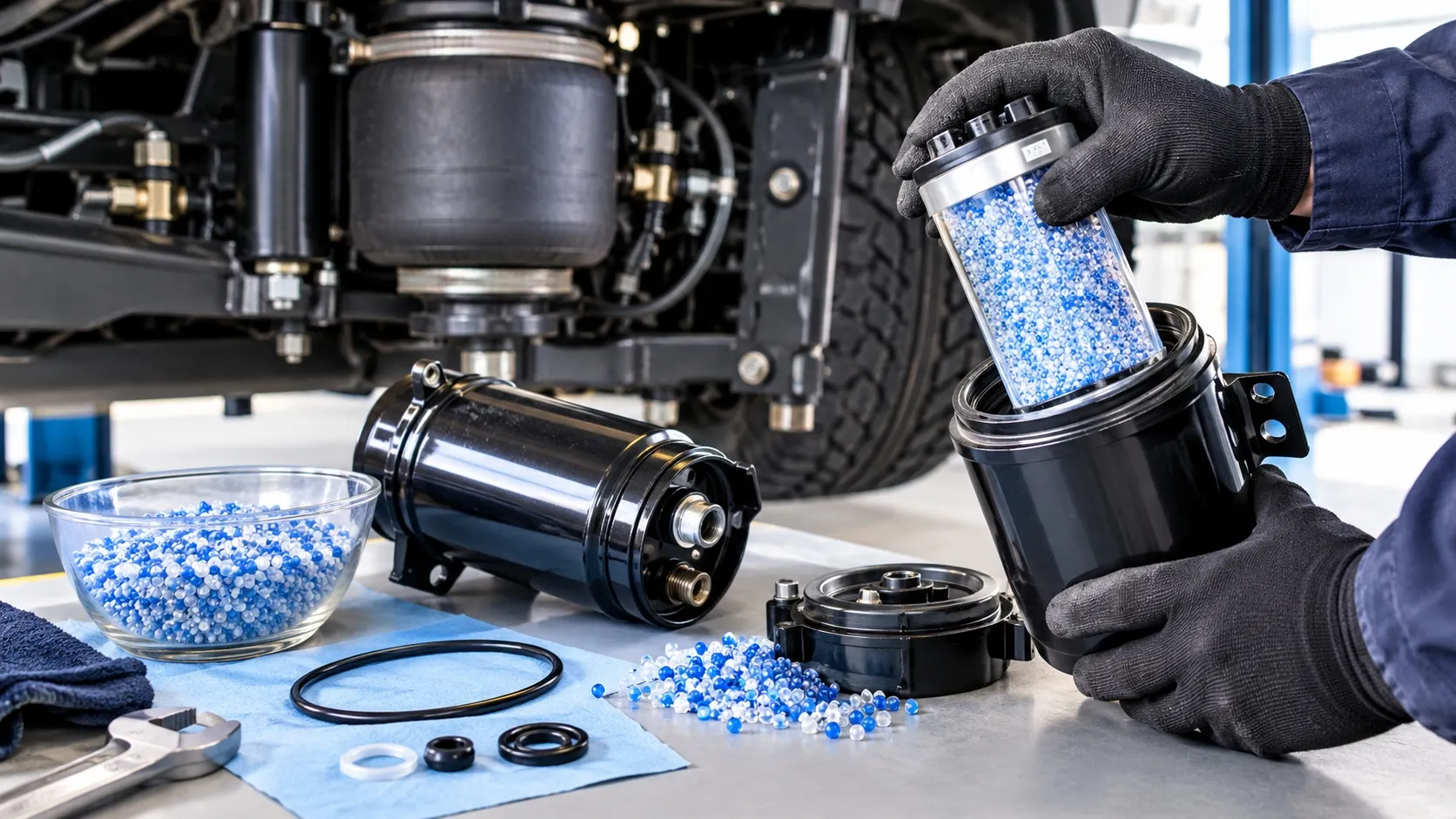
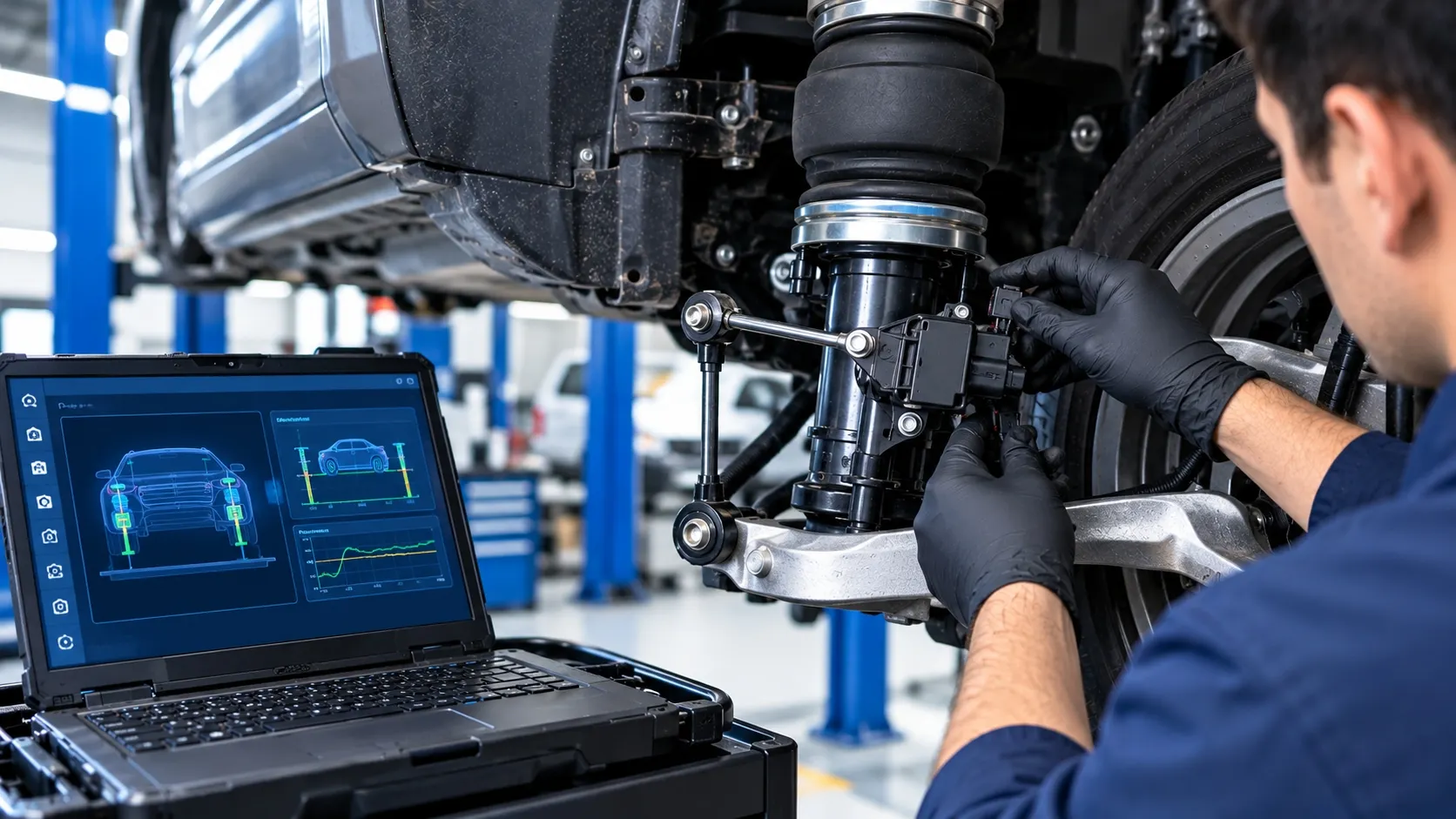
The air suspension system is a vital element to the vehicle's comfort, ride height, stability and handling qualities. Air suspension is a relatively new suspension system that utilizes air springs, air compressor, air lines, and control valves for height control and shock absorption, instead of relying on steel springs as in conventional suspension systems. The air suspension check valve is one of the key components that is small but very important.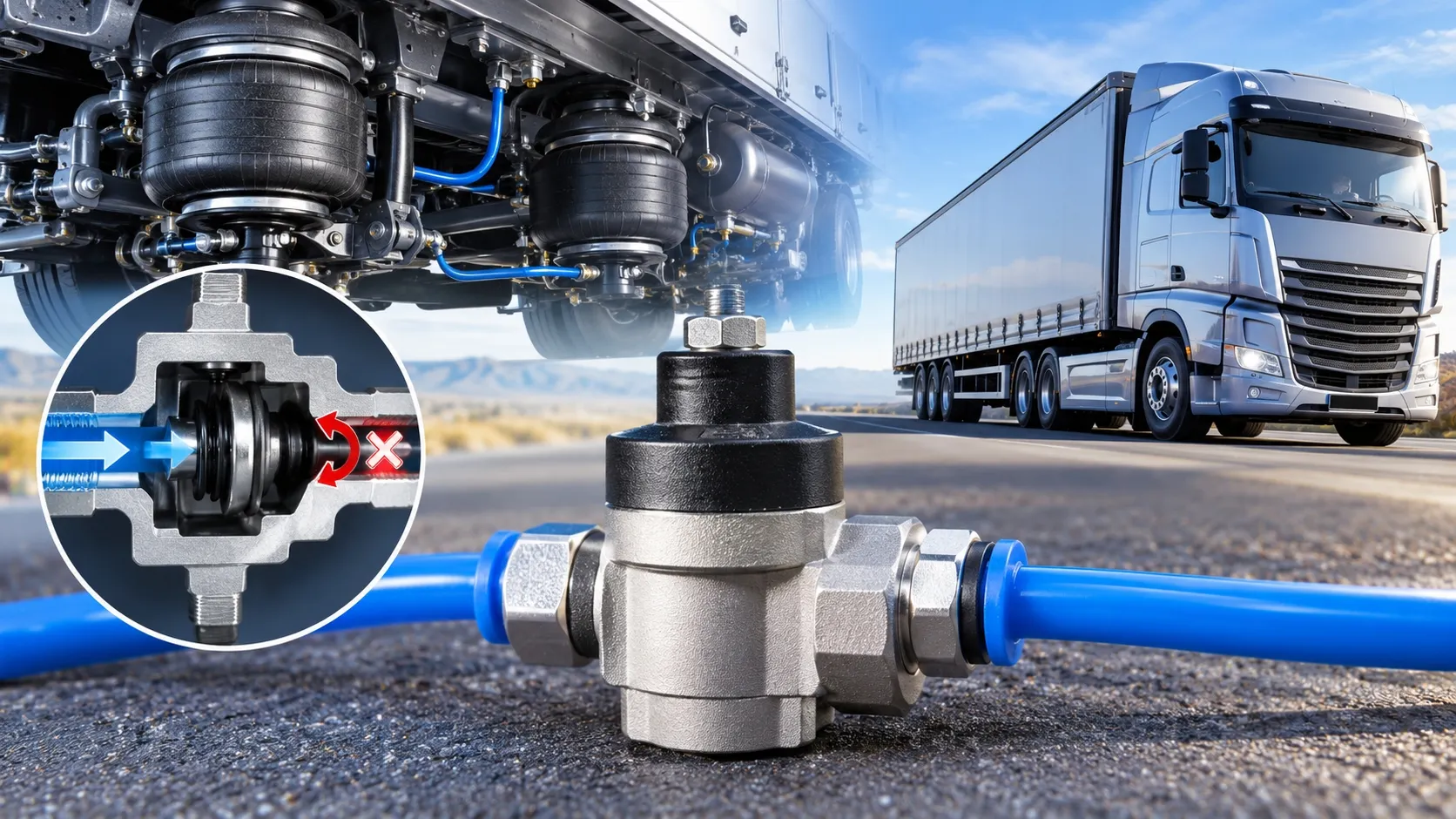
Failure of an air suspension check valve can cause loss of air pressure, cause the system to have difficulty keeping the vehicle at an appropriate suspension level, or relieve extra load on the compressor. When a vehicle's air suspension check valve fails, there are usually signs that appear that can alert the vehicle owner, mechanic or fleet manager to the problem and prevent additional costly repairs.
This guide will detail the common failure symptoms, why check valves fail, how to diagnose the issue and when replacement might be required.
1. What Is an Air Suspension Check Valve?
An air suspension check valve is a one way valve that lets air flow in the desired direction but doesn't allow the air to flow back the other way. It can be mounted close to the air compressor, air dryer, air reservoir or other components of the pneumatic circuit, depending on the vehicle design.
The valve keeps the air pressure in the system when the compressor is not running. This is especially important if the vehicle is parked, has a heavy load or is driving through varying conditions.
A check valve that is in good working order will aid in:
-
Prevent compressed air from flowing backward.
-
Maintain pressure in the appropriate part of the system.
-
Reduce unnecessary compressor cycling.
-
Support consistent suspension height.
-
Improve the reliability of the overall air suspension system.
Symptoms of a leaky check valve will vary depending on the vehicle's pneumatic design and the location of the check valve. Failure of the check valve does not necessarily indicate a leak in the air spring or a compressor or height sensor failure.
2. Common Air Suspension Check Valve Failure Symptoms
First, it is important to be aware of the warning signs of an air suspension problem. The following are typical symptoms of a potentially malfunctioning check valve or related pneumatics component:
2.1 Vehicle Sags After Being Parked
One of the most noticeable symptoms is a vehicle that sits lower than normal after being parked for several hours or overnight.
If a check valve cannot seal properly, compressed air may escape or flow backward into another part of the system. Depending on the circuit, this can contribute to pressure loss and make it difficult for the suspension to maintain its normal height.
However, overnight sagging is not exclusive to check valve failure. Leaking air springs, damaged air lines, loose fittings, and faulty valve blocks can produce similar symptoms.
What to check: Measure the vehicle's ride height after parking and compare it with its height after the suspension system has fully pressurized. Note whether one corner or the entire vehicle drops.
2.2 Air Suspension Compressor Runs Too Frequently
A check valve that leaks internally may allow stored air pressure to escape or return toward the compressor. The system may then need to replenish the lost pressure more frequently.
Drivers may notice the compressor running shortly after startup, operating for unusually long periods, or cycling repeatedly during normal use.
Frequent compressor operation can also indicate an air leak elsewhere in the system or an air dryer problem.
If the compressor runs continuously or overheats, have the system inspected promptly. Excessive operation can shorten compressor life and increase repair costs.
2.3 Slow Suspension Inflation
Another possible symptom is slow inflation when the vehicle starts or when the suspension attempts to raise the body.
A defective check valve may restrict proper airflow or prevent the system from retaining pressure between operating cycles. As a result, the suspension may take longer than usual to reach its target ride height.
Possible warning signs include:
-
A noticeable delay before the vehicle rises.
-
Slow adjustment when carrying additional weight.
-
Inconsistent suspension response.
-
Repeated attempts to achieve the requested ride height.
Slow inflation can also result from a weak compressor, a clogged air dryer, restricted air lines, or a faulty solenoid valve. Proper diagnosis is necessary before replacing any component.
2.4 Air Suspension Warning Light Appears
Modern vehicles often use electronic control modules to monitor suspension pressure, ride height, compressor operation, and system performance.
If a failed check valve causes abnormal pressure behavior, the control module may detect that the system cannot reach or maintain its expected operating condition. Depending on the vehicle, this may trigger an air suspension warning light or a dashboard message.
Possible messages include suspension malfunction, compressor overheating, or a ride-height adjustment fault.
A warning light does not identify the check valve as the definite cause. Use a compatible diagnostic scanner to retrieve fault codes and examine relevant live data before making repairs.
2.5 Uneven Ride Height
If pressure loss affects one section of the pneumatic system, the vehicle may sit unevenly. One corner might appear lower than the others, or the front and rear sections may show different ride heights.
However, an uneven stance is more commonly associated with an air spring leak, a damaged air line, a faulty distribution valve, or an inaccurate height sensor than with every type of check valve failure.
Inspect the system according to the vehicle manufacturer's diagnostic procedure, especially if the vehicle leans noticeably or the suspension cannot maintain its normal position.
2.6 Air Pressure Drops When the Vehicle Is Off
A properly functioning check valve helps prevent unwanted reverse airflow and supports pressure retention in the relevant circuit.
If pressure falls abnormally after the engine or compressor stops, a leaking check valve may be responsible. The likelihood depends on where the valve is installed and how the system isolates its air reservoirs.
Other possible causes include damaged seals, loose connections, cracked air hoses, and a leaking air dryer assembly.
A pressure drop should therefore be investigated systematically rather than attributed to the check valve alone.
2.7 Unusual Compressor Noise or Overheating
A failing check valve can contribute to repeated compressor operation, increased operating time, or abnormal pressure conditions. Over time, this additional workload may cause the compressor to become unusually hot or noisy.
You may hear frequent humming, longer-than-normal pumping cycles, or changes in compressor operating behavior.
These symptoms can also indicate compressor wear, restricted intake airflow, electrical problems, or moisture contamination.
If the compressor becomes excessively hot, repeatedly shuts down, or produces abnormal mechanical noises, stop unnecessary suspension adjustments and arrange an inspection.
3. What Causes an Air Suspension Check Valve to Fail?
Several factors can contribute to check valve malfunction.
Wear and Aging
Repeated pressure cycles gradually wear internal sealing surfaces and moving components. As the valve ages, it may no longer close tightly enough to prevent reverse airflow.
Moisture and Contamination
Water, dirt, and oil contamination can interfere with valve movement and sealing. Moisture can also contribute to corrosion, particularly in systems operating in cold or humid environments.
A malfunctioning air dryer may increase the risk of contamination entering downstream pneumatic components.
Seal Deterioration
Rubber seals and other sealing materials can harden, crack, or deform because of temperature changes, chemical exposure, and long-term use.
When the sealing surface deteriorates, compressed air may leak past the valve.
Excessive Pressure or Heat
Operating outside the manufacturer's specified pressure and temperature limits can damage internal valve components. Excessive compressor cycling may also increase heat exposure throughout the system.
Incorrect Installation
A check valve installed in the wrong direction, fitted with incompatible components, or tightened incorrectly may fail to perform as intended.
Always confirm the flow direction, pressure rating, and compatibility of the replacement part before installation.
4. How to Diagnose a Faulty Air Suspension Check Valve
Accurate diagnosis will eliminate needless replacement of parts and assist in protecting the compressor.
Step 1: Inspect the vehicle's ride height.
Park on a level surface and measure the vehicle to the ground at all four corners (if applicable). Record any changes after the vehicle has been parked for a period of time.
Step 2: Hear compressor working.
Check if the compressor is operating more often or for more time than normal. Do not exceed manufacturer's operating limits and do not repeatedly start the suspension when the compressor is hot.
Step 3 – Check air lines and connections.
Check for broken hoses, loose fittings, cracked parts, and worn parts. Where appropriate, use and follow the manufacturer's safety procedures for an approved leak-detection solution.
Check system pressure – Step 4
A qualified technician can provide a comparison of measured pressure to manufacturer's specifications. When pressure drops, the technician can check which part of the circuit is leaking by isolating it.
Test the check valve (Step 5).
The valve should be checked for proper flow direction, sealing ability and pressure holding ability in accordance with the proper procedure and equipment. Never judge a valve on the basis of a loss of suspension.
Step 6: Read diagnostic trouble codes.
Check available pressure, compressor and ride-height data with a compatible diagnostic tool to locate suspension-related faults.
When preparing to make a disassembly, make sure to depressurize the appropriate circuit based on the service manual since air suspension systems can hold air at high pressure. Do not work under a vehicle on air lift.
5. How to Fix Air Suspension Check Valve Problems
Depending on the test results, the proper repair is required.
When the sealing and/or functional test of the check valve is not passed, replacement is usually the most effective remedy. Select the component according to the vehicle specifications such as pressure level, connection type, flow direction, temperature range etc.
When replacing, a technician should also check surrounding fittings, air lines, seals and air dryers. If a valve fails because of valves contaminated with dirt or because of a pressure issue, replacing the valve without fixing the problem may result in another failure.
Once the system is installed, it must be tested to ensure leaks, proper pressure retention, normal compressor cycling, and proper ride-height adjustment.
If the check valve is found to be good, look for other potential causes:
-
Leaking air springs.
-
Damaged pneumatic lines.
-
Faulty valve blocks or solenoids.
-
Weak or failing air compressors.
-
Clogged or saturated air dryers.
-
Defective ride-height sensors.
-
Electrical or control-module faults.
Replacing parts based only on symptoms can increase costs without resolving the underlying problem.
6. How Much Does Air Suspension Check Valve Replacement Cost?
The cost of replacing an air suspension check valve depends on the vehicle, component design, parts availability, and labor rates.
A simple external valve may be relatively inexpensive, while a valve integrated into a compressor or air dryer assembly can require more extensive work. Luxury vehicles and commercial vehicles may also have different parts and labor requirements.
When requesting a repair estimate, ask for an itemized breakdown covering:
-
The replacement valve or assembly.
-
Diagnostic labor.
-
Installation labor.
-
Additional seals, fittings, or air lines.
-
Post-repair leak and pressure testing.
An accurate estimate should be based on the vehicle's make, model, year, and confirmed fault rather than a generic replacement price.
7. How to Prevent Air Suspension Check Valve Failure
Regular maintenance can help extend the service life of pneumatic suspension components.
-
Maintain the air dryer: Replace its filter or cartridge according to the manufacturer's schedule.
-
Inspect pneumatic connections: Check hoses and fittings for damage, corrosion, or leakage.
-
Monitor compressor behavior: Investigate frequent cycling or unusually long operating periods.
-
Address warning lights early: Diagnose suspension faults before they cause additional component wear.
-
Use compatible replacement parts: Follow the specified pressure, temperature, and installation requirements.
-
Keep the system clean: Prevent dirt, moisture, and incompatible lubricants from entering pneumatic components.
Preventive maintenance is particularly important for heavy-duty vehicles and fleets that operate frequently under changing loads or demanding environmental conditions.
8. Frequently Asked Questions
Can a bad air suspension check valve cause the vehicle to drop overnight?
Yes, depending on the valve's location and the system's pneumatic layout, a leaking check valve can contribute to pressure loss. However, leaking air springs, fittings, hoses, and valve blocks are also common causes of overnight sagging.
Can I drive with a faulty air suspension check valve?
It depends on the severity of the fault and its effect on ride height and handling. A minor pressure-retention issue may not immediately prevent movement, but a vehicle with severely reduced suspension height, unstable handling, or a suspension warning should not be driven until its safety has been assessed. Follow the vehicle manufacturer's guidance.
Will a bad check valve damage the air suspension compressor?
It can contribute to premature compressor wear if pressure loss causes repeated or prolonged operation. However, compressor damage is not inevitable, and the root cause of excessive cycling should be identified promptly.
How do I know whether the check valve or air compressor is faulty?
A technician can test compressor output, system pressure, valve sealing, and pressure retention. A weak compressor may struggle to build pressure, while a leaking check valve may allow pressure to escape or flow backward. Both faults can also occur together.
How often should an air suspension check valve be replaced?
There is no universal replacement interval for every vehicle. Follow the manufacturer's maintenance recommendations and replace the valve when inspection or testing confirms that it no longer functions correctly.
Conclusion
The failure symptoms of the air suspension check valve can be: The suspension should be hung up all night, the compressor keeps working, slow inflation, strange pressure drops, and suspension warning information. These can be helpful diagnostic hints, but do not indicate that the check valve is the cause of the issue.
The most effective solution is to evaluate the entire pneumatic system, test pressure holding, check for leaks, and then test the operation of valves prior to any parts out. Proper diagnosis and maintenance at the right time can help to maintain ride comfort, minimise compressor wear and avoid unnecessary repair costs.
Vehicle owners, mechanics and fleet operators can easily spot potential air suspension faults when they know these symptoms.
Share on Social:


- PREV: Air Suspension Dryer Desiccant Replacement Guide
- NEXT: Null
Contact Us
In This Article
- 1 1. What Is an Air Suspension Check Valve?
- 2 2. Common Air Suspension Check Valve Failure Symptoms
- 3 3. What Causes an Air Suspension Check Valve to Fail?
- 4 4. How to Diagnose a Faulty Air Suspension Check Valve
- 5 5. How to Fix Air Suspension Check Valve Problems
- 6 6. How Much Does Air Suspension Check Valve Replacement Cost?
- 7 7. How to Prevent Air Suspension Check Valve Failure
-
8
8. Frequently Asked Questions
- 8.1 Can a bad air suspension check valve cause the vehicle to drop overnight?
- 8.2 Can I drive with a faulty air suspension check valve?
- 8.3 Will a bad check valve damage the air suspension compressor?
- 8.4 How do I know whether the check valve or air compressor is faulty?
- 8.5 How often should an air suspension check valve be replaced?
- 9 Conclusion
