


Air Suspension Dryer Desiccant Replacement Guide
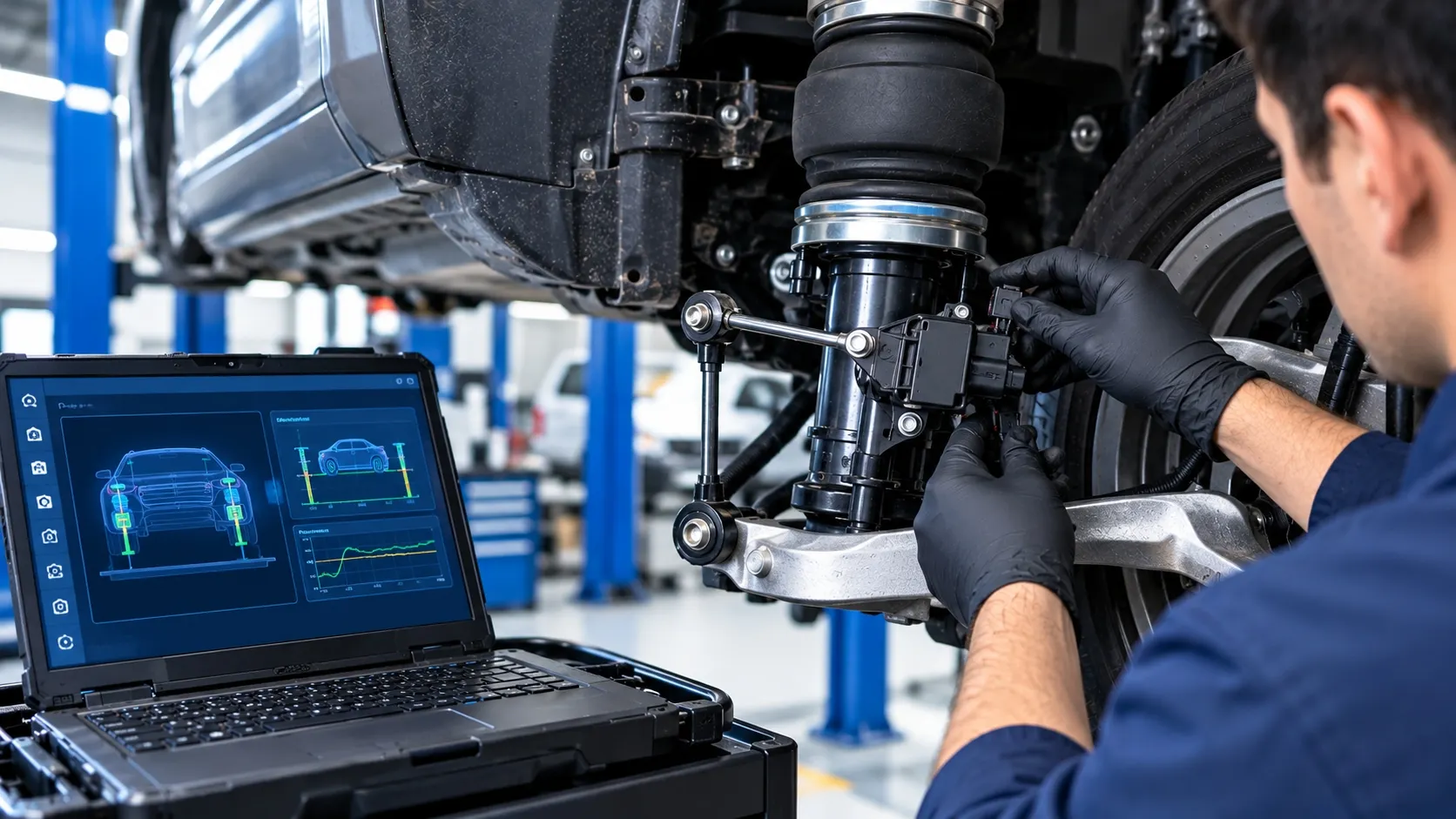
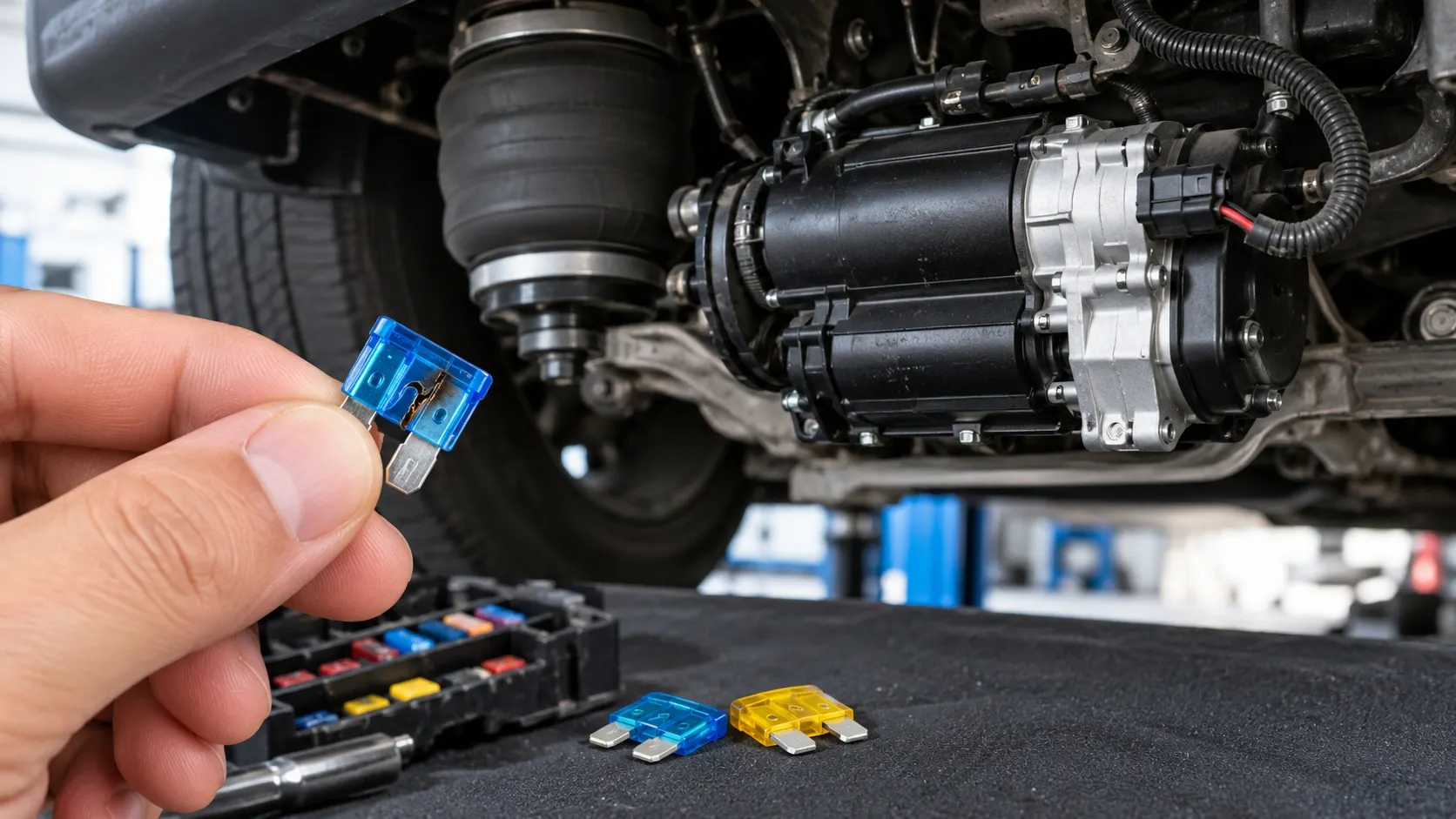
Air suspension systems are crucial to ensure vehicle comfort, stability and ride height. These systems are typically seen in luxury cars, SUVs, commercial vehicles, and heavy duty trucks, where they control suspension to provide multiple height adjustments, and help load the vehicle. Compressed air should be kept clean and dry for trouble-free operation. It is at this point that an air suspension dryer comes into play and so does the desiccant material.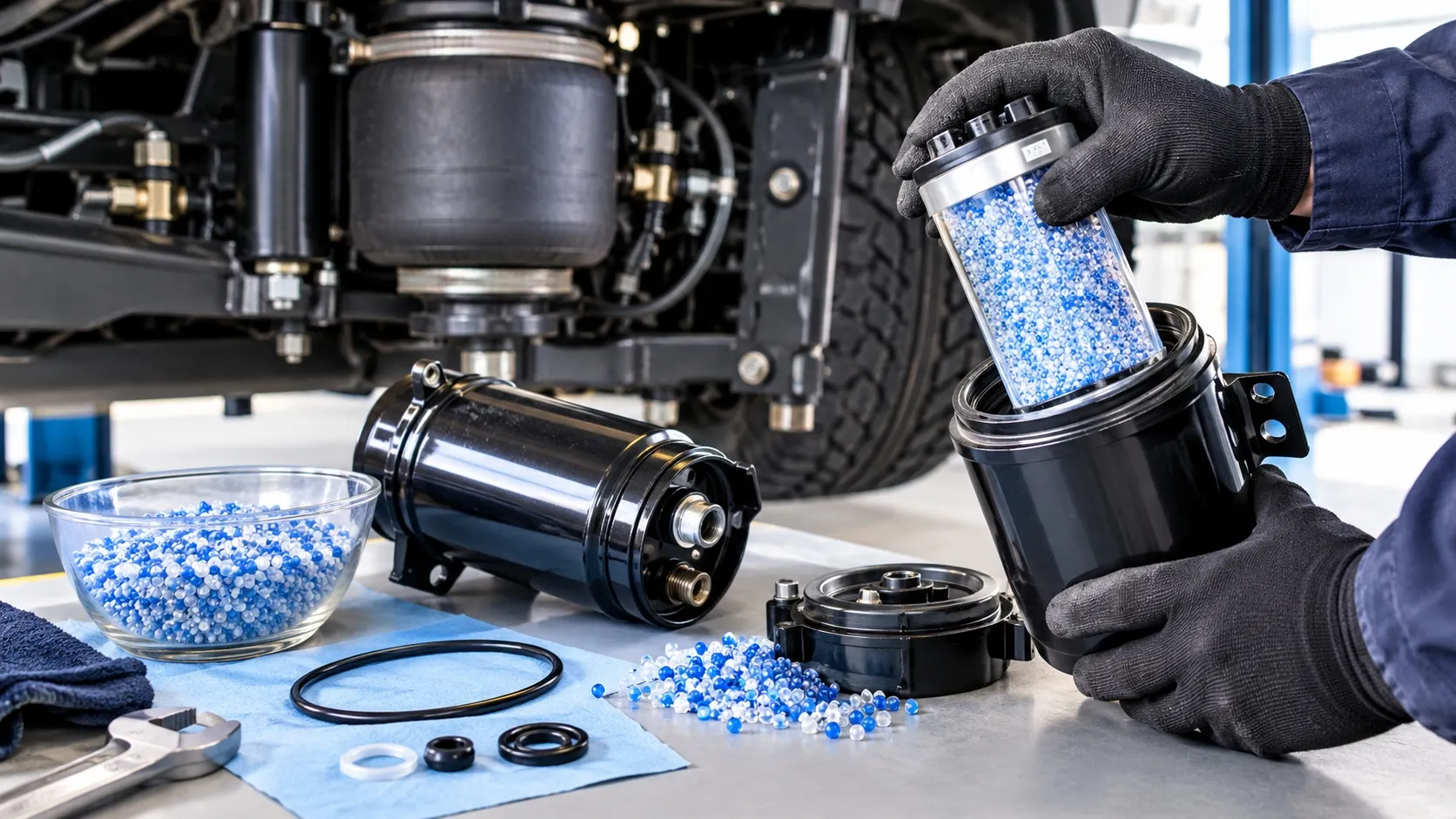
Replacement of the desiccant in air suspension dryer is one of the important maintenance procedures to prevent the moisture build up in dryer, corrosion, valve malfunction or failure in the suspension system. The desiccant that absorbs moisture in the air dryer will eventually stop absorbing moisture, requiring the desiccant to be changed for a quality system to perform optimally.
This guide covers how an air suspension dryer operates, when to change its desiccant, symptoms of wear and tear, and procedures for replacing the desiccant and for maintaining the system in the long-term.
1. What Is an Air Suspension Dryer Desiccant?
An air suspension dryer is a part that filters water out of compressed air prior to it entering the suspension system. An air spring dryer is basically a dryer that stores water vapor for the air springs, valves, reservoir and other pneumatic parts inside the dryer, which allows for the delivery of dry air.
Activated alumina and silica gel are generally used as desiccant materials, but the type varies slightly based on the dryer design and manufacturer.
Desiccant attracts and holds moisture when compressed air flows through the dryer. The desiccant in many systems can be regenerated by a purge cycle which removes moisture accumulated in the desiccant. It may, however, lose efficacy with repeated exposure to moisture and oil contamination and/or operating conditions.
If the desiccant used is saturated, contaminated or physically degraded, it may be necessary to replace it to maintain the proper drying performance.
2. Why Is Air Suspension Dryer Desiccant Replacement Important?
Regular desiccant maintenance protects the entire air suspension system from moisture-related damage.
Prevents Moisture Accumulation
Compressed air naturally contains water vapor. When temperatures drop, this moisture can condense into liquid water inside air lines, reservoirs, and valves. In cold climates, accumulated water may freeze and obstruct airflow.
Replacing worn desiccant helps the dryer remove moisture more effectively, reducing the risk of freezing and operational problems.
Protects Pneumatic Components
Moisture can contribute to corrosion inside metal air lines, reservoirs, solenoid valves, and other components. Corrosion and contamination may interfere with valve movement and cause air leaks.
Effective air drying helps extend the service life of these components.
Maintains Suspension Performance
Air suspension systems depend on controlled air pressure to adjust ride height and maintain vehicle stability. Excessive moisture can contribute to irregular operation, delayed height adjustment, and system warnings.
A properly maintained dryer supports consistent suspension performance.
Reduces Maintenance Costs
Replacing desiccant when needed may help prevent more expensive repairs involving the compressor, valve block, air reservoir, or other suspension components.
For fleet operators and commercial vehicle owners, preventive maintenance can also reduce unexpected downtime.
3. Signs That Air Suspension Dryer Desiccant Needs Replacement
There is no single warning sign that confirms desiccant failure. However, several symptoms indicate that the dryer should be inspected.
1. Excessive moisture in the air system
Water found in the air reservoir or discharge lines may indicate reduced drying performance. However, other causes, such as a malfunctioning purge valve or excessive compressor duty cycle, should also be investigated.
2. Frequent compressor operation
If the air suspension compressor runs more frequently than usual, the system may be struggling to build or maintain pressure. Worn desiccant is not necessarily the cause, so check for leaks, compressor wear, and valve problems as well.
3. Slow suspension height adjustment
A vehicle that takes longer to rise or lower may have an airflow restriction, moisture-related valve issue, air leak, or compressor problem. Dryer inspection can help identify whether moisture management is contributing to the symptom.
4. Suspension warning messages
Some vehicles display suspension or compressor warnings when the system detects abnormal pressure, temperature, or operating time. Diagnostic trouble codes can help determine whether the dryer requires attention.
5. Visible contamination or desiccant deterioration
During inspection, desiccant may appear discolored, oily, broken down, or contaminated. These conditions can indicate that replacement is necessary, particularly if the dryer has also experienced compressor oil contamination.
4. When Should You Replace Air Suspension Dryer Desiccant?
The correct replacement interval depends on the vehicle manufacturer, dryer design, operating environment, and usage conditions.
Some dryers use replaceable desiccant cartridges, while others are designed as sealed assemblies. Certain systems also use regeneration cycles that extend desiccant service life.
For passenger vehicles, the maintenance schedule may be based on time, mileage, system condition, or a specific service procedure. Commercial vehicles operating continuously, carrying heavy loads, or working in humid environments may require more frequent inspections.
Follow these guidelines:
-
Check the service manual: Use the manufacturer's recommended inspection and replacement interval.
-
Inspect after contamination: Compressor oil, dirt, or excessive water may justify earlier service.
-
Consider operating conditions: High humidity, frequent compressor cycling, and extreme temperatures can increase maintenance demands.
-
Replace damaged components: A cracked housing, defective seal, or malfunctioning purge valve may require additional repairs beyond desiccant replacement.
Avoid relying on a universal mileage interval. Different air suspension systems have different requirements.
5. How to Replace Air Suspension Dryer Desiccant
The replacement process varies by vehicle and dryer model. The following steps provide a general overview rather than a substitute for the manufacturer's service procedure.
Step 1: Identify the Correct Dryer
Locate the air suspension dryer and confirm its part number. Determine whether the system uses a replaceable desiccant cartridge, a serviceable canister, or a complete dryer assembly.
Choose a replacement component compatible with the original system.
Step 2: Prepare the Vehicle Safely
Park on a level surface, secure the vehicle, and follow the manufacturer's instructions for disabling the suspension system.
Air suspension systems may automatically adjust vehicle height, and their pneumatic circuits can retain significant pressure. Depressurize the relevant circuit using the approved procedure before opening the dryer.
Never loosen pressurized air fittings or work beneath a vehicle supported only by its air suspension. Use approved mechanical supports and appropriate personal protective equipment.
Step 3: Remove the Dryer Assembly or Cartridge
Disconnect the relevant electrical connectors and air lines according to the service manual. Label connections if necessary to avoid incorrect reassembly.
Remove the retaining hardware and carefully extract the dryer cartridge or assembly. Avoid allowing dirt or debris to enter open pneumatic connections.
Step 4: Inspect Internal Components
Check the dryer housing, seals, O-rings, fittings, and purge mechanism for damage or contamination.
If the system contains oil-soaked desiccant, investigate the source of the oil. Excessive compressor oil carryover can damage replacement desiccant and may indicate a compressor problem.
Replace worn seals and any additional service parts specified by the manufacturer.
Step 5: Install the New Desiccant Cartridge
Install the correct cartridge or replacement desiccant kit, following the manufacturer's instructions. Ensure that all seals are positioned correctly and that the cartridge is seated securely.
Do not substitute an arbitrary desiccant material or quantity. Incorrect materials, particle sizes, or installation methods can compromise drying performance and airflow.
If the dryer is sealed and not designed for servicing, replace the complete assembly instead of opening it.
Step 6: Reassemble and Test the System
Reconnect the air lines, electrical connections, and retaining hardware. Restore the system according to the manufacturer's procedure.
Check for air leaks, verify that the compressor operates normally, and confirm that the suspension can reach its specified ride heights. Where supported, check diagnostic codes and verify proper purge operation.
A successful replacement should restore normal dryer function, but persistent moisture or pressure problems require further diagnosis.
6. Common Mistakes to Avoid During Replacement
Several installation errors can reduce the effectiveness of a new desiccant cartridge.
-
Using incompatible desiccant: Different dryers require specific materials and cartridge designs.
-
Ignoring compressor contamination: Oil carryover can quickly degrade new desiccant.
-
Reusing damaged seals: Worn seals can cause air leaks and reduce system efficiency.
-
Skipping leak testing: Small leaks may cause excessive compressor cycling and premature component wear.
-
Opening a pressurized system: Stored pneumatic energy can cause serious injury.
-
Replacing desiccant without diagnosing the root cause: A defective purge valve or compressor may continue to introduce moisture even after replacement.
Following the correct service procedure helps prevent repeat failures.
7. How to Extend the Service Life of Air Suspension Desiccant
Maintenance of the system can help to maximize the performance of the desiccants and to minimize the frequency of replacing the desiccants.
Firstly, check regularly on air lines and fittings for leaks. If there is air leakage it means the compressor has to run longer, and may impose extra pressure on the dryer.
Second, follow the maintenance schedule called for by the manufacturer. The drying system could be contaminated by the oil or moisture generated by a compressor that produces too much oil and/or moisture.
Third, make sure the air intake is clean and the dryer housing is tight. Aesthetic elements such as dirt and other contamination can affect system performance.
Fourth, keep track of how long children are suspended. If the compressor makes an unusual noise, if the pressure drops a lot of times, if the warning is repeated, or if the compressor takes a long time to adjust height, check it as soon as possible.
Lastly, use high quality replacement parts of the correct air suspension platform or vehicle. The operation is reliable only if the compatibility and the correct installation are ensured.
8. How Much Does Air Suspension Dryer Desiccant Replacement Cost?
The work required to replace air suspension dryer dehygrodesiccatant varies in terms of vehicle, dryer design, replacement parts and labor costs.
An expendable desiccant cartridge is usually a less costly alternative to dryer replacement. If the housing, purge valve or other internal damage is done then an entire assembly might need to be done.
The labor cost will depend on the accessibility and need for further diagnosis. In cases where moisture damage has occurred in the compressor, valve block, or air reservoir, the overall repair expenses could rise.
To get an accurate estimate you need to find out the vehicle make, model, year and the dryer part number. Ask for a quote that specifies the cost of the replacement cartridge, seals, labor and any other parts.
Understanding the compatibility of replacement parts and adhering to a fleet maintenance plan can help manage costs for repair shops and fleet maintenance teams in the long run.
9. Frequently Asked Questions
Can I replace only the desiccant instead of the entire air dryer?
Yes, if the dryer is specifically designed for desiccant replacement and the housing and other components remain serviceable. Sealed or non-serviceable dryers generally require complete assembly replacement.
What happens if I never replace the desiccant?
Degraded desiccant may allow moisture to enter the pneumatic system. Over time, this can contribute to corrosion, freezing, valve malfunctions, and increased maintenance costs. The actual risk depends on the dryer design and operating conditions.
Does a new desiccant cartridge fix an air suspension leak?
No. Desiccant removes moisture but does not repair leaking air springs, fittings, hoses, or valves. Air leaks must be diagnosed and repaired separately.
Can I drive with a faulty air suspension dryer?
It depends on the fault and vehicle design. Moisture-related problems may worsen over time, and certain failures can affect suspension performance or trigger protective operating modes. Follow the vehicle manufacturer's guidance and avoid driving if the vehicle is unstable, excessively low, or displaying a serious suspension warning.
Is air suspension dryer replacement the same as compressor replacement?
No. The dryer removes moisture from compressed air, while the compressor generates the air pressure required by the suspension. They work together, but they perform different functions and require separate diagnosis.
Conclusion
An important component of ensuring a stable pneumatic suspension system is the replacement of desiccants in the air suspension dryer.One of the many critical elements of running a reliable pneumatic suspension system is the replacement of the desiccants in the air suspension dryer. Effective desiccant reduces moisture from compressed air, thereby preventing moisture damage to air springs, valves, reservoirs and other parts.
The ability to identify warning signs, adhering to the manufacturer's replacement schedule, implementing the use of appropriate replacement parts, and investigating the root cause of contamination can all help boost system reliability and save repair dollars.
Having a luxury passenger car, a commercial truck or even a fleet with air suspension can be improved with regular air dryer maintenance and timely replacement of the air dryer dessicants. Use the vehicle-specific service manual and qualified technicians if the service includes using pressurized circuits or complex suspension electronic systems.
Share on Social:


- PREV: Air Suspension Height Sensor Calibration: Complete Guide
- NEXT: Null
Contact Us
In This Article
- 1 1. What Is an Air Suspension Dryer Desiccant?
- 2 2. Why Is Air Suspension Dryer Desiccant Replacement Important?
- 3 3. Signs That Air Suspension Dryer Desiccant Needs Replacement
- 4 4. When Should You Replace Air Suspension Dryer Desiccant?
- 5 5. How to Replace Air Suspension Dryer Desiccant
- 6 6. Common Mistakes to Avoid During Replacement
- 7 7. How to Extend the Service Life of Air Suspension Desiccant
- 8 8. How Much Does Air Suspension Dryer Desiccant Replacement Cost?
-
9
9. Frequently Asked Questions
- 9.1 Can I replace only the desiccant instead of the entire air dryer?
- 9.2 What happens if I never replace the desiccant?
- 9.3 Does a new desiccant cartridge fix an air suspension leak?
- 9.4 Can I drive with a faulty air suspension dryer?
- 9.5 Is air suspension dryer replacement the same as compressor replacement?
- 10 Conclusion
