


Air Suspension Air Bags: From Fault Diagnosis to the Right Replacement
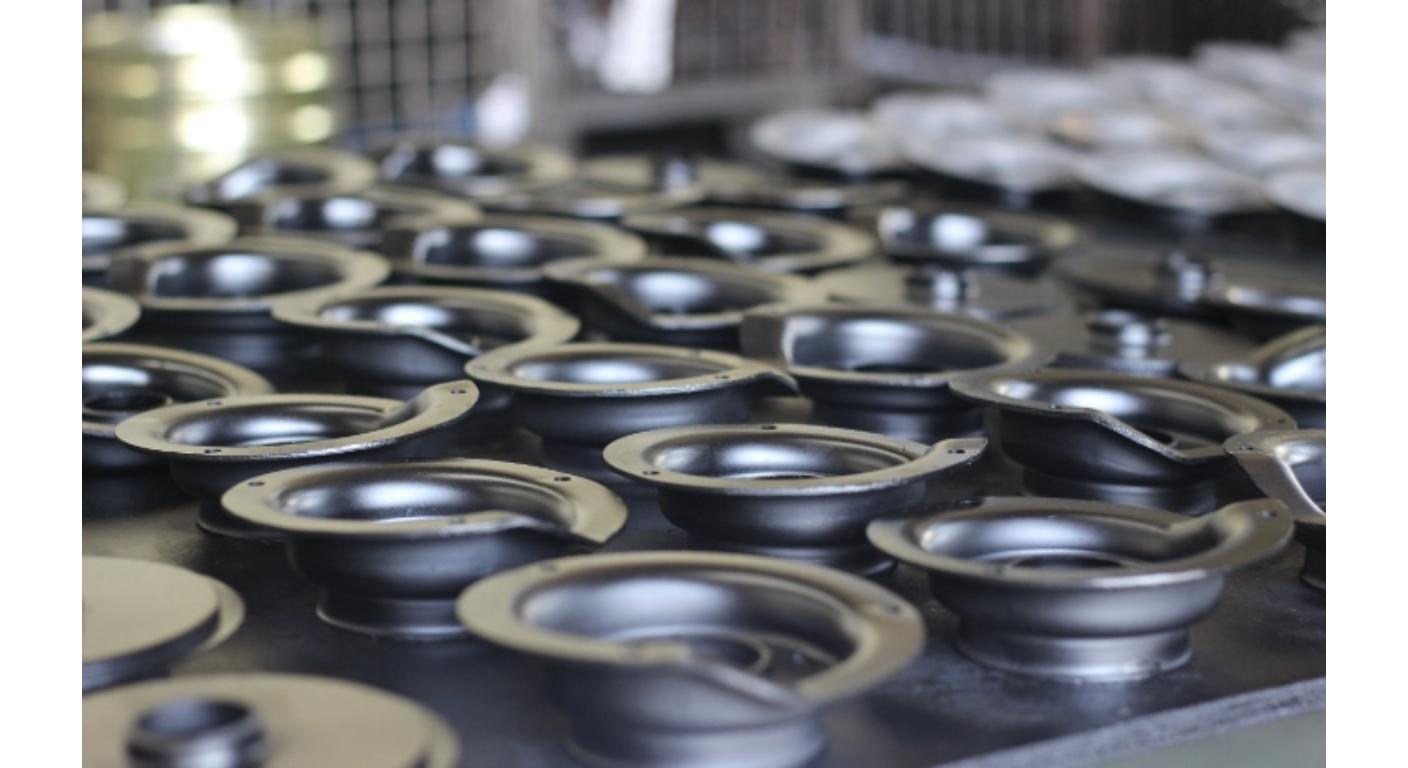
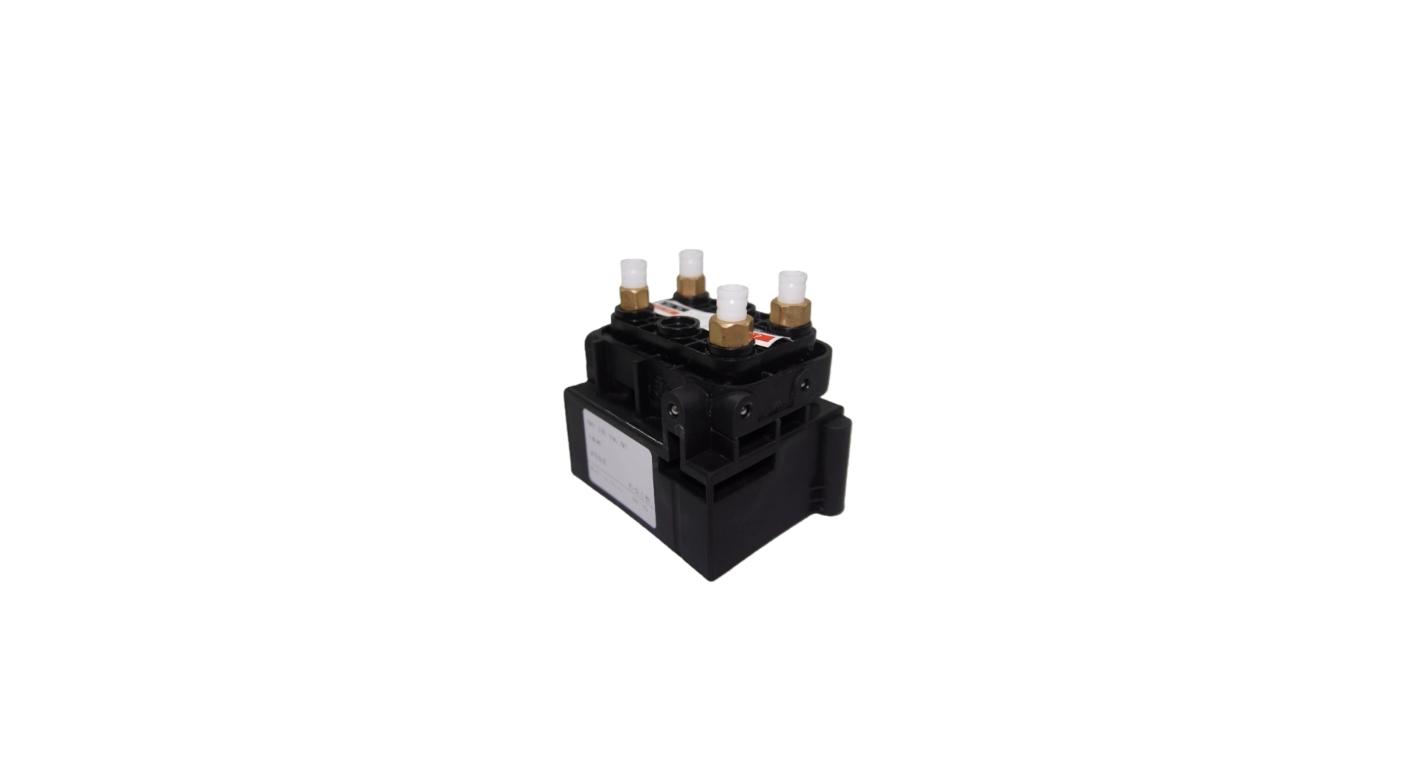
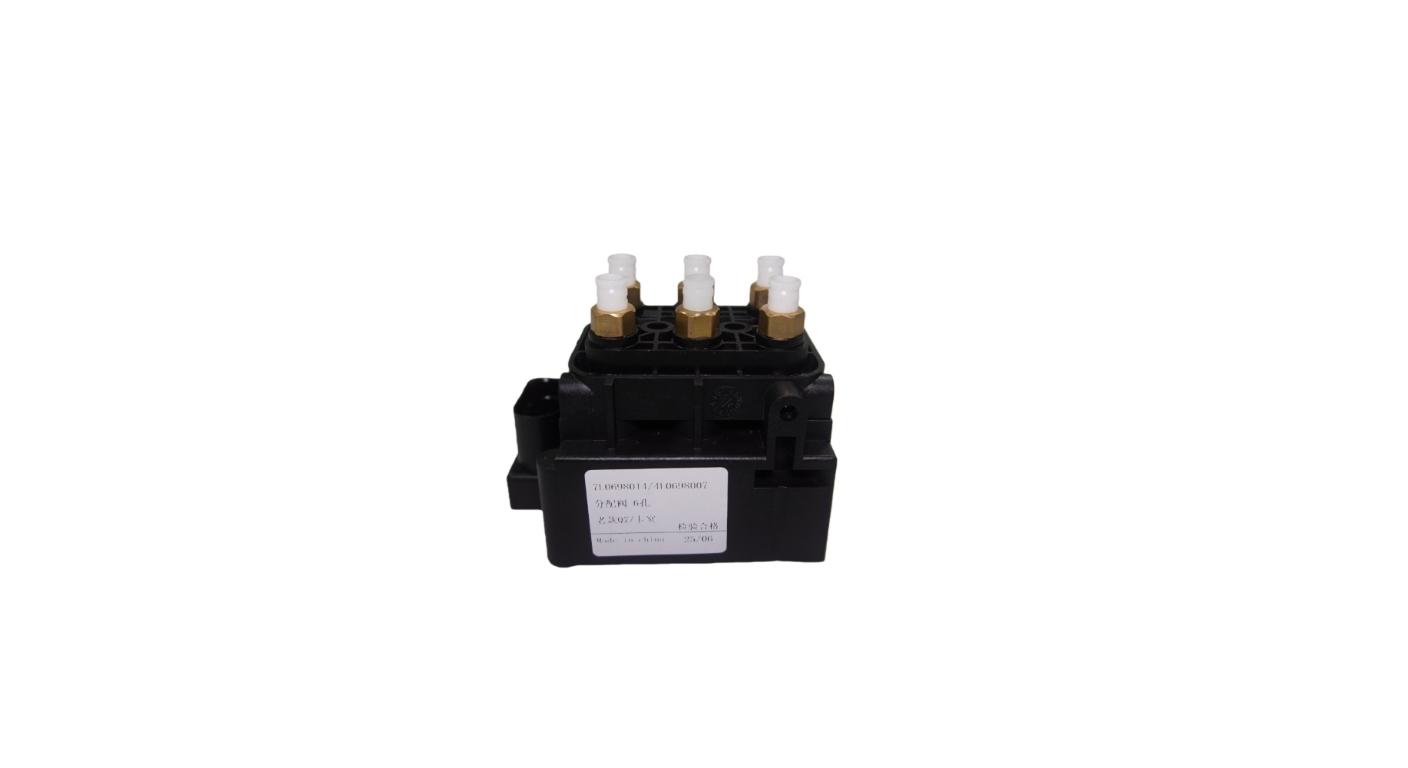
When a vehicle is low to the ground upon parking, air suspension air bags are frequently ordered. But, a sinking corner doesn't reveal the faulty part, and a familiar car name doesn't indicate the right replacement. Workshops and parts buyers require a confirmed fault and a match to the application.
The purchasing decision should be related to the diagnosis, condition of the component, and installation requirements for vehicles that have factory air suspension. This way, ordering a full assembly won't be necessary or fitting a replacement air spring when there may be another fault to address.
Determine the actual need of the vehicle
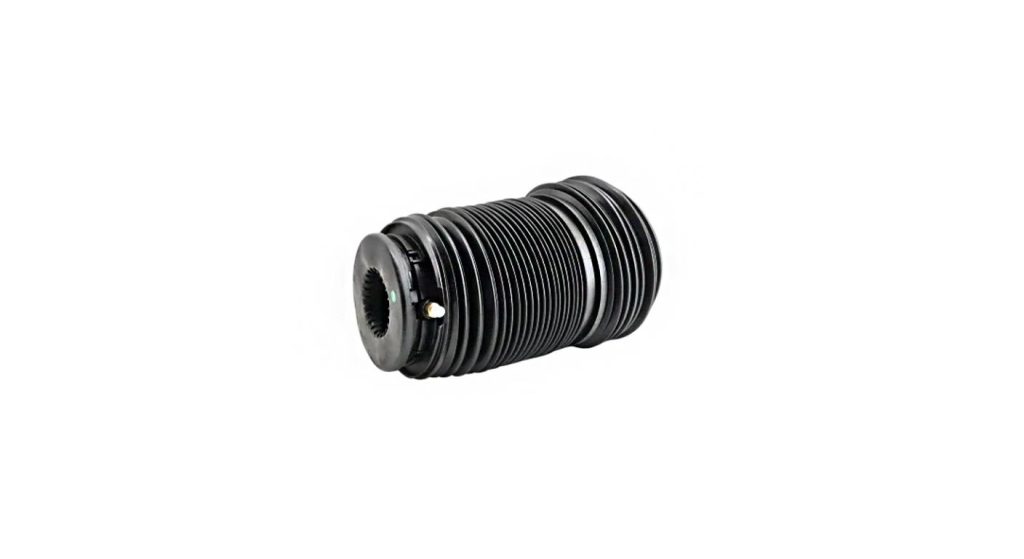
Here, an air bag refers to the soft pneumatic spring of the suspension and not the airbag which is a safety device for passengers. It can be a single element or be part of an air strut that contains a shock absorber.
It is that distinction that dictates what can be replaced. A separate rear spring and a front strut repair kit are different types of purchase, although they both may have reinforced rubber sleeves. The original suspension layout is the starting point of the air suspension spring range of HUIJIE, which contains the application-specific springs and repair kits.
Determine if a full air spring, compatible air spring repair kit or a full air spring is needed. Verify the provided assembly, do not use the phrase “air bag.”
To prevent leaks, have them confirm it before placing their order for the bag.
A vehicle that drops overnight can be the result of a leak at the spring, a leak in the airline or in other parts of the pneumatic circuit. The other warning is excessive compressor operation, but this is not necessarily a cause of the original problem and is caused by the compressor.
Document the corner involved, the length of time in the parking spot, warnings given and if the vehicle hauls up after starting. A technician should then use the diagnostic procedure outlined in the vehicle and check connections that are accessible and investigate a suspected leak under stated conditions.
Don't continually lift a leaking vehicle just so that it can be used. Air may be leaking, causing a greater workload for the compressor. When more than one component is affected the repair quotation should cover the leakage problem and its effects as one, not as multiple complaints of independent parts failures.
Match the Application to the Model Name.
Model names often refer to multiple generations, chassis and suspension types. A list stating a model, therefore, is only a beginning. Compare vehicle ID information with replacement ID information and replacement position.
For instance, HUIJIE has a rear air suspension spring of Maserati Levante in the catalogue with the reference 670100715. Please use that as an application example, but please check the vehicle specification and current supplier fitment information before making an order.
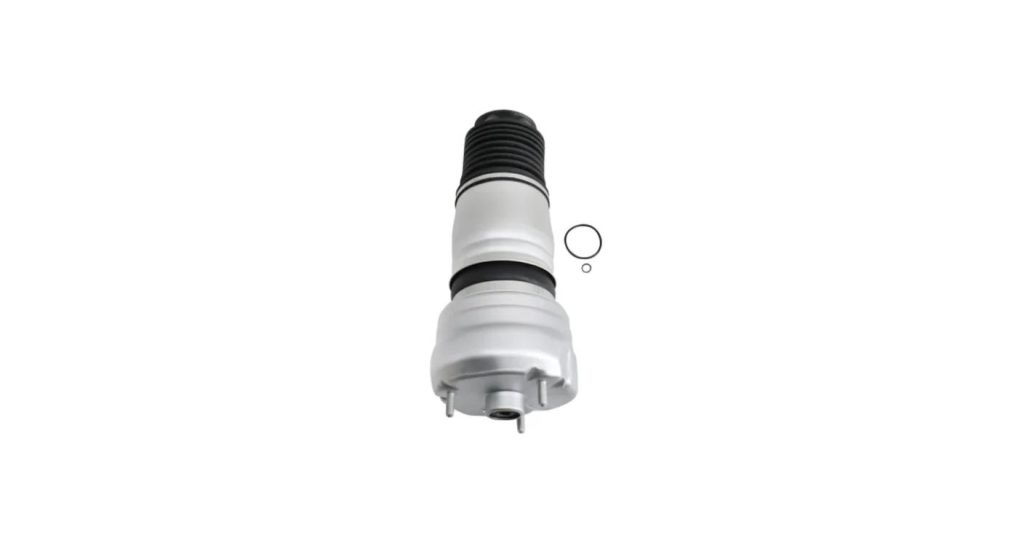
Do not assume that the front and rear parts are interchangeable! Compatibility – left and right – is also product dependent. If a repair kit is applicable to an electronically controlled strut, be sure to verify the suspension variant and the original components in service.
When a part cannot be identified, include clear photos of the label, mounting and air connection of the removed part. Photographs help to match references, but they can't be compatible based on visual similarity.
| Order Detail | Buyer’s Requirement | Supplier Confirmation |
| Vehicle / chassis | Enter vehicle details | Confirm exact application |
| Original part reference | Enter label reference | Confirm replacement reference |
| Installation position | Front/rear; left/right | Confirm supplied position |
| Assembly scope | Spring, repair kit, or strut | Confirm included components |
| Supporting evidence | Attach label and connection photos | Resolve discrepancies before dispatch |
Determine if the damper should be retained or not.
If the original damper is in good working condition and it is designed to an appropriate repair kit, it may be more advantageous to replace only the pneumatic portion. The choice should not be made on the assumption that all defective leaking struts are “repairable” without inspection, and that repairs will be economical.
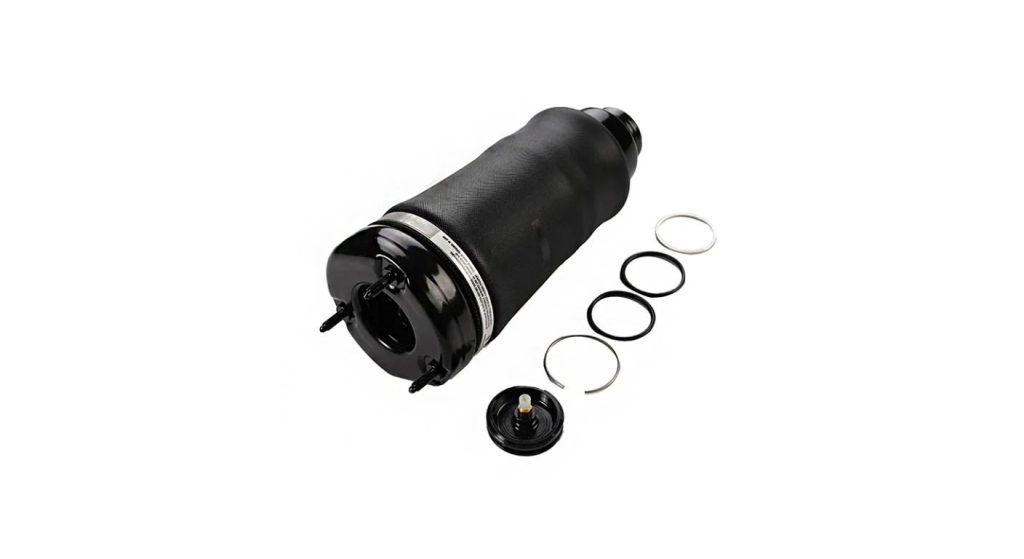
Selective replacement is shown in HUIJIE's Mercedes-Benz R-Class W251 front repair kit. However, this is still dependent on the particular application, condition of the retained damper and the workshops capability to carry out the repair detailed.
Check for damper oil leakage, inadequate damping, defective mounts, corrosion and other defects that may affect re-use. A worn shock absorber can't be fixed with a replacement sleeve. Estimate the total installed cost of both repair alternatives (labor, necessary fittings, and possibility for re-visit).
The option which will correct the known issues with an adequate service result is the economical one.
Ask questions about Construction Based on Verifiable Details
A product picture might depict the sleeve, end pieces and crimping structure, but can't set up toughness for the long haul. The Buyer should make a link between the observed construction and the evidence of inspection and specification from the supplier.
On pages of relevant products, HUIJIE introduces the rubber sleeve reinforced, crimping ring, moulded, etc., and leakage checking. Inquire about which checks are applicable to the specifically ordered reference and determine if the ordered unit comes with the connections and parts shown in the picture.
Isolate leakage test from durability test. Knowing what are the pressure cycling, temperature performance and service-life test conditions and acceptance criteria, if they are relevant to the purchase decision, ask for these. A tested' claim does not imply those results.
For repeat orders agree on the process for reviewing changes in specification, and reference identification. This then allows incoming inspection to be more useful than using rubber appearance alone, as there is consistency in the documentation.
Add the remainder of the pneumatics.
A system that uses an air spring. It is therefore necessary to pay attention to the air supply and air distribution components when a fault is diagnosed as being related to the condition of the air supply in order to achieve a successful replacement.
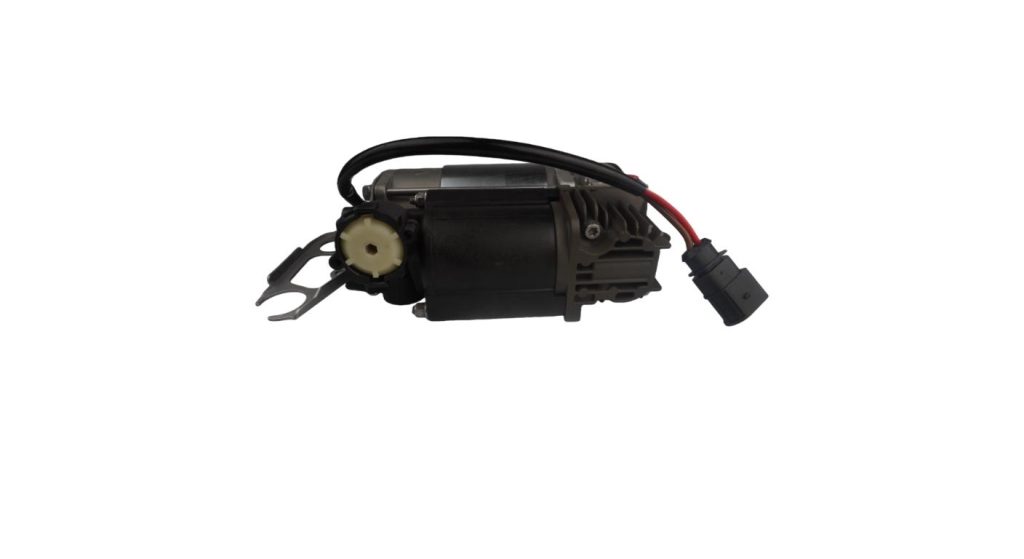
HUIJIE can also provide the use of air suspension compressors for replacement. They should be available to enable a full diagnosis and not be a reason for automatically replacing all connected components.
The technician should determine if the system is able to achieve and maintain the desired condition prior to closing the job. Analyse the abnormal compressor behaviour, unstated fault codes and ongoing height loss, from associated service information.
This is especially crucial if the car has been driven with a leak. Changing the spring remedies one aspect; verifying system recovery will find out if the repair is completed.
Complete the Order for Installation and Acceptance.
Confirm with the workshop the specific reference, number of parts, parts included, packaging and technical information before dispatch. Explain if seals/fittings will need to be replaced, and what parts are sold separately.
Installation is to be made according to the procedure of the vehicle and replacement-parts manufacturer, such as safe support, depressurization, seating and inflation procedures. Don't apply a universal value to different fittings, use the specified tightening requirements.
Once installed, conduct all necessary leak checks, functional checks and calibration as required. Note the finding in relation to the job reference to enable it to be evaluated by evidence for further enquiries.
This information can also be useful for distributors, who can use it in combination with batch identification to help differentiate between an application mismatch and a problem with the product.
| Record Stage | Evidence to Retain | Record Owner |
| Goods received | Carton label and part reference | Receiving team |
| Before installation | Product condition and supplied contents | Workshop |
| Repair completed | Diagnostic and functional check results | Technician |
| Follow-up enquiry | Job reference, mileage, and symptom record | Service team |
Conclusion
Air suspension air bags are the result of a known malfunction and a successful repair. Workshops and buyers can better support reliable replacement by applying with accurate application matching, a documented scope of replacement, and documented acceptance.
FAQs
Q1. Are air suspension air bags all the same?
No. Mountings and connections, dimensions and suspension configurations vary. Please check application and replacement reference prior to ordering.
Q2. Is it possible to replace the air bag without the shock absorber?
If a suitable repair kit is available and the damper that is going to be retained passes inspection sometimes. Check the repair procedure for this assembly.
Q3. Does o/n sagging necessarily indicate a leaking air bag?
No. Connections, as well as other pneumatic components, can also result in height losses. Do not order parts until the leak is diagnosed.
Q4. Do both sides need to be replaced at the same time?
Evaluate both sides and adhere to the proper service instructions. Paired replacement may be allowed according to age and condition, and needs to be evaluated for each application.
Q5. What should be included with a request for a quotation?
Give Vehicle ID, Chassis, Position and OPR. When the application is not clear, label and connection pictures are included.


Contact Us
In This Article
- 1 Determine the actual need of the vehicle
- 2 To prevent leaks, have them confirm it before placing their order for the bag.
- 3 Match the Application to the Model Name.
- 4 Determine if the damper should be retained or not.
- 5 Ask questions about Construction Based on Verifiable Details
- 6 Add the remainder of the pneumatics.
- 7 Complete the Order for Installation and Acceptance.
- 8 Conclusion
